
DIY Resistance Art: Create Your Own Masterpiece Inspired by Malak Mattar’s Activism
Art has long been a powerful medium for expressing social change and giving a voice to the voiceless, and few embody this more than Malak Mattar with her bold, thought-provoking pieces. As a trailblazer in activism through art, Mattar uses her craft to highlight pressing social issues and inspire others to take up the brush for cultural advocacy and empowerment. In this guide, we’ll explore how you can create your own DIY resistance art, channeling the spirit of Mattar’s work to craft masterpieces that speak to the heart of social justice. Whether you’re an art enthusiast eager to use art as a voice for change or an eco-conscious supporter of cultural heritage, this is your chance to dive into the world of art for social change. Let’s uncover how you can transform your passion into empowerment through art, one brushstroke at a time.
Discovering Malak Mattar’s Art
Art as a Voice for Change
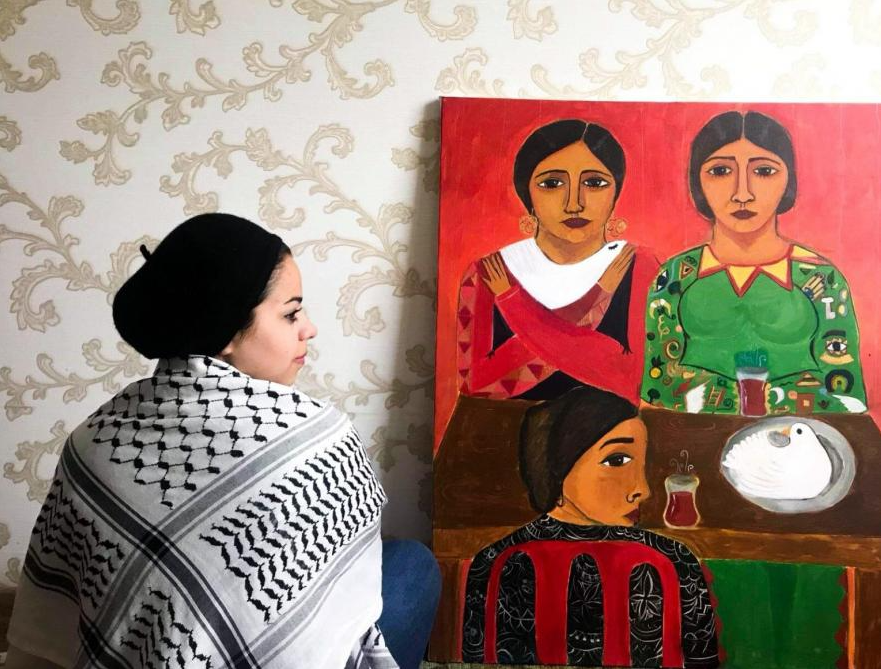
Malak Mattar’s work is a vivid testament to the power of art as a voice for social change. Through her unique style, she tackles complex issues like identity, displacement, and resilience. Mattar’s art is not just visually striking; it resonates with messages of hope and resistance. Her paintings often feature bold colors and expressive figures, capturing the attention of audiences worldwide. By doing so, she brings to light the struggles and stories of those often unheard.
Art enthusiasts and social activists alike find inspiration in Mattar’s activism through art. Her work serves as a reminder that art can transcend borders, offering a platform for cultural advocacy and empowerment. It encourages individuals to reflect on their own lives and communities, sparking conversations that lead to meaningful change. As we delve into the world of DIY resistance art, let Mattar’s legacy guide your creative journey towards crafting your own masterpieces for social justice.

Cultural Advocacy and Empowerment
Malak Mattar’s art is a powerful tool for cultural advocacy and empowerment. Her paintings not only highlight social issues but also celebrate the rich cultural heritage of her Palestinian roots. Through her vibrant canvases, Mattar bridges cultural gaps, fostering a sense of unity and understanding. Her work empowers marginalized communities, urging them to take pride in their identity and heritage.
Mattar’s art inspires others to use their own creative talents as vehicles for cultural expression and social justice. As an advocate for change, she shows that art is more than aesthetics; it’s a medium for storytelling and connection. By showcasing cultural narratives, Mattar’s pieces empower viewers to appreciate diversity and inclusivity.
For those looking to create DIY resistance art, Mattar’s commitment to cultural empowerment serves as a guiding light. Her work reminds us that art can be a catalyst for change, encouraging us to stand up for our beliefs and inspire others to do the same.

Inspiration from Mattar’s Activism
Malak Mattar’s activism through art is both a source of inspiration and a call to action. Her work demonstrates how artists can use their medium to illuminate social injustices and ignite change. By portraying themes of resistance and resilience, Mattar encourages others to harness their creativity for advocacy. Her fearless approach to confronting challenging topics serves as a powerful example for aspiring artists and activists.
Mattar’s dedication to art for social change shows that passion, paired with creativity, can influence societal perceptions and inspire progress. Her journey underscores the potential of art to empower individuals and communities, urging them to confront systemic issues with courage and conviction.
For those eager to create DIY resistance art, drawing inspiration from Mattar’s activism provides a foundation to channel personal experiences and societal concerns into compelling artwork. Her legacy encourages us all to use art as a voice, turning personal expression into a means of advocating for a more just world.

Creating Your Own Resistance Art
Embracing Art for Social Change
Embracing art for social change starts with recognizing the power of your own creative voice. By channeling your passion and convictions into your art, you can contribute to meaningful conversations and inspire action. The process of creating resistance art involves exploring themes that resonate with you personally, whether they relate to social justice, cultural identity, or environmental issues.
Begin by reflecting on the issues that matter most to you. What stories need to be told? What injustices need attention? Use these questions as a springboard to develop your creative vision. Let Malak Mattar’s work guide you—her art shows that even the boldest messages can be communicated with grace and impact.
As you craft your pieces, remember that art for social change is about connection and empowerment. It’s about using your creative gifts to foster understanding and inspire others. Each brushstroke is an opportunity to advocate for change and invite others to join you on this transformative journey.
Steps to DIY Resistance Art
Creating your own DIY resistance art is an empowering process that allows you to express your views and advocate for change. Start by gathering ideas and inspiration. Look to artists like Malak Mattar, whose work exemplifies activism through art, and identify themes that resonate with you.
Next, choose your medium. Whether it’s painting, sculpture, or mixed media, select a format that you feel confident in and that effectively communicates your message. Sketch out your ideas and think about the symbols and colors that represent your cause.
Once your concept is clear, gather your materials. Opt for eco-friendly supplies if possible, to align with sustainable practices. Begin crafting your piece, allowing your emotions and insights to guide each stroke and shape.
Finally, share your work. Display it in public spaces, online platforms, or community centers to spark dialogue and inspire others. Remember, your art is a powerful tool for advocacy and a step towards social change.
Eco-Friendly Art Materials
Choosing eco-friendly art materials is a crucial step in creating resistance art that aligns with sustainable values. Start by selecting non-toxic paints, which are safer for both the environment and your health. Brands that use natural pigments and water-based formulas are excellent options. For canvases, look for those made from recycled or organic materials, which reduce environmental impact.
Consider using reclaimed or upcycled items in your artwork. Not only does this minimize waste, but it also adds a unique, personal touch to your creations. Think about incorporating found objects, such as scrap wood or old fabrics, to give your piece an authentic, resourceful edge.
Eco-friendly art materials extend beyond the artwork itself. Use brushes with bamboo handles, biodegradable palettes, and recycled paper for sketches and planning. By making conscious choices in your art supplies, you contribute to a more sustainable practice and set an example for others in the art community, reinforcing the message of cultural advocacy and empowerment.
Empowerment Through Your Masterpiece
Sharing Your Art and Story
Once your resistance art masterpiece is complete, sharing it with the world amplifies its impact and spreads your message. Begin by showcasing your work on social media platforms, where it can reach a diverse audience. Use hashtags related to activism, social justice, and art for change to connect with like-minded individuals and communities.
Consider organizing a local exhibit or participating in community art fairs, where you can engage with viewers face-to-face. This not only allows you to share your story but also fosters discussions that can lead to deeper understanding and advocacy.
Collaborating with local organizations or schools can further extend your art’s reach. Workshops or talks about your creative process and the message behind your art can inspire others to explore their own artistic voices for change.
Remember, each interaction is an opportunity to empower others, encouraging them to use art as a voice for societal transformation and cultural advocacy. Your masterpiece is not just a personal achievement; it’s a catalyst for broader change.
Engaging Community and Social Justice
Engaging your community is a powerful way to amplify the social justice message embedded in your resistance art. Start by organizing community events that invite local residents to view and discuss your work. These gatherings can foster dialogue on important social issues, encouraging collective reflection and action.
Partner with social justice organizations to create collaborative projects that highlight shared values and goals. This partnership can lead to murals, workshops, or public installations that draw attention to local causes and mobilize community support.
Additionally, consider volunteering your artistic skills for community initiatives, such as creating visuals for awareness campaigns or educational programs. This not only strengthens community bonds but also broadens your art’s influence.
By embedding your masterpiece within the community, you harness the power of collective action. Your art becomes a rallying point for advocacy, inspiring others to join in the fight for justice and equality. Together, you can transform individual passion into a unified movement for change.
Art as a Voice for the Voiceless
Art has the unique ability to give a voice to the voiceless, making it an essential tool for empowerment. By channeling your creativity into your art, you can illuminate the struggles of marginalized communities and advocate for their rights. Your masterpiece can serve as a platform for stories that often go unheard, challenging societal norms and inspiring empathy and understanding.
Through your work, you can bring attention to issues like poverty, discrimination, and environmental injustice. Each piece you create has the potential to provoke thought and inspire action, fostering a more inclusive and compassionate society.
Your art also invites others to find their own voices, encouraging them to express their truths and advocate for change. By sharing your work, you contribute to a broader narrative of resistance and resilience, amplifying the voices of those who are too often silenced. In doing so, you turn art into a powerful tool for social justice and cultural advocacy.
