
Beneath our fingertips lies a genocide no one dares to speak about.
The Democratic Republic of Congo holds the richest mineral reserves in the world—yet its people live in some of the most devastating conditions imaginable. This contradiction isn’t an accident. It’s a system. One that continues to extract blood for profit, silence for comfort, and minerals for modern life.

The world runs on Congo.
Cobalt powers our smartphones, electric cars, and green energy infrastructure. Coltan, gold, and diamonds flow through the veins of global trade. But behind every shimmering stone and every charged battery is a story of unimaginable violence—rape used as a weapon of war, children forced into deep, unstable mines, families displaced by foreign-funded militias, and millions killed in the deadliest conflict since World War II.
This isn’t ancient history.
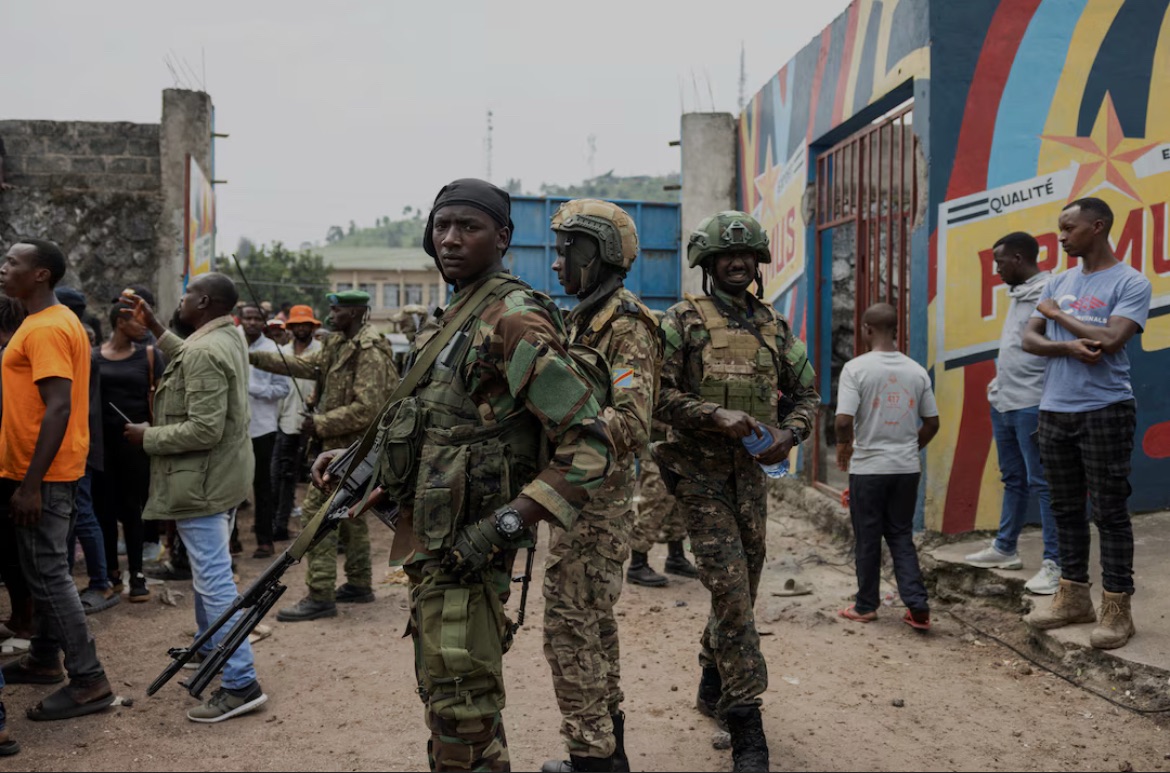
The Second Congo War officially ended in 2003, but the violence never stopped. Today, the eastern region of Congo is still under siege—by armed groups backed by foreign interests and multinational corporations that profit from the chaos. Rwanda and Uganda have been accused of funneling stolen Congolese minerals into the global market. Yet silence reigns.
Why?
Because the world benefits from Congo’s suffering.
Because the same corporations fueling wars in Africa fund campaigns and media outlets globally.
Because a Black, Indigenous population with ties to ancient wisdom and sacred lands is easier to exploit when its voice is erased.

Congo is not just a war zone—it is sacred land.
The energy of the ancestors pulses through its soil. The heartbeat of the Earth vibrates through its forests, rivers, and people. And when we ignore the cries of the Congolese, we sever ourselves from something ancient, holy, and powerful.
Supporting Congo is not charity. It is reclamation.
It is a return to truth. A refusal to let profit eclipse people. A spiritual stance against colonialism’s modern face.
If we say we care about Black lives, about Indigenous wisdom, about healing the Earth—then we must care about Congo. We must speak the names of those lost. We must stop pretending our silence is neutral.
What You Can Do:
• Demand transparency from tech companies about their supply chains.
• Support grassroots Congolese organizations, not just Western NGOs.
• Educate others about the crisis and share Congolese voices.
• Pray, protest, and pressure—in your own way, but with intention.
Join us on Livity.blog to rediscover the wisdom of Aboriginal heritage, unveil hidden histories, and empower Indigenous futures. Together, let’s honor the past to inspire a brighter tomorrow.
Rooted in ancestral truth, unveiling hidden legacies, and nurturing the spirit of Indigenous resilience.
Join me. Join us.
Visit LivityUnityAlliance.Online and download your free eBook: Reclaiming Our Power.
Because it’s time. Time to unlearn. Time to think. Time to rise.
References
1. Amnesty International (2016). “This is What We Die For: Human Rights Abuses in the Democratic Republic of the Congo Power the Global Trade in Cobalt.”
2. The Guardian (2023). “Rwanda’s involvement in eastern Congo conflict condemned by UN group of experts.”
3. United Nations Human Rights Council (2020). “Report of the Group of Experts on the Democratic Republic of the Congo.”
4. The Washington Post (2019). “The hidden costs of cobalt mining in the DRC.”
5. World Peace Foundation (2013). “Congo: The Political Economy of War and Peace.”
6. Enough Project (2018). “A Comprehensive Approach to Congo’s Conflict Minerals.”
