
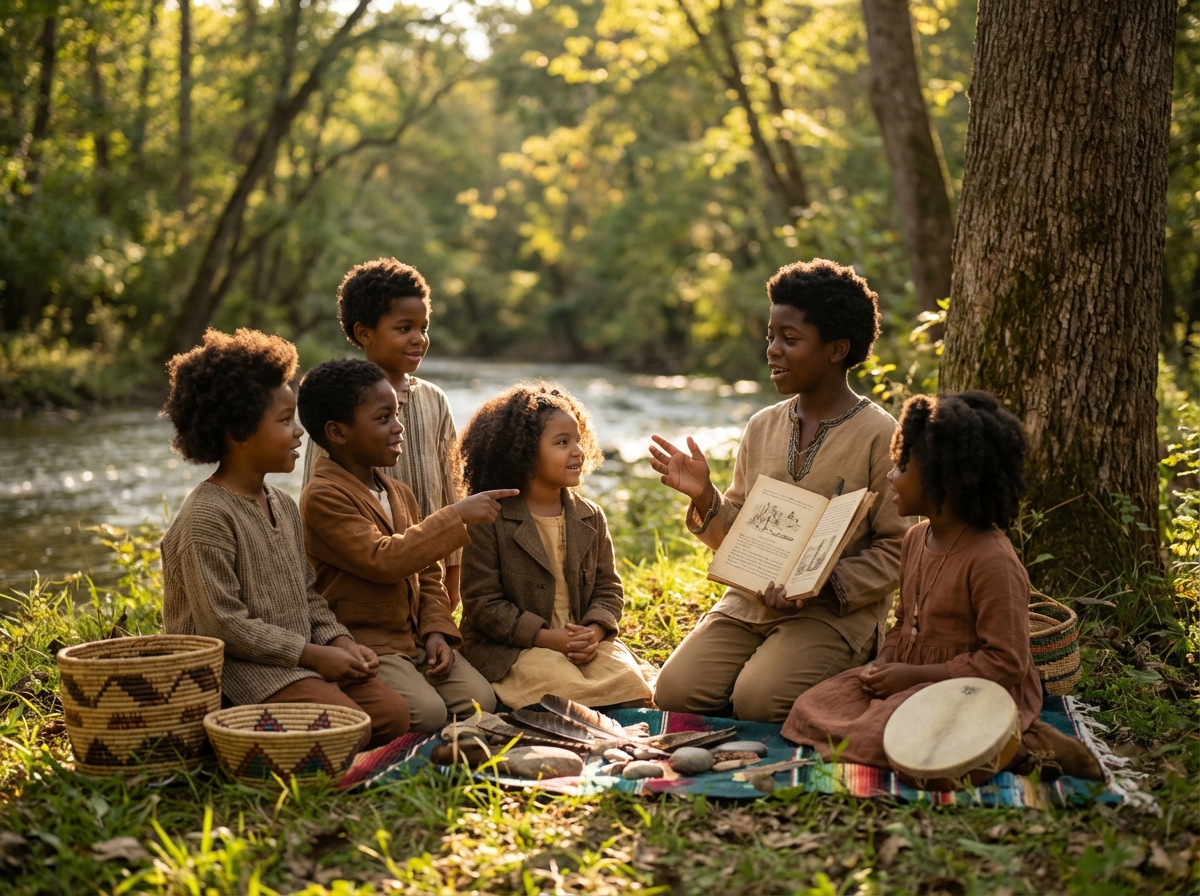
Hidden Histories Revealed: From Erasure to Resurgence — The Impact of Colonization on Indigenous Peoples
Forget what you think you know about history. The impact of colonization on Indigenous peoples runs deeper than textbooks reveal—woven through stolen lands, broken treaties, and silenced voices. This story isn’t just about loss; it’s about Indigenous resilience rising through language, ceremony, and sacred land protection. Let’s uncover these hidden histories together and explore the paths toward healing and reclaiming identity. Explore more about Indigenous history here.
The Shadows of Colonization

Hidden Histories of Colonization
Peeling back the layers of history reveals untold stories of colonization’s reach. For centuries, Indigenous peoples faced immense challenges that altered their worlds forever. Their lands were claimed, and their voices stifled as colonizers imposed new rules. These actions weren’t isolated events. They laid the groundwork for ongoing struggles, deeply impacting the lives of Indigenous communities today. To understand these hidden histories, we must listen to the stories of survival and resilience that have been tucked away.
Cultural Genocide and Erasure
Colonizers didn’t just seize land; they attacked the heart of Indigenous identity. Many cultures faced systematic attempts to erase their languages, traditions, and ways of life. For example, policies aimed at “civilizing” Native Americans led to the loss of countless cultural practices. Over 90% of some Indigenous populations were decimated through violence, disease, and forced assimilation, as detailed by the Holocaust Museum Houston. Yet, against these odds, communities found ways to preserve their heritage, passing down stories and ceremonies in secret.
Residential Schools Impact
Residential schools left scars that echo across generations. Children were taken from their families, stripped of their languages, and forced into an education system that sought to erase their identities. Many never returned home. Those who did often felt disconnected from their roots. This painful history reminds us that healing is needed. Educational reforms and acknowledgments like those from history.com highlight the importance of understanding this dark chapter. It’s a reminder of the importance of reclaiming identity and fostering healing.
Indigenous Resilience and Revival

Language Revitalization Movements
Language is more than words; it’s the essence of culture. Indigenous communities across the globe are fighting back against language loss with revitalization efforts. Programs and schools now teach languages once on the brink of extinction. For instance, in Canada, initiatives have helped increase the number of children speaking their ancestral languages at home. This revival fosters a sense of pride and connection. By embracing their languages, communities are not only preserving their past but also empowering their future.
Land Back Movement and Treaty Rights
The movement to reclaim ancestral lands is gaining momentum. The Land Back movement seeks to return control of sacred sites and lands to Indigenous peoples. It challenges historical injustices, aiming to restore stewardship to those who have protected these lands for millennia. Treaties, often broken or ignored, are being re-examined, with some successes in restoring rights and territories. The National Park Service discusses such treaty negotiations and their impact on current Indigenous identity today.
Art as Medicine and Cultural Sovereignty
Art tells stories words cannot. Indigenous artists are using traditional and contemporary mediums to express resilience and cultural sovereignty. Through visual arts, dance, and music, they share narratives of survival and hope. Art becomes a form of medicine, healing wounds of the past while celebrating vibrant traditions. It also challenges stereotypes, offering authentic representations of Indigenous life. By reclaiming their artistic expressions, Indigenous communities assert control over their narratives, showcasing the strength and beauty of their cultures.
Pathways to Healing and Solidarity

Truth and Reconciliation Efforts
Truth and reconciliation commissions play a crucial role in healing. These efforts involve truth-telling about past injustices and strive for reconciliation between Indigenous peoples and broader society. By acknowledging historical wrongs, societies can begin to mend relationships. While progress varies, these initiatives offer a blueprint for decolonization and justice, aiming to build bridges toward understanding and cooperation.
Community Healing and Ancestral Wisdom
Communities are turning to ancestral wisdom for healing. Traditional practices, ceremonies, and teachings are being revived to address trauma and restore balance. Indigenous methods focus on holistic well-being, encompassing mind, body, and spirit. By reconnecting with their roots, individuals find strength and guidance. Community gatherings and storytelling foster shared healing, reminding everyone of their collective resilience and the importance of unity.
Reclaiming Indigenous Identity and Heritage
Reclaiming identity is a powerful act of resistance. Indigenous peoples are asserting their rights to define themselves and their narratives. This involves embracing their heritage, celebrating cultural practices, and educating others about their history. As more individuals connect with their roots, they not only honor their ancestors but also inspire future generations to continue the journey of reclamation. The process of reclaiming identity is ongoing, but each step forward strengthens the foundation for a more just and inclusive world.

