
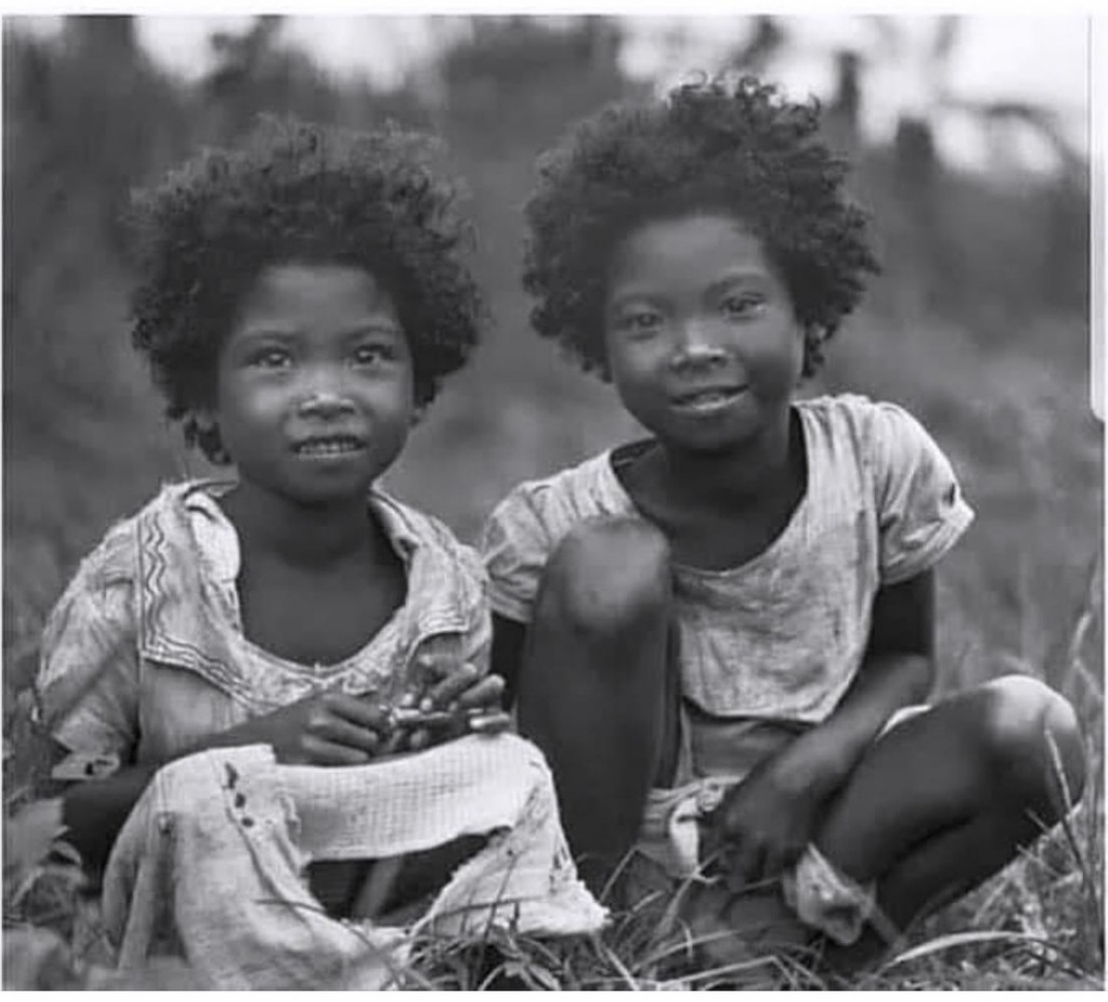
The Aeta, also known as Agta or Ayta, are one of the indigenous peoples of the Philippines and hold the distinction of being among the first inhabitants of the archipelago. Primarily residing in the mountainous regions of Luzon, the largest island in the Philippines, the Aeta people are easily recognizable by their short stature, dark skin, curly hair, and distinct facial features that set them apart from other Filipino ethnicities.
Ancient Roots and Migration
Historians and anthropologists agree that the Aeta migrated to the Philippines from Borneo around 20,000 to 30,000 years ago. They likely crossed using land bridges that existed during the period when sea levels were much lower than today. This migration makes the Aeta one of the earliest, if not the first, inhabitants of the Philippines. Their deep connection to the land is reflected in their traditional hunter-gatherer lifestyle, which has allowed them to thrive for millennia.
Cultural Heritage and Lifestyle
The Aeta are renowned for their skills in jungle survival. Traditionally, they have practiced swidden agriculture, a method of farming that involves rotating plots of land to maintain soil fertility. They are also adept hunters and gatherers, relying on their extensive knowledge of the forest to gather food and medicinal plants. Their craftsmanship in making tools and shelters from natural materials is highly regarded.
Despite facing significant challenges, such as displacement due to deforestation and the catastrophic eruption of Mount Pinatubo in 1991, which devastated many Aeta communities, they have shown remarkable resilience. Efforts have been made to protect their cultural heritage and land rights, and some Aeta communities have become involved in eco-tourism and other initiatives to sustain their way of life.
Language and Traditions
Aeta communities speak various Austronesian languages, with many having their own distinct dialects. This linguistic diversity is a testament to their rich cultural heritage. Their traditional clothing often includes garments made from plant fibers or bark cloth, and Aeta women are known for their intricate beadwork.
Tattooing is another significant cultural practice among the Aeta, serving both aesthetic and spiritual purposes. These tattoos, often applied using thorns or bamboo sticks with ink made from natural ingredients, are symbols of identity and heritage within their communities.
Resilience and Modern Challenges
The Aeta have faced numerous challenges over the centuries, including marginalization and displacement. During Spanish colonial rule and later during the American period, many Aeta communities were forced from their ancestral lands. However, they have managed to preserve their culture and traditions, emphasizing their resilience and adaptability.
In recent years, there have been efforts to protect Aeta rights and cultural heritage through initiatives like the Indigenous People Development Plan. Some Aeta communities have also been involved in eco-tourism, showcasing their traditional skills and knowledge to visitors.
Conclusion
The Aeta people are a testament to the enduring presence and resilience of one of the world’s oldest indigenous groups. Their deep connection to the land, rich cultural heritage, and ability to adapt to changing circumstances highlight their significant role in the history and cultural tapestry of the Philippines. As we continue to learn from and support the Aeta, we honor their place as the first inhabitants of the Philippines and their ongoing contribution to the nation’s diversity.
References:
- Aeta People – Wikipedia. Retrieved from Wikipedia oai_citation:1,Aeta people – Wikipedia.
- Indigenous Peoples of the World — The Aeta. Retrieved from Peoples of the World Foundation oai_citation:2,Indigenous peoples of the world — the Aeta.
- The Aeta and Agta: A History of Semi-Nomadic Tribes in the Philippines. Retrieved from PhilippineOne oai_citation:3,The Aeta and Agta: A History of Semi-Nomadic Tribes in the Philippines – PhilippineOne.
- Rediscovering the Aetas: The First Filipinos and a Vibrant Symbol of Inclusivity in the Philippines. Retrieved from The Philippines Magazine International oai_citation:4,Rediscovering the Aetas: The First Filipinos and a Vibrant Symbol of Inclusivity in the Philippines – The Philippines Magazine International.

