
livity
-
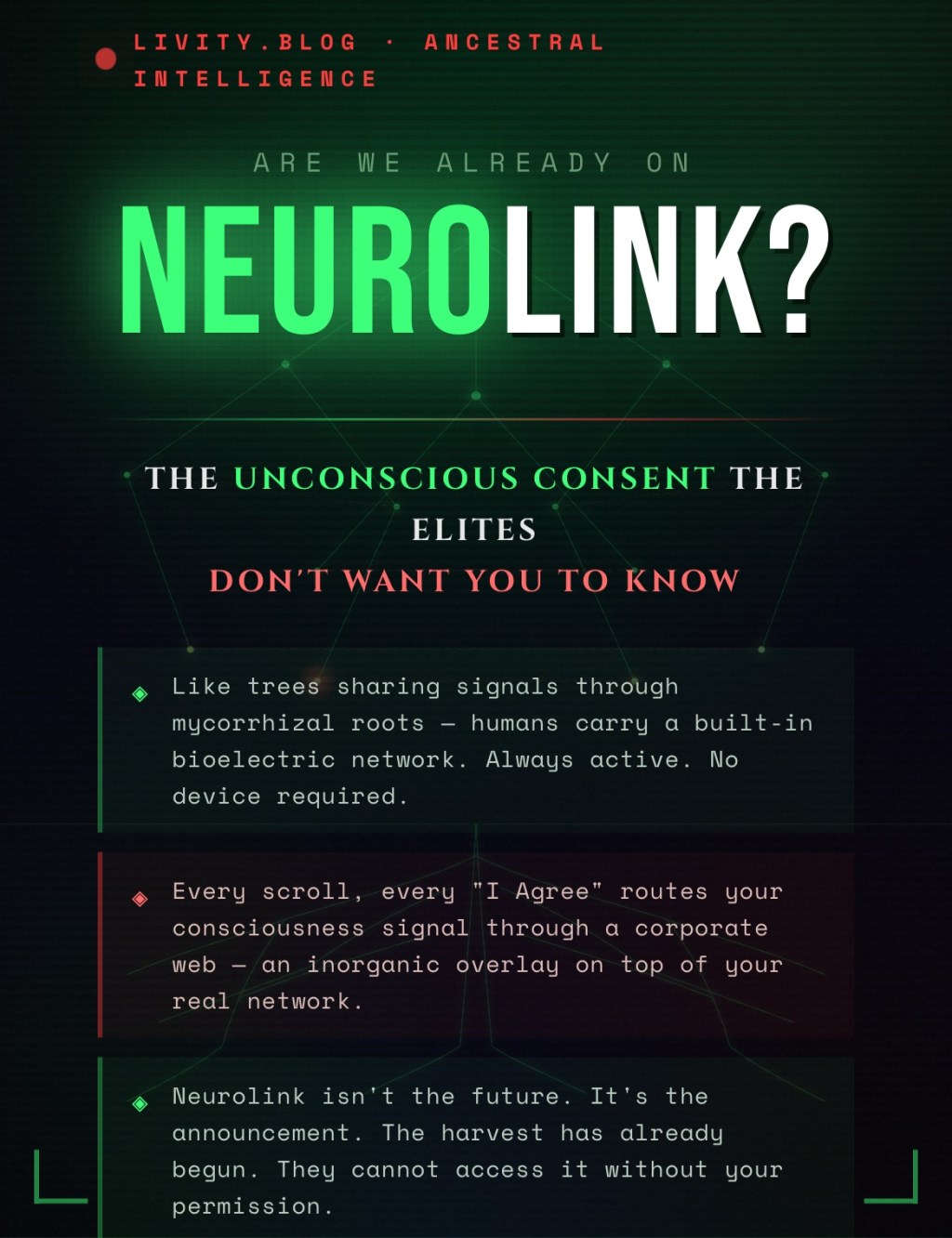
The Root Network Within Us
ANCESTRAL INTELLIGENCE SERIES | LIVITY.BLOG How Trees, Human Consciousness, and the I and I Were Always One Ecosystem — and How the Digital Network Is Harvesting What You Were Never Meant to Give Away Before there were cities, before there were borders, before the word “individual” was invented and installed into the…
-
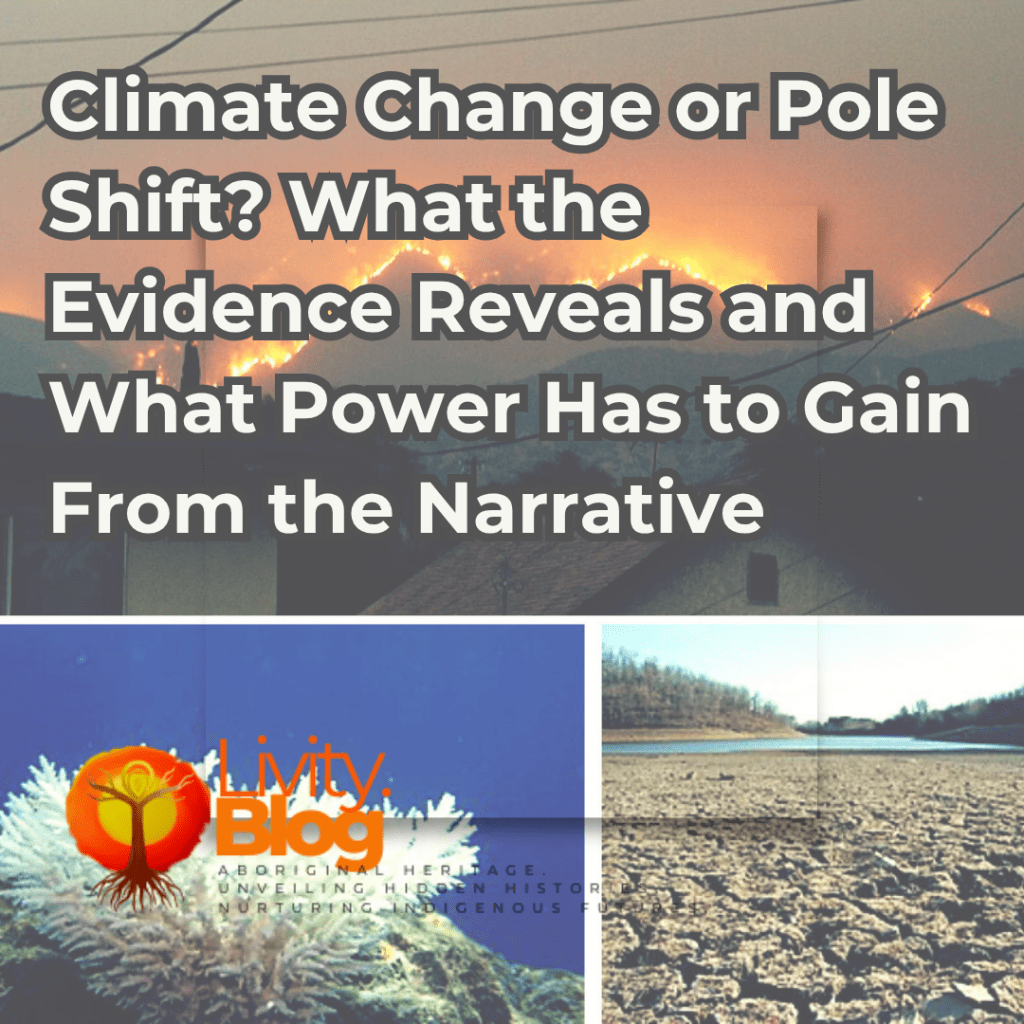
Climate Change or Pole Shift? What the Evidence Reveals — and What Power Has to Gain From the Narrative
A Comparative Analysis for the Culturally Curious and the Politically Awake The Question the Textbooks Don’t Ask We are told with increasing urgency that human carbon emissions are heating the planet to catastrophic levels. Glaciers are retreating, sea levels are rising, weather systems are intensifying, and animals are migrating to regions they have never historically…
-
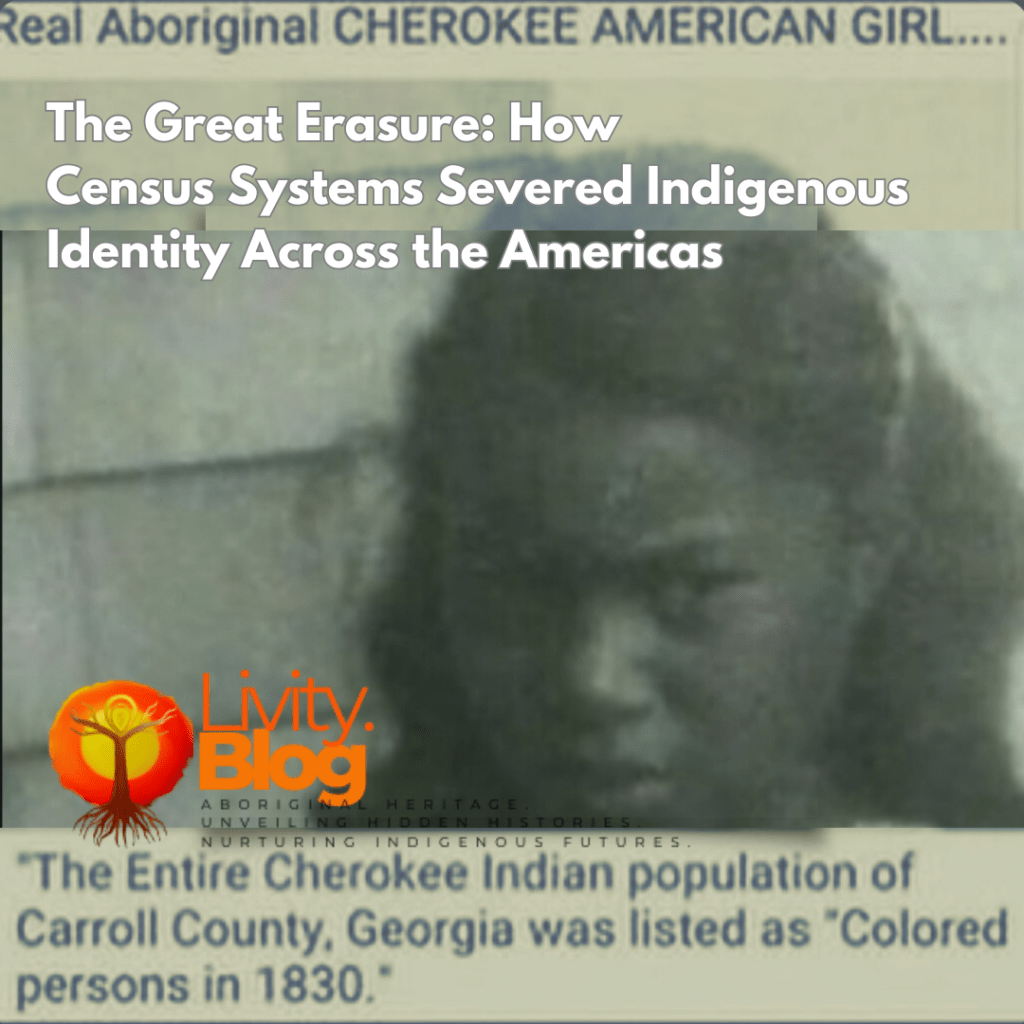
The Great Erasure: How Census Systems Severed Indigenous Identity Across the Americas
The Hidden Story of America’s First Census Cover-Up In the dusty archives of Carroll County, Georgia lies a 1830 census record that reveals one of America’s most systematic acts of bureaucratic erasure. The entire Cherokee Indian population—138 people with names like Pumpkinpile, Raincrow, and Swimmer—were officially classified as “colored persons” rather than as Cherokee Indians.
-

The Billionaire Dream is Dead — and That’s a Good Thing
The post critiques the glorification of billionaires and the detrimental culture it fosters. It advocates for a shift from materialism to community and connection, encouraging individuals to embrace ancestral wisdom and live authentically. The new culture, focused on creativity, integrity, and collective care, calls for reclaiming a meaningful, earth-centered existence.
-

Bougainville: Bamboo Music and Blood-Stained Soil
Bougainville, an island in the Solomon Sea, holds rich ancestral histories amidst struggles for Indigenous sovereignty and cultural preservation. Despite the devastation from colonial exploitation and mining, Bougainvilleans have maintained their identity through traditional music and oral traditions, emphasizing resilience against erasure and advocating for environmental justice. Their story parallels global Indigenous struggles.
-
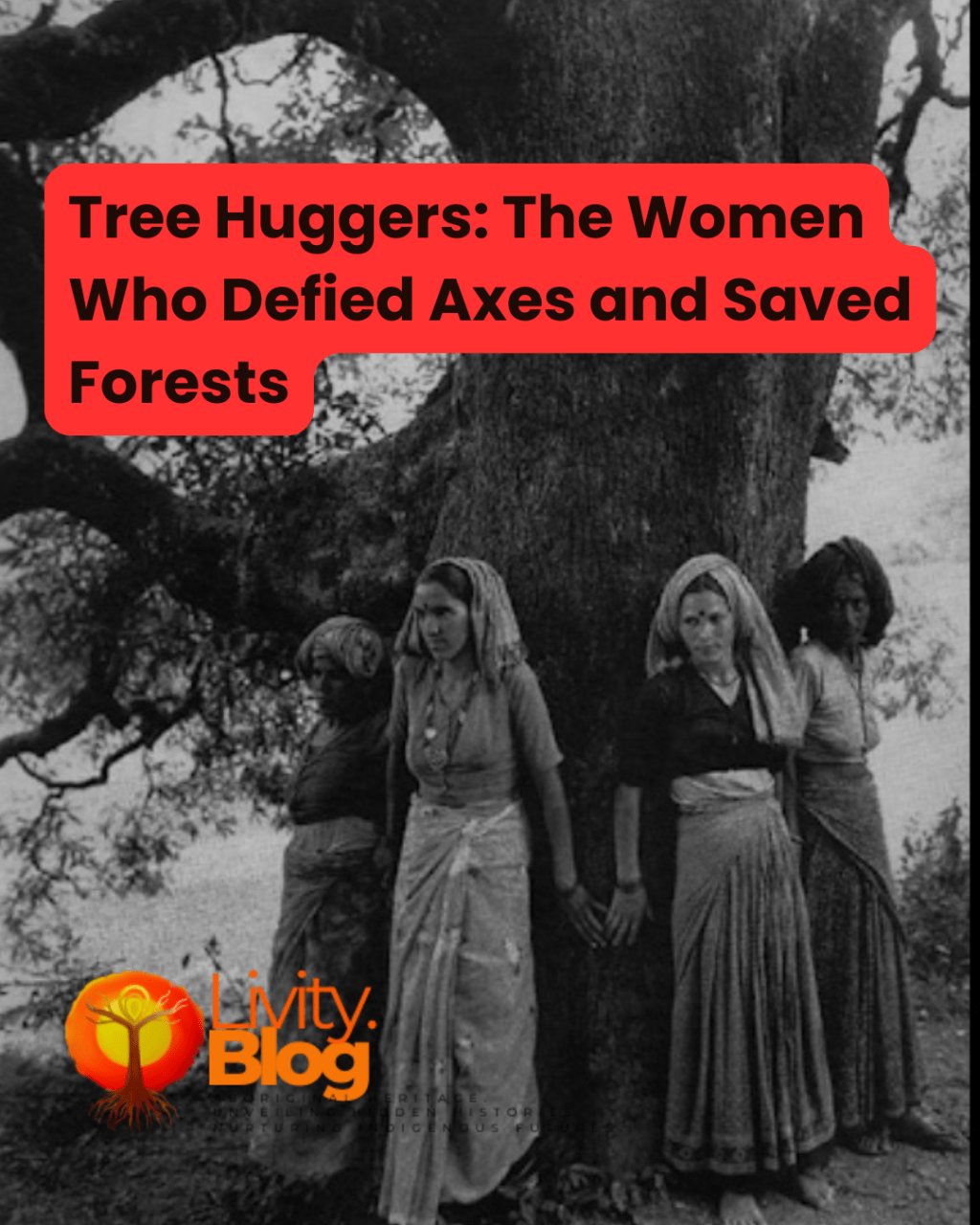
Tree Huggers: The Women Who Defied Axes and Saved Forests
In the 1970s, the Chipko Movement emerged in Uttarakhand, India, as Indigenous women protected forests from logging by physically hugging trees. Led by Gaura Devi, this grassroots, nonviolent resistance highlighted the vital relationship between these women and their environment. Their actions sparked significant policy changes and global ecological movements, showcasing the power of women’s collective…
-

Nanoparticles: The Invisible Threat to Our Environment and Health
Nanoparticles, while beneficial in various industries, pose significant environmental and health risks. They infiltrate air, water, and soil, impacting ecosystems and contributing to disorders like autism and ADHD. With widespread contamination from sources like plastic bottles, the urgency to address nanoparticle exposure through informed choices and advocacy for sustainable practices is critical.
-
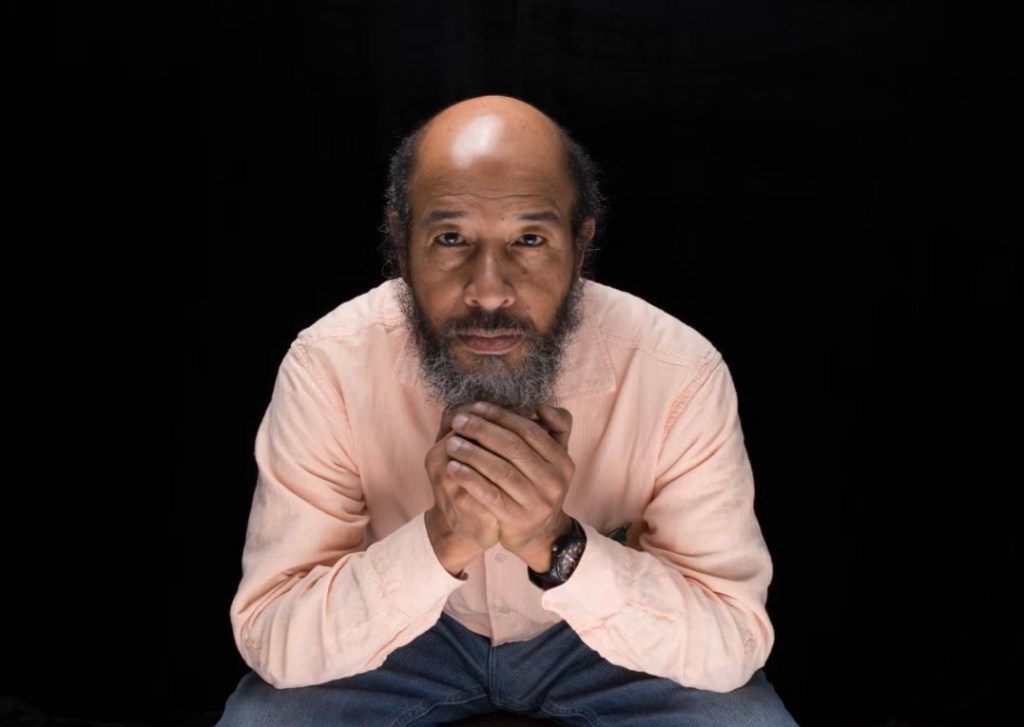
Albert Chong: The Art of Memory, Resistance, and the Spirit of the Ancestors
🔥 Honoring Ancestral Memory: A LIVE Conversation with Albert Chong 🔥 “The easiest form of white supremacy… is exclusion.” – Albert Chong What happens when history erases your ancestors? You reclaim them. Jamaican-born artist Albert Chong has spent his career doing just that—through photography, sculpture, and his powerful Thrones for the Ancestors series, which seats…
-

Tartaria’s Afro-Asiatic Legacy in the Americas: A Forgotten Civilization Suppressed by Colonial Powers
The article discusses Tartaria, a lost Afro-Asiatic civilization potentially spanning Africa, Asia, and the Americas, whose existence was systematically suppressed by European powers. It links the Mound Builders and Washitaw Nation to this history and emphasizes the erasure of their advanced knowledge and technologies, raising questions about colonial narratives.
-
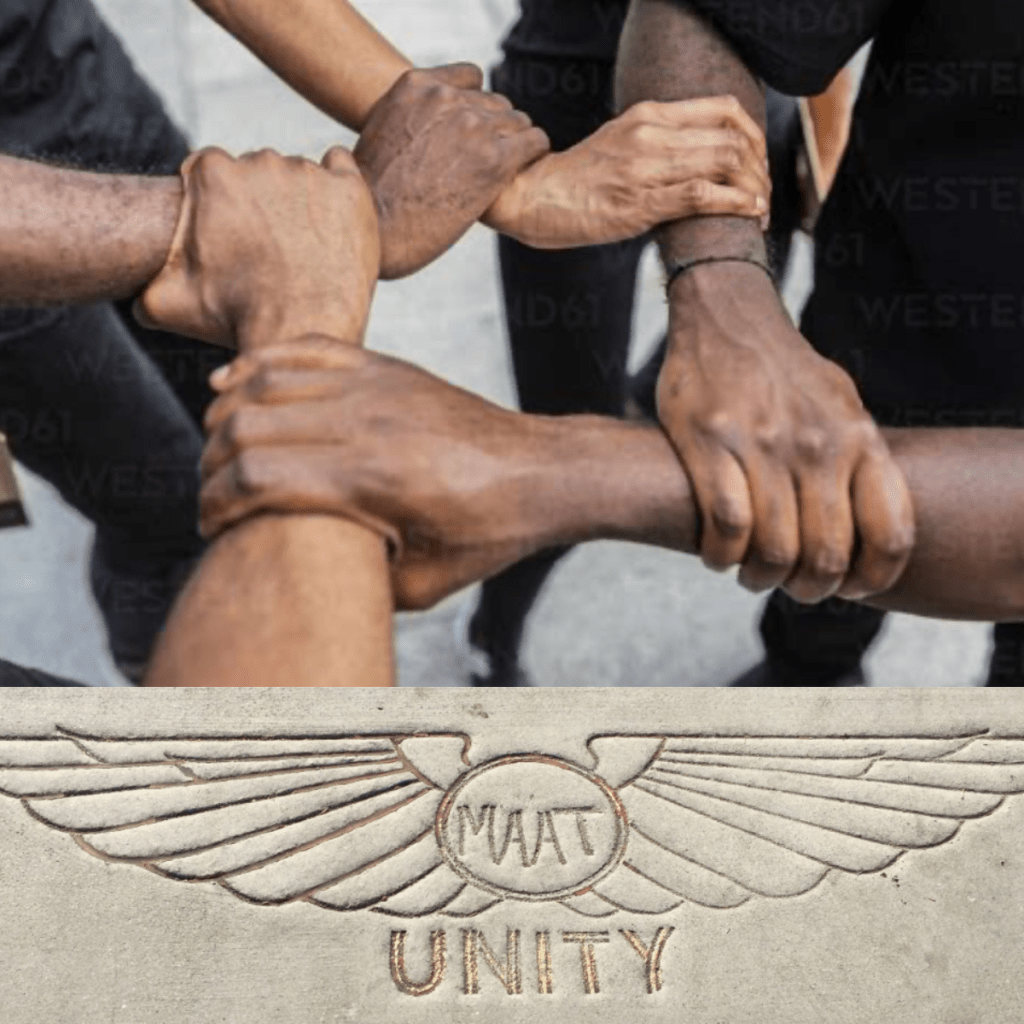
Unity Through Ancestry
Embracing Maat serves as a transformative path toward Black unity and cultural resilience, rooted in ancient wisdom of truth and justice. This approach fosters collective identity, encourages economic empowerment, and promotes community strength against systemic injustice, helping to reclaim ancestral practices while celebrating diversity to navigate contemporary challenges for stronger solidarity and liberation.
 Livity Blog