
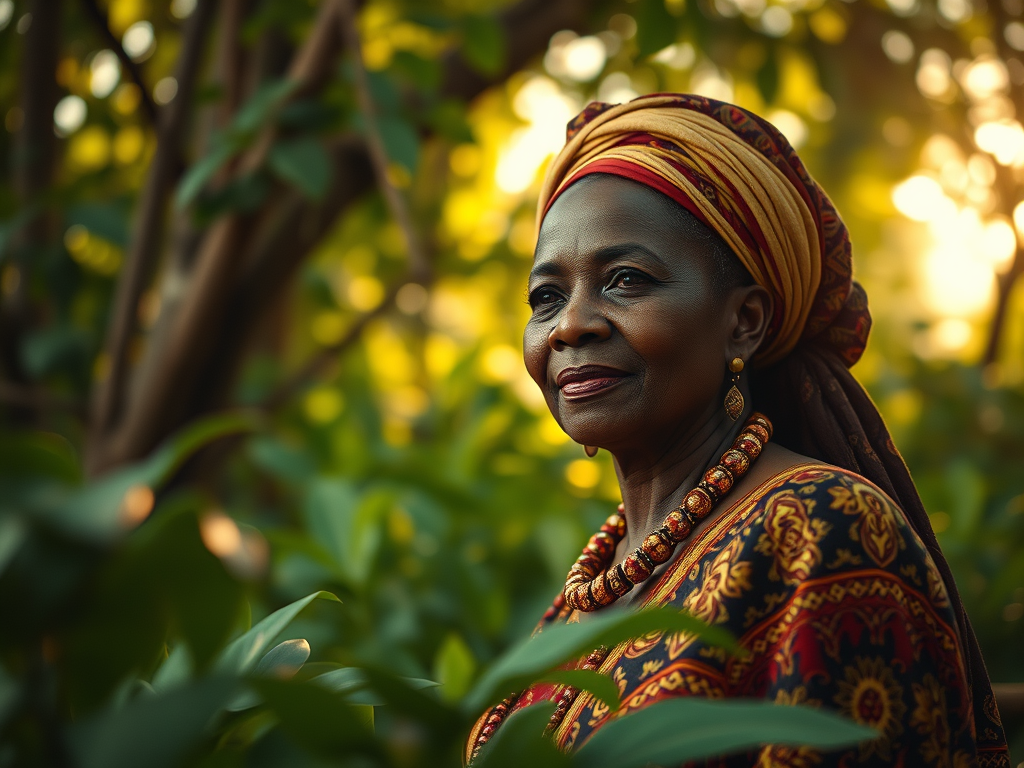
Throughout history, many cultures have embraced matrilineal traditions, where descent, inheritance, and leadership are traced through the mother’s line. This societal structure highlights the importance of women in nurturing and sustaining communities, echoing the principles of Livity—a holistic lifestyle that values harmony with nature, respect for ancestral wisdom, and living in balance. The Akan people of West Africa and other matrilineal societies around the world offer profound insights into how we can integrate these age-old traditions into our modern Livity Living practices.
The Akan People: Guardians of Matrilineal Heritage
The Akan people, predominantly found in Ghana and Ivory Coast, are one of the most well-known matrilineal societies in Africa. In Akan culture, lineage, inheritance, and family roles are passed down through the maternal line, ensuring that women are at the heart of social and familial life. This system is not merely about tracing ancestry—it represents a deeply embedded cultural philosophy that places women as central figures in the preservation and transmission of values, wisdom, and community stability (Oppong, 1973).
In Akan society, the Queen Mother holds significant power, often serving as an advisor to the chief and playing a crucial role in decision-making processes. This respect for female leadership reflects a broader appreciation for the nurturing and guiding roles of women in Akan communities (Busia, 1951). The matrilineal structure of the Akan not only preserves the family lineage but also strengthens communal ties, emphasizing the interconnectedness of family and society.
Global Matrilineal Societies: A Shared Heritage of Nurturing and Balance
Beyond the Akan, many other cultures around the world have matrilineal traditions that align with the principles of Livity. The Minangkabau people of West Sumatra, Indonesia, are the world’s largest matrilineal society, where property and family names are passed down through the female line. Their social system emphasizes cooperation, respect for nature, and communal decision-making, mirroring the values of Livity Living (Sanday, 2002).
Similarly, the Navajo people in the Southwestern United States maintain a matrilineal clan system where women play key roles in family and cultural preservation. Navajo traditions honor women as the keepers of the home, land, and spiritual teachings, ensuring that the community remains connected to its ancestral roots and the natural world (Denetdale, 2007). These matrilineal practices reflect a deep respect for the feminine principle, seen as vital to the well-being of the entire community.
Connecting Matrilineal Traditions to Livity Living
Livity Living embodies a lifestyle that values holistic wellness, connection to nature, and respect for ancestral wisdom. Matrilineal societies like the Akan, Minangkabau, and Navajo provide a living example of these principles in action. By centering women in their social structures, these cultures highlight the nurturing, protective, and guiding roles that align with Livity’s core values.
Matrilineal traditions teach us that communities thrive when they honor the feminine energy—an essential aspect of Livity. This is not just about gender roles; it’s about recognizing the importance of nurturing, cooperation, and balance in all aspects of life. The concept of Livity encourages us to embrace these values, fostering a sense of unity and respect within our families and communities.
Incorporating matrilineal wisdom into modern Livity practices can involve simple, mindful changes: prioritizing family gatherings, supporting women in leadership roles, and creating spaces for communal decision-making. It’s about reconnecting with the natural rhythms of life, just as matrilineal societies have done for centuries.
Living with Livity: Embracing Matrilineal Values Today
In today’s fast-paced world, embracing matrilineal values means more than just honoring our mothers and grandmothers—it’s about fostering a lifestyle that values connection, community, and care. It’s about creating environments where families can come together, share fresh and healthy foods, and support one another, much like the communal practices of matrilineal societies.
Livity Living invites us to draw from these ancient traditions, recognizing that true wellness comes from nurturing our connections to each other and to the earth. By embracing the matrilineal principles of balance, respect, and care, we can cultivate a life that honors the past while nurturing the spirits of future generations.
References
- Busia, K. A. (1951). The Position of the Chief in the Modern Political System of Ashanti. London: Oxford University Press.
- Denetdale, J. N. (2007). Reclaiming Diné History: The Legacies of Navajo Chief Manuelito and Juanita. University of Arizona Press.
- Oppong, C. (1973). Growing Up in Dagbon. Accra: Ghana Publishing Corporation.
- Sanday, P. R. (2002). Women at the Center: Life in a Modern Matriarchy. Cornell University Press.
🌿 Rooted in Culture, Nurturing Spirits 🌿
Feel free to share this article, engage with the wisdom of our ancestors, and join the journey of Livity Living!
#AkanPeople #MatrilinealSocieties #LivityLiving #CulturalWisdom #HolisticLiving #AncestralWisdom #SustainableLiving #CommunityCare #SpiritualWellness
