
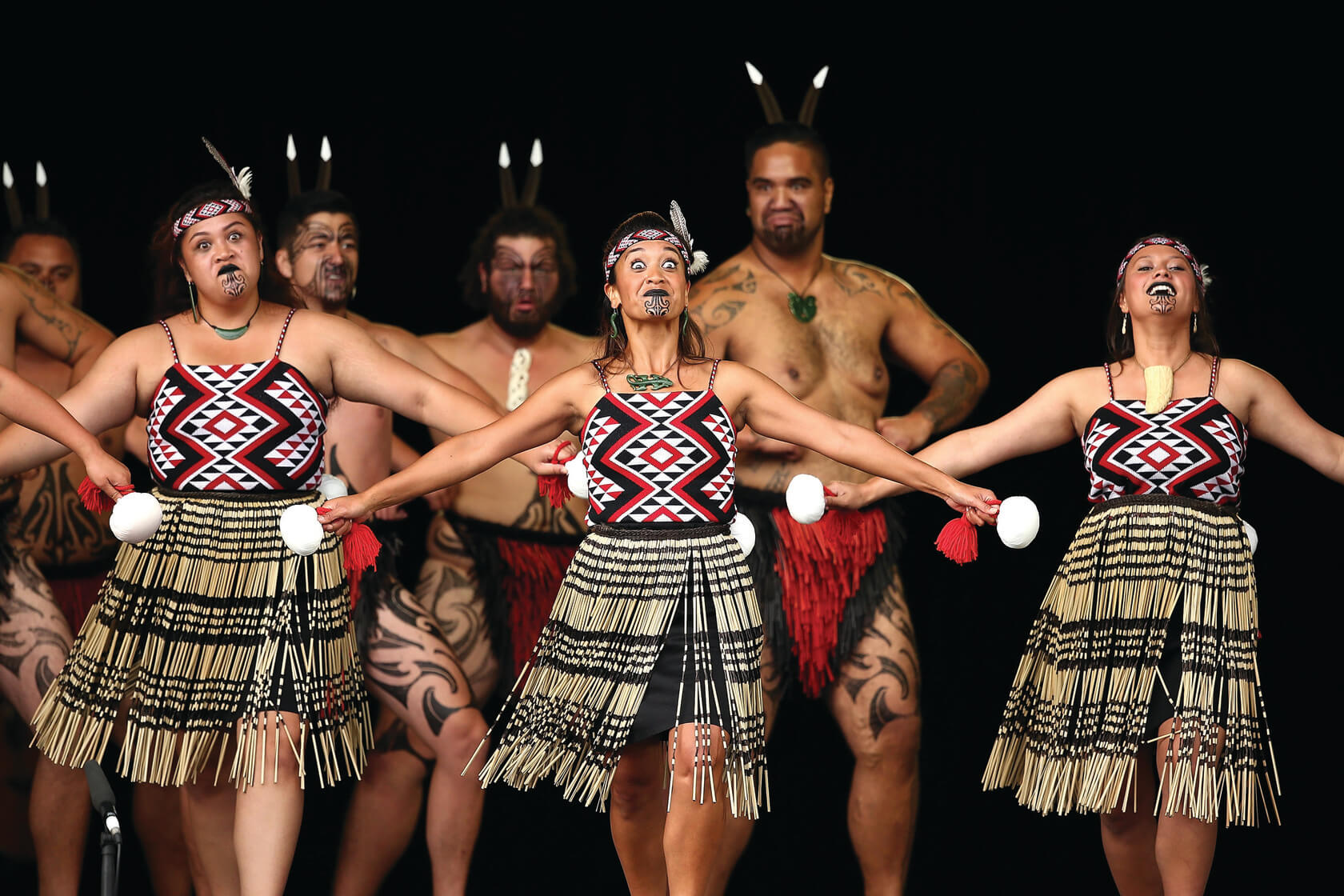
photo credit: The Haka Poetry in Motion, current.seabourn.com
The fusion of art and dance offers a captivating glimpse into the intertwining of movement and creativity, where indigenous dance serves as a profound source of spiritual inspiration for artists worldwide. Often overlooked, the power of dance transcends mere physicality, channeling spiritual energy that flows seamlessly into artistic creations. From the rhythmic beats of Ethiopian and Caribbean traditions to the soulful expressions found in African, Irish, and Greek dances, there’s a rich tapestry of cultural heritage that echoes through the vibrant strokes of paint and clay. By exploring these dances, artists and enthusiasts alike find themselves empowered and connected, drawing on the spiritual depth of Sufi whirling, Hindu rituals, and the meditative grace of Buddhism. Join us as we delve into how these dynamic expressions inspire art that not only captivates the eye but also speaks to the soul, encouraging a deeper appreciation for eco-friendly and culturally inspired creations.
The Intersection of Dance and Art
Spiritual Energy Through Movement
In the realm of indigenous dance, movement isn’t just a sequence of steps; it’s a conduit for spiritual energy. For centuries, cultures around the globe have used dance as a form of worship and meditation, channeling emotions and spirituality into physical expression. This energy is evident in the Sufi whirling dervishes, whose spinning dance embodies a spiritual journey. Similarly, Hindu dance forms like Kathak combine storytelling with profound spiritual symbolism, captivating audiences and inspiring artists. Such dynamic expressions create a bridge between the dancer and the divine, a theme that resonates deeply in artistic creations. When artists interpret these movements, they capture the dance’s essence, infusing their work with a sense of transcendence and spirituality. This intersection of dance and art not only enriches the artists’ creations but also invites viewers to experience a deeper, spiritual connection.
Dance Influences in Artistic Expression
Dance profoundly influences artistic expression by transforming movement into visual art. Artists draw inspiration from the fluidity and rhythm of dances like the Ethiopian eskista or Caribbean limbo. These movements, rich in cultural heritage, offer a unique perspective that artists translate onto canvas or into sculpture. The vibrant energy of African dances often finds its way into bold, sweeping brush strokes, while the intricate footwork of Irish step dancing inspires detailed, rhythmic patterns in design. Greek dances, with their historical and narrative depth, encourage artists to explore themes of mythology and history. This fusion enriches the art, providing viewers with a dynamic visual experience that evokes the same emotions as dance. By incorporating these influences, artists not only honor the cultural significance of these dances but also create pieces that speak to the universal language of movement and emotion.

Photo Credit: walmarksafarisrwanda.com
Cultural Dance as Artistic Inspiration
Cultural dances serve as a rich wellspring of artistic inspiration, offering a unique lens through which artists can explore and express cultural narratives. The expressive gestures of traditional dances, like those seen in indigenous communities, provide a window into the history and values of a culture. For instance, the vibrant costumes and energetic movements of Caribbean dances celebrate life and community, inspiring artists to capture this exuberance in vivid colors and dynamic compositions. Meanwhile, the precise, storytelling techniques of African and Greek dances offer narrative depth that artists can translate into visual storytelling. By drawing on these cultural motifs, artists create works that not only pay homage to these traditions but also invite viewers to engage with the cultural stories behind each dance. This intersection fosters a broader appreciation for cultural diversity and the shared human experience.

Photo credit: pxhere.com
Indigenous Dance Traditions
Ethiopian and Caribbean Heritage
Ethiopian and Caribbean dance traditions offer a vibrant tapestry of cultural heritage, deeply rooted in history and community. Ethiopian dance, with its distinctive rhythm and shoulder movements, reflects the diverse ethnic groups within the country, each with its unique style. These dances often accompany traditional ceremonies and festivities, serving as a vital form of cultural expression. Similarly, Caribbean dance is a celebration of life, heavily influenced by the region’s African, European, and indigenous ancestry. Styles like reggae and calypso dance not only entertain but also tell stories of resilience and cultural fusion. Artists drawing inspiration from these traditions channel their rhythmic and narrative richness into their work, creating pieces that resonate with both cultural significance and universal themes of joy and unity. By embracing these influences, artists contribute to preserving and celebrating these dynamic cultural heritages in a global context.

Photo Credit: trinityirishdance.com
African and Irish Ceremonial Movements
African and Irish dance traditions are rich in ceremonial significance, offering insight into their respective cultures’ spiritual and communal practices. African dances are often deeply intertwined with rituals and celebrations, featuring dynamic movements that symbolize various aspects of life, such as fertility, harvest, and rites of passage. These dances, whether done in groups or solo, are characterized by their rhythmic intensity and intricate footwork, reflecting the community’s unity and diversity. In contrast, Irish dance is renowned for its precision and formality, seen in performances like the céilí and step dances, which often accompany festivals and social gatherings. These dances celebrate cultural heritage and community spirit through their structured yet lively performances. Artists inspired by these ceremonial movements often translate the energy and symbolism into their work, capturing the essence of celebration, identity, and cultural pride. By doing so, they not only preserve these vibrant traditions but also make them accessible to a broader audience.
Greek and Sufi Ritual Dances
Greek and Sufi ritual dances offer profound insights into the spiritual and philosophical lives of their practitioners. Greek dances, such as the kalamatianos and syrtos, are rooted in ancient traditions and often performed during religious festivals and communal gatherings. These dances, with their circular formations and synchronized steps, symbolize unity and continuity, reflecting the cultural emphasis on community and historical continuity. On the other hand, Sufi ritual dances, most notably the whirling dervishes, embody a spiritual practice aimed at achieving divine connection through repetitive, meditative spinning. This form of dance is an expression of Sufi mysticism, seeking to transcend the physical realm to reach a higher state of consciousness. Artists inspired by these ritual dances often explore themes of unity, spirituality, and transcendence in their work, creating art that resonates with these deep cultural and spiritual practices. This fusion not only honors the traditions but also invites viewers to engage with the spiritual essence behind the movements.
Celebrating Indigenous Dance Traditions
Native American Dance and Art
Native American dance traditions hold deep spiritual and cultural significance, often serving as a living narrative of indigenous history and beliefs. These dances are not merely performances but profound rituals that convey stories, celebrate the earth, and honor ancestors. The intricate footwork and dynamic body movements of dances like the Powwow or the Sun Dance are not only visually captivating but also embody the spiritual essence of indigenous communities.
Artists inspired by these dances find a rich source of creative energy in their rhythms and symbolism. The Powwow, for example, is a vibrant gathering featuring elaborate regalia and communal dances, celebrating unity and identity among various tribes. This energy translates into art through bold, colorful patterns and motifs that reflect the communal spirit and connection to nature integral to indigenous life.
The Spiritual Essence of Maori Haka
The Maori Haka is another indigenous dance form that has influenced spiritual art profoundly. Originally a traditional war dance of New Zealand’s Maori people, it has evolved to express collective identity, strength, and social unity. The Haka’s powerful movements, chanting, and expressions convey intense emotion and respect, serving both celebratory and ceremonial purposes.
Artists drawing from the Haka capture its raw energy and cultural depth, often incorporating its dynamic and bold gestures into visual art forms. This influence is seen in pieces that emphasize strength, community, and resilience, resonating with the spiritual undertones of the Haka. Such artwork not only pays homage to this unique tradition but also invites engagement with its powerful cultural narrative.
Inuit Dance: A Celebration of Life and Nature
Inuit dance, deeply rooted in the Arctic indigenous cultures of North America, blends storytelling with movement to reflect themes of survival, nature, and community. These dances often accompany drumming and chanting, imitating the movements of animals and the forces of nature that play crucial roles in Inuit life.
The organic and fluid nature of Inuit dance has inspired artists to explore themes of harmony with the natural world, embodying the interconnectedness of all living things. Artistic interpretations often incorporate elements such as flowing lines and natural materials, capturing the simplicity and profound spiritual connection to the earth that characterizes Inuit culture.
By exploring these indigenous dance traditions, artists and audiences alike can deepen their understanding and appreciation of the cultural narratives and spiritual insights they offer. Through this fusion of dance and art, we celebrate the diversity and richness of indigenous heritage, creating a bridge that honors and preserves these timeless traditions for future generations.
Artistry in Spiritual Practices
Hindu and Buddhist Symbolism
Hindu and Buddhist traditions are rich with symbolic dances that express spiritual beliefs and narratives. Hindu dance forms, such as Bharatanatyam and Kathak, are deeply embedded with religious significance, using intricate gestures and expressions to narrate stories from sacred texts. These dances incorporate mudras, or symbolic hand gestures, which convey complex spiritual concepts and emotions. Each movement is a metaphor, representing aspects of the divine and the universe, allowing dancers to embody the stories and teachings they convey. In Buddhism, dance often serves as a meditative practice, focusing on inner peace and enlightenment. The Cham dance, for example, is a Tibetan Buddhist ritual that symbolizes the triumph of good over evil, performed during religious festivals. Artists inspired by these traditions often infuse their work with the profound symbolism and spiritual depth found in these dances, creating pieces that resonate with themes of peace, enlightenment, and divine connection. This artistic expression serves as a cultural bridge, inviting deeper understanding and appreciation.

Photo Credit: KATHAK- UTTAR PRADESH, upscjobsdesire.blogspot.com
Storytelling Through Dance-Inspired Art
Dance has long been a medium for storytelling, and when this is translated into art, it creates a captivating narrative form that resonates on multiple levels. Artists who draw inspiration from dance often capture the movement and emotion of the story, using visual elements to convey the narrative’s essence. The fluidity and expressiveness found in dances like the Hindu Bharatanatyam or the African ritual dances provide rich material for artists to explore themes of mythology, history, and personal journeys. Through brush strokes, sculpture, and other media, these narratives are given a new dimension, inviting viewers to engage with the story on a visual and emotional level. This form of art not only preserves the cultural stories inherent in the dance but also transforms them, allowing for new interpretations and emotional connections. By weaving these narratives into their work, artists bridge the gap between traditional storytelling and contemporary artistic expression, fostering a deeper cultural appreciation.
Testimonials: Creating Culturally Rich Art
Artists and enthusiasts from around the world have shared their experiences in creating culturally rich art inspired by indigenous dance traditions. One artist, inspired by the dynamic movements of Ethiopian dance, noted, “Translating the rhythm and spirit of these dances onto canvas allowed me to connect with the culture on a deeper level, expressing emotions that words couldn’t capture.” Another artist, whose work is deeply influenced by Caribbean dance, mentioned, “The vibrant energy and stories behind the dances brought my artwork to life, making it not only visually striking but also emotionally resonant.” These testimonials highlight the profound impact that culturally rich dances have on artistic expression, fostering a deeper appreciation for the traditions they represent. For eco-conscious consumers and art enthusiasts, such artworks offer a meaningful connection to diverse cultural heritages, inviting them to explore and celebrate the rich narratives embodied within each piece. By sharing these stories, artists advocate for cultural preservation and appreciation.
What makes these traditions particularly special is their ability to transcend time and space, allowing individuals to experience a deeper connection to their spirituality through both movement and art. The spiritual energy that flows through these dances finds its way into visual art, where artists can capture the rhythm, grace, and sacredness of these traditions in every brushstroke or line.
By understanding how indigenous and traditional dance influences spiritual art, we gain insight into the profound relationship between body, soul, and the divine.
- For further reading on the traditions mentioned:
- Lawler, Lillian. “The Dance in Ancient Greece.” American Journal of Archaeology, vol. 50, no. 1, 1946, pp. 93-105.piece. By sharing these stories, artists advocate for cultural preservation and appreciation.
- Schimmel, Annemarie. Mystical Dimensions of Islam. Chapel Hill: University of North Carolina Press, 1975.
- Levine, Donald N. Wax and Gold: Tradition and Innovation in Ethiopian Culture. University of Chicago Press, 1965.
- Daniel, Yvonne. Dancing Wisdom: Embodied Knowledge in Haitian Vodou, Cuban Yoruba, and Bahian Candomblé. Urbana: University of Illinois Press, 2005.
- Kersenboom, Saskia. Nityasumangali: Devadasi Tradition in South India. Delhi: Motilal Banarsidass, 1987.
- Samuel, Geoffrey. Tantric Revisionings: New Understandings of Tibetan Buddhism and Indian Religion. New York: Routledge, 2005.
- Whelan, Bernadette. The Tradition of Irish Step Dancing. Dublin: Mercier Press, 1998.
