
caribbean
-
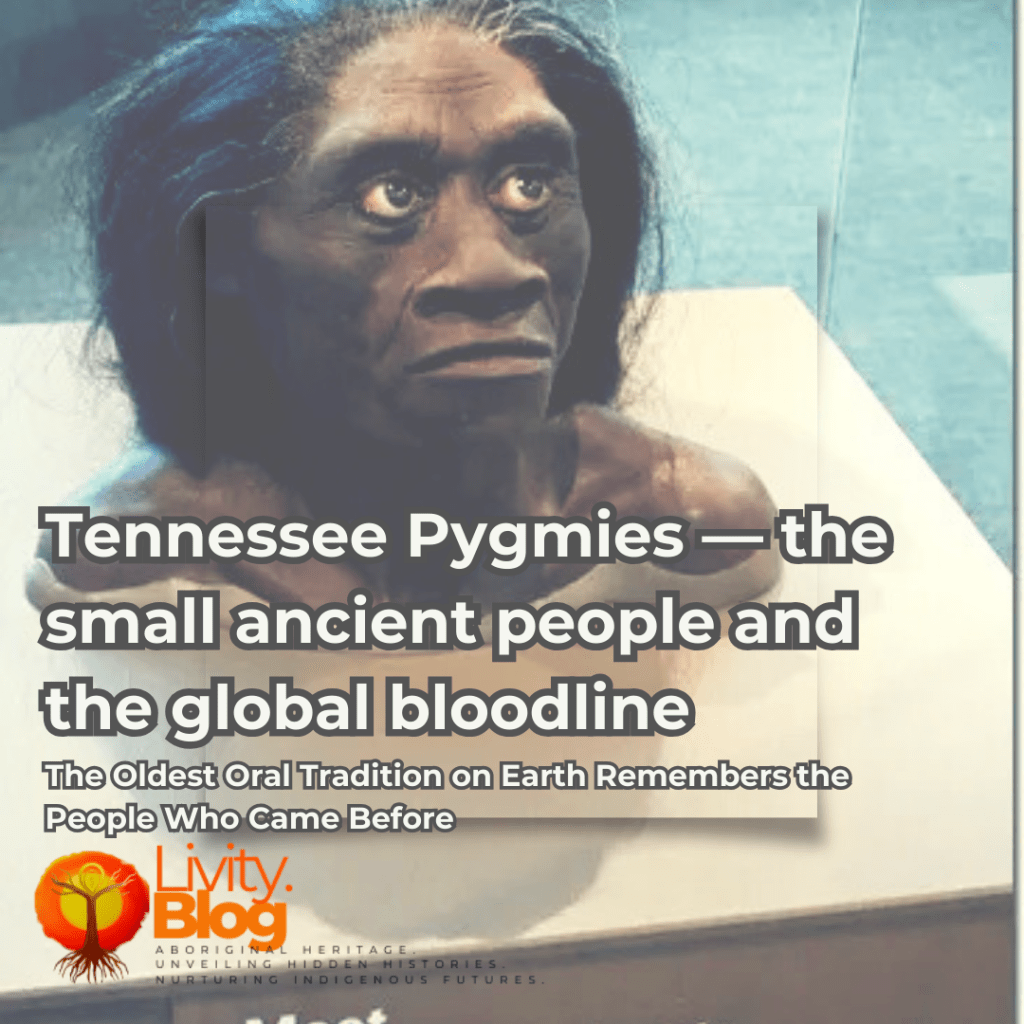
Before the Cherokee, Before the Mound Builders, Before the Dreamtime: The Small Ancient People Who Were There First
The article discusses the discovery of burial sites in Tennessee, Ohio, and Wyoming containing numerous small adult skeletons, suggesting a previously unknown ancient culture. These findings challenge mainstream narratives of Indigenous history and connect these populations to modern descendants in the Amazon and Southeast Asia, revealing a suppressed origin story linked to broader global genetic…
-
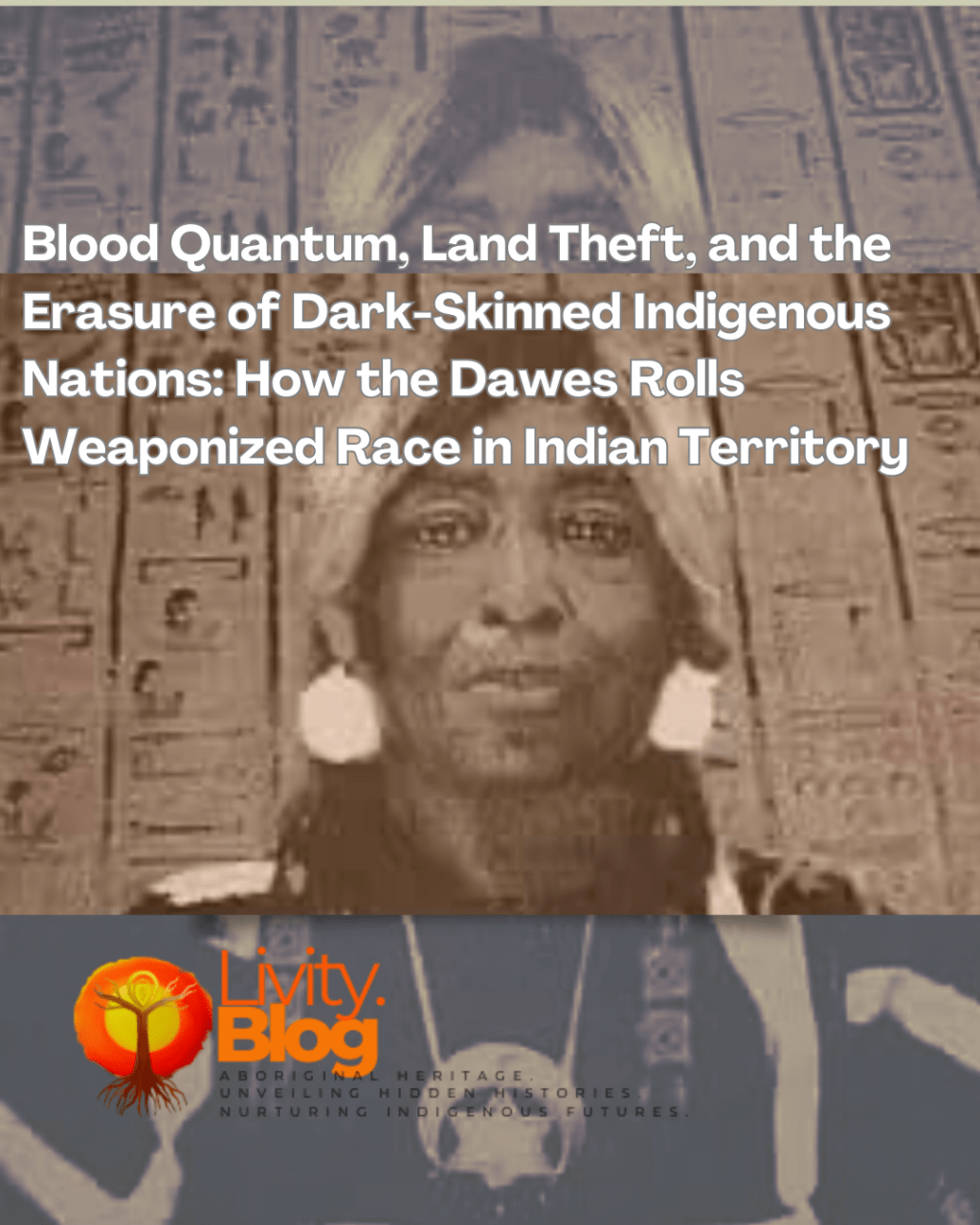
They Weren’t Freed—They Were Reclassified: How Freedmen Lost Their Land Through Paperwork
The article discusses the historical and ongoing dispossession of dark-skinned Indigenous nations in Oklahoma, primarily through the Dawes Rolls, which redefined racial categories and erased complex ancestries. It details how these mechanisms fragmented Indigenous identities, denied land rights, and continue to influence contemporary sovereignty struggles among the Freedmen, Washitaw, Muur, and Creole nations.
-
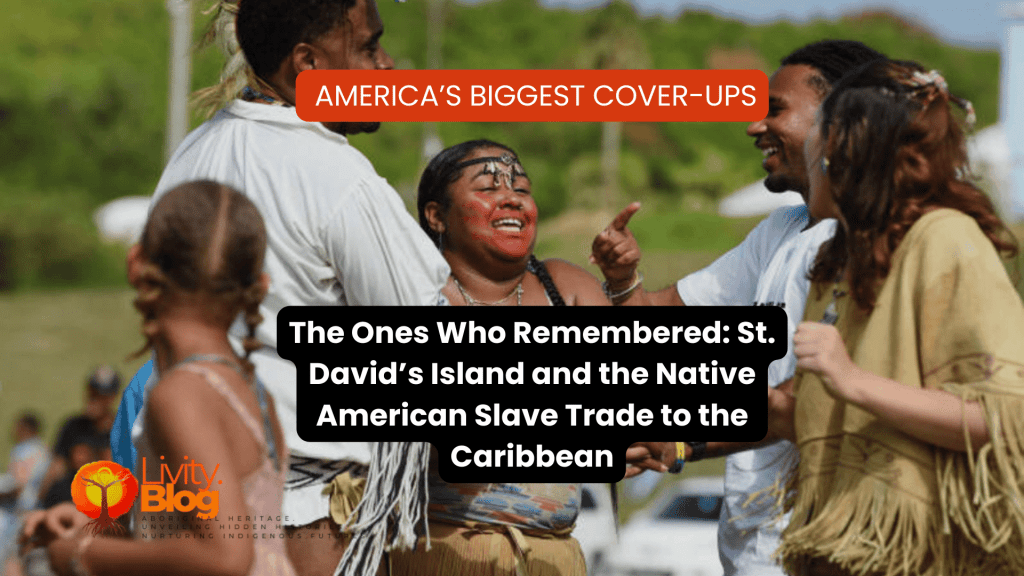
The Ones Who Remembered: St. David’s Island and the Native American Slave Trade to the Caribbean
St. David’s Island is a bridge. Between the Northeastern tribes and the Caribbean. Between the past and the present. Between extinction and survival. And if they survived in Bermuda— If they held the memory for three hundred and fifty years— If they came back from the dead according to colonial records— Then ask yourself: How…
-
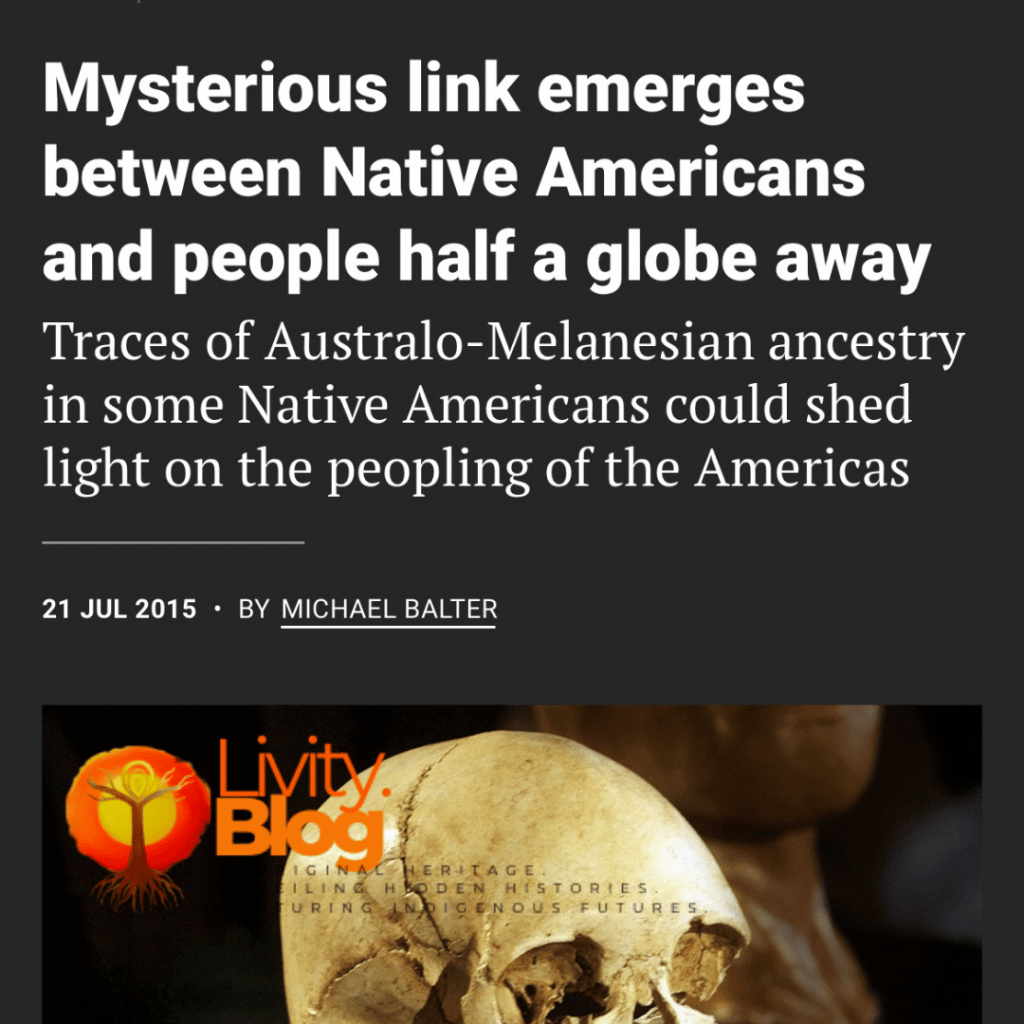
Population Y: The Melanesian Ancestors Who Cross the Ocean in Our Blood
These were the original navigators. The star readers. The ocean whisperers. Black and brown tribes who built civilizations before colonization tried to erase us from history. Read more at Livity.Blog
-
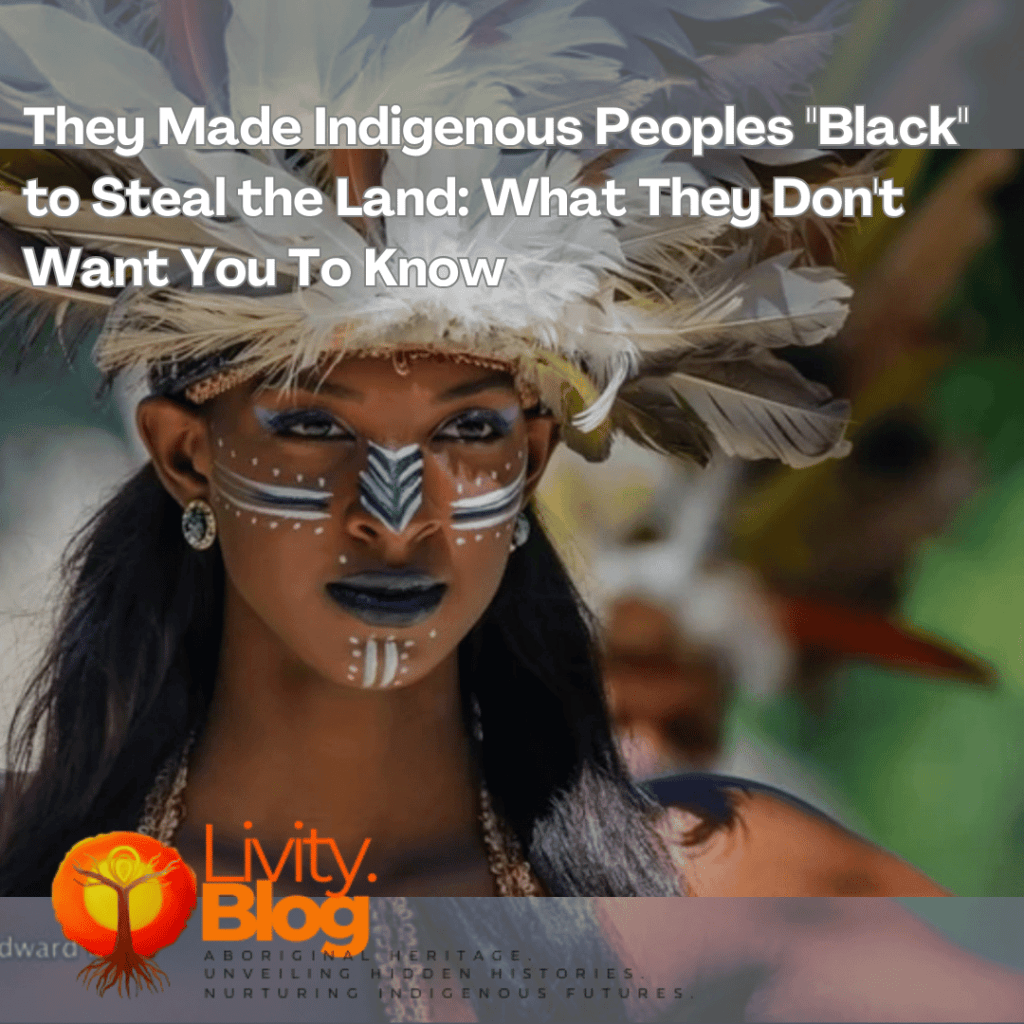
They Made Indigenous Peoples “Black” to Steal the Land
Before colonizers arrived, North America had sophisticated civilizations that built structures rivaling Egypt’s pyramids. Cahokia, near present-day St. Louis, had 20,000 people—larger than London at the time… Historical accounts describe diverse Indigenous populations, including dark-skinned peoples who built these civilizations. The Kaw people of Kansas were described as having skin “as black as Negros.” Various…
-
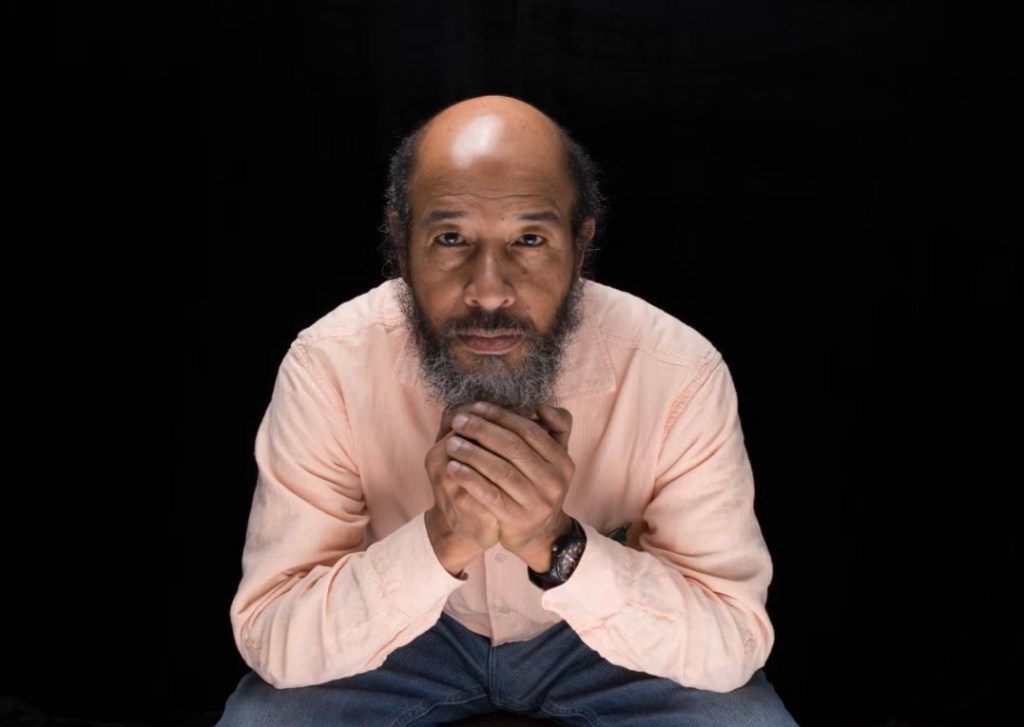
Albert Chong: The Art of Memory, Resistance, and the Spirit of the Ancestors
🔥 Honoring Ancestral Memory: A LIVE Conversation with Albert Chong 🔥 “The easiest form of white supremacy… is exclusion.” – Albert Chong What happens when history erases your ancestors? You reclaim them. Jamaican-born artist Albert Chong has spent his career doing just that—through photography, sculpture, and his powerful Thrones for the Ancestors series, which seats…
-
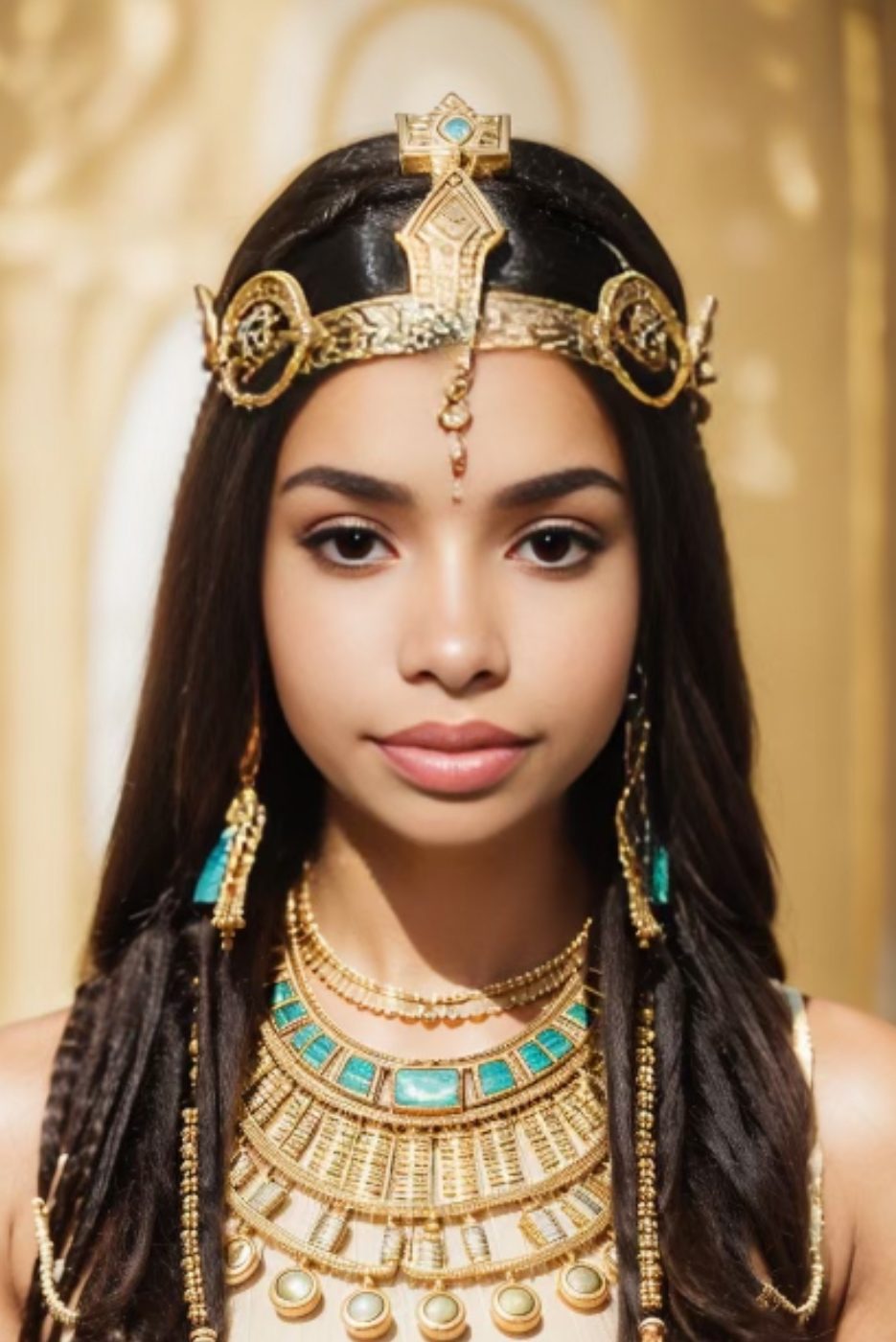
Tartaria’s Afro-Asiatic Legacy in the Americas: A Forgotten Civilization Suppressed by Colonial Powers
The article discusses Tartaria, a lost Afro-Asiatic civilization potentially spanning Africa, Asia, and the Americas, whose existence was systematically suppressed by European powers. It links the Mound Builders and Washitaw Nation to this history and emphasizes the erasure of their advanced knowledge and technologies, raising questions about colonial narratives.
-
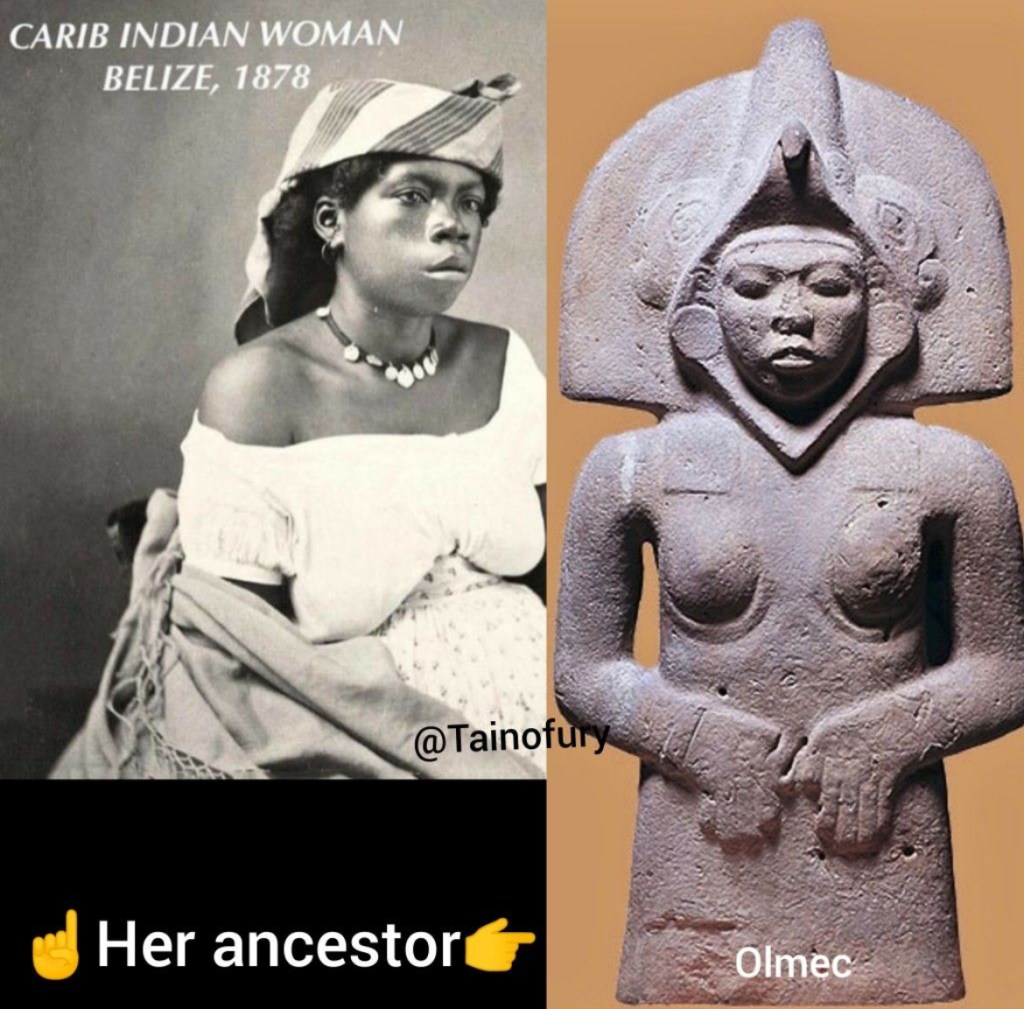
Bridging Worlds: The Olmec and Mayan Connection to Egyptian Knowledge
The Olmec, Mayan, and ancient Egyptian civilizations showcase remarkable ingenuity and spiritual depth, marked by parallels in hieroglyphics, astronomy, and technology. Both cultures developed sophisticated communication and architectural skills and shared a profound connection with the cosmos. Theories of transoceanic contact or shared human consciousness suggest intriguing links between them.
-
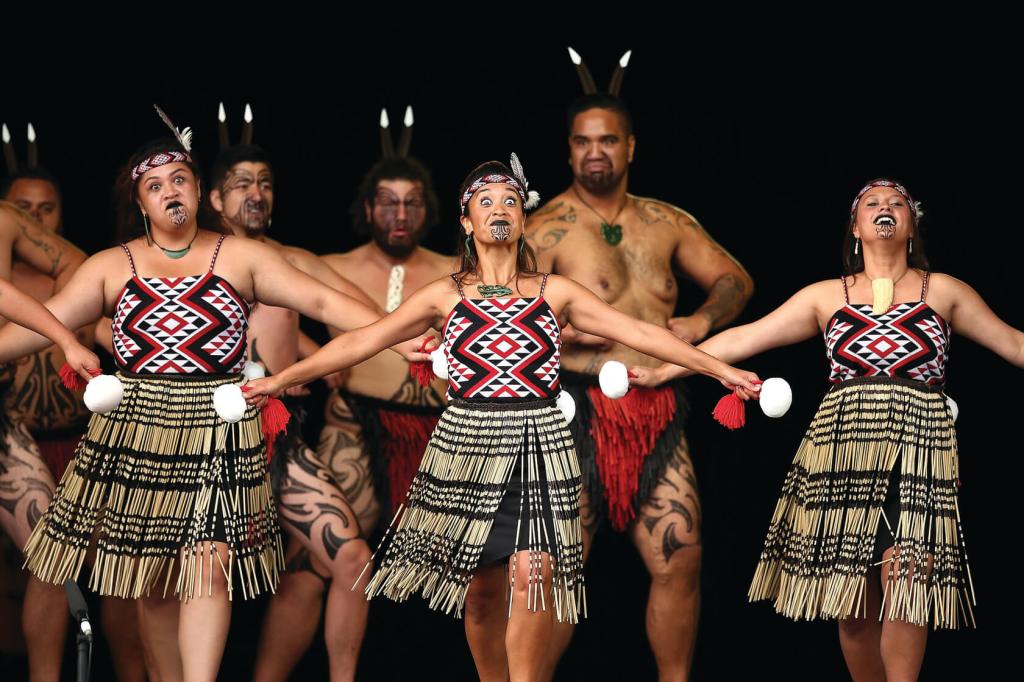
Fusing Art and Dance: How Indigenous Dance Inspires Spiritual Art
The content explores the profound intersection of indigenous dance and art, illustrating how movement serves as a spiritual conduit for artists worldwide. Dance traditions, including Ethiopian, Caribbean, African, and Irish styles, influence artistic expression by infusing artworks with cultural narratives and emotional depth. Artists draw upon these traditions to celebrate heritage, spirituality, and community unity,…
 Livity Blog