
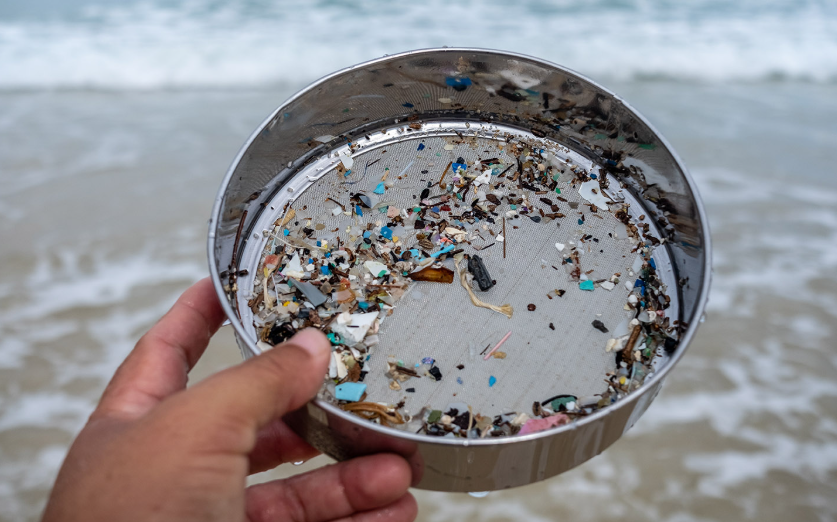
From the air we breathe to the water we drink, nanoparticles have silently infiltrated every aspect of modern life. While hailed for their innovations in medicine, technology, and consumer goods, these microscopic particles pose significant concerns for both environmental sustainability and human health. Recent studies suggest that nanoparticles may contribute to neurodevelopmental disorders such as autism and ADHD, raising urgent questions about their long-term impacts. In this installment of Tree of Life Art’s Environment and Nature Series, we uncover the hidden dangers of nanoparticles and explore what we can do to protect ourselves and our planet.
What Are Nanoparticles?
Nanoparticles are particles so tiny—measuring between 1 and 100 nanometers—that they can easily penetrate biological and environmental systems. They are widely used in various industries, from cosmetics and food packaging to pharmaceuticals and electronics. Due to their minuscule size, nanoparticles behave differently than larger particles, making them highly reactive and capable of crossing biological barriers, including the blood-brain barrier.
How Nanoparticles Harm the Environment
Nanoparticles have been found in soil, water, and air, affecting ecosystems in unpredictable ways:
- Air Pollution: Engineered nanoparticles from industrial processes, vehicle emissions, and consumer products contribute to air pollution, leading to respiratory issues and increased oxidative stress in organisms.
- Water Contamination: Nanoparticles from sunscreens, cosmetics, and wastewater treatment plants enter water systems, affecting aquatic life and disrupting ecosystems.
- Soil Degradation: Accumulation of nanoparticles in soil alters microbial activity, which is essential for maintaining soil fertility and plant health.
The Connection Between Nanoparticles and Health Risks
A growing body of research links nanoparticles to inflammation, immune system disruption, and neurological disorders. Some studies suggest that prolonged exposure to nanoparticles—especially heavy metal-based ones—can interfere with brain function and development.
Potential Links to Autism and ADHD
- Neurotoxicity: Nanoparticles, particularly those made of titanium dioxide, silver, and other heavy metals, have been shown to cross the blood-brain barrier, leading to neuroinflammation and oxidative stress—both of which are linked to neurodevelopmental disorders (Hernandez et al., 2020).
- Disruption of the Gut-Brain Axis: Nanoparticles found in food additives (such as titanium dioxide in processed foods) alter gut microbiota, which plays a crucial role in brain development and behavior (Gibson et al., 2019).
- Prenatal and Early Life Exposure: Studies suggest that exposure to nanoparticles during pregnancy may interfere with fetal brain development, increasing the risk of autism spectrum disorder (ASD) and attention-deficit/hyperactivity disorder (ADHD) (Grandjean & Landrigan, 2014).

The Dangers of Plastic Bottles and Nanoparticles in Water
One of the most alarming sources of nanoparticle contamination is plastic bottled water. Studies show that bottled water contains thousands of tiny plastic particles, including microplastics and nanoplastics, which pose serious health and environmental risks.
How Plastic in Bottled Water Harms Us and the Planet
- Microplastics in Water: Researchers have found that bottled water contains an average of 240,000 plastic particles per liter (Mason et al., 2018). These microplastics release harmful chemicals into the water, which may disrupt hormones and damage organs.
- Endocrine Disruption: Chemicals like bisphenol A (BPA) and phthalates from plastic bottles mimic hormones in the body, contributing to reproductive issues, metabolic disorders, and developmental problems (Gore et al., 2015).
- Nanoplastics in the Brain and Organs: Nanoparticles from plastics are so small that they can pass into the bloodstream, penetrate organs, and accumulate in the brain, potentially contributing to neurodegenerative diseases, immune suppression, and developmental disorders like autism and ADHD (Leslie et al., 2022).
- Environmental Impact: Plastic water bottles take over 400 years to decompose, polluting oceans, harming marine life, and releasing toxins into the soil and air as they degrade (Jambeck et al., 2015).
https://www.instagram.com/p/DHMrY5UgZBp/
Solutions: Turning Plastic Waste into Fuel
While eliminating plastic use is crucial, innovative solutions can help manage the waste that already exists. Environmental scientist Julian Brown (@naturejab on Instagram) is pioneering efforts to convert plastic waste into fuel, offering a sustainable alternative to landfill accumulation and ocean pollution. His work demonstrates that plastic, rather than remaining an environmental hazard, can be repurposed into usable energy, reducing reliance on fossil fuels and limiting pollution.
By supporting initiatives like Brown’s and advocating for policies that promote plastic waste-to-fuel conversion, we can take meaningful steps toward reducing the environmental and health impacts of plastic.
What Can We Do?
While nanoparticles and plastic pollution are pervasive, there are steps we can take to reduce exposure and advocate for a cleaner environment:
- Choose Natural and Organic Products: Opt for cosmetics, sunscreens, and personal care items that are nanoparticle-free.
- Avoid Processed Foods: Read ingredient labels and avoid products containing titanium dioxide (E171) and other nanoparticles.
- Use Air Purifiers and Water Filters: Reduce indoor exposure to airborne nanoparticles with high-quality air purifiers and water filters designed to remove nano-sized contaminants.
- Support Environmental Regulations: Advocate for stricter policies on nanoparticle use in consumer goods and industrial emissions.
- Ditch Plastic Bottles: Switch to glass, stainless steel, or BPA-free reusable bottles to reduce plastic nanoparticle ingestion and plastic waste.
- Demand Sustainable Packaging: Support companies that use biodegradable, compostable, or reusable packaging alternatives instead of plastic.
- Educate and Raise Awareness: Spread knowledge about the risks of nanoparticles and encourage sustainable alternatives in everyday life.
Conclusion
Nanoparticles represent a hidden yet significant threat to both environmental and human health. Their potential role in neurodevelopmental disorders like autism and ADHD underscores the urgency of understanding and mitigating their impact. Additionally, the widespread contamination of drinking water with nanoplastics highlights the need to move away from plastic dependency. By making informed choices, advocating for policy changes, and supporting research into safer alternatives, we can help protect future generations from the unintended consequences of unchecked nanoparticle use. At Tree of Life Art, we believe in promoting awareness and sustainable solutions that honor our connection to nature and our responsibility to nurture life.
References
- Gibson, G. R., et al. (2019). “Effects of Titanium Dioxide on Gut Microbiota.” Nature.
- Grandjean, P., & Landrigan, P. J. (2014). “Neurodevelopmental toxins and childhood disorders.” The Lancet Neurology.
- Gore, A. C., et al. (2015). “Endocrine-disrupting chemicals and human health.” Environmental Health Perspectives.
- Hernandez, R., et al. (2020). “Nanoparticle neurotoxicity and oxidative stress.” Toxicology Reports.
- Jambeck, J., et al. (2015). “Plastic waste inputs from land into the ocean.” Science.
- Leslie, H., et al. (2022). “Nanoplastics and human health: A review.” Science Advances.
- Mason, S. A., et al. (2018). “Microplastic contamination in bottled water.” Orb Media.
🌿 Rooted in Culture. Nurturing Spirits.
✨ Explore the beauty of the Caribbean diaspora at treeoflifeartshop.com. Discover art prints, clothing, and accessories that celebrate culture, heritage, and resilience.
