
Erasure
-
Population Y: The Melanesian Ancestors Who Cross the Ocean in Our Blood
These were the original navigators. The star readers. The ocean whisperers. Black and brown tribes who built civilizations before colonization tried to erase us from history. Read more at Livity.Blog
-
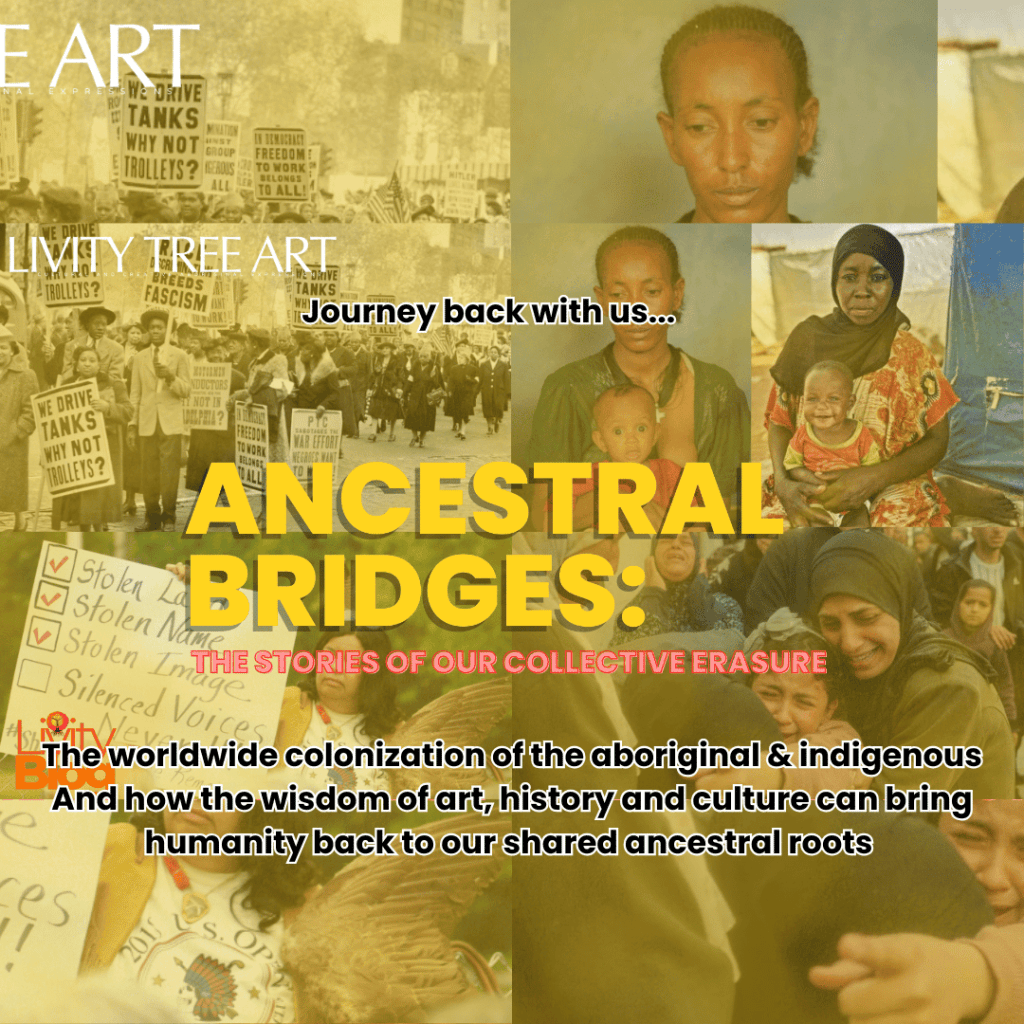
Ancestral Bridges: Reconnecting to the Intelligence That Never Left
Ancestral Bridges is a movement dedicated to reclaiming ancestral knowledge and identities that colonization attempted to erase. Through art, storytelling, and community, it reconnects individuals with their heritage, emphasizing the wisdom encoded in symbols and traditions across cultures. The initiative honors the resilience and intelligence of ancestors, fostering healing and remembrance.
-
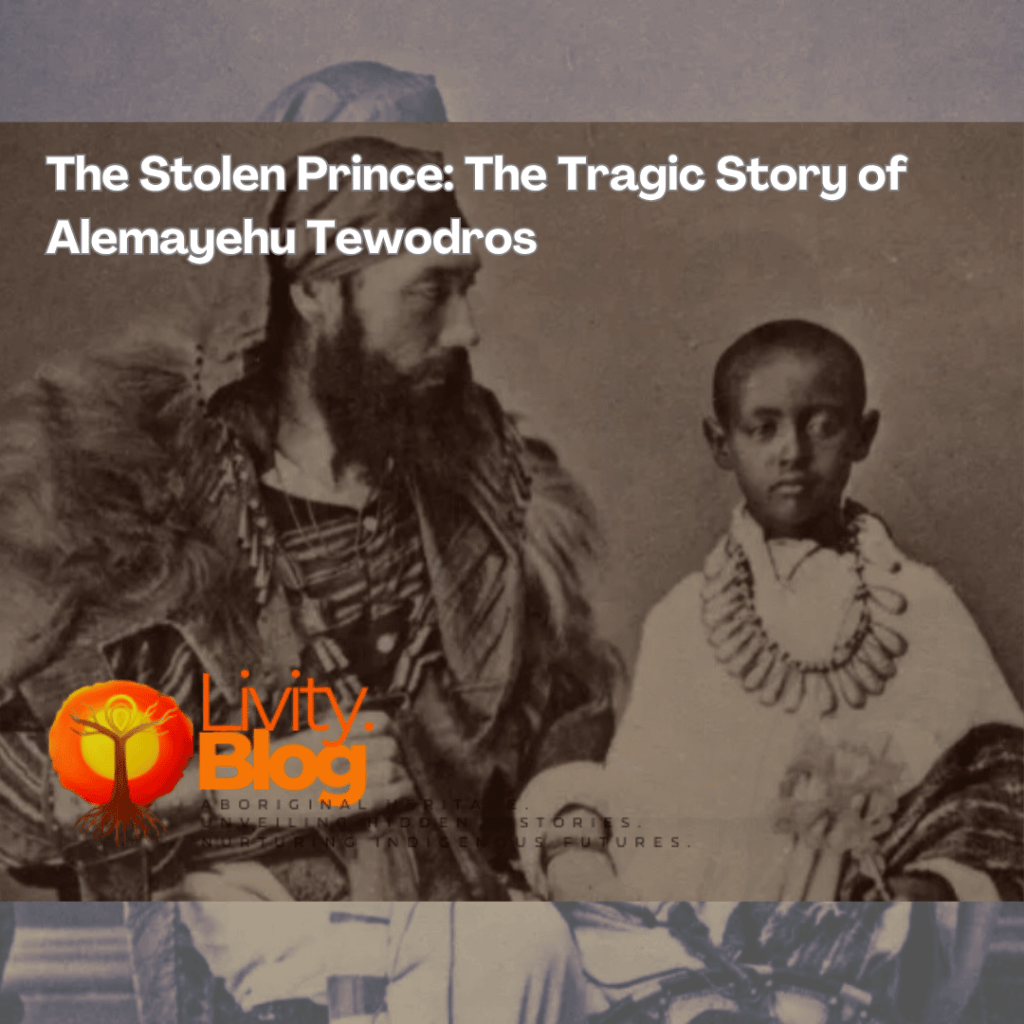
👑 The Stolen Prince: The Tragic Story of Alemayehu Tewodros
They stole his future, his crown, and his bones. Prince Alemayehu of Ethiopia was just 7 when the British Empire took him after his father, Emperor Tewodros II, fell at Maqdala. Raised in exile. Died in exile. Buried in Windsor Castle — without his people, without his land. To this day, his body and Ethiopia’s…
-
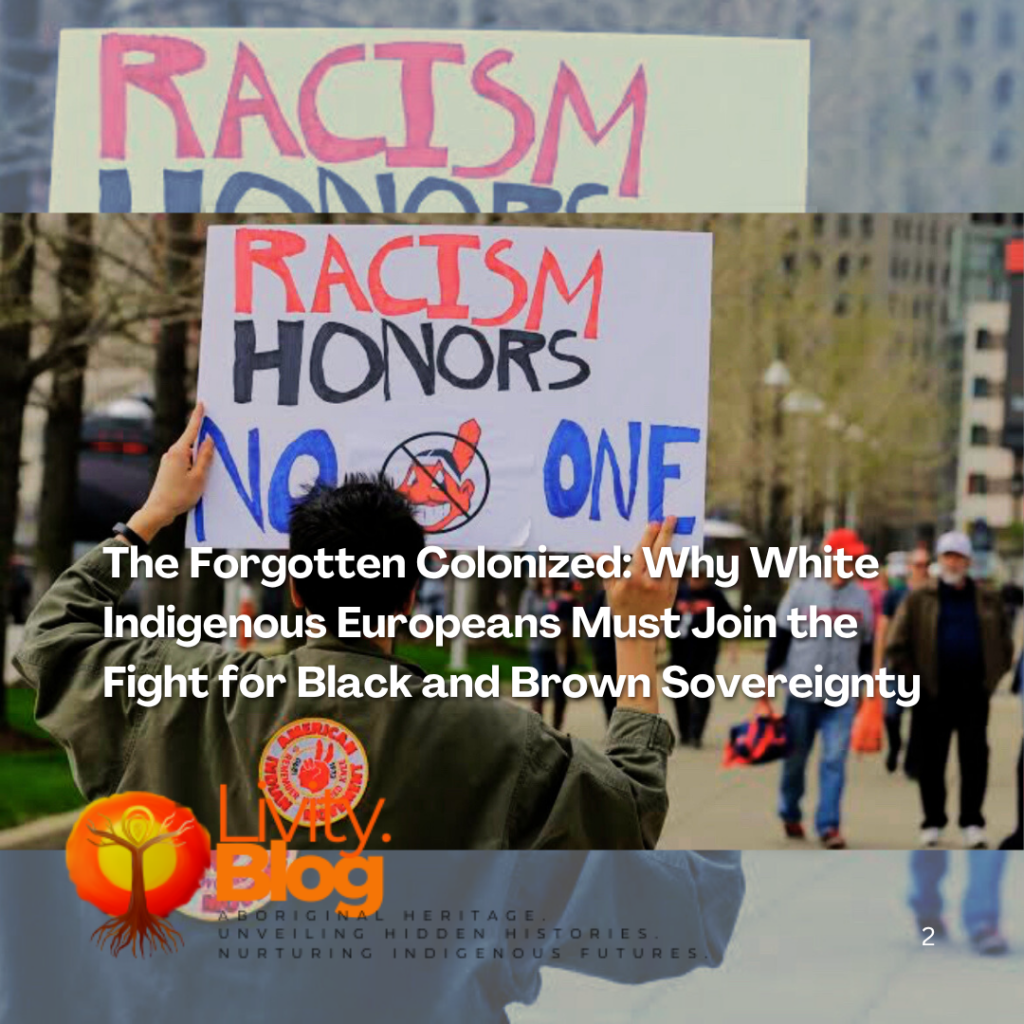
The Forgotten Colonized: Why White Indigenous Europeans Must Join the Fight for Black and Brown Sovereignty
The article urges descendants of colonized European peoples in the Americas, like the Irish and Basque, to acknowledge their ancestors’ histories of oppression instead of adopting the privilege of “whiteness.” It calls for solidarity with Indigenous and Black liberation movements, emphasizing that all oppressed peoples share a common struggle against systemic colonial exploitation.
-
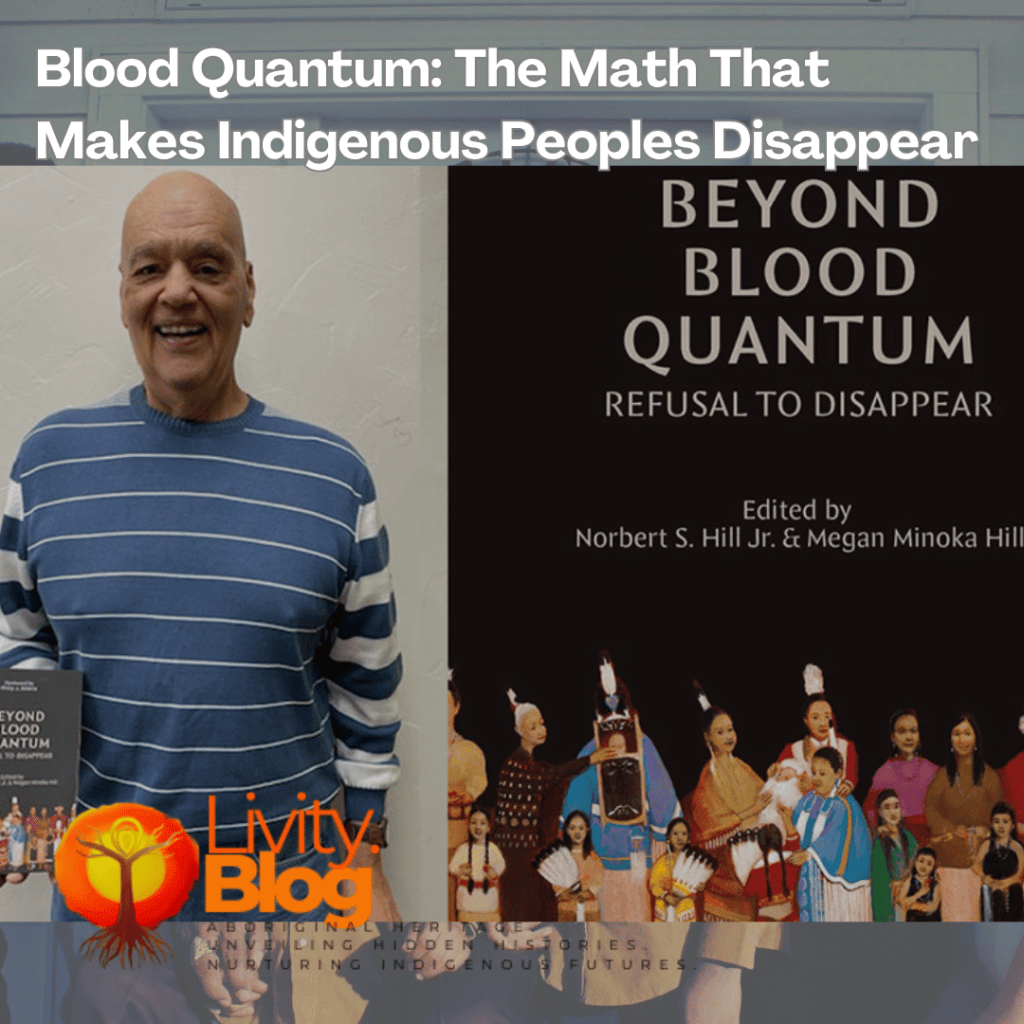
Blood Quantum: The Math That Makes Indigenous Peoples Disappear
You’ve been told that “Native Americans” are the Indigenous peoples of North America. But what you haven’t been told is that “Native American” is a colonial trap—a legal category designed to mathematically eliminate Indigenous peoples within a few generations… Read More at https://atomic-temporary-233733782.wpcomstaging.com (link in bio 🔗)
-
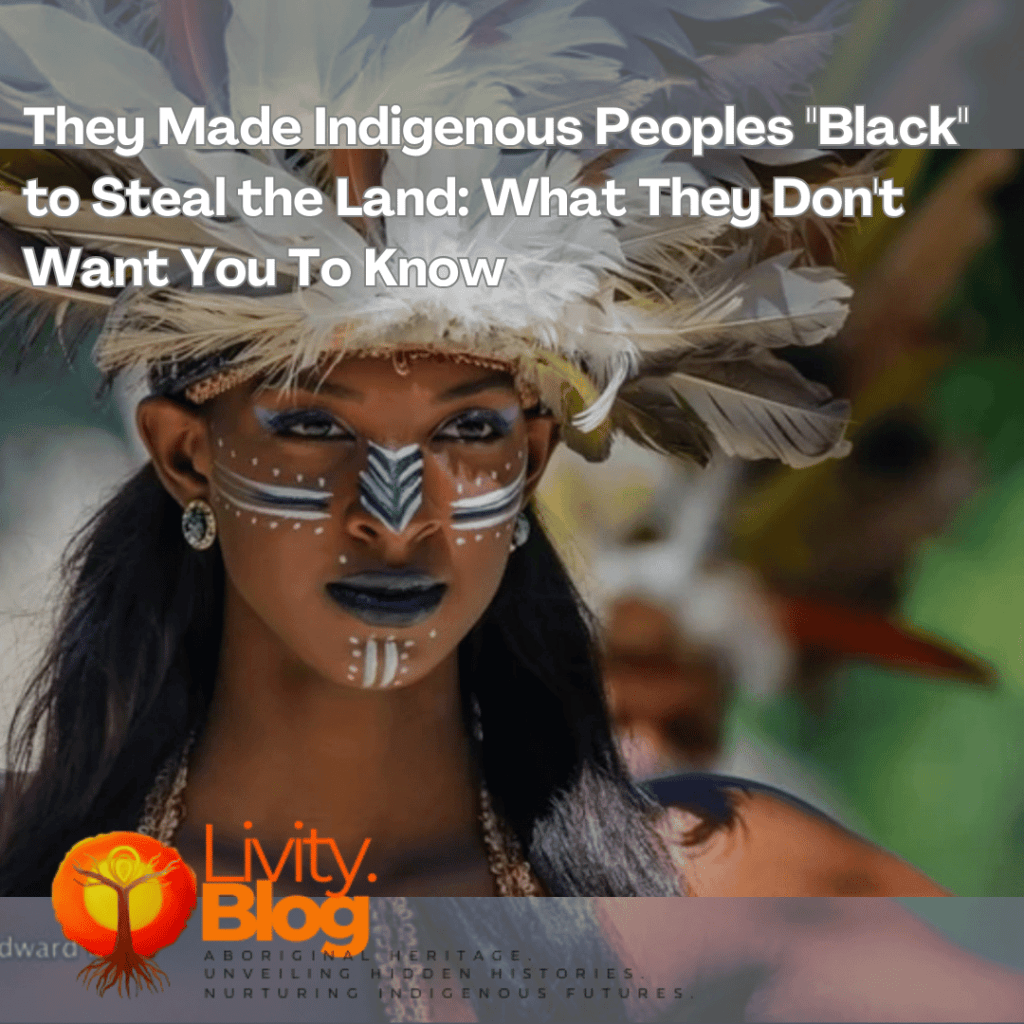
They Made Indigenous Peoples “Black” to Steal the Land
Before colonizers arrived, North America had sophisticated civilizations that built structures rivaling Egypt’s pyramids. Cahokia, near present-day St. Louis, had 20,000 people—larger than London at the time… Historical accounts describe diverse Indigenous populations, including dark-skinned peoples who built these civilizations. The Kaw people of Kansas were described as having skin “as black as Negros.” Various…
-
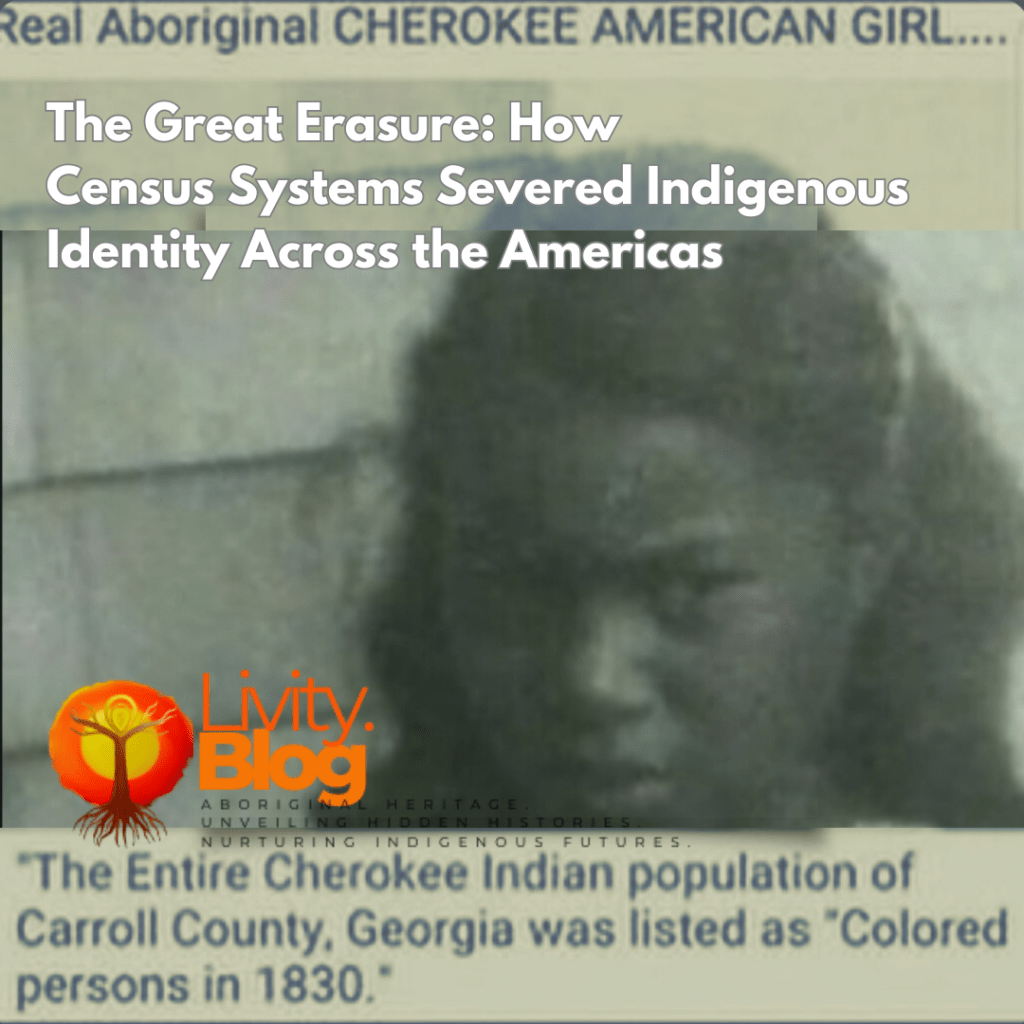
The Great Erasure: How Census Systems Severed Indigenous Identity Across the Americas
The Hidden Story of America’s First Census Cover-Up In the dusty archives of Carroll County, Georgia lies a 1830 census record that reveals one of America’s most systematic acts of bureaucratic erasure. The entire Cherokee Indian population—138 people with names like Pumpkinpile, Raincrow, and Swimmer—were officially classified as “colored persons” rather than as Cherokee Indians.
-
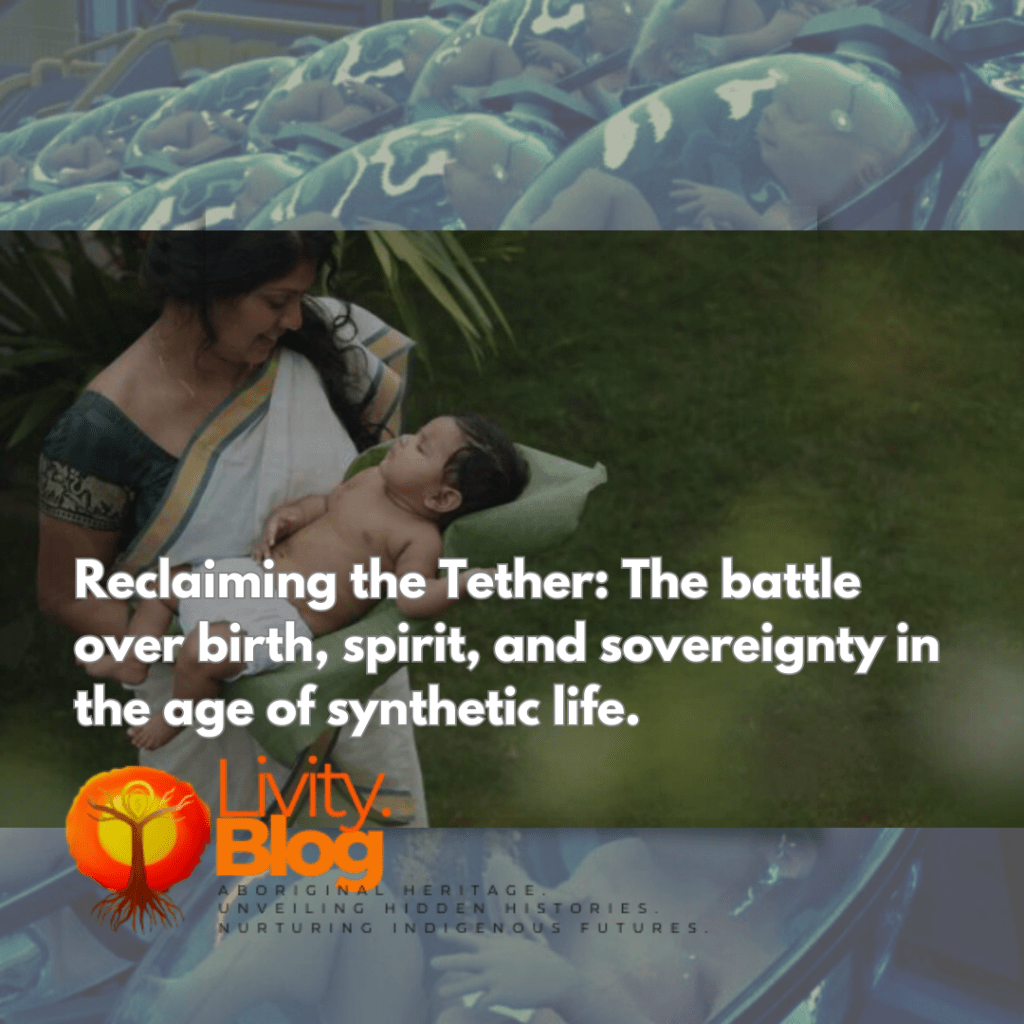
Reclaiming the Tether: The battle over birth, spirit, and sovereignty in the age of synthetic life.
Explore the rising use of artificial wombs, CRISPR gene editing, AI child monitoring, and DNA surveillance—and exposes how these trends are tied to a new wave of eugenics dressed up as “progress.”
-
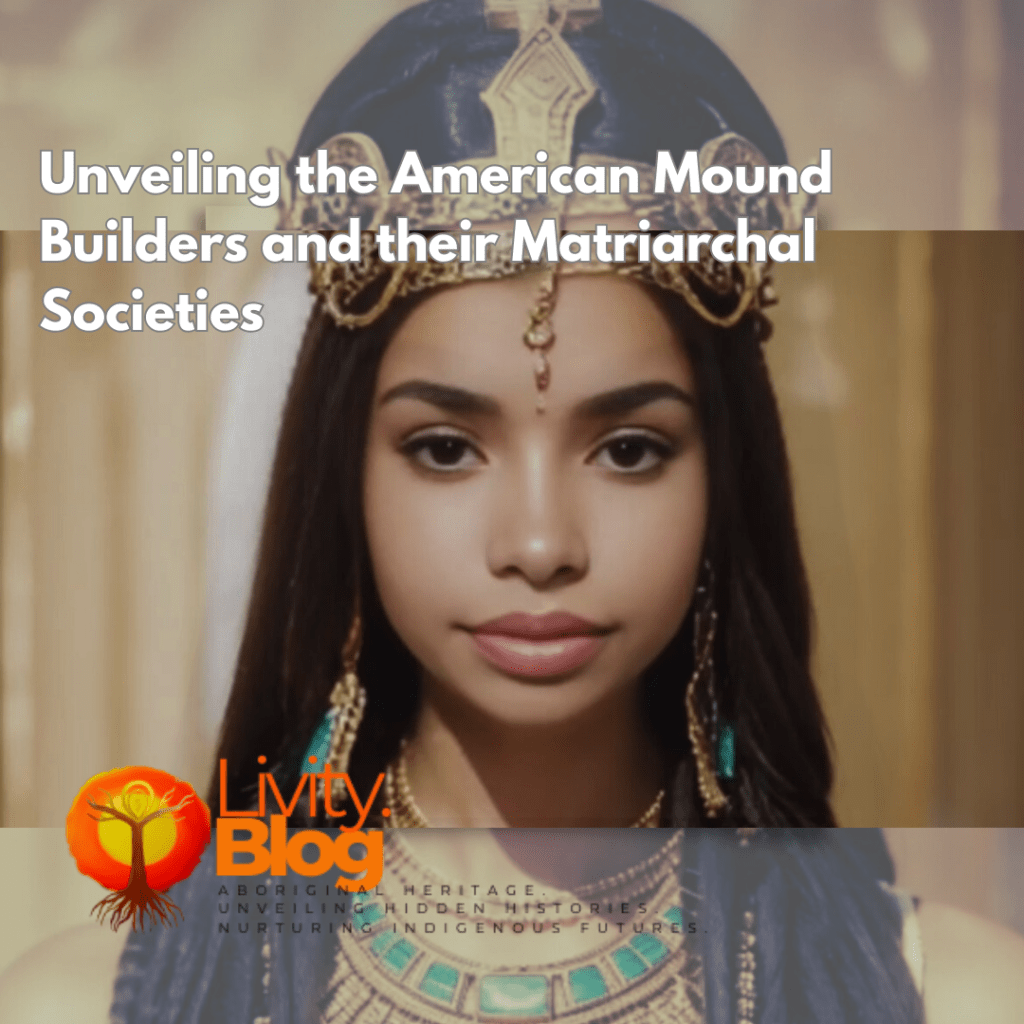
Unveiling the Original Mound Builders
There is evidence, oral tradition, and suppressed history that women played a central role in the Mound Builder civilizations, particularly within the Washitaw (Ouachita) Nation and other ancient matrilineal cultures across Turtle Island (North America). “Before patriarchy, there was the Earth Mother. And her daughters built the mounds.” — Livity.Blog | Hidden Histories. Ancestral Intelligence.
-
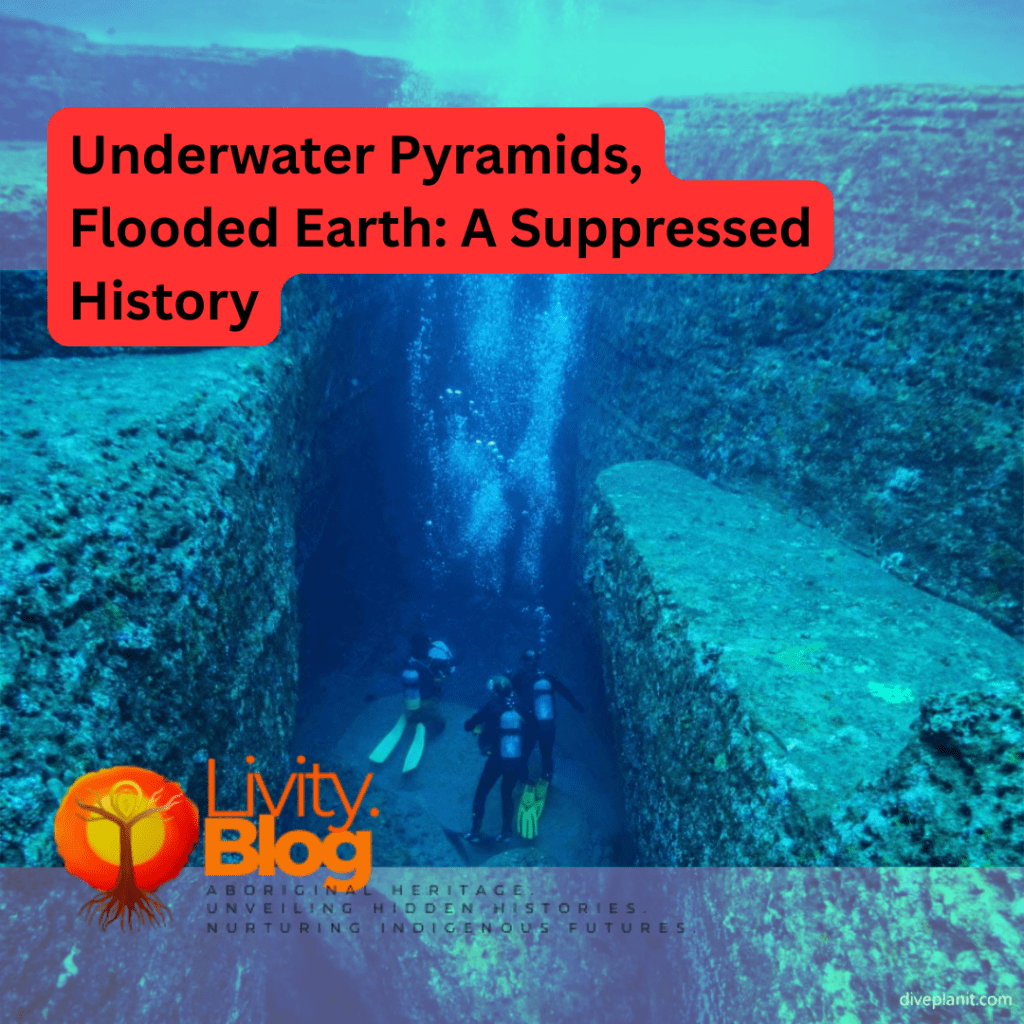
Underwater Pyramids, Flooded Earth: A Suppressed History
An alternate worldview: Earth submerged and pyramids built underwater Propose Earth was once mostly covered by water—perhaps even long into the era of early civilization—and that pyramids and megalithic complexes were deliberately constructed under or partially under water, long before rising seas submerged them. This viewpoint challenges mainstream archaeology as being shaped by colonial agendas…
 Livity Blog