
The Root Network Within Us
ANCESTRAL INTELLIGENCE SERIES | LIVITY.BLOG How Trees, Human Consciousness, and the I and I Were Always One Ecosystem — and How the Digital Network Is Harvesting What You Were Never Meant to Give Away Before there were cities, before there were borders, before the word “individual” was invented and installed into the…
Keep reading
Climate Change or Pole Shift? What the Evidence Reveals — and What Power Has to Gain From the Narrative
A Comparative Analysis for the Culturally Curious and the Politically Awake The Question the Textbooks Don’t Ask We are told with increasing urgency that human carbon emissions are heating the planet to catastrophic levels. Glaciers are retreating, sea levels are rising, weather systems are intensifying, and animals are migrating to regions they have never historically…
Keep reading
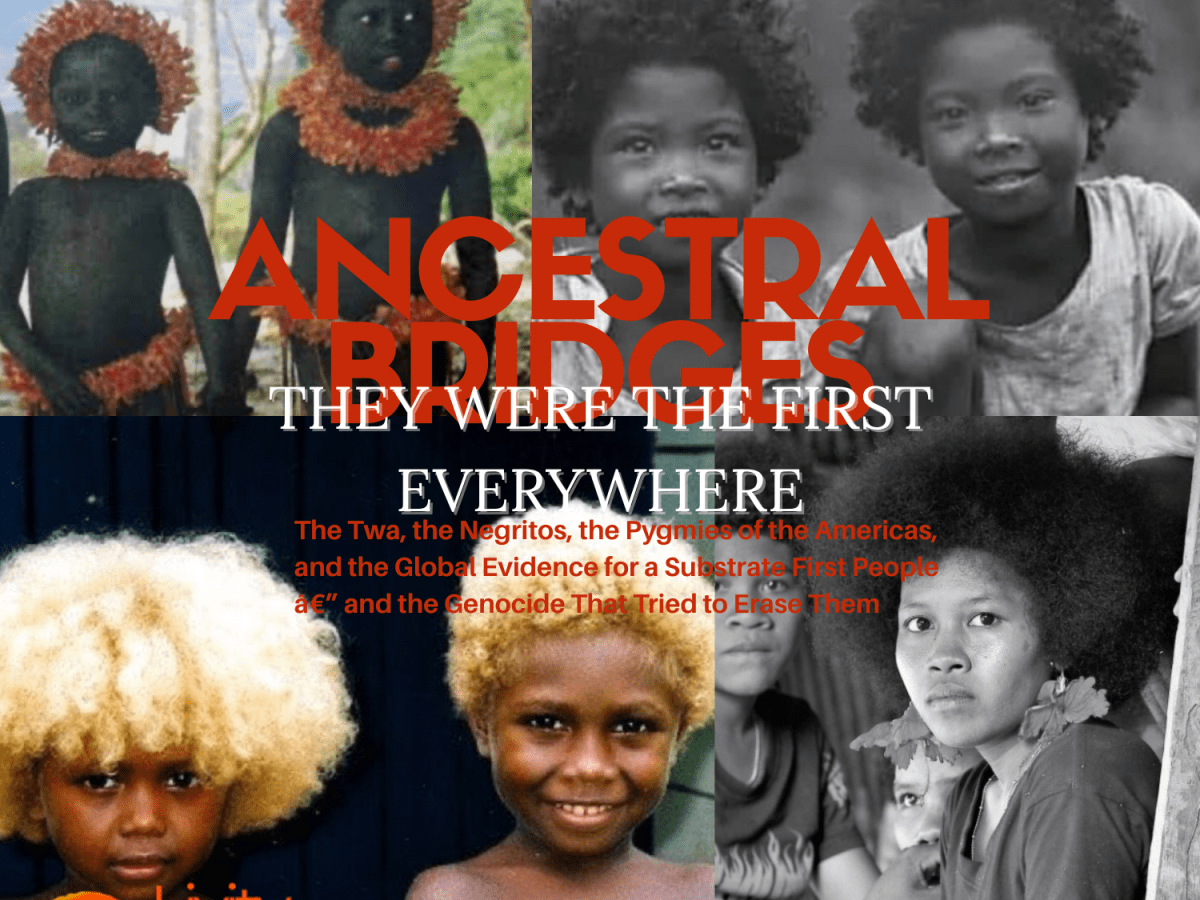
THEY WERE THE FIRST EVERYWHERE: The Twa, the Negritos, the Pygmies of the Americas, and the Global Evidence for a Substrate First People — and the Genocide That Tried to Erase Them
Before every empire, before every migration wave, before the first monument was raised — they were already there. Small, dark, ancient, and sovereign. The question is not where they came from. The question is why we were told they did not exist. OPENING The Shape of the Erasure There is a pattern so consistent…
Keep reading
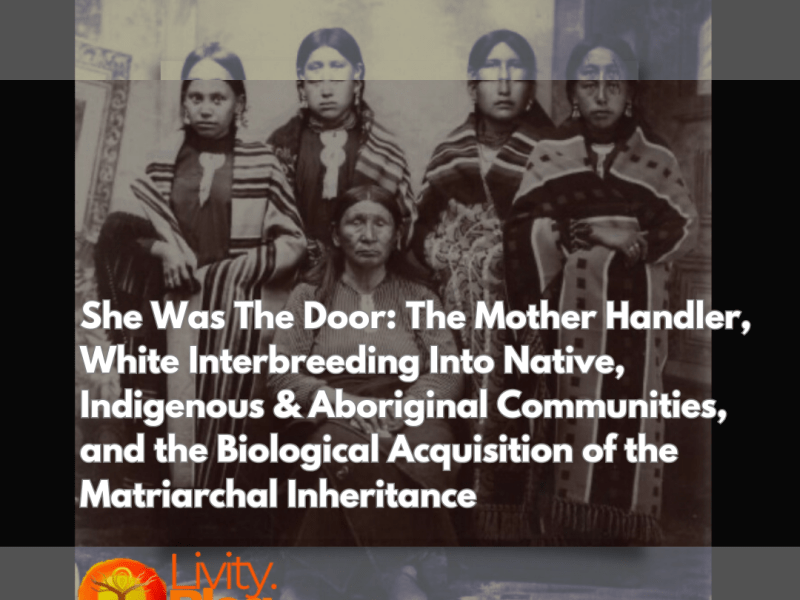
She Was The Door: The Mother Handler, White Interbreeding Into Native, Indigenous & Aboriginal Communities, and the Biological Acquisition of the Matriarchal Inheritance
She was never meant to be lost. She was the center of her community — the knowledge keeper, the land steward, the ceremonial holder, the one through whom the ancestral intelligence of her people moved forward into the next generation. The systems that dismantled her didn’t come all at once. They came through law. Through…
Keep reading
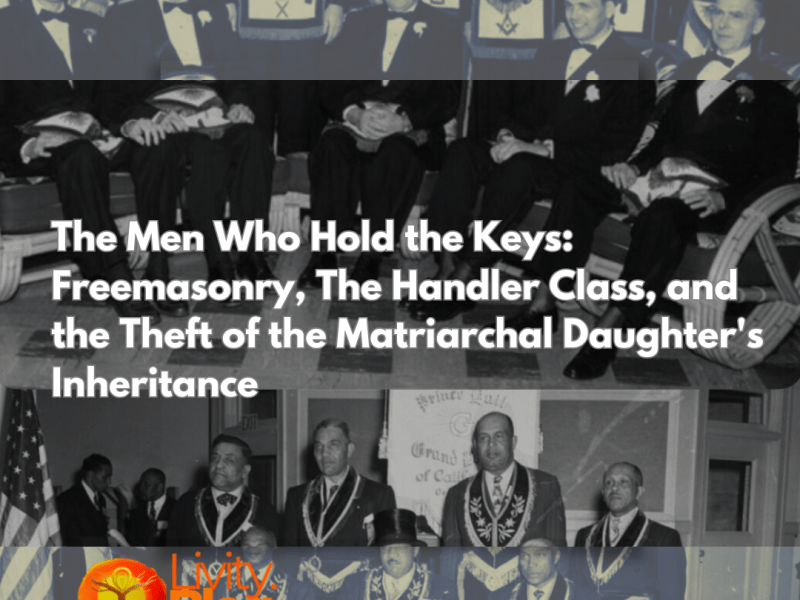
The Men Who Hold the Keys: Freemasonry, The Handler Class, and the Theft of the Matriarchal Daughter’s Inheritance
They didn’t just erase her name. They erased her role. Before the covenant. Before the colony. Before the church told her to be silent and the legal system told her she had no standing — She was the keeper. The knowledge holder. The one the community turned to. Indigenous and matrilineal women did not sit…
Keep reading
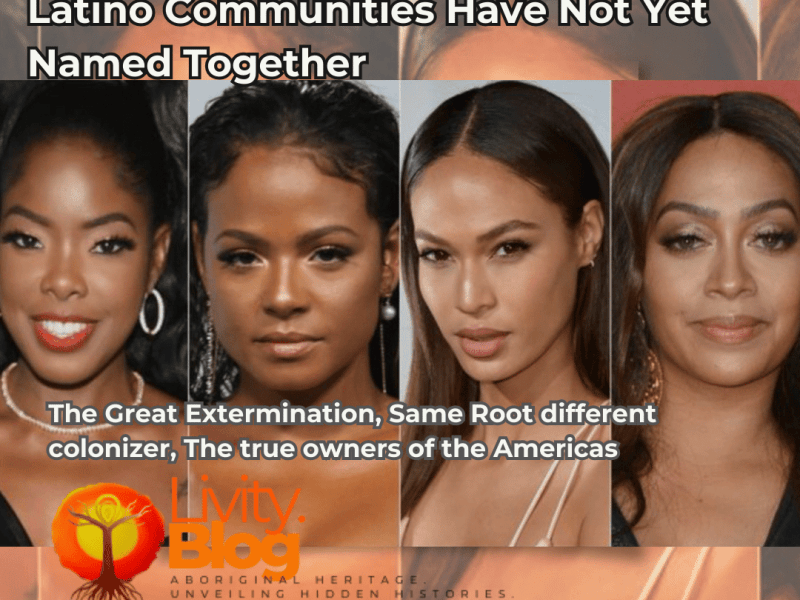
Black. Brown. Mestizo. Latino. — The Categories Built to Hide the People Who Were Here First
ANCESTRAL INTELLIGENCE SERIES | COLONIAL RECLASSIFICATION How the First-Line Peoples of the Americas Were Absorbed, Reclassified, and Hidden Inside the Slave Trade and Reclassification — And Why Racism Was the Specific Tool Required to Do It Livity.Blog “They did not erase the first people from the earth. They erased them from the…
Keep reading
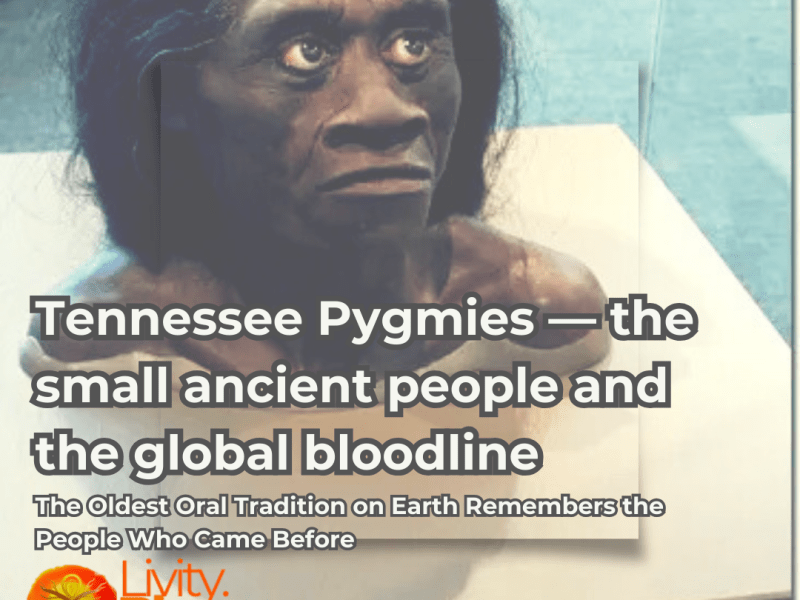
Before the Cherokee, Before the Mound Builders, Before the Dreamtime: The Small Ancient People Who Were There First
The article discusses the discovery of burial sites in Tennessee, Ohio, and Wyoming containing numerous small adult skeletons, suggesting a previously unknown ancient culture. These findings challenge mainstream narratives of Indigenous history and connect these populations to modern descendants in the Amazon and Southeast Asia, revealing a suppressed origin story linked to broader global genetic…
Keep reading
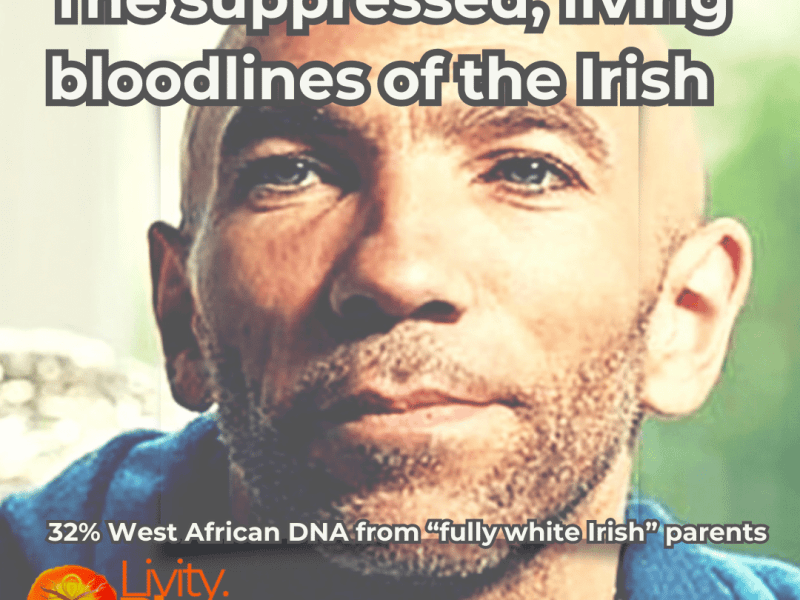
The Black Irish, the Moors, and the Memory the Atlantic Never Forgot
By Livity Tree Art | Livity.Blog | Ancestral Intelligence Series There is a question that colonial history has never been able to answer cleanly: Why do some Irish people look like us? Dark hair. Olive or deep brown skin. Eyes the color of the ocean — green, grey, blue — set in faces that belong…
Keep reading
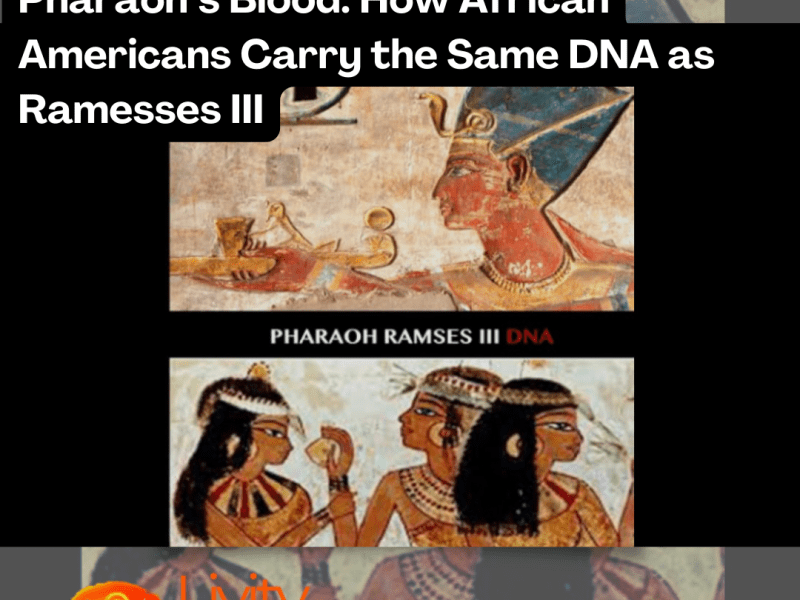
Pharaoh’s Blood: How African Americans Carry the Same DNA as Ramesses III
An exploration of maritime capabilities, archaeological evidence, and the colonial erasure of African achievement.
“Pharaoh DNA: The Scientific Proof That African Americans Descend from Ancient Egyptian Royalty” This would focus entirely on: ∙ Ramesses III carrying E1b1a ∙ 60% of African Americans having this same haplogroup ∙ The West African connection ∙ Sickle cell…
Keep reading
Hidden Histories Revealed: From Erasure to Resurgence — The Impact of Colonization on Indigenous Peoples
The document explores colonization’s deep impact on Indigenous peoples, highlighting cultural erasure, residential school trauma, and resilience through language revival, land reclamation, art, and healing efforts.
Keep reading
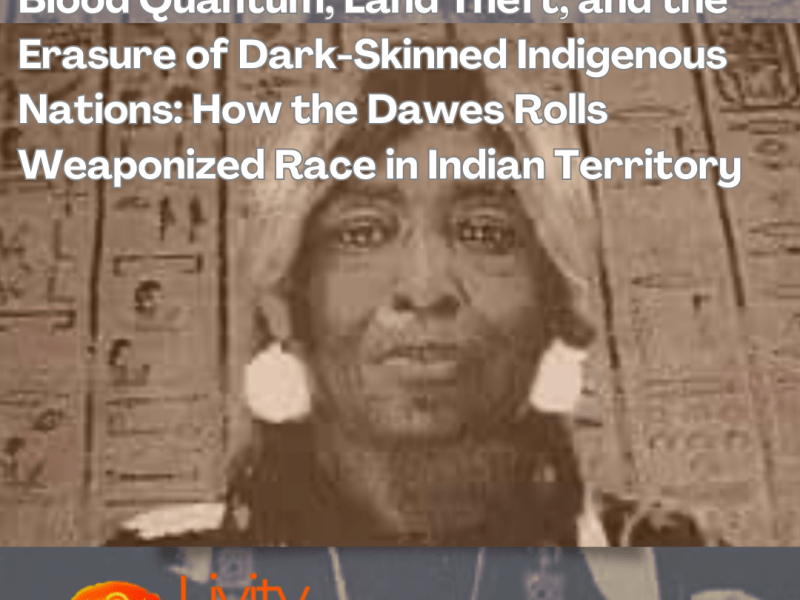
They Weren’t Freed—They Were Reclassified: How Freedmen Lost Their Land Through Paperwork
The article discusses the historical and ongoing dispossession of dark-skinned Indigenous nations in Oklahoma, primarily through the Dawes Rolls, which redefined racial categories and erased complex ancestries. It details how these mechanisms fragmented Indigenous identities, denied land rights, and continue to influence contemporary sovereignty struggles among the Freedmen, Washitaw, Muur, and Creole nations.
Keep reading
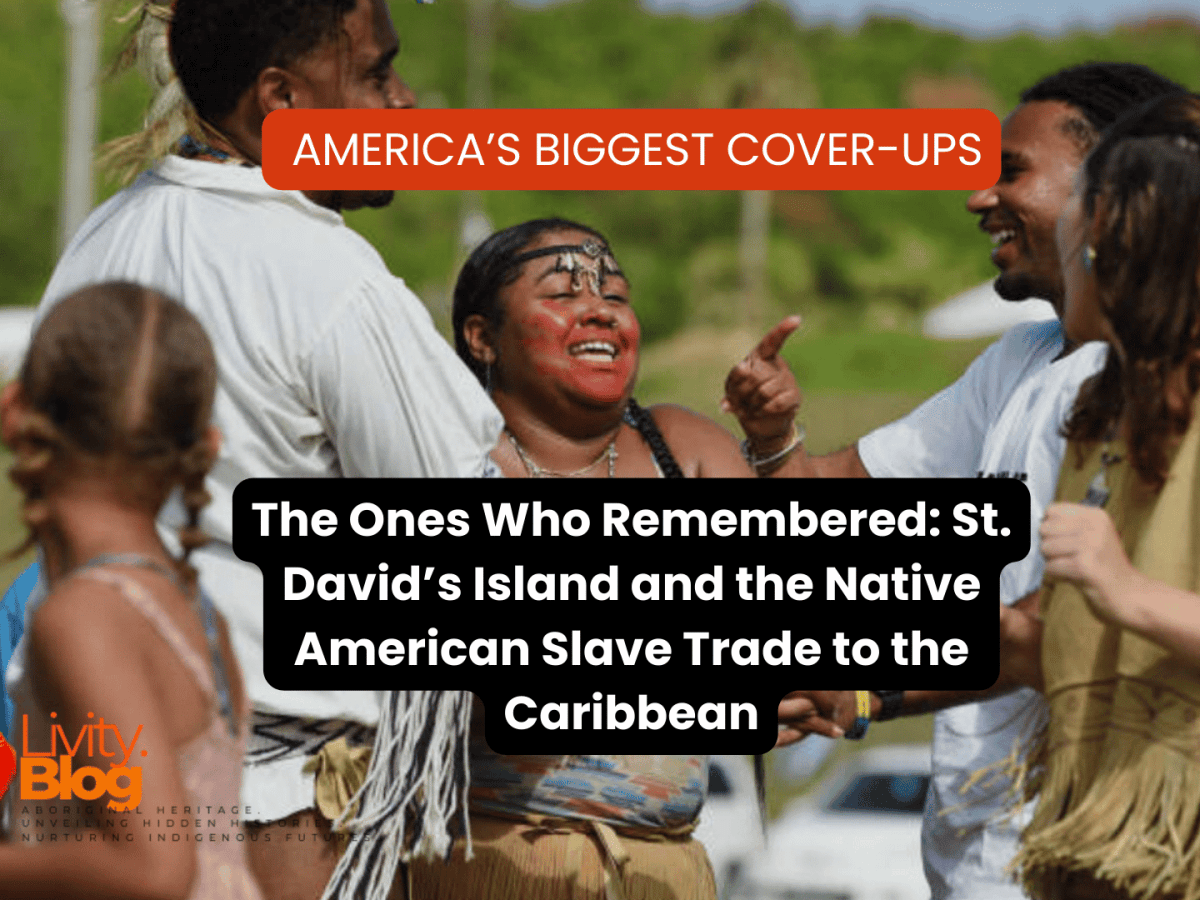
The Ones Who Remembered: St. David’s Island and the Native American Slave Trade to the Caribbean
St. David’s Island is a bridge. Between the Northeastern tribes and the Caribbean. Between the past and the present. Between extinction and survival. And if they survived in Bermuda— If they held the memory for three hundred and fifty years— If they came back from the dead according to colonial records— Then ask yourself: How…
Keep reading
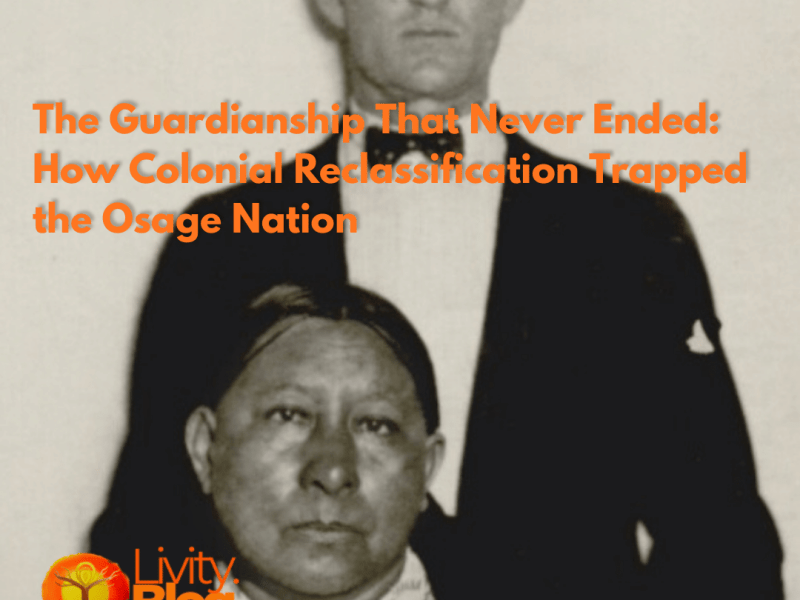
The Guardianship That Never Ended: How Colonial Reclassification Trapped the Osage Nation
In 1920, the Osage Nation were among the wealthiest people per capita in the world. By 1925, they were being systematically murdered for their oil money while the federal government watched. This wasn’t a failure of the system—it was the system. And it’s still operating today.
What happened to the Osage demonstrates the machinery of Colonial Reclassification…
Keep reading
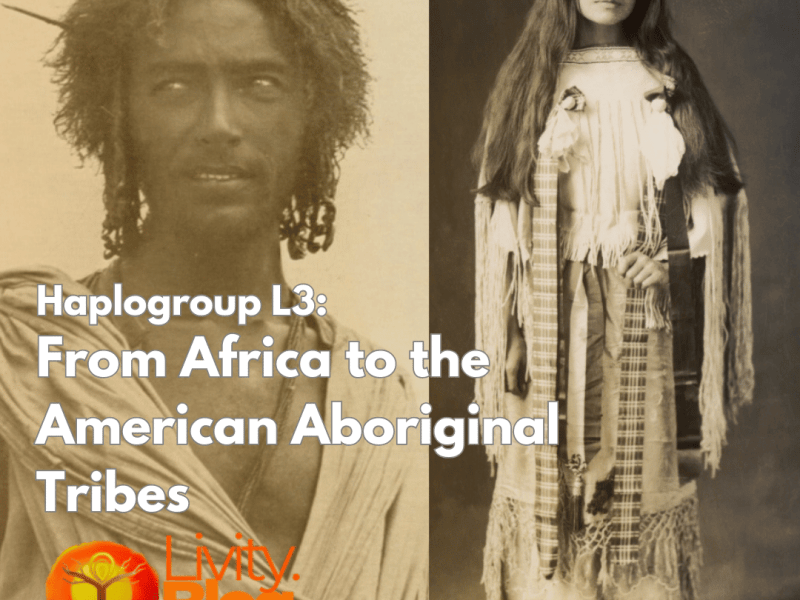
The L3 Family Tree: How Melanesians, Indigenous Americans, and the Beja-Sudanese-Eritrean Peoples Are Related
Mitochondrial DNA haplogroup L3, arising in East Africa around 70,000 years ago, links the Beja, Melanesians, and Indigenous Americans as branches of a common ancestral tree. This genetic evidence challenges colonial racial divisions, revealing profound connections among these populations while highlighting shared maritime, astronomical knowledge, and cultural practices across continents.
Keep reading

Population Y: The Melanesian Ancestors Who Cross the Ocean in Our Blood
These were the original navigators. The star readers. The ocean whisperers. Black and brown tribes who built civilizations before colonization tried to erase us from history. Read more at Livity.Blog
Keep reading
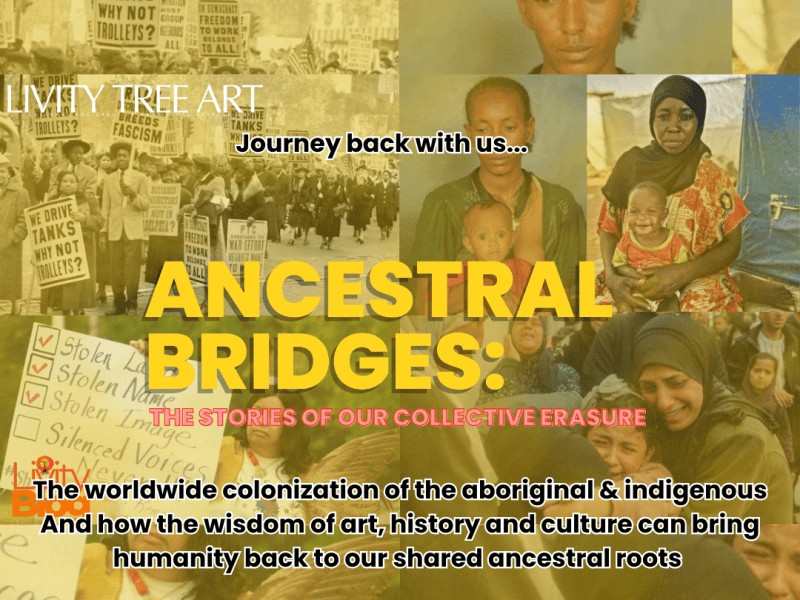
Ancestral Bridges: Reconnecting to the Intelligence That Never Left
Ancestral Bridges is a movement dedicated to reclaiming ancestral knowledge and identities that colonization attempted to erase. Through art, storytelling, and community, it reconnects individuals with their heritage, emphasizing the wisdom encoded in symbols and traditions across cultures. The initiative honors the resilience and intelligence of ancestors, fostering healing and remembrance.
Keep reading
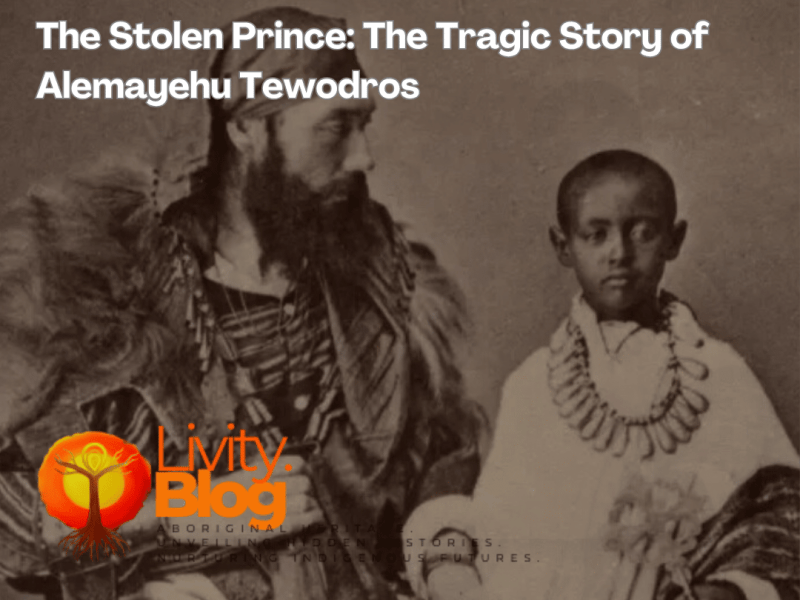
👑 The Stolen Prince: The Tragic Story of Alemayehu Tewodros
They stole his future, his crown, and his bones. Prince Alemayehu of Ethiopia was just 7 when the British Empire took him after his father, Emperor Tewodros II, fell at Maqdala.
Raised in exile. Died in exile. Buried in Windsor Castle — without his people, without his land.
To this day, his body and Ethiopia’s…
Keep reading
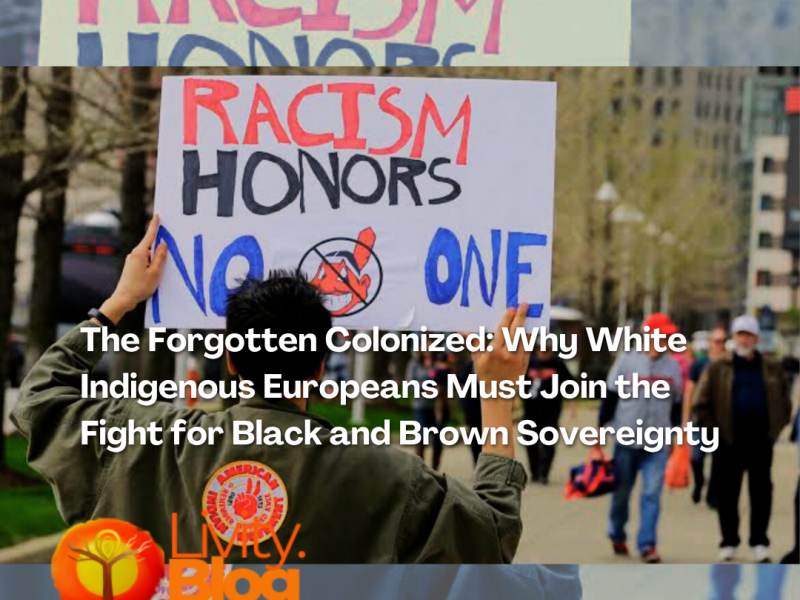
The Forgotten Colonized: Why White Indigenous Europeans Must Join the Fight for Black and Brown Sovereignty
The article urges descendants of colonized European peoples in the Americas, like the Irish and Basque, to acknowledge their ancestors’ histories of oppression instead of adopting the privilege of “whiteness.” It calls for solidarity with Indigenous and Black liberation movements, emphasizing that all oppressed peoples share a common struggle against systemic colonial exploitation.
Keep reading
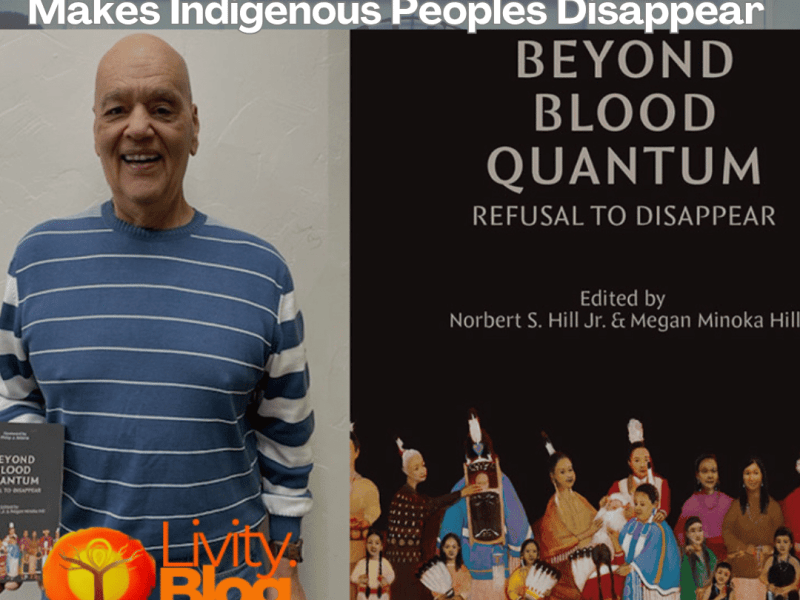
Blood Quantum: The Math That Makes Indigenous Peoples Disappear
You’ve been told that “Native Americans” are the Indigenous peoples of North America. But what you haven’t been told is that “Native American” is a colonial trap—a legal category designed to mathematically eliminate Indigenous peoples within a few generations… Read More at https://atomic-temporary-233733782.wpcomstaging.com (link in bio 🔗)
Keep reading
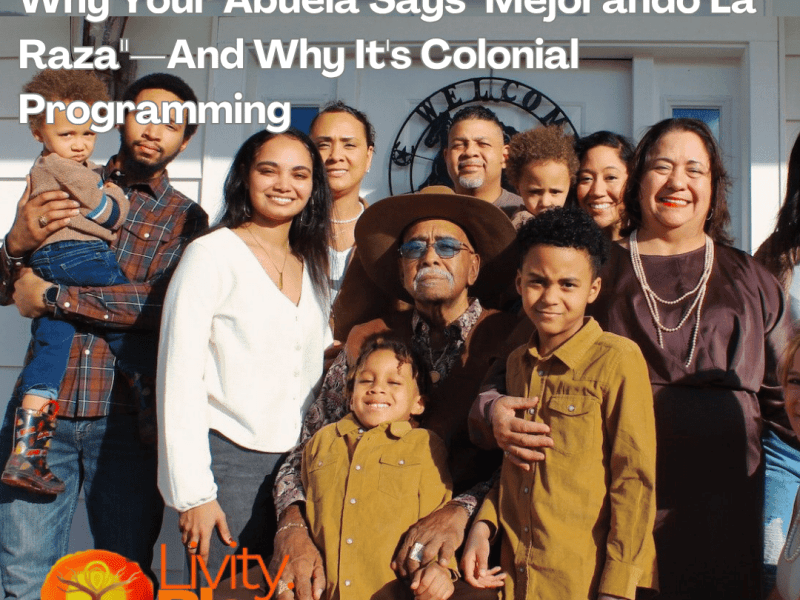
Why Your Abuela Says “Mejorando La Raza”—And Why It’s Colonial Programming
The 500-year-old Spanish colonial system designed to make Indigenous peoples ashamed of themselves and compete for whiteness. It’s called the casta system, and it’s still running your family’s brain. Read More at https://atomic-temporary-233733782.wpcomstaging.com (link in bio 🔗)
Keep reading
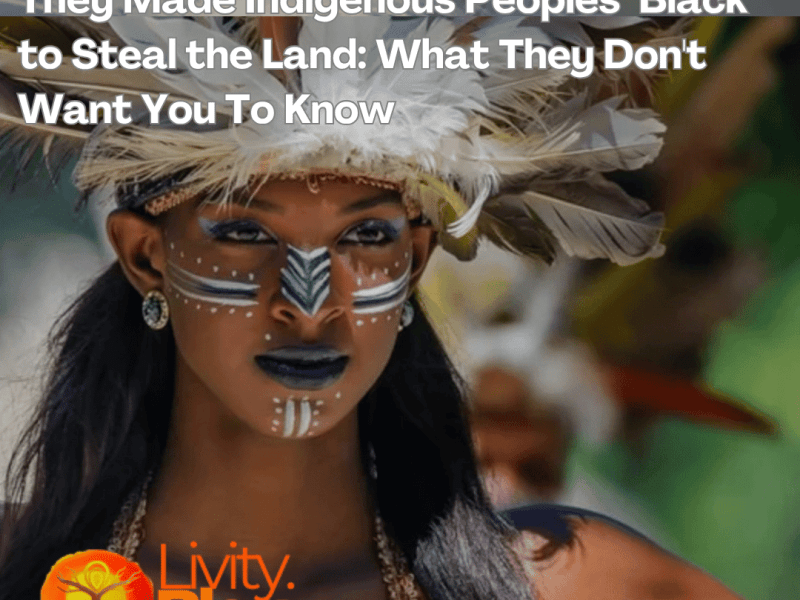
They Made Indigenous Peoples “Black” to Steal the Land
Before colonizers arrived, North America had sophisticated civilizations that built structures rivaling Egypt’s pyramids. Cahokia, near present-day St. Louis, had 20,000 people—larger than London at the time… Historical accounts describe diverse Indigenous populations, including dark-skinned peoples who built these civilizations. The Kaw people of Kansas were described as having skin “as black as Negros.” Various…
Keep reading
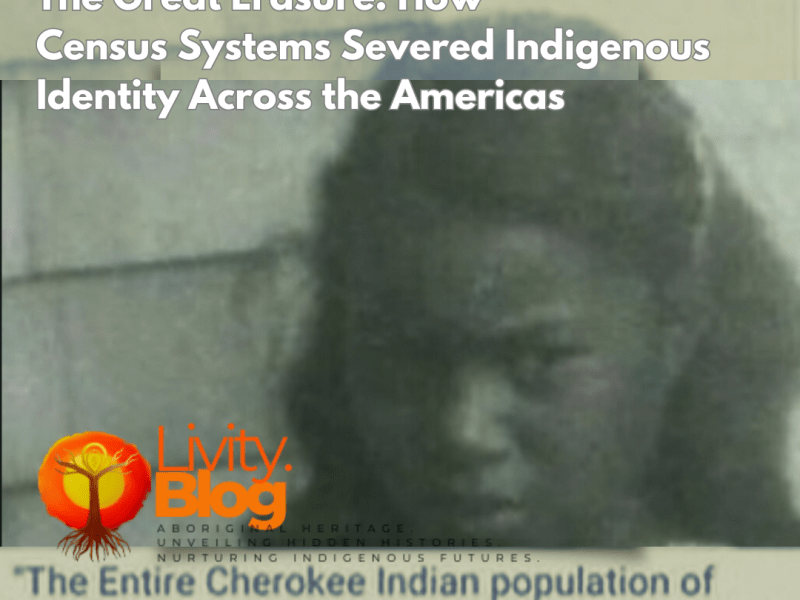
The Great Erasure: How Census Systems Severed Indigenous Identity Across the Americas
The Hidden Story of America’s First Census Cover-Up In the dusty archives of Carroll County, Georgia lies a 1830 census record that reveals one of America’s most systematic acts of bureaucratic erasure. The entire Cherokee Indian population—138 people with names like Pumpkinpile, Raincrow, and Swimmer—were officially classified as “colored persons” rather than as Cherokee Indians.
Keep reading
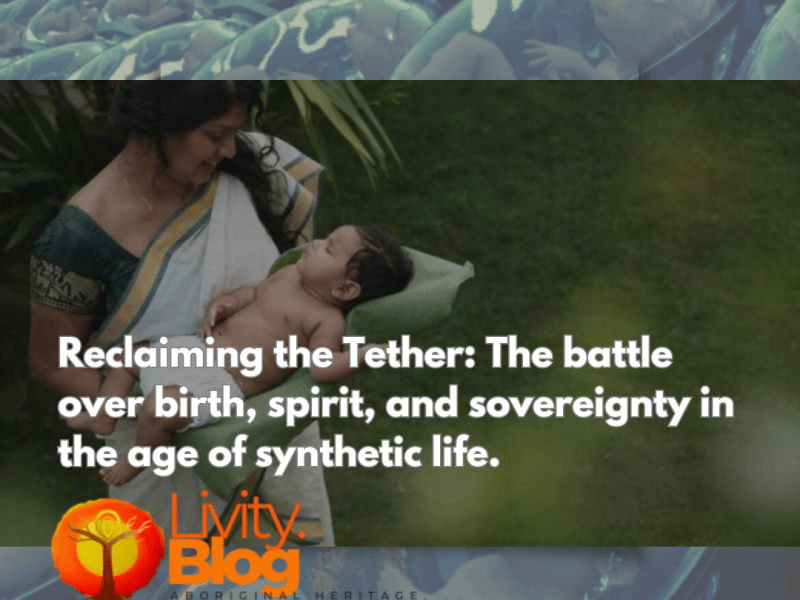
Reclaiming the Tether: The battle over birth, spirit, and sovereignty in the age of synthetic life.
Explore the rising use of artificial wombs, CRISPR gene editing, AI child monitoring, and DNA surveillance—and exposes how these trends are tied to a new wave of eugenics dressed up as “progress.”
Keep reading
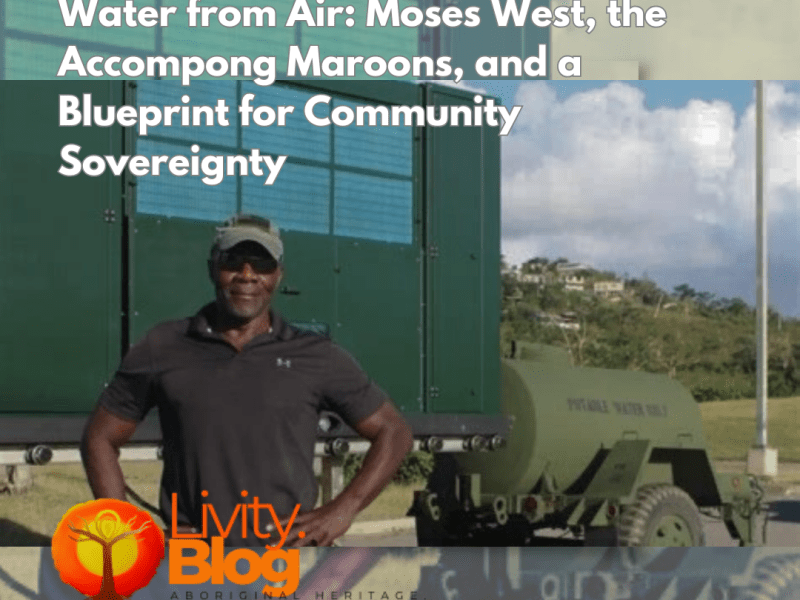
Water from Air: Moses West, the Accompong Maroons, and a Blueprint for Community Sovereignty
Moses West’s Atmospheric Water Generators are bringing water sovereignty to Indigenous and inner-city communities. From the Accompong Maroons of Jamaica to Jackson, Mississippi, his technology is transforming water access into a tool of liberation, aligning perfectly with Livity’s vision of resilience, justice, and ancestral empowerment.
Keep reading
Digital Vampires: How Blockchain and AI Drain Human Energy and Poison Our Cities — And Why Livity Is the Way Forward
We are electrical beings. Every thought, every heartbeat, every emotion radiates measurable currents. Blockchain feeds on our belief. AI feeds on our emotions. And while they harvest our inner energy, their data centers poison our cities—draining rivers, burning fossil fuels, and choking poor neighborhoods with toxins.
Keep reading
Unveiling the Original Mound Builders
There is evidence, oral tradition, and suppressed history that women played a central role in the Mound Builder civilizations, particularly within the Washitaw (Ouachita) Nation and other ancient matrilineal cultures across Turtle Island (North America).
“Before patriarchy, there was the Earth Mother. And her daughters built the mounds.” — Livity.Blog | Hidden Histories. Ancestral Intelligence.
Keep reading
The Billionaire Dream is Dead — and That’s a Good Thing
The post critiques the glorification of billionaires and the detrimental culture it fosters. It advocates for a shift from materialism to community and connection, encouraging individuals to embrace ancestral wisdom and live authentically. The new culture, focused on creativity, integrity, and collective care, calls for reclaiming a meaningful, earth-centered existence.
Keep reading

Underwater Pyramids, Flooded Earth: A Suppressed History
An alternate worldview: Earth submerged and pyramids built underwater Propose Earth was once mostly covered by water—perhaps even long into the era of early civilization—and that pyramids and megalithic complexes were deliberately constructed under or partially under water, long before rising seas submerged them. This viewpoint challenges mainstream archaeology as being shaped by colonial agendas…
Keep reading
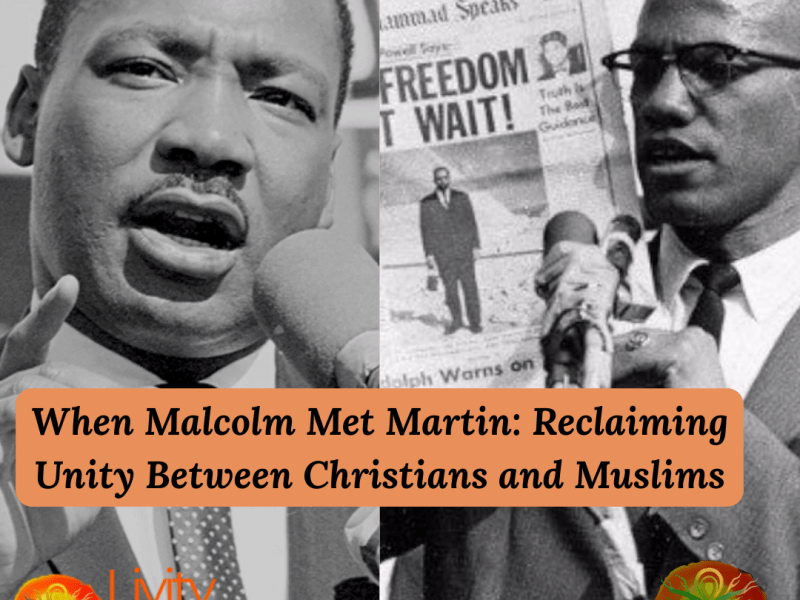
When Malcolm Met Martin: Reclaiming Black Unity Between Christians and Muslims
Malcolm and Martin are too often portrayed as opposites. But in truth, they were beginning to converge—spiritually, politically, and purposefully. Malcolm reached out to King. King welcomed the dialogue. Their faiths differed, but their mission was shared: Black dignity, Black freedom, and Black unity. The enemy was never each other. The enemy was division.
Keep reading
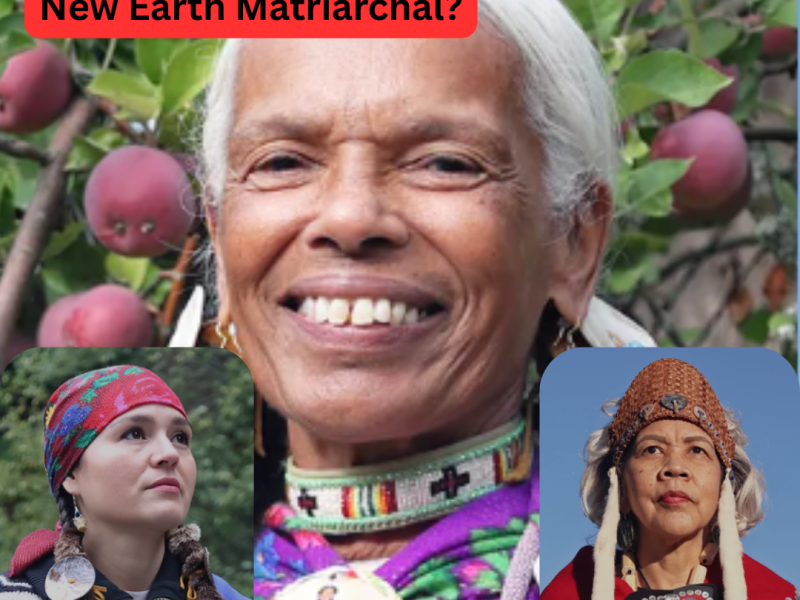
Matriarchal Societies Around the World: The Healing Power of Indigenous Matriarchs
Matriarchal societies present alternative governance models emphasizing balance, sustainability, and communal wisdom in contrast to patriarchal structures. Cultures like the Mosuo and Haudenosaunee showcase how women influence leadership and community through matrilineal systems. As modern crises loom, incorporating matriarchal principles may guide society toward ecological and social renewal.
Keep reading
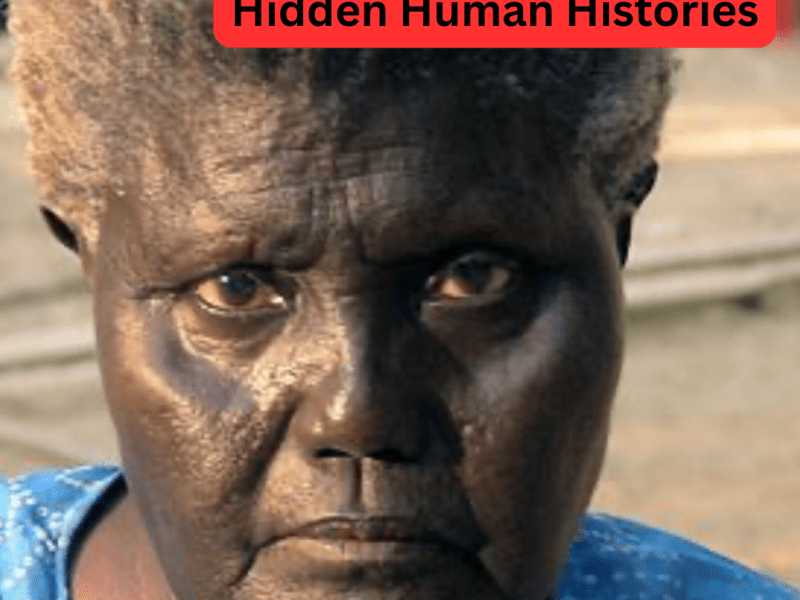
The Andamanese: A Living Gateway to Hidden Human Histories
The Andamanese are among the oldest living humans on Earth—yet most have never heard of them. Their existence challenges the Out-of-Africa theory and may hold secrets to Black Indigenous origins across the globe. Read the full article on Livity.Blog.
Keep reading
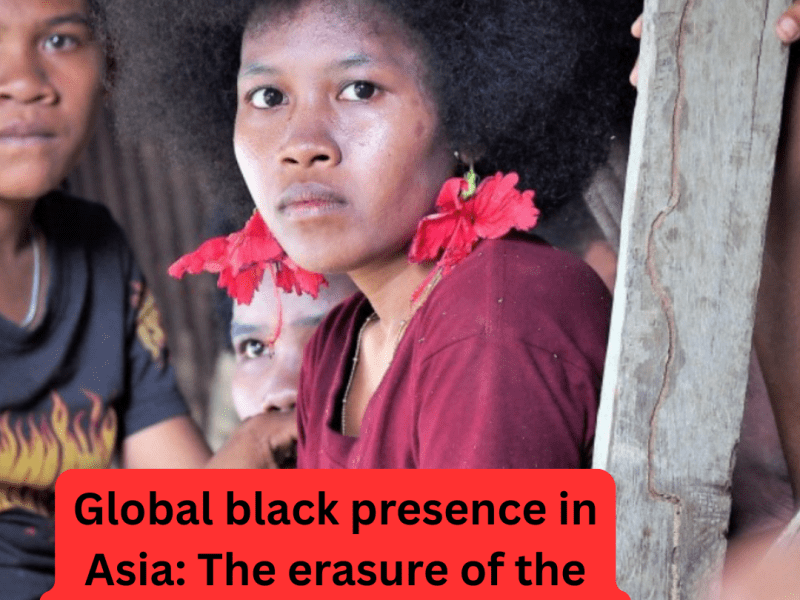
The Forgotten Forest Dwellers: The Erasure of the Maniq People of Thailand
Discover the erased history of Thailand’s Maniq people—Black Indigenous forest dwellers fighting for survival and recognition.
Keep reading
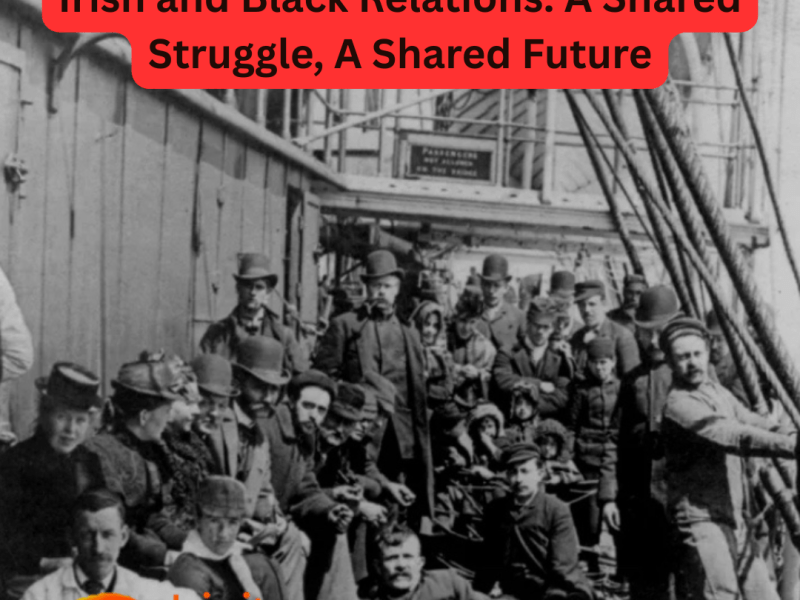
Irish and Black Relations: A Shared Struggle, A Shared Future
Explore the complex history of Irish and Black relations in America—from shared oppression to division, and how unity can shape a just future.
Keep reading

Bougainville: Bamboo Music and Blood-Stained Soil
Bougainville, an island in the Solomon Sea, holds rich ancestral histories amidst struggles for Indigenous sovereignty and cultural preservation. Despite the devastation from colonial exploitation and mining, Bougainvilleans have maintained their identity through traditional music and oral traditions, emphasizing resilience against erasure and advocating for environmental justice. Their story parallels global Indigenous struggles.
Keep reading
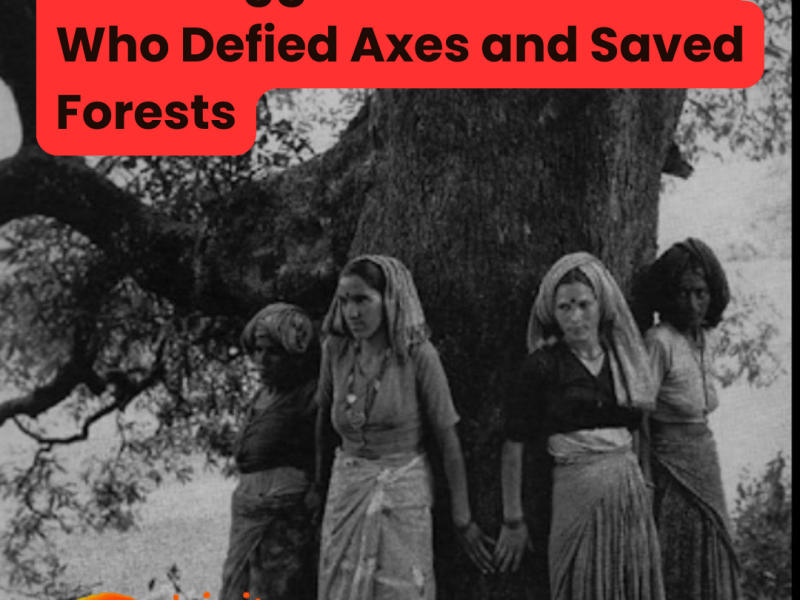
Tree Huggers: The Women Who Defied Axes and Saved Forests
In the 1970s, the Chipko Movement emerged in Uttarakhand, India, as Indigenous women protected forests from logging by physically hugging trees. Led by Gaura Devi, this grassroots, nonviolent resistance highlighted the vital relationship between these women and their environment. Their actions sparked significant policy changes and global ecological movements, showcasing the power of women’s collective…
Keep reading
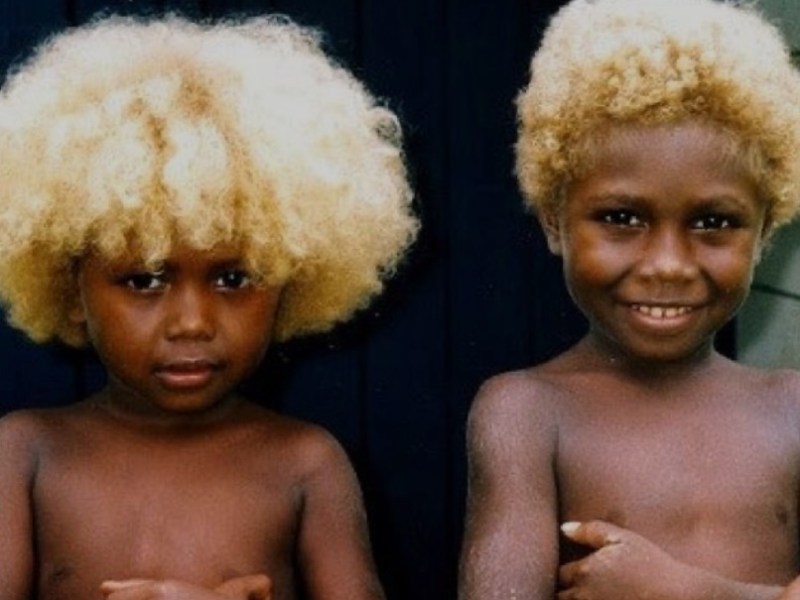
Red Hair in Black Communities: Tracing the Forgotten Bloodlines of Black and Indigenous Peoples
Red hair in Black and Indigenous communities often challenges colonial narratives of ancestry, suggesting deeper historical connections that predate European influence. Genetic studies show that the MC1R gene linked to red hair may stem from ancient lineages. This trait symbolizes the survival of diverse histories and identities across generations, revealing erased legacies.
Keep reading
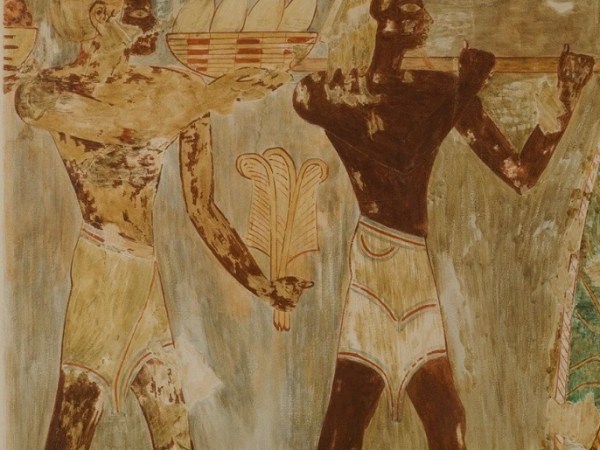
Beyond Ancient Aliens: How the Igigi Connect Starseeds to Indigenous Bloodlines
This post bridges alien theory with Indigenous wisdom, tracing starseed origins back to Earth’s oldest ancestors.
Keep reading
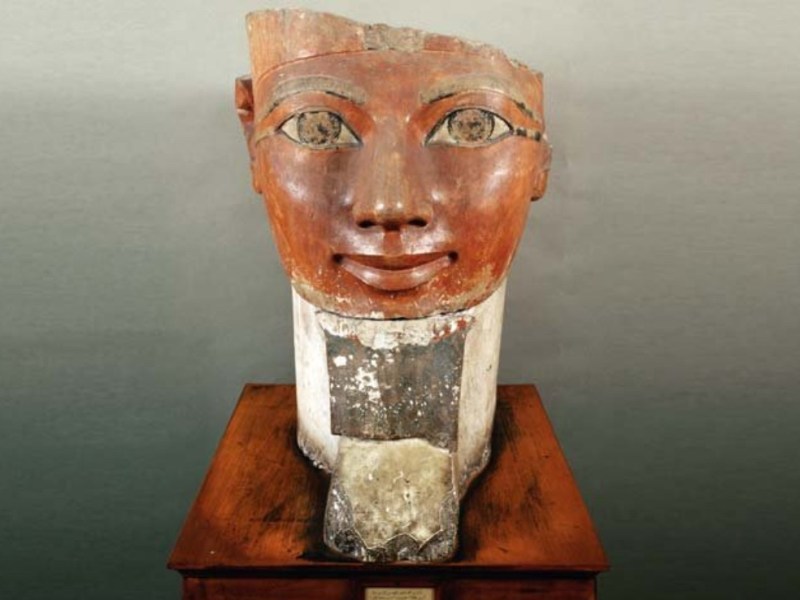
Was Punt in Ancient America? Rethinking the True Cradle of Civilization
The Egyptians called it Ta Netjer—Land of the Gods. Many believe Punt was in East Africa, but ancient clues point west. Could the true Punt lie in the Americas? From pyramids to sacred plants found in mummies, history may be far older—and more connected—than we’ve been told. Discover the truth on Livity.Blog.
Keep reading
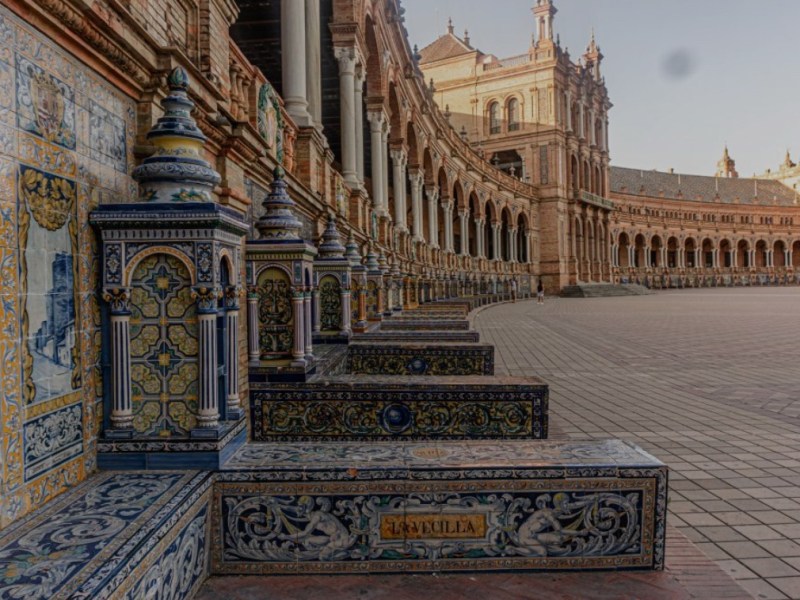
Andalusia: The African-Islamic Soul of Spain
Exploring the Hidden History and Moorish Architecture That Still Shapes Europe “They called it Al-Andalus. We call it memory. A place where African minds, Islamic vision, and Indigenous spirit reshaped the very foundation of Europe.” Introduction: A Forgotten Golden Age When people visit southern Spain, they marvel at the ornate palaces, flowing fountains, intricate tilework,…
Keep reading
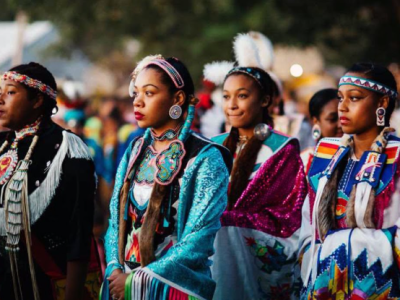
The Shinnecock Indians: Black Indigenous Guardians of the Hamptons
The Shinnecock Indian Nation, long before European contact, thrived on Long Island’s shores for over 10,000 years. Their rich Black Indigenous heritage challenges colonial narratives. Despite colonization and land theft, they continue to assert their identity, fighting for cultural preservation and economic sovereignty amid modern challenges. Their story embodies resilience and connection to the land.
Keep reading
Dark Energy, Spiritual Energy & The Double Slit Experiment: Indigenous Cultures Always Knew What Science Is Just Discovering
Dark Energy isn’t just science — it’s Spirit.
Long before physicists named it, Indigenous cultures lived in relationship with this force — the invisible energy that connects all life and expands the universe.
This article explores how The Golden Compass’ Dust mirrors ancient wisdom, how the Double Slit Experiment proves consciousness shapes reality, and how…
Keep reading
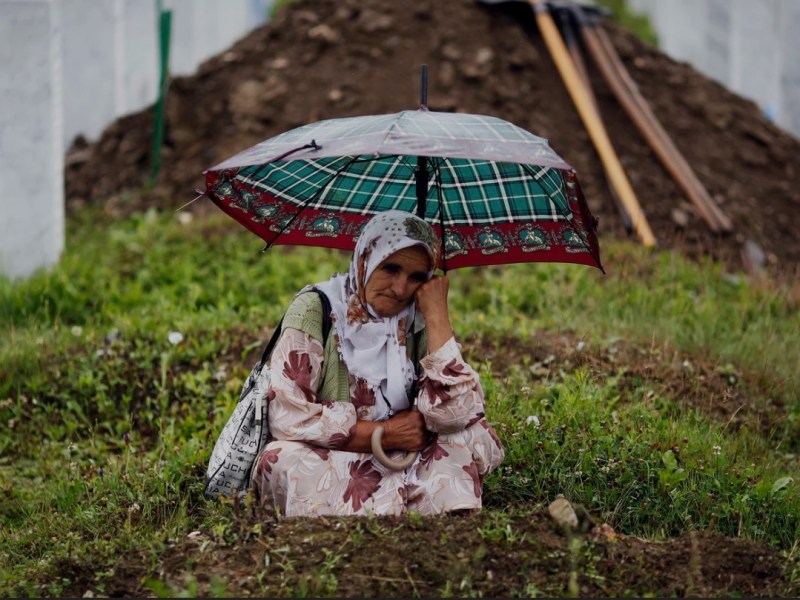
Erased from the Earth: The Hidden Genocides of Europe
They were erased in silence. From the genocide of Bosnian Muslims to the forgotten Indigenous peoples of Europe—the truth has been buried beneath flags, rewritten history, and forced assimilation.
But we remember. And we speak.
The ancestors of the Sami, the Celts, the Basques, and the Romani are calling. The voices of Srebrenica still echo.
…
Keep reading
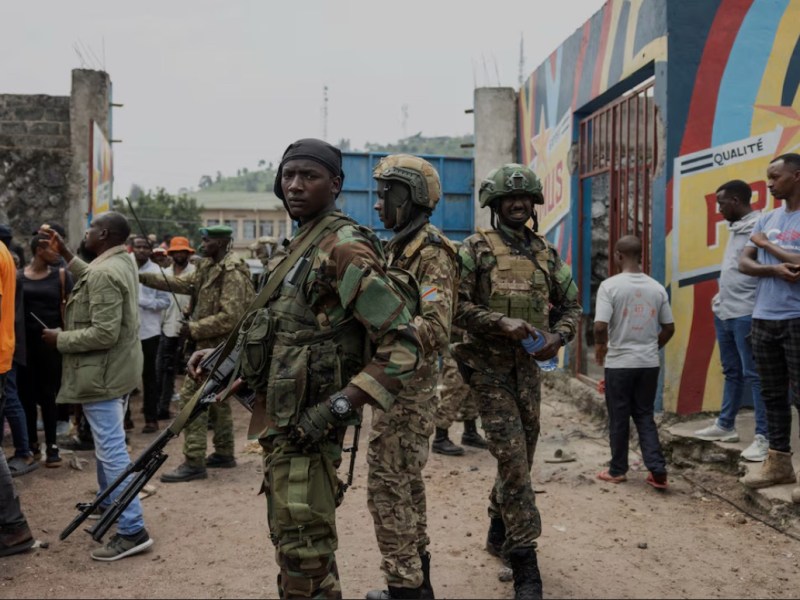
Cobalt and Carnage: The Hidden Cost of Our Smartphones
Congo’s minerals power our tech—but at the cost of lives, land, and legacy. Uncover the hidden genocide at Livity.blog.
Keep reading
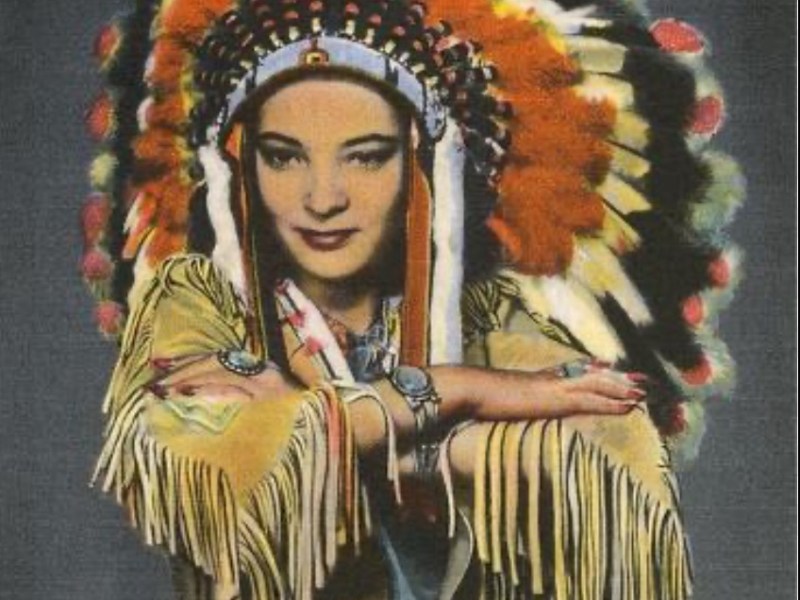
Sacred Lineages: The Choctaw and the Mystery of Mitochondrial Memory (Part II)
The article explores the genetic connections between the Choctaw and ancient civilizations such as the Berbers, Egyptians, and Sumerians. It highlights the unique mitochondrial haplogroup X2a found in the Choctaw, suggesting potential pre-Columbian trans-oceanic contact or shared ancestry. These cultures share spiritual reverence for feminine energy and maternal lineage, indicating a profound historical interconnection.
Keep reading
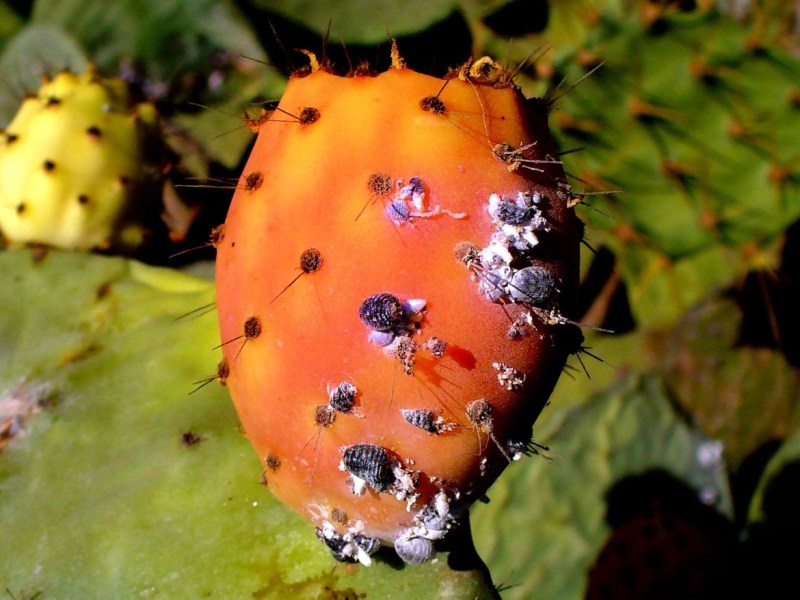
Death of a Dye? The Hidden War Behind Red 40 and the Ancient Wisdom of Cochineal
To the Aztecs and Maya, color was not decoration—it was declaration. Red was life, vitality, and spirit. When Spanish colonizers arrived, they saw cochineal’s richness and value—and did what they always did. They extracted it, commodified it, and tried to erase the people who made it sacred.
Fast-Forward: The Rise of the Synthetic Era… The…
Keep reading
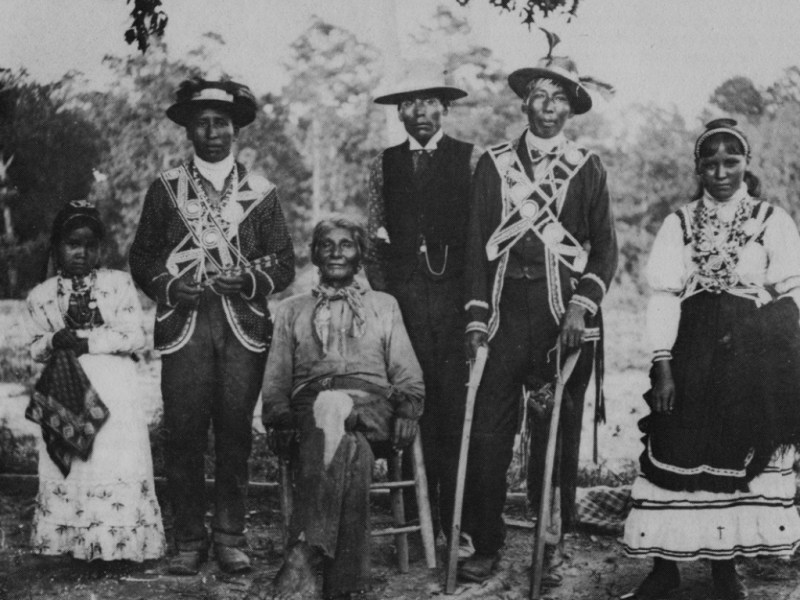
Bloodlines of the Ancients: Exploring the Rare Blood Types and DNA of the Blackfeet, Blood Indians, and Choctaw Peoples
In the great rivers of our ancestral memory, blood is not just life—it is legacy. Among Indigenous nations, sacred traditions and oral history have long preserved the understanding that blood carries the spirit of the ancestors. Today, science begins to echo this truth as researchers uncover the unique genetic signatures embedded in the lineages of…
Keep reading
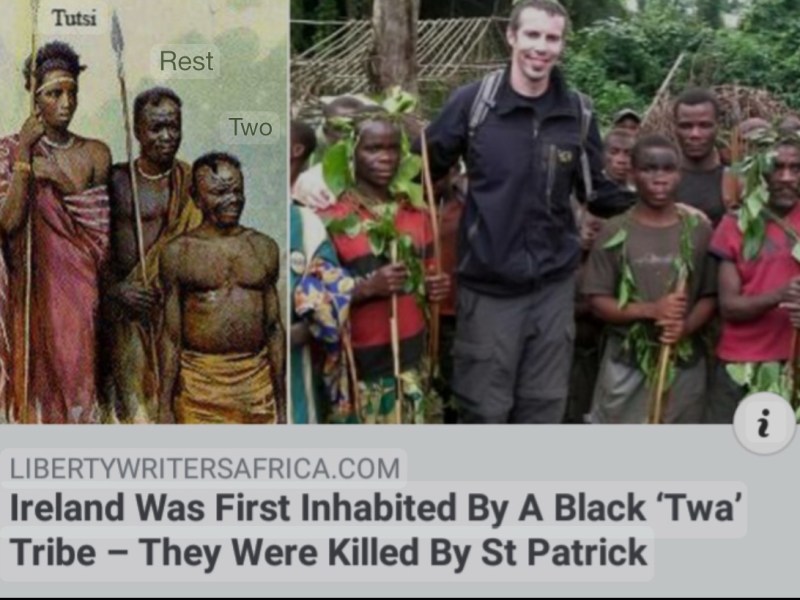
The Twa, Ireland’s Stone Monuments, and the Untold Histories of the First Peoples
The Twa people, one of the oldest human lineages, are said to have traveled far beyond Africa, carrying ancient knowledge, architecture, and traditions. Could they have reached Ireland long before the Celts?
Keep reading
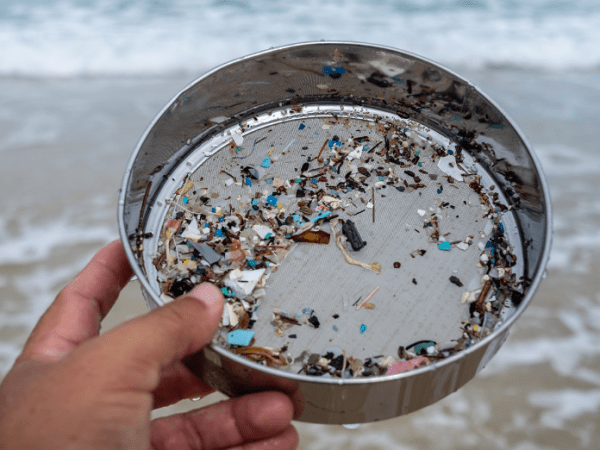
Nanoparticles: The Invisible Threat to Our Environment and Health
Nanoparticles, while beneficial in various industries, pose significant environmental and health risks. They infiltrate air, water, and soil, impacting ecosystems and contributing to disorders like autism and ADHD. With widespread contamination from sources like plastic bottles, the urgency to address nanoparticle exposure through informed choices and advocacy for sustainable practices is critical.
Keep reading
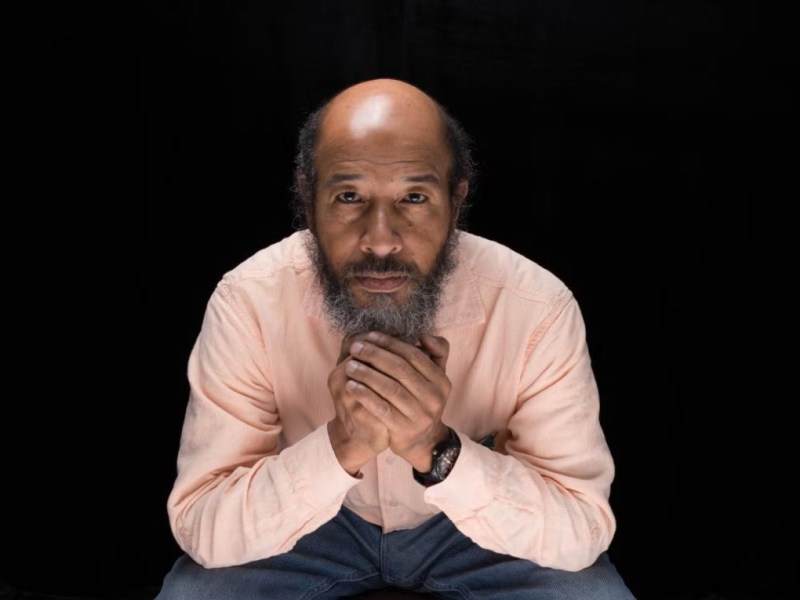
Albert Chong: The Art of Memory, Resistance, and the Spirit of the Ancestors
🔥 Honoring Ancestral Memory: A LIVE Conversation with Albert Chong 🔥
“The easiest form of white supremacy… is exclusion.” – Albert Chong
What happens when history erases your ancestors? You reclaim them. Jamaican-born artist Albert Chong has spent his career doing just that—through photography, sculpture, and his powerful Thrones for the Ancestors series, which seats…
Keep reading
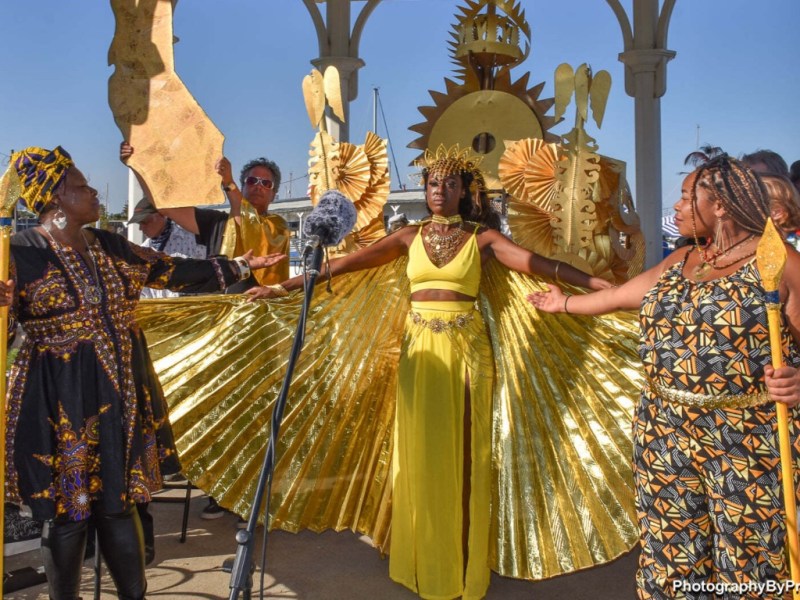
Was Queen Calafia Real? The Lost Amazon Warriors of Ancient California and the Island That Disappeared
The Lost Amazon Warriors of Ancient California 🏺🌊
Was Queen Calafia real? Could her legendary island kingdom have been inspired by an actual warrior society in ancient California?
For centuries, maps depicted California as an island, but what if that wasn’t just a mistake? Geological evidence shows that Lake Corcoran once covered much of the…
Keep reading
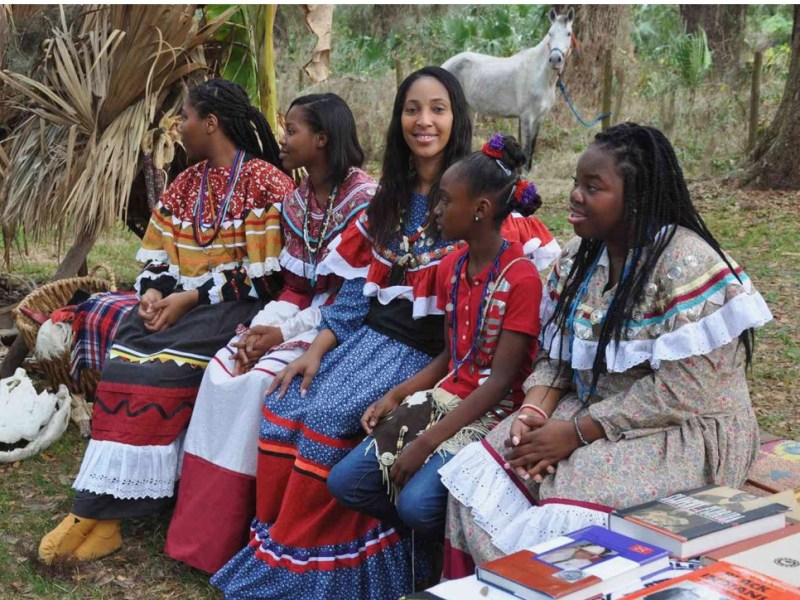
The Black Seminoles and the Seminole Wars: A Hidden Chapter of Aboriginal American History
The Black Seminoles were more than just allies of the Seminole Nation—they were an integral part of its identity, forged through shared struggle, resilience, and a deep ancestral connection to the Americas. Often described as “runaway slaves,” these individuals were, in truth, part of an older lineage of Black Aboriginal Americans who had lived on…
Keep reading

Lalibela’s Hidden Codes: Mysticism, Sacred Architecture, and the Power of Spiritual Fasting
Fasting serves as a spiritual gateway intertwined with the rock-hewn churches of Lalibela, a site rooted in divine vision and sacred geometry. King Lalibela’s journey reflects the importance of fasting in accessing higher consciousness. It raises questions about ancient wisdom, possible pre-Christian origins, and the profound connection between fasting and divine revelation.
Keep reading
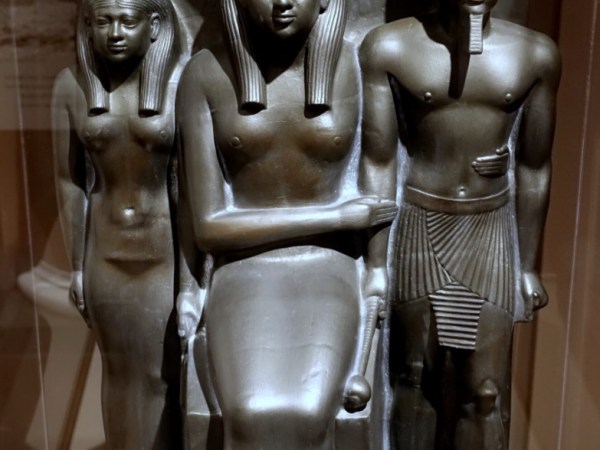
Are the Original Egyptian-Nubians Linked to Other Ancient Civilizations?
The article explores the connections between ancient civilizations including Egyptians, Nubians, Dravidians, Olmecs, and Aboriginal Australians. It suggests these cultures share a common heritage through spirituality, architecture, and genetic traits, indicating a global network that predates modern histories. The evidence highlights a shared legacy rooted in early human civilization.
Keep reading
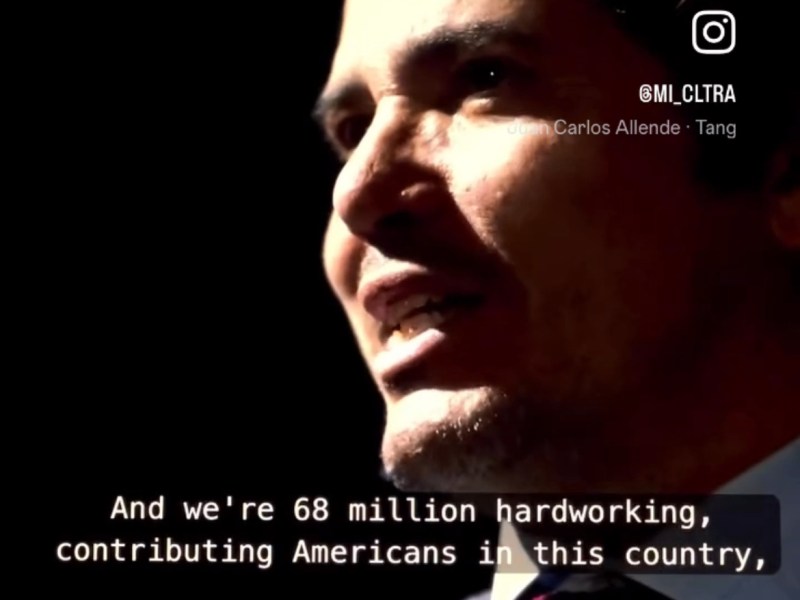
Cultural Apartheid in the U.S.: The Suppression of Indigenous and Black Art, History, and Identity
By Livity.Blog A System of Cultural Erasure The United States has long been heralded as a land of diversity and freedom, yet beneath its surface lies a system of cultural apartheid—a deliberate suppression of Indigenous, Black, and Latinx cultures through economic, legal, and social exclusion. Unlike the explicit laws of South African apartheid, the U.S.…
Keep reading
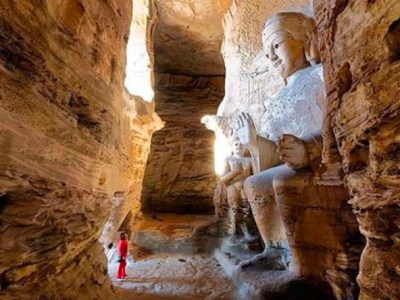
The Egyptian West: A Civilization Buried in Time
🌍 The Egyptian West: A Civilization Buried in Time 🏺
Could history be hiding a lost twin civilization—one where America, not Africa, was the first Egypt or Canaan? 📜 From the forbidden discoveries in the Grand Canyon to the mysterious Olmec colossal heads, what if the true Promised Land was in the West? 🏜️
Read…
Keep reading
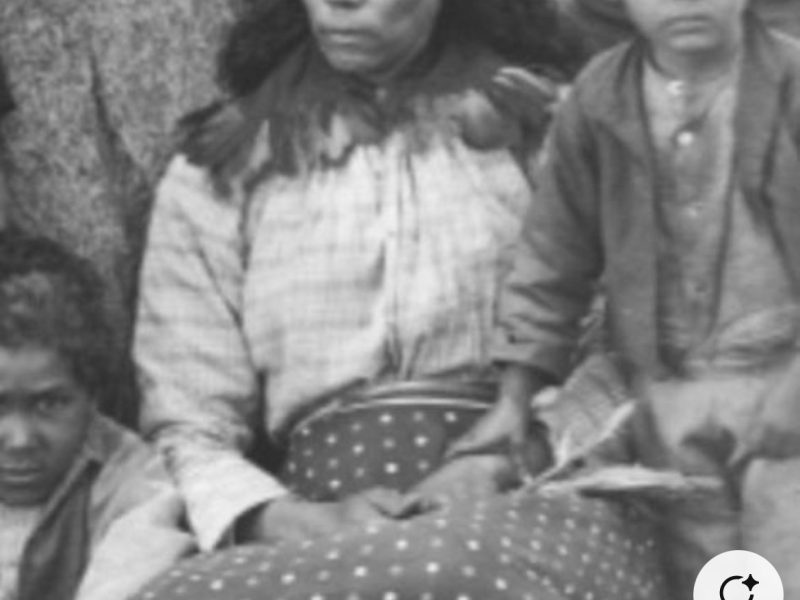
The Forgotten Builders: Are the Washitaw and Aboriginal Descendants the Lost Tribe of Judah?
The narrative reveals the often-overlooked history of the Washitaw Nation, identified as pyramid builders and potential descendants of the Tribe of Judah. It highlights their ancient legacy and connection to other global tribes, suggesting a shared ancestry. The erasure of their history through colonization is acknowledged, yet their enduring oral traditions assert their rightful place…
Keep reading
Tartaria’s Afro-Asiatic Legacy in the Americas: A Forgotten Civilization Suppressed by Colonial Powers
The article discusses Tartaria, a lost Afro-Asiatic civilization potentially spanning Africa, Asia, and the Americas, whose existence was systematically suppressed by European powers. It links the Mound Builders and Washitaw Nation to this history and emphasizes the erasure of their advanced knowledge and technologies, raising questions about colonial narratives.
Keep reading
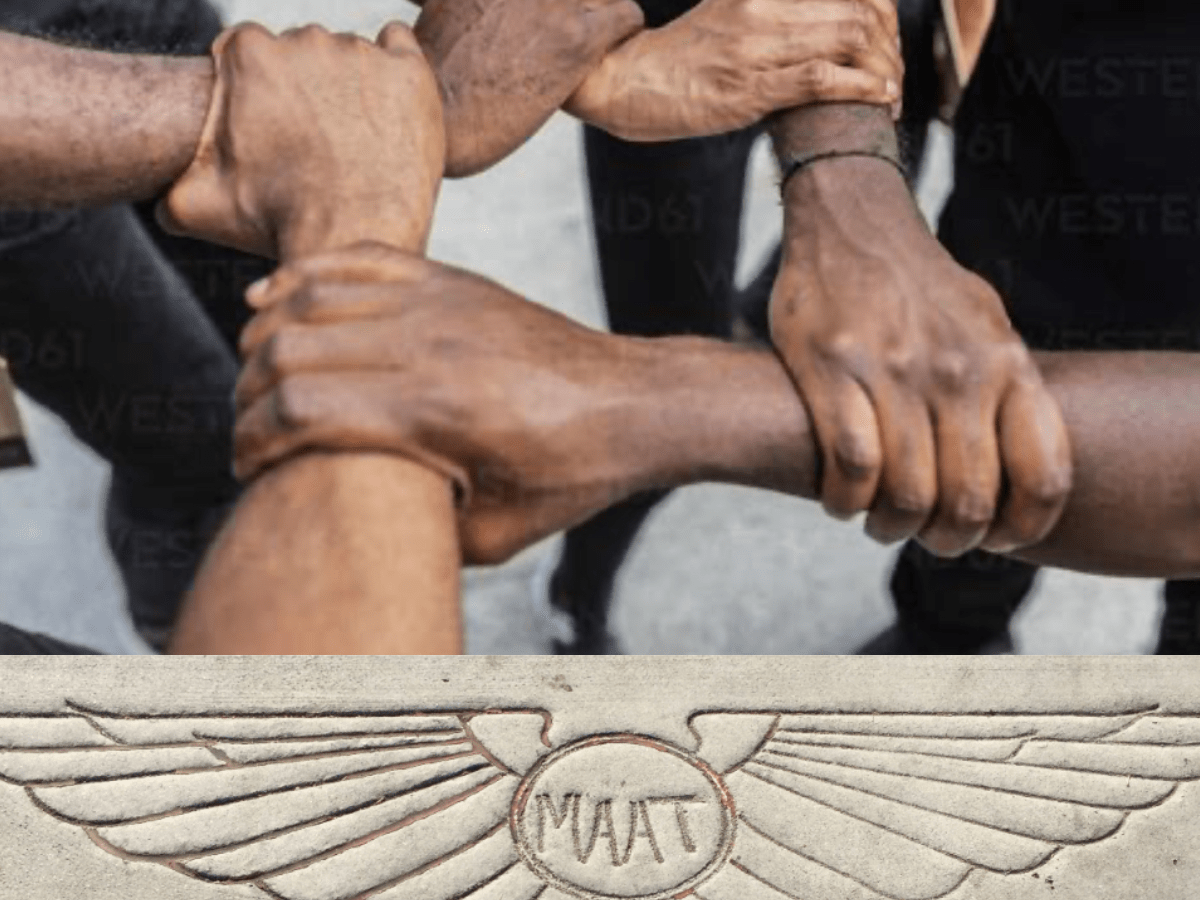
Unity Through Ancestry
Embracing Maat serves as a transformative path toward Black unity and cultural resilience, rooted in ancient wisdom of truth and justice. This approach fosters collective identity, encourages economic empowerment, and promotes community strength against systemic injustice, helping to reclaim ancestral practices while celebrating diversity to navigate contemporary challenges for stronger solidarity and liberation.
Keep reading
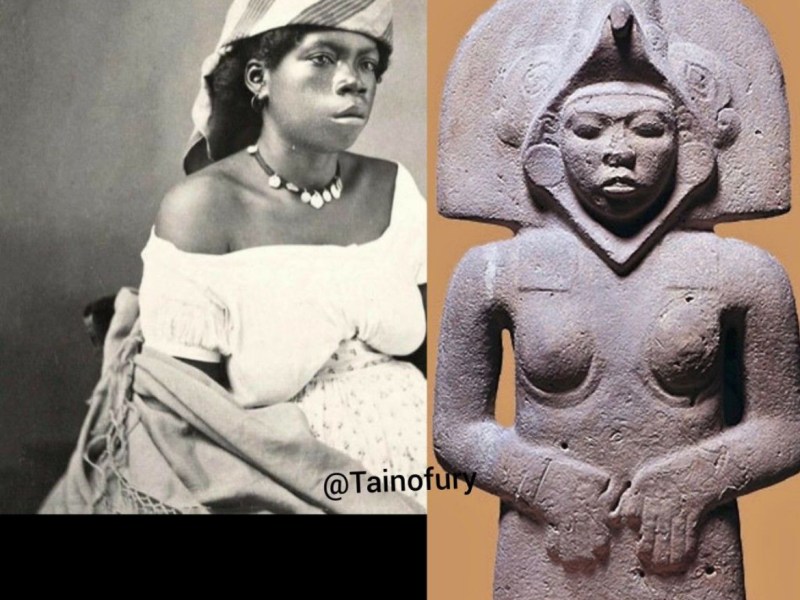
Bridging Worlds: The Olmec and Mayan Connection to Egyptian Knowledge
The Olmec, Mayan, and ancient Egyptian civilizations showcase remarkable ingenuity and spiritual depth, marked by parallels in hieroglyphics, astronomy, and technology. Both cultures developed sophisticated communication and architectural skills and shared a profound connection with the cosmos. Theories of transoceanic contact or shared human consciousness suggest intriguing links between them.
Keep reading
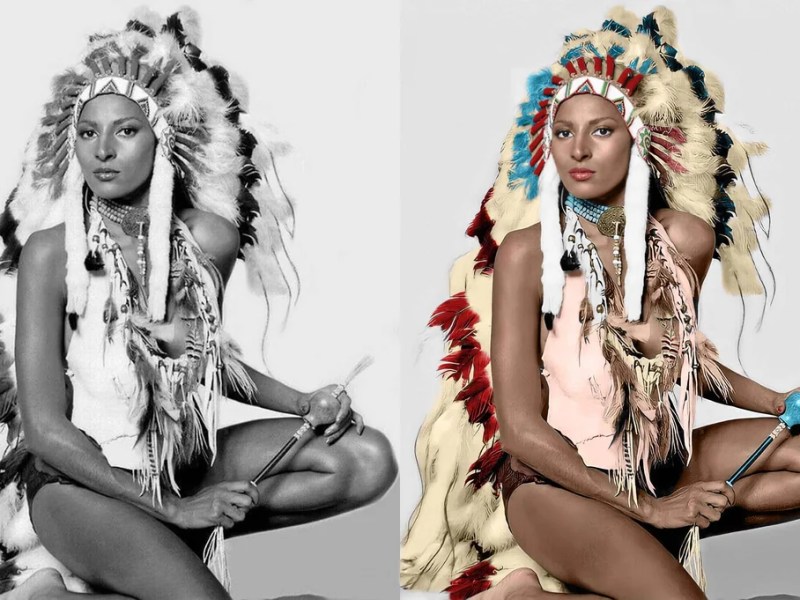
Black Indigenous: The PaleoIndian Peoples, Erased American Aborigines
The story of Black Indigenous peoples, descendants of Paleoindian inhabitants, reveals a rich cultural heritage often obscured by colonial narratives. Tribes such as the Washitaw Nation and Taino, linked through Olmec and Mayan influences, advocate for recognition, sovereignty, and justice. Celebrating their history fosters awareness of their significance and contributions to America.
Keep reading
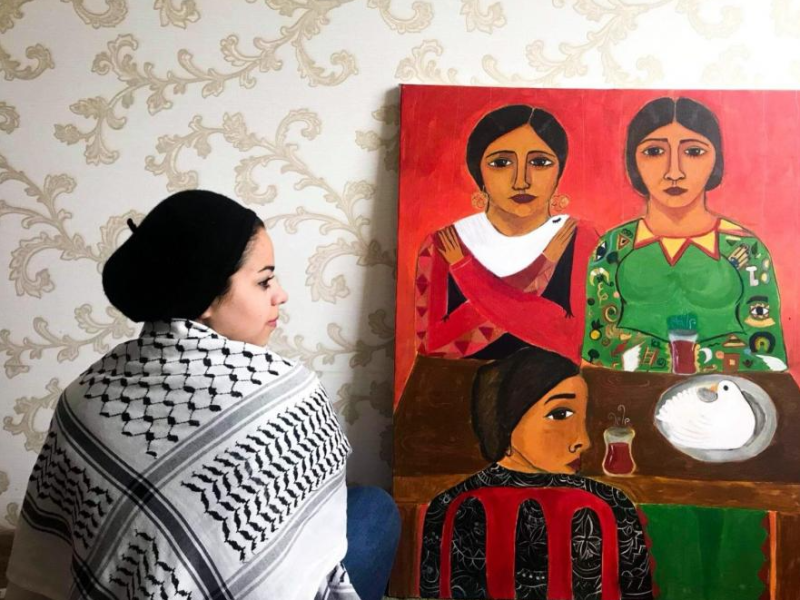
Artistic Advocacy
Malak Mattar’s activism through art inspires individuals to create DIY resistance art that advocates for social change. Her bold, expressive works address issues like identity and displacement, encouraging others to harness their creativity for empowerment and cultural advocacy. This guide emphasizes the importance of art as a voice for the voiceless.
Keep reading
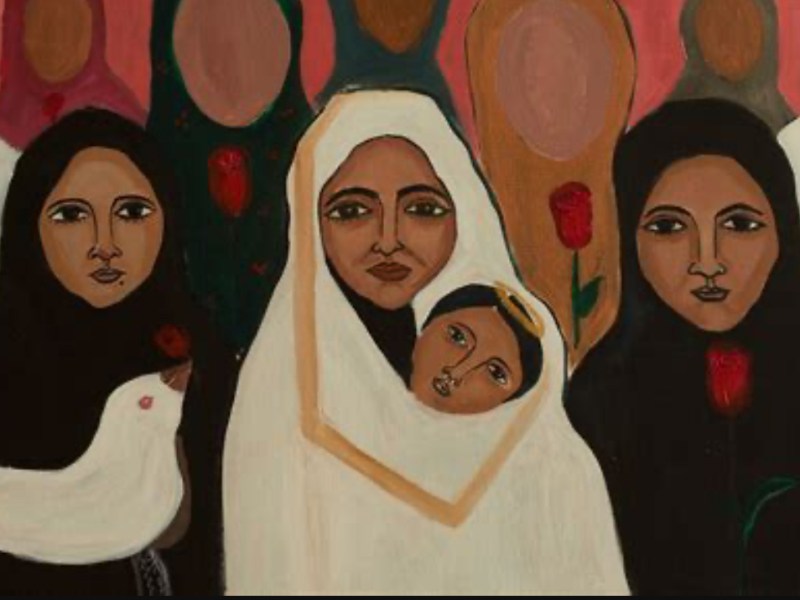
Malak Mattar: Painting the Soul of Palestine
Malak Mattar, a young Palestinian artist from Gaza, uses her art as a powerful form of expression amid displacement and trauma. Her emotive paintings, often portraying Palestinian women, challenge mainstream narratives and highlight resilience and hope. Mattar’s work transcends borders, promoting cultural identity and activism while representing the struggles of her people.
Keep reading
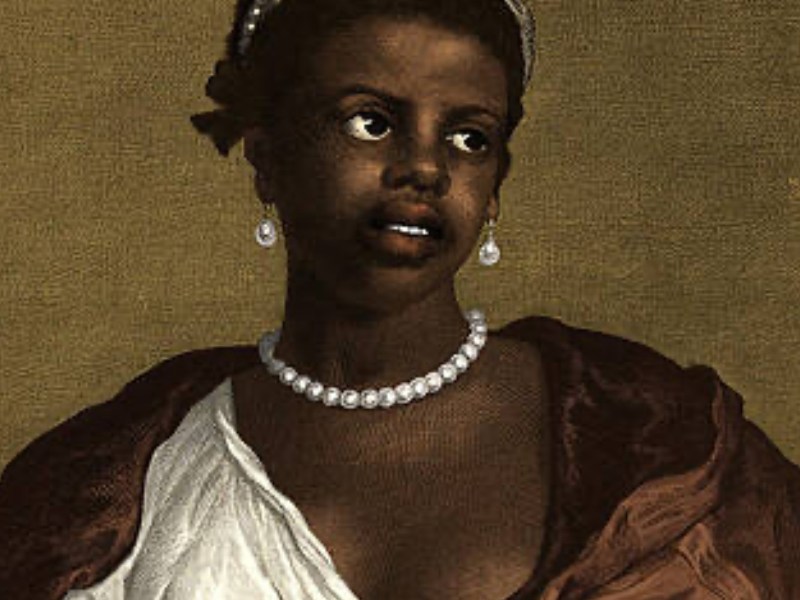
Free Black Communities in Louisiana
In 1700s Louisiana, free Black communities, known as gens de couleur libres, thrived under French and Spanish colonial rules, showcasing resilience and creativity despite systemic challenges. They contributed significantly to the region’s art, culture, and economy. However, the shift to American governance threatened their freedoms, highlighting the fragility of autonomy amidst systemic racism.
Keep reading
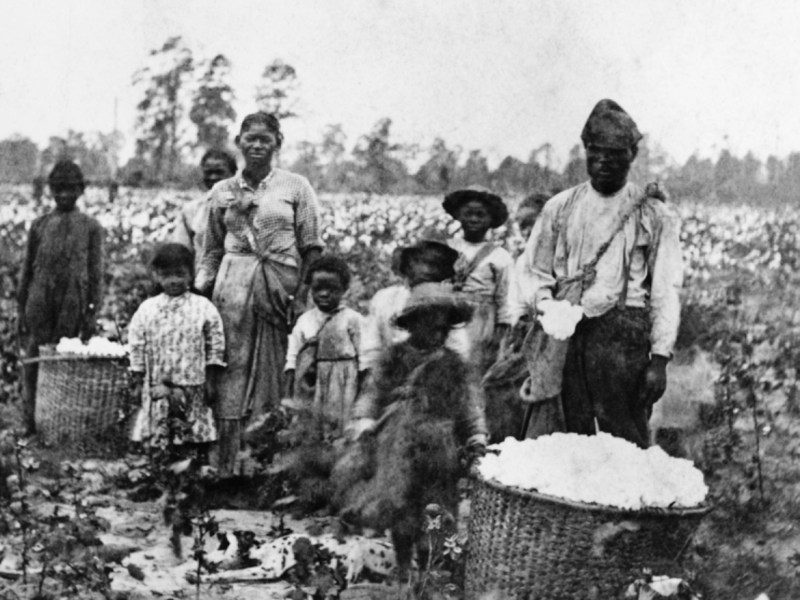
The Day of Mourning
The content reflects on the impact of colonization on Black, Brown, and Indigenous communities, marking Thanksgiving as a Day of Mourning. It discusses historical events like the Pequot War and the transatlantic slave trade, emphasizing ongoing struggles for equity and justice. Resistance movements unite marginalized communities in their fight against systemic inequalities.
Keep reading
The Erasure of Black Indigenous Peoples: A Hidden History of Resilience and Resistance
Black Indigenous peoples have historically faced systematic erasure due to colonialism, ethnocentrism, and misclassification in census records, which marginalized their identities. Despite this, they exhibit resilience and maintain their cultural heritage. Efforts by scholars and activists today aim to reclaim their stories, challenging historical narratives and advocating for accurate representation.
Keep reading
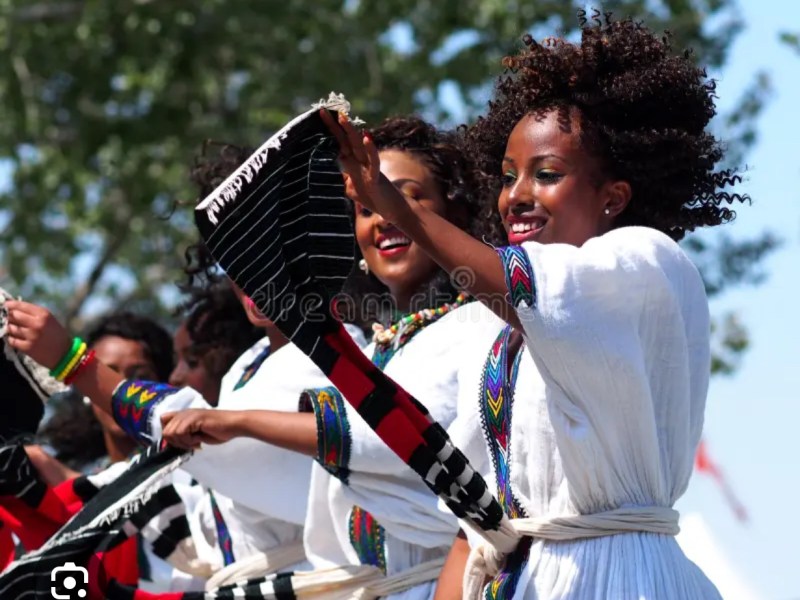
Cultural Dances Of Eskista And Syrtos
The dance arts of Ethiopian Eskista and Greek Syrtos exemplify cultural pride and community bonding. Eskista features distinctive shoulder movements celebrating Ethiopian heritage, while Syrtos embodies unity through fluid circular motions. Both dances transcend geographical boundaries, connecting diverse audiences and inspiring a deeper appreciation of shared traditions and global cultural expressions.
Keep reading
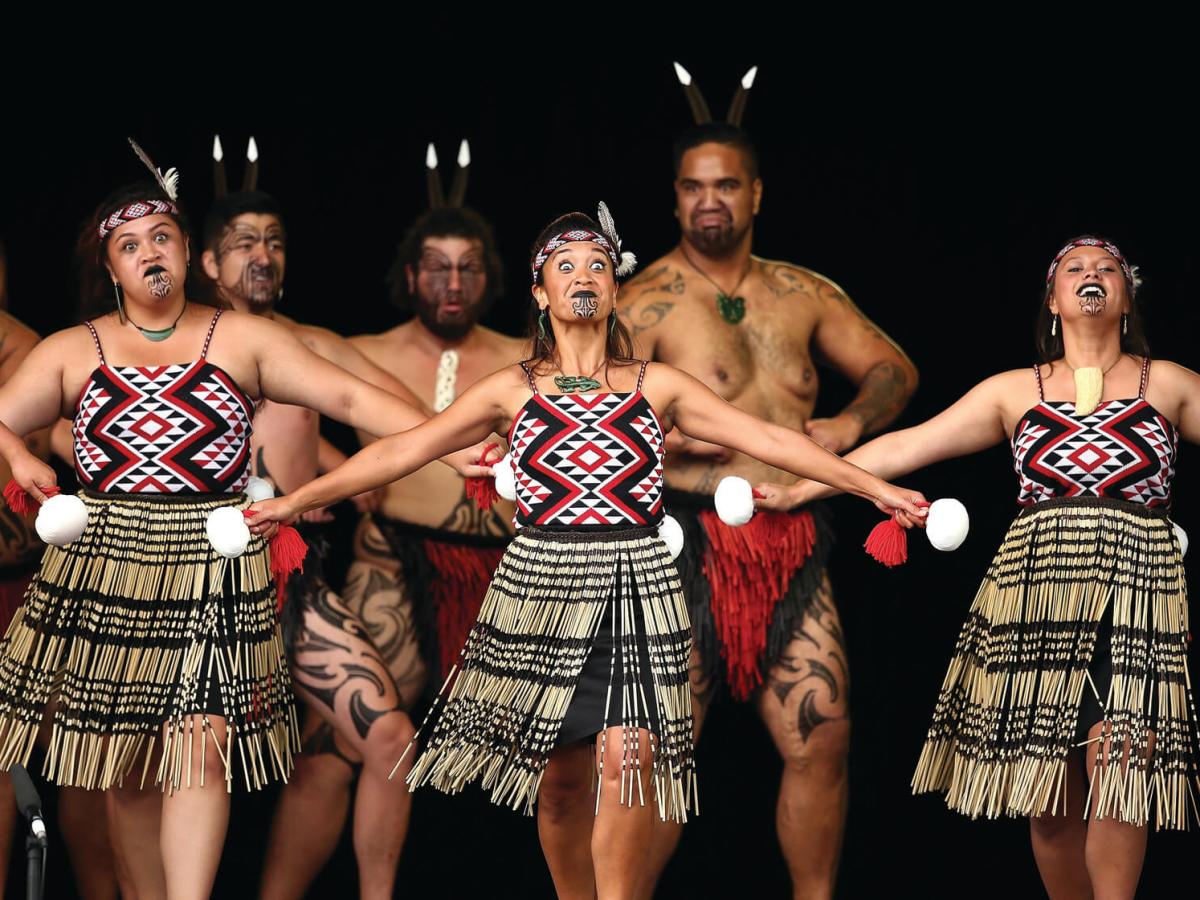
Fusing Art and Dance: How Indigenous Dance Inspires Spiritual Art
The content explores the profound intersection of indigenous dance and art, illustrating how movement serves as a spiritual conduit for artists worldwide. Dance traditions, including Ethiopian, Caribbean, African, and Irish styles, influence artistic expression by infusing artworks with cultural narratives and emotional depth. Artists draw upon these traditions to celebrate heritage, spirituality, and community unity,…
Keep reading
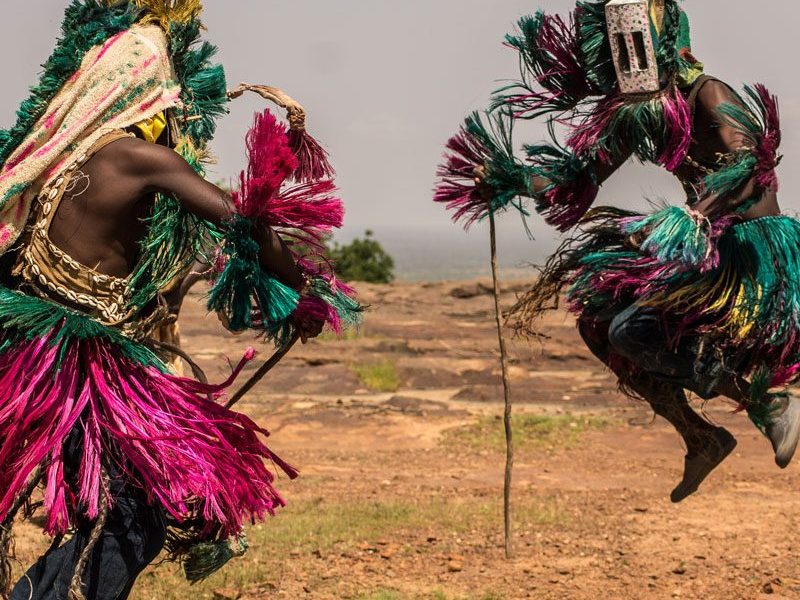
Ancient Wisdom: Dogon, Egyptian, and Ethiopian Spirituality
The Dogon Tribe of Mali showcases profound spiritual traditions and astronomical knowledge, particularly about the star Sirius. Their beliefs closely align with ancient Ethiopian and Egyptian cultures, emphasizing cosmic order and ancestral reverence. This interconnected wisdom highlights a shared African spiritual framework, offering insights into the relationship between humanity and the universe.
Keep reading
Sustainability in the Livity Lifestyle: Lessons from Rastafarians and Indigenous Cultures
Sustainability, although a contemporary term, has deep roots in ancient practices like Livity, a holistic lifestyle popularized by Rastafarians that emphasizes natural living and social justice. This philosophy includes sustainable eating through the Ital diet and a deep respect for nature, offering lessons on living in harmony and minimizing environmental impact from Indigenous cultures worldwide.
Keep reading
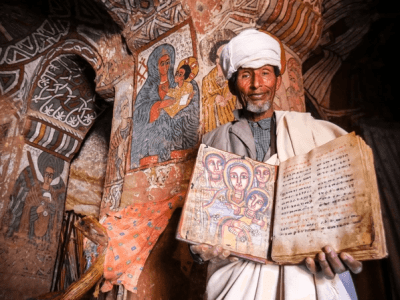
Reclaiming Ethiopian Art: A Story Erased from History
Ethiopian art, with roots in the ancient Axumite Empire, has long been marginalized in global art history despite its cultural and spiritual significance. The erasure stems from colonial narratives that sidelined African artistic traditions. A growing movement now seeks to reclaim Ethiopian art, emphasizing its unique blend of Christian and indigenous influences.
Keep reading
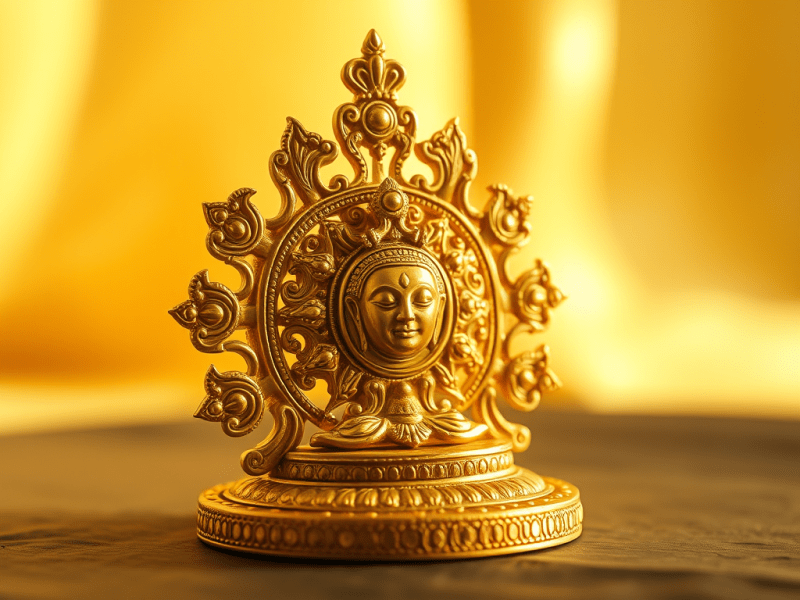
Gold: Its Cultural Value and Significance in Art and Spirituality
Gold has been a potent symbol of wealth, spirituality, and immortality across cultures for centuries. Revered in art and rituals, it connects the earthly with the divine, embodying purity and enlightenment. Its transformative nature inspires generations, while modern interpretations continue to highlight its sacred qualities, reminding us of our inner light and potential.
Keep reading
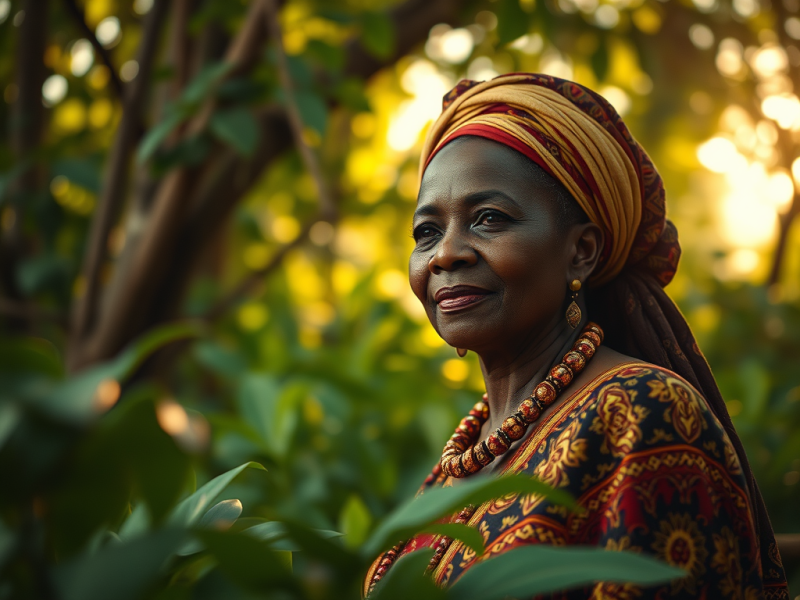
Matrilineal Societies & Livity Living: Honoring Ancestral Wisdom
Matrilineal traditions have historically emphasized the importance of women in communities, as seen in the Akan people’s culture, where lineage and leadership come through the maternal line. This structure, which aligns with Livity Living’s principles of balance and respect for nature, showcases how honoring feminine roles can foster communal harmony and sustainability.
Keep reading
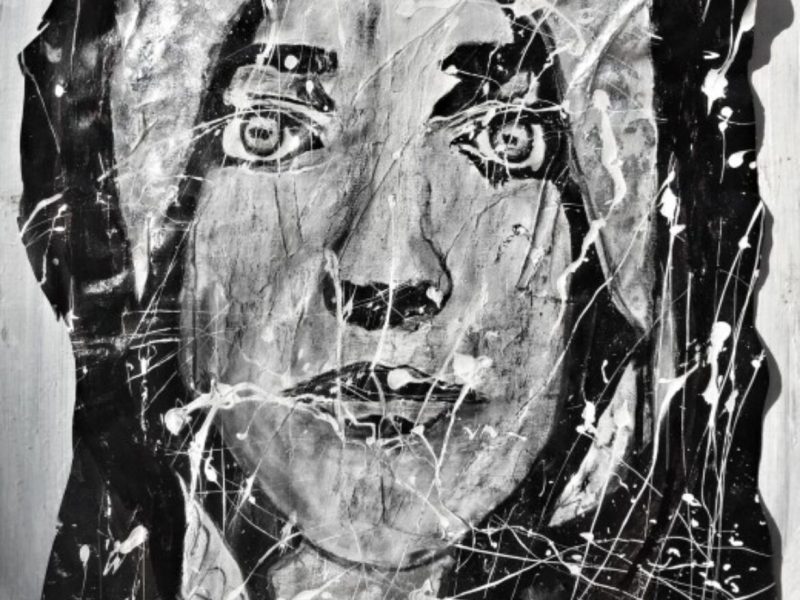
Black and White: A Conversation We All Need
In a world focused on social justice, the terms “black” and “white” are based on social constructs, dividing and dehumanizing people. Historically, colonial America introduced legal distinctions, imposing a racial hierarchy to justify slavery. Human populations’ skin color variation was an adaptation to environmental conditions. A false belief in significant biological differences between races persists,…
Keep reading
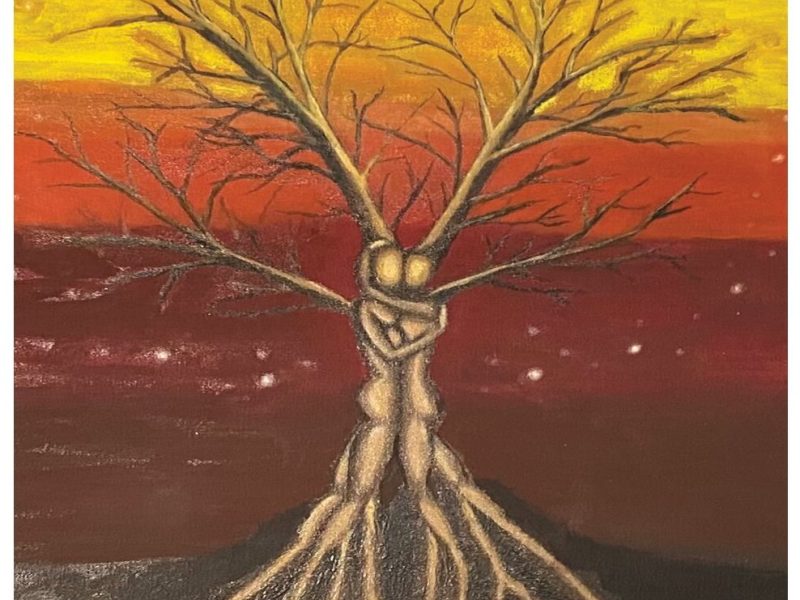
Livity and the Tree of Life: Uniting Spiritual Awareness and Ecological Balance
The Tree of Life, a symbol deeply rooted in indigenous cultures, embodies balance and interconnectedness. Through its portrayal in art, it reflects humanity’s responsibility to nature and spiritual harmony. This symbolism aligns with the livity philosophy, emphasizing conscious living and ecological balance. Contemporary indigenous art continues to advocate for environmental stewardship and unity in the…
Keep reading
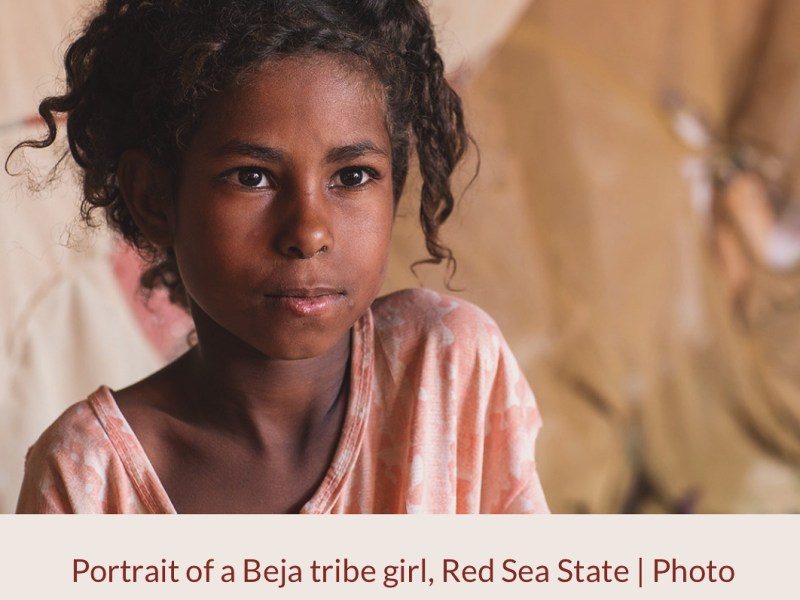
The Beja People: Guardians of Heritage, Livity, and Indigenous Wisdom
The Beja tribe, with a history of over 4,000 years, maintains a semi-nomadic lifestyle in northeastern Africa. Their rich cultural heritage, spiritual practices, and connection to Neith, an ancient Egyptian goddess, reflect their deep ties to the land. Despite challenges, they preserve traditions aligned with natural principles, mirroring the philosophy of livity.
Keep reading

The Ital and Dr. Sebi Diets: Natural Healing and Alkaline Nutrition
The Ital diet and Dr. Sebi’s approach emphasize natural, unprocessed foods to promote alkalinity and prevent diseases. These plant-based diets have shown benefits in maintaining balanced pH, detoxifying the body, and potentially reducing the risk of cancer and heart disease. Fasting is also integrated to facilitate healing and cellular repair.
Keep reading
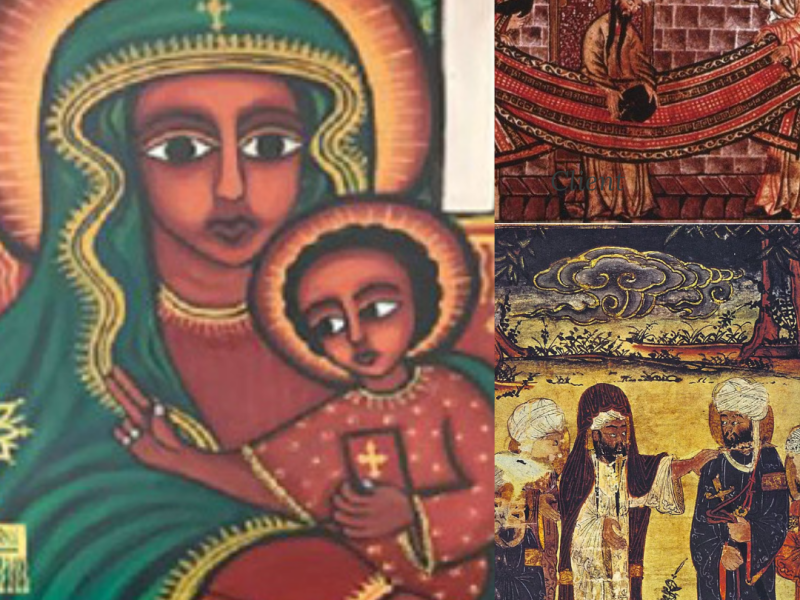
Livity: Bridging Islamic and Christian Values for Collective Good
In today’s world, bridging Muslim and Christian traditions is vital for a harmonious, compassionate society. Livity, centered on living in harmony with nature and each other, offers a foundation for uniting traditions, embracing shared values, sacred practices, and nature’s universal significance. This integration through Livity paves the way for unity and healing in communities.
Keep reading
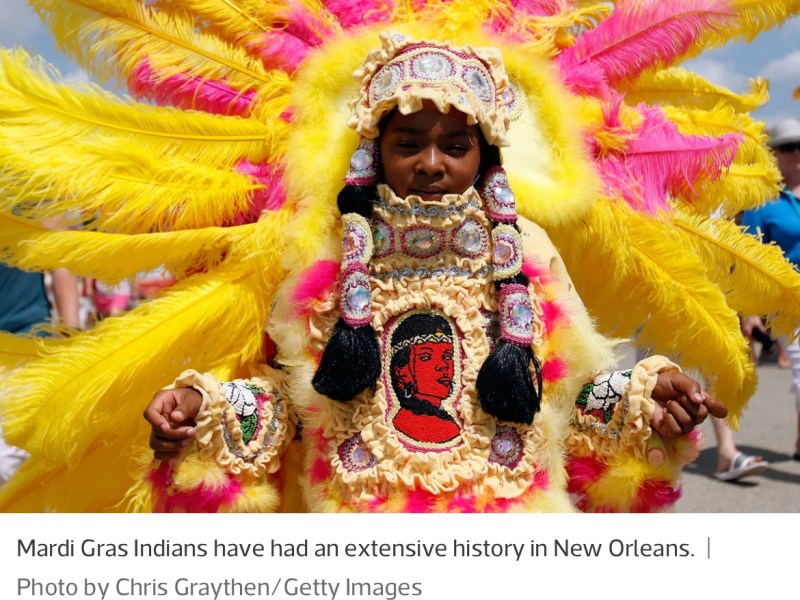
Indigenous Black Tribes of New Orleans: A Journey Through Culture and Resilience
The indigenous Black tribes of New Orleans, blending African and Native American traditions, exhibit cultural resilience through the Mardi Gras Indians, Voodoo spirituality, and more. Despite historical challenges and contemporary struggles, they persist in preserving their identity and enriching the tapestry of New Orleans. Efforts to document and honor their contributions are gaining momentum.
Keep reading
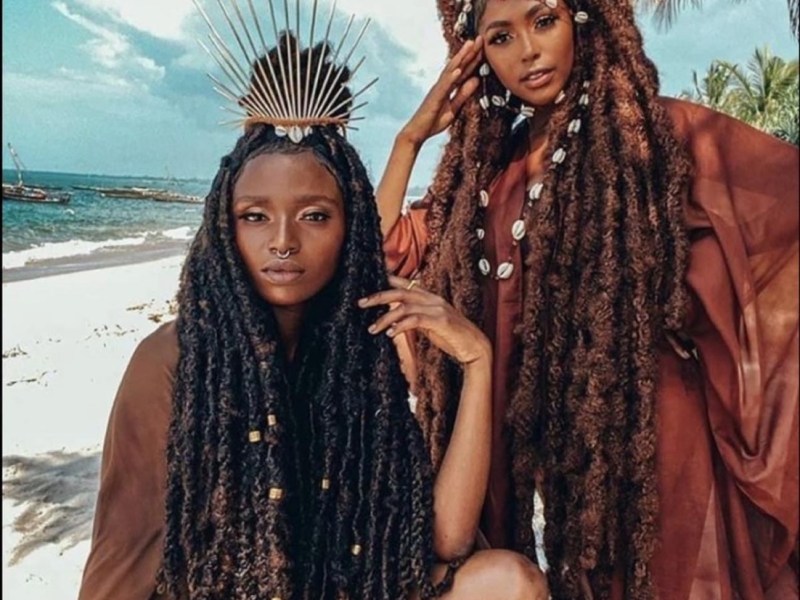
Livity, Maat, and Modern Living: Balancing Spirituality and Wellness
Livity and Maat, rooted in Rastafari and ancient Egypt, guide a balanced life. Livity promotes natural living, spiritual awareness, community, and Ethiopian roots. Maat embodies truth, balance, and harmony. By integrating these philosophies, holistic health, ethical living, environmental stewardship, cultural awareness, and community building can enrich modern life. These principles inspire a future of wisdom,…
Keep reading
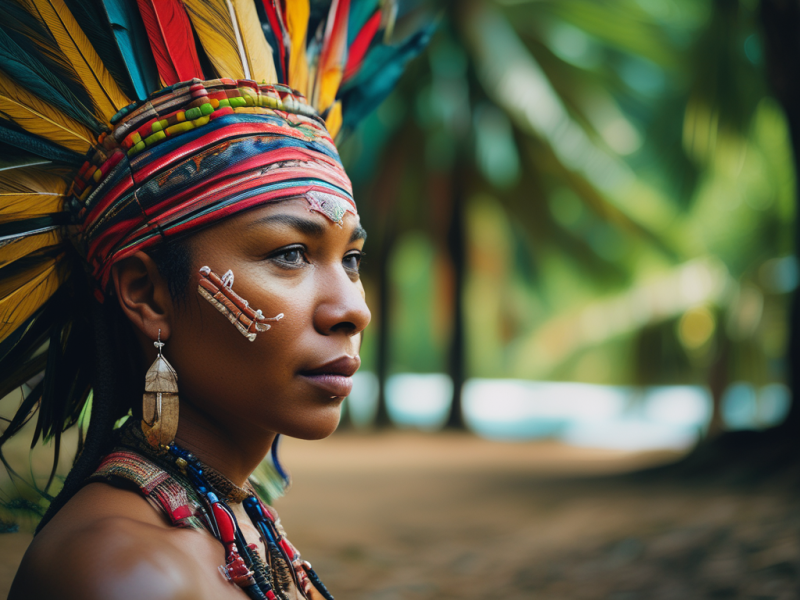
Peopling of the Americas: African and Indigenous Migration Theories and Debates
The peopling of the Americas has sparked debate, with mainstream theories suggesting migration from Asia and alternative hypotheses proposing early African migrations across the Atlantic. Genetic, cultural, and linguistic evidence, as well as Indigenous narratives, support this possibility. While speculative, this theory raises important questions about human exploration and interaction, enriching our understanding of pre-Columbian…
Keep reading
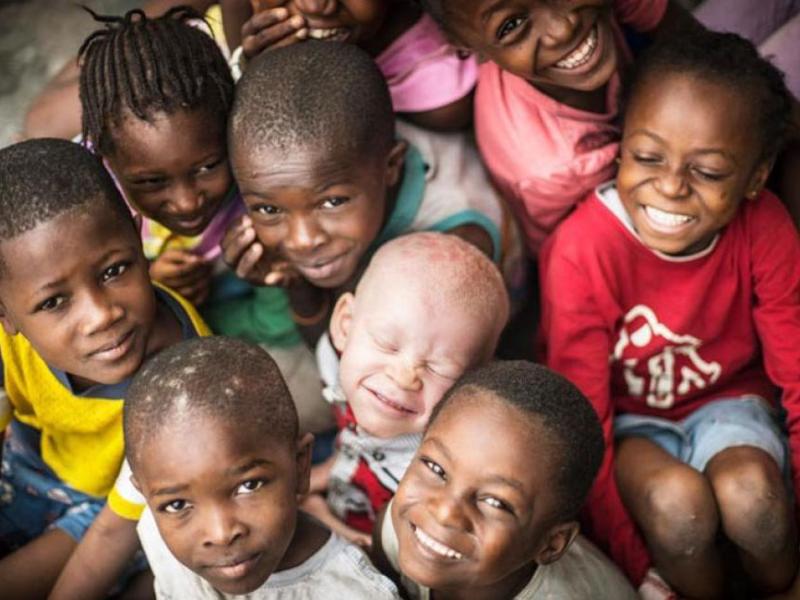
The Story of Albinism: From Noah to Modern-Day Tanzania
Albinism, deeply rooted in ancient texts and contemporary Tanzania, reflects a blend of cultural beliefs, genetics, and societal struggles. Tanzanian albinos encounter discrimination and violence due to superstitions. Efforts to improve their situation exist, while the historical context and genetic factors contribute to the prevalence of albinism in Tanzania.
Keep reading
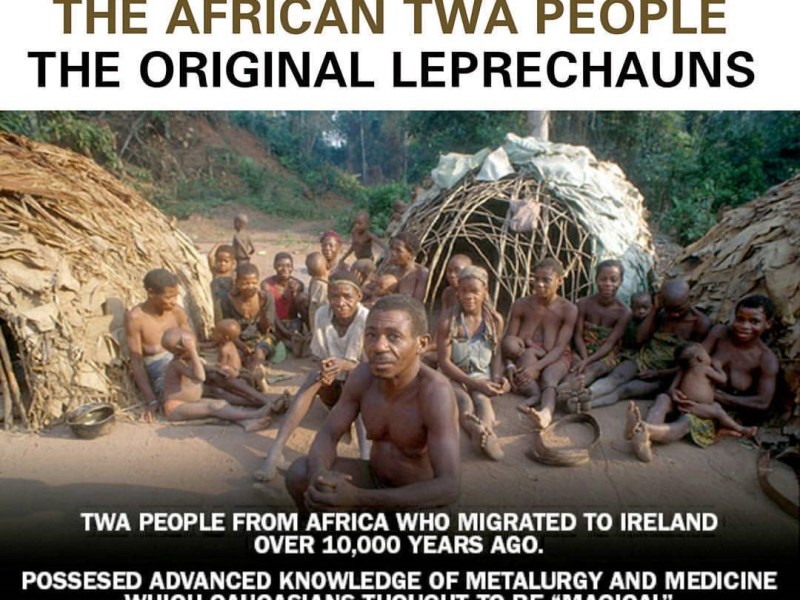
The Twa People: Ancient Black Inhabitants of Ireland and Their Connection to St. Patrick’s Day
The Twa people, also known as pygmies, are believed to be among the first black inhabitants of Ireland. Linguistic clues, historical accounts, and cultural exchanges support their significant role in shaping early Irish society. Their enduring legacy and wisdom continue to enrich the island’s diverse and multicultural past.
Keep reading
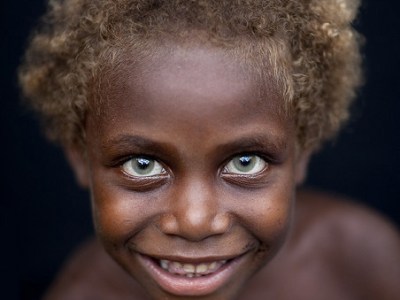
Hidden Roots: How Various Religious Dogmas Stem from African Aborigines Belief Systems
The interconnected tapestry of world religions is woven with threads from African aborigines’ spirituality, influencing beliefs globally. Their holistic belief systems, including animism, ancestor worship, and rituals, have shaped major religions such as Ancient Egyptian, Abrahamic, Hinduism, and indigenous Americas’ practices. Reconnecting with these ancient roots offers profound insights, integrating wisdom into contemporary spirituality and…
Keep reading
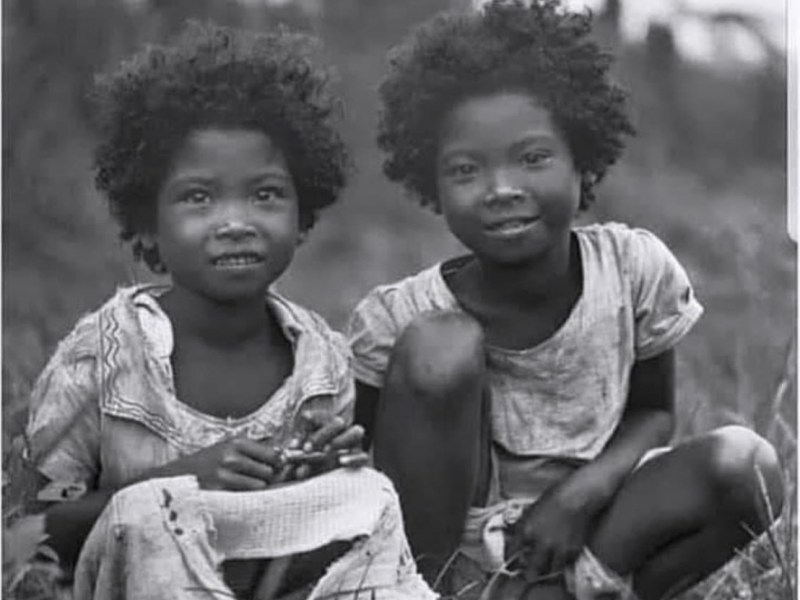
Rediscovering the Aeta: The First Inhabitants of the Philippines
The Aeta, an indigenous group in the Philippines, trace their roots back 20,000 to 30,000 years. Residing in the mountains of Luzon, they are known for their hunter-gatherer lifestyle and cultural heritage, including diverse languages and traditional practices like tattooing. Despite facing challenges, they continue to preserve their identity and contribute to Filipino diversity.
Keep reading
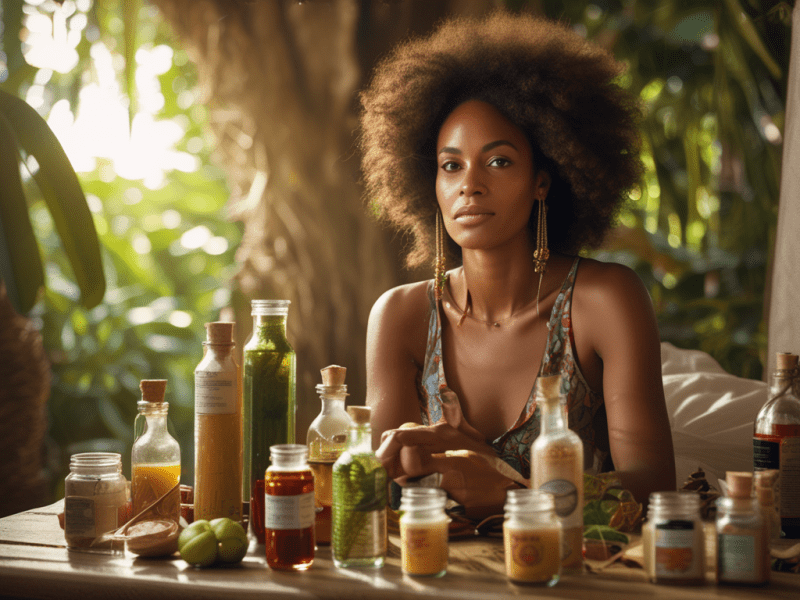
The Power of Cultural Heritage in Modern Wellness: A Livity Approach
In today’s fast-paced world, modern wellness draws from ancient cultural practices to enrich well-being and preserve valuable heritage. Livity, emphasizing harmony with nature and community, promotes genuine connections to cultural roots while adapting to modern life. This integration encompasses spirituality, traditional practices, and the importance of preserving cultural heritage, offering meaningful ways to nurture well-being.
Keep reading
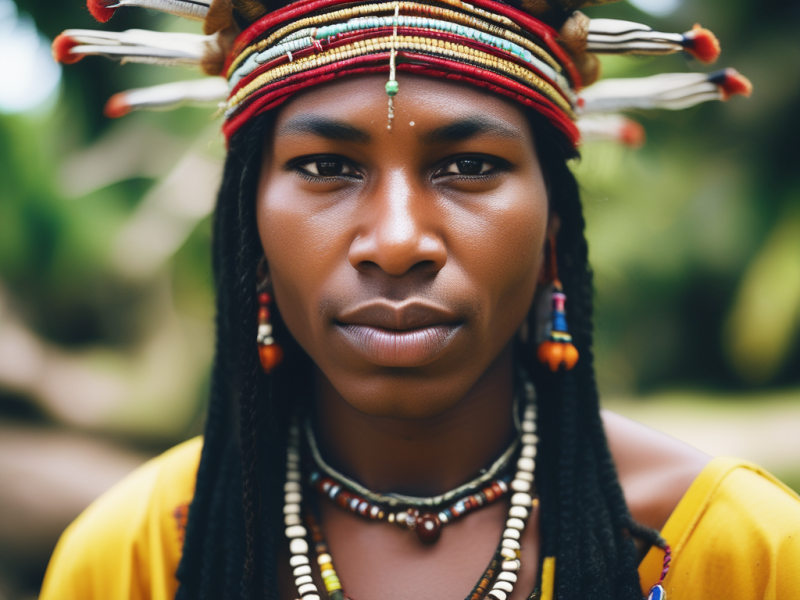
Impact of Colonialism on Indigenous Communities
Colonialism has deeply impacted indigenous communities worldwide, resulting in cultural erasure, loss of land, and oppression. The Rastafari movement in the Caribbean represents a significant effort to reclaim and preserve indigenous practices, emphasizing livity—a way of life rooted in a deep connection with nature and spirituality. This cultural synthesis strives to honor and integrate diverse…
Keep reading
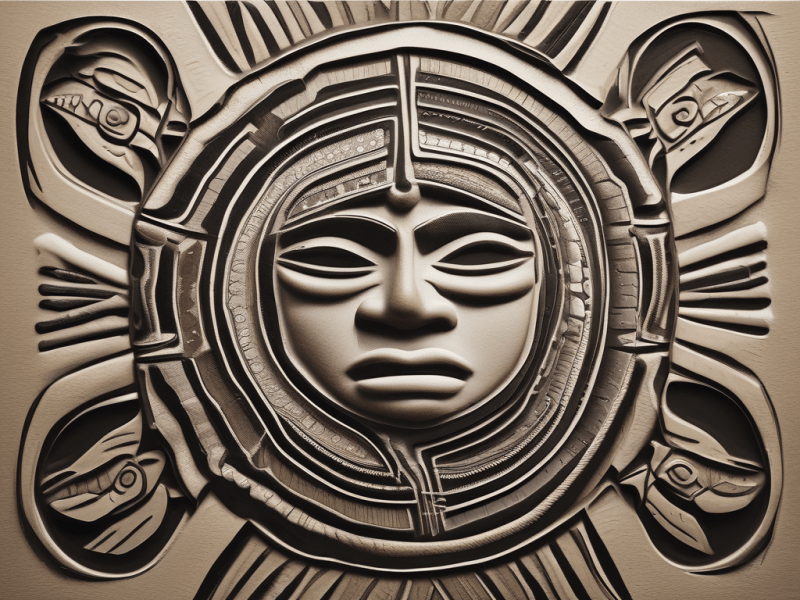
Healing Properties of Indigenous Art and Spirituality
Indigenous art holds deep spiritual significance, serving as a conduit for healing and connection to the divine. Examples include Navajo sand paintings, Aboriginal dot paintings, Amerindian pottery, and African masks, all used in rituals and ceremonies. Engaging with indigenous art and spirituality has been shown to reduce stress and improve overall well-being. Embracing these traditions…
Keep reading
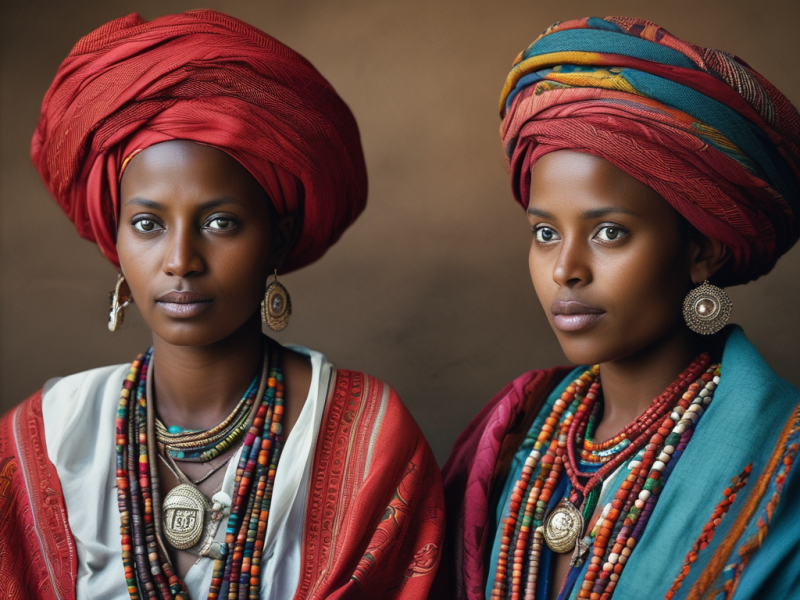
Bridging Cultures: The Direct Link Between Rastafarianism, Ethiopians, and Their Shared Heritage in Art and Music
During colonization, Rastafarians saw Ethiopia as their sacred homeland amid the harsh treatment of Africans. Jamaica became a site of suffering for many. Rastafarianism’s deep connection to Ethiopian culture and spirituality serves as a bridge between the Caribbean and Ethiopia, influencing art and music. This shared heritage unites Rastafarians worldwide, promoting unity and cultural pride.
Keep reading
Embracing Livity: How Rastafari Spirituality Fuels the Modern Spiritual Movement
The Rastafari concept of Livity, rooted in Jamaica, embodies a holistic approach to life, emphasizing harmony, interconnectedness, and reverence for all living beings. It offers spiritual resonance, social justice, and practical ways to incorporate it into daily life, guiding individuals on a journey of self-discovery, growth, and connection with nature and ancestral roots.
Keep reading
Embracing Livity: How Rastafari Spirituality Fuels the Modern Spiritual Movement
The Rastafari concept of Livity, rooted in Jamaica, embodies a holistic approach to life, emphasizing harmony, interconnectedness, and reverence for all living beings. It offers insights and practices for seekers globally, promoting holistic living, spiritual resonance, social justice, and embracing nature. Embracing Livity fosters greater harmony, balance, and spiritual fulfillment in our lives.
Keep reading
[affcoups id=”520″]
 Livity Blog