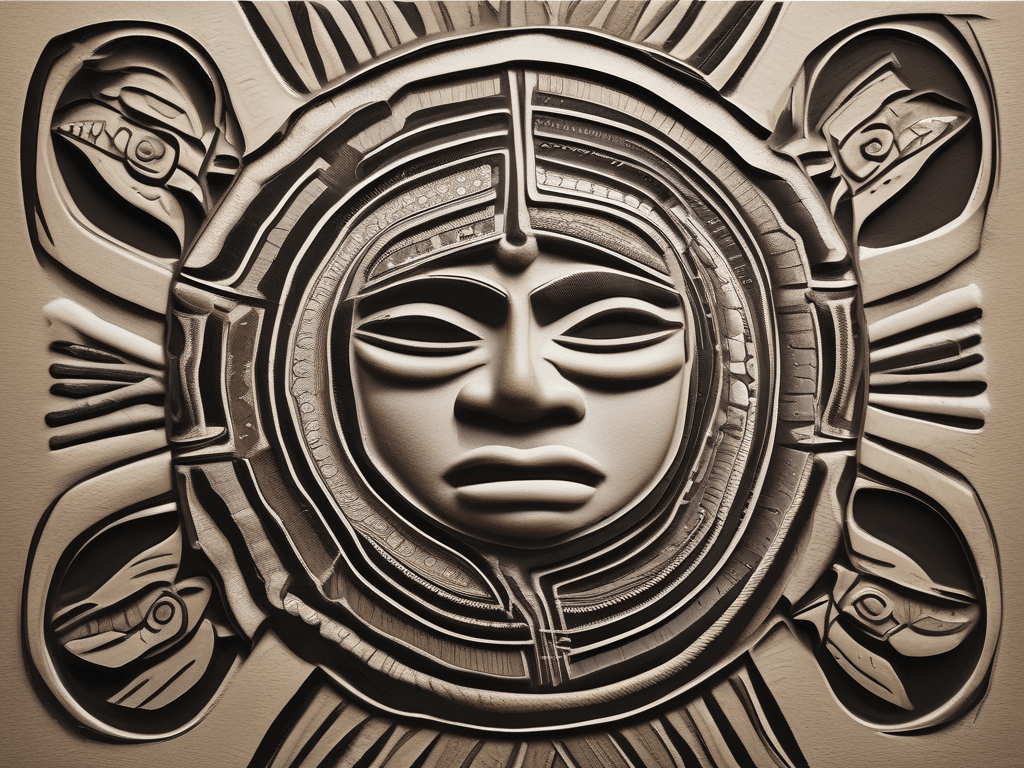
Indigenous cultures around the world have long recognized the intrinsic connection between art and spirituality, utilizing traditional art forms as powerful tools for promoting physical, emotional, and spiritual well-being. From intricate textiles to ceremonial masks, indigenous art is imbued with layers of meaning and symbolism that speak to the collective consciousness of a community.
One of the key aspects of indigenous art is its ability to serve as a conduit for spiritual expression and connection to the divine. Through rituals and ceremonies, indigenous peoples use art to communicate with the spiritual realm, seeking guidance, protection, and healing from ancestral spirits and deities.
For example, the Navajo people of North America create intricate sand paintings as part of their healing ceremonies, believing that the act of creating and then dismantling the painting helps to restore balance and harmony within the individual and the community. Similarly, the Aboriginal peoples of Australia use dot paintings to convey stories of creation and ancestral knowledge, which are believed to hold transformative power for those who engage with them. Pottery has been a central art form in Amerindian cultures for thousands of years. Amerindian pottery is often handcrafted using traditional techniques and decorated with intricate patterns and designs. Pottery serves both functional and ceremonial purposes, with vessels being used for cooking, storage, and ritual offerings. Amerindian pottery is often used in healing ceremonies and rituals to hold medicinal herbs, sacred objects, and ritual offerings. The act of creating pottery is itself a form of spiritual practice, with potters imbuing their creations with prayers, blessings, and intentions for healing and protection. The unique designs and patterns found on Amerindian pottery may also serve as symbols of spiritual connection and ancestral wisdom. While, African masks are perhaps the most well-known form of African art. These masks are used in ceremonial rituals, storytelling, and cultural performances. Each mask is intricately carved and painted, often representing spirits, ancestors, or animals associated with specific cultural beliefs. African masks are not only objects of aesthetic beauty but also powerful tools for healing and spirituality. In many African cultures, masks are used in healing rituals to invoke ancestral spirits and divine forces. The wearing of masks is believed to facilitate communication with the spirit world, allowing healers to diagnose and treat illness, dispel evil spirits, and restore balance to the individual and the community. These examples represent just a small fraction of the diverse and rich artistic traditions found within Indigenous cultures. Each art form carries deep cultural and spiritual significance, reflecting the beliefs, values, and heritage of its creators.
Indigenous art isn’t just about aesthetics—it’s about harnessing the healing energy of the natural world and the collective wisdom of generations past. Many indigenous art forms incorporate elements of the natural environment, such as plants, animals, and sacred landscapes, which are believed to possess their own healing properties.
Research has shown that engaging with indigenous art and spirituality can have profound effects on our well-being. According to a study published in the Journal of Cross-Cultural Psychology, indigenous art has been associated with reductions in stress, anxiety, and depression, as well as improvements in overall quality of life.
As we continue to explore the healing properties of indigenous art and spirituality, it’s important to approach these traditions with humility, respect, and a willingness to learn from the wisdom of indigenous peoples. By honoring their cultural heritage and artistic traditions, we not only enrich our own lives but also contribute to the preservation and revitalization of indigenous cultures around the world.
To incorporate the healing properties of indigenous art and spirituality into your life for holistic healing, begin by immersing yourself in the rich cultural heritage and symbolism of indigenous traditions. Take time to explore various forms of indigenous artwork, from paintings and sculptures to textiles and pottery, and reflect on the meanings behind the symbols and motifs used in these pieces. Allow yourself to be inspired by the beauty and depth of indigenous art, and consider how you can integrate these elements into your own creative expression.
In addition to exploring visual art forms, delve into the spiritual practices and traditions of indigenous cultures. This may include learning about sacred rituals, ceremonies, and teachings that have been passed down through generations. Take time to connect with nature and the elements, honoring the interconnectedness of all living beings and finding solace in the natural world.
Practice mindfulness and meditation techniques inspired by indigenous wisdom, such as grounding exercises, breathwork, and visualization. Set aside moments of quiet reflection to center yourself and cultivate a sense of inner peace and balance. Incorporate indigenous-inspired rituals into your daily routine, such as smudging with sage or cedar to cleanse and purify your space, or creating an altar adorned with symbols of spiritual significance.
Engage with indigenous communities and organizations to deepen your understanding of their cultural traditions and support their ongoing efforts for cultural preservation and revitalization. Attend cultural events, workshops, and gatherings where you can learn from indigenous elders, artists, and spiritual leaders, and participate in activities that honor and celebrate indigenous culture.
By integrating the healing properties of indigenous art and spirituality into your life in these ways, you can experience profound transformation and holistic healing on physical, emotional, and spiritual levels. Embrace this journey of self-discovery and connection with indigenous wisdom, and allow it to guide you toward greater well-being and harmony in all aspects of your life.
Sources:
- King, S. R. (2004). The Art of Healing: Aboriginal Bush Medicine. In: Aboriginal Health and History: Power and Prejudice in Remote Australia. UNSW Press.
- Lowe, J., & Williams, A. (2014). An Indigenous Approach to Healing Trauma: Listening to the Story of the Drum. Journal of Aboriginal Health, 10(2), 14-24.
- Yellow Horse Brave Heart, M. (2003). The historical trauma response among Natives and its relationship with substance abuse: A Lakota illustration. Journal of Psychoactive Drugs, 35(1), 7-13.


 Livity Blog