
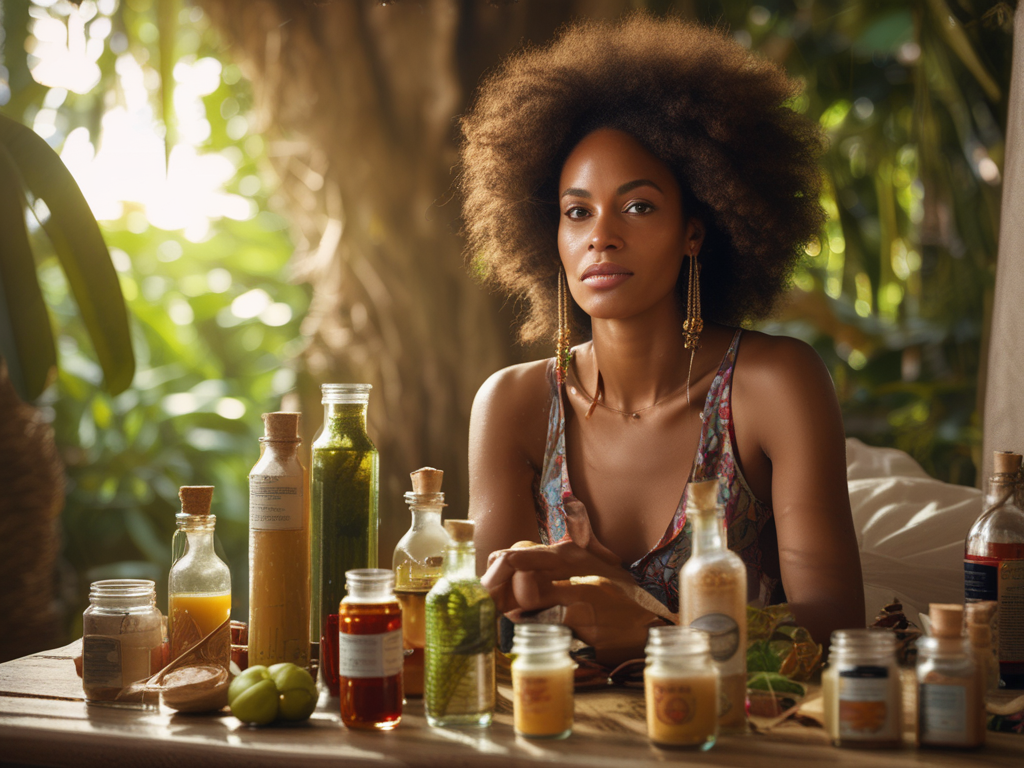
In today’s fast-paced world, modern wellness often draws from ancient cultural practices, intertwining traditional wisdom with contemporary health trends. This integration can enrich our well-being and preserve valuable cultural heritage. However, along the way, these practices can sometimes be misinterpreted or altered, with essential elements overlooked in an attempt to make them appear cool or eye-catching to modern society. Balancing authenticity with contemporary appeal is crucial to maintaining the integrity of these traditions. Livity, a lifestyle emphasizing harmony with nature and community, addresses this challenge by promoting genuine connections to cultural roots and encouraging practices that honor tradition while adapting to modern life.
Understanding Cultural Heritage
Cultural heritage encompasses the traditions, practices, and values passed down through generations. It includes tangible elements like art, clothing, and artifacts, as well as intangible aspects such as rituals, language, and spirituality. By embracing our cultural heritage, we connect with our roots, fostering a sense of belonging and identity.
The Influence of Cultural Heritage on Wellness
Cultural practices often emphasize holistic well-being, integrating physical, mental, and spiritual health. For example, many Indigenous Caribbean traditions such as the Rastafarian practice of Livity involves rituals and symbols that promote balance and harmony with nature. The Tree of Life, a common symbol in many cultures, represents interconnectedness and personal growth, encouraging individuals to find strength and resilience within themselves.
Spirituality and Mental Health
Spirituality, deeply embedded in cultural heritage, plays a crucial role in mental wellness. Studies have shown that spiritual practices can reduce stress and anxiety, providing a sense of purpose and community . Engaging in rituals, meditation, or prayer can create a space for reflection and healing, contributing to overall mental health.
Physical Health and Traditional Practices
Traditional wellness practices, such as herbal medicine and dietary customs, have been integrated into modern health regimens. Many cultures have long utilized plants for their healing properties, a practice now supported by scientific research. For instance, the use of turmeric in Caribbean cuisine is recognized for its anti-inflammatory and antioxidant benefits .
Cultural Heritage in Modern Wellness Practices
Incorporating cultural heritage into modern wellness practices not only preserves traditions but also enhances personal well-being. Here are a few ways cultural heritage influences contemporary wellness, with a focus on livity practices associated with Caribbean Indigenous and Aboriginal traditions:
- Mindfulness and Meditation: Rooted in spiritual practices, mindfulness encourages reflection and inner peace. In Caribbean livity, rituals such as drumming and chanting create a meditative space, fostering mental clarity and emotional stability.
- Herbal Medicine: Many Caribbean communities use native plants for healing. Herbs like soursop and cerasee are valued for their medicinal properties, supporting holistic health through traditional knowledge.
- Connection with Nature: Livity emphasizes harmony with the natural world. Practices like river baths and forest walks are seen as cleansing rituals, promoting physical and spiritual renewal while connecting individuals to the earth.
- Community Gatherings: Celebrations such as harvest festivals and communal feasts strengthen social bonds and reinforce cultural identity. These gatherings promote well-being through shared traditions and collective joy.
- Art and Creativity: Engaging in traditional crafts, such as weaving or pottery, connects individuals to their cultural heritage. These creative outlets offer therapeutic benefits, fostering pride and a sense of belonging.
By incorporating these livity practices into modern wellness routines, individuals can honor their heritage while enriching their personal well-being. Here are a few ways cultural heritage influences contemporary wellness:
The Importance of Preserving Cultural Heritage
Preserving cultural heritage is essential for maintaining the diversity and richness of our global community. It fosters a deeper understanding of different cultures, promoting respect and empathy. Moreover, integrating these traditions into modern wellness practices allows us to benefit from the wisdom of our ancestors, enriching our lives in meaningful ways.
Conclusion
In our modern world, finding a connection to natural practices can be challenging amidst the distractions and demands of daily life. Many struggle to incorporate meaningful traditions into their routines, often feeling disconnected from their cultural roots. However, embracing livity offers a path forward. This lifestyle emphasizes a harmonious balance with nature and community, encouraging individuals to reconnect with their heritage in a way that feels authentic and relevant. By integrating livity into our wellness practices, we can cultivate a deeper sense of belonging and purpose, nurturing both our spiritual and physical well-being. Through this connection, we honor the wisdom of our ancestors while fostering a fulfilling and balanced life in today’s world.
References
- Lavretsky, H. (2010). Spirituality and Aging: The Effects of Religious Practice on Health. International Journal of Integrative Medicine.
- Aggarwal, B. B., & Harikumar, K. B. (2009). Potential Therapeutic Effects of Curcumin, the Anti-inflammatory Agent, against Neurodegenerative, Cardiovascular, Pulmonary, Metabolic, Autoimmune and Neoplastic Diseases. The International Journal of Biochemistry & Cell Biology.
- Cramer, H., Lauche, R., Haller, H., & Dobos, G. (2013). A Systematic Review and Meta-Analysis of Yoga for Low Back Pain. The Clinical Journal of Pain.
- Stuckey, H. L., & Nobel, J. (2010). The Connection Between Art, Healing, and Public Health: A Review of Current Literature. American Journal of Public Health.
