
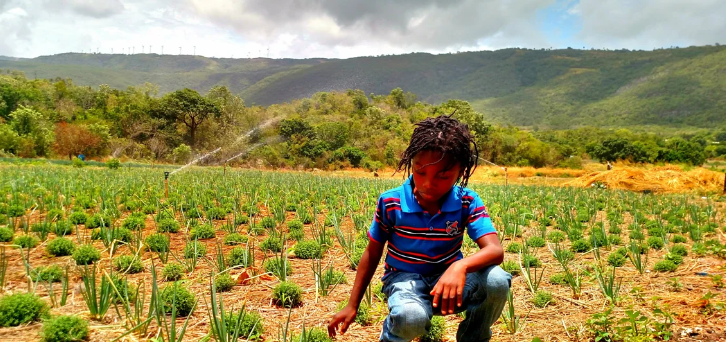
Sustainability has become a buzzword in today’s world, with increasing awareness of the need to live in harmony with the environment and make responsible choices for future generations. Yet, for many cultures around the globe, sustainability is not a new concept. It’s an ancient practice, a way of life that has been passed down through generations. One such lifestyle is rooted in Livity, an Afrocentric philosophy of living in balance with nature, our community, and ourselves.
Livity, popularized by Rastafarians, goes beyond environmental consciousness—it embodies a holistic approach to life that includes natural living, conscious eating, spiritual growth, and social justice. Many other Indigenous cultures share similar philosophies, recognizing the interconnectedness of all life and the importance of maintaining harmony with the earth. In this article, we’ll explore how the Livity lifestyle, particularly through the lens of Rastafarianism, incorporates sustainable practices and examine how these principles align with Indigenous wisdom from different cultures around the world.
The Livity Lifestyle: A Holistic Approach to Sustainability
Livity, derived from the word “live,” represents a way of life that is in tune with the earth and one’s spiritual existence. Central to this way of life is the recognition that human beings are not separate from nature, but an integral part of it. Sustainability in the Livity lifestyle is not limited to environmentalism; it encompasses the food we eat, the way we interact with others, and our relationship with the divine.
For Rastafarians, sustainability is a natural extension of their spiritual and cultural beliefs. The Ital diet, which is a key component of Livity, emphasizes natural, unprocessed, and plant-based foods, rejecting artificial additives and chemicals. By adhering to the Ital diet, Rastafarians not only nourish their bodies but also honor the earth by minimizing their environmental impact. Ital living is closely aligned with the principles of sustainability—respect for nature, conscious consumption, and living in a way that causes no harm to the planet.
Sustainable Eating: The Ital Diet and Beyond
The Ital diet, rooted in the Rastafarian movement, is a clear example of sustainable living. “Ital” is derived from the word “vital,” signifying life energy or a life force that sustains the body and spirit. Rastafarians believe that food should be consumed in its most natural state, preserving the vital energy necessary for spiritual well-being. This plant-based diet eliminates meat, processed foods, and anything with artificial ingredients or additives, often promoting organic farming and local food sourcing.
This approach to food consumption parallels many Indigenous cultures’ relationship with food and the environment. Indigenous peoples around the world have long practiced sustainable agriculture, focusing on biodiversity, permaculture, and regenerative farming. For example, Native American farming practices emphasize the “Three Sisters” method, where corn, beans, and squash are grown together in a symbiotic relationship, enriching the soil and supporting each other’s growth .
Similarly, the Maasai people of East Africa practice sustainable pastoralism, moving livestock in rotation to prevent overgrazing and allow the land to regenerate. The traditional ways of Indigenous peoples serve as a reminder that modern agriculture and industrial food systems, which often rely on monocultures and synthetic chemicals, are out of sync with the earth’s natural rhythms.
Natural Living and Harmony with the Earth
Beyond food, Rastafarians believe in living in harmony with nature through the use of natural materials, herbal remedies, and eco-friendly practices. For instance, many Rastafarians embrace natural building techniques using materials like mud, wood, and bamboo, avoiding synthetic and harmful substances. This aligns with Indigenous architecture worldwide, where natural and renewable resources are used to construct homes that are in harmony with the surrounding environment. From the adobe homes of the Hopi people in the American Southwest to the thatched roofs of Pacific Island communities, natural materials provide shelter while preserving the ecological balance.
In keeping with their respect for the earth, Rastafarians often use herbal medicine to heal both the body and mind. Commonly used herbs include ganja (cannabis), which is viewed as a sacrament, as well as roots and herbs like ginger, aloe vera, and turmeric. These natural remedies, which are grown and harvested sustainably, reflect the Rastafarian belief in avoiding synthetic pharmaceuticals in favor of natural healing methods. Indigenous cultures around the world also rely on medicinal plants, with extensive knowledge of the healing properties of local flora passed down through generations. The Asháninka people of the Amazon, for example, use over 200 different plant species for medicinal purposes, many of which are now being studied for their pharmacological potential .
Respect for the Environment: Water, Land, and Resources
Sustainability in the Livity lifestyle also involves a deep respect for natural resources, such as water and land. Rastafarians recognize water as a sacred element, and they emphasize the importance of conserving it and avoiding waste. This perspective is shared by many Indigenous cultures. For instance, the Māori people of New Zealand view rivers and lakes as living ancestors, and their relationship with water is one of deep reverence and care .
In Rastafarian culture, land is not seen as a commodity but as a sacred resource that must be preserved and respected. They oppose practices like deforestation and land exploitation that damage the environment and disrupt the natural order. This respect for land is also reflected in the beliefs of Indigenous peoples worldwide. The Lakota Sioux, for instance, regard the earth as “Mother,” and their spiritual and cultural traditions revolve around living in harmony with nature and protecting the land for future generations.
Minimalism and Anti-Consumerism
Rastafarians also embody sustainability through a minimalist approach to material possessions and a rejection of consumerism. Their simple lifestyle avoids excess and focuses on living with intention and purpose, acquiring only what is necessary. This anti-consumerist mentality is an essential aspect of sustainability because it challenges the culture of overconsumption that drives environmental degradation and resource depletion.
Similarly, many Indigenous cultures practice what can be described as “voluntary simplicity,” living in a way that minimizes waste and consumption. The San people of the Kalahari Desert, for example, live a hunter-gatherer lifestyle that is entirely self-sufficient and in harmony with their environment. They take only what they need and leave the environment undisturbed, ensuring that resources are available for future generations .
The Global Significance of Livity and Indigenous Sustainability
The sustainable practices embedded in the Livity lifestyle are not unique to Rastafarianism. They are part of a broader global movement of Indigenous peoples who have lived sustainably for centuries, long before sustainability became a trend. These cultures offer valuable lessons in how to live in balance with the earth, respect its resources, and foster a relationship with nature that is based on care, stewardship, and spiritual reverence.
In an age where environmental degradation threatens the planet, the wisdom of these cultures has never been more relevant. The Livity lifestyle, with its emphasis on natural living, conscious consumption, and respect for the earth, provides a blueprint for how modern societies can integrate sustainability into their daily lives.
Conclusion: Embracing Livity for a Sustainable Future
As we face the challenges of climate change, deforestation, and resource depletion, the teachings of the Livity lifestyle and Indigenous cultures offer a path forward. By embracing a way of life that prioritizes sustainability, spirituality, and harmony with nature, we can not only reduce our environmental impact but also foster a deeper connection to the earth and our communities.
At Livity.blog, we are committed to exploring and sharing these ancient practices that promote sustainability and well-being. Join us in learning from Rastafarians and Indigenous peoples around the world as we work to create a more balanced, sustainable future.
References:
- Barrett, L. E. (1997). The Rastafarians: Twentieth Anniversary Edition. Beacon Press.
- Gottlieb, R. S., & Stock, D. (2013). Sustainability: What Everyone Needs to Know. Oxford University Press.
- Kimmerer, R. W. (2013). Braiding Sweetgrass: Indigenous Wisdom, Scientific Knowledge and the Teachings of Plants. Milkweed Editions.
- Gilio-Whitaker, D. (2019). As Long as Grass Grows: The Indigenous Fight for Environmental Justice, from Colonization to Standing Rock. Beacon Press.
- Ritchie, J. (1992). The Forgotten Tribes of the Amazon: Plants and Healing. National Geographic, 87(1), 45-65.
- Conklin, B. A., & Graham, L. R. (1995). “The Shifting Middle Ground: Amazonian Indians and Eco-Politics.” American Anthropologist, 97(4), 695-710.
