
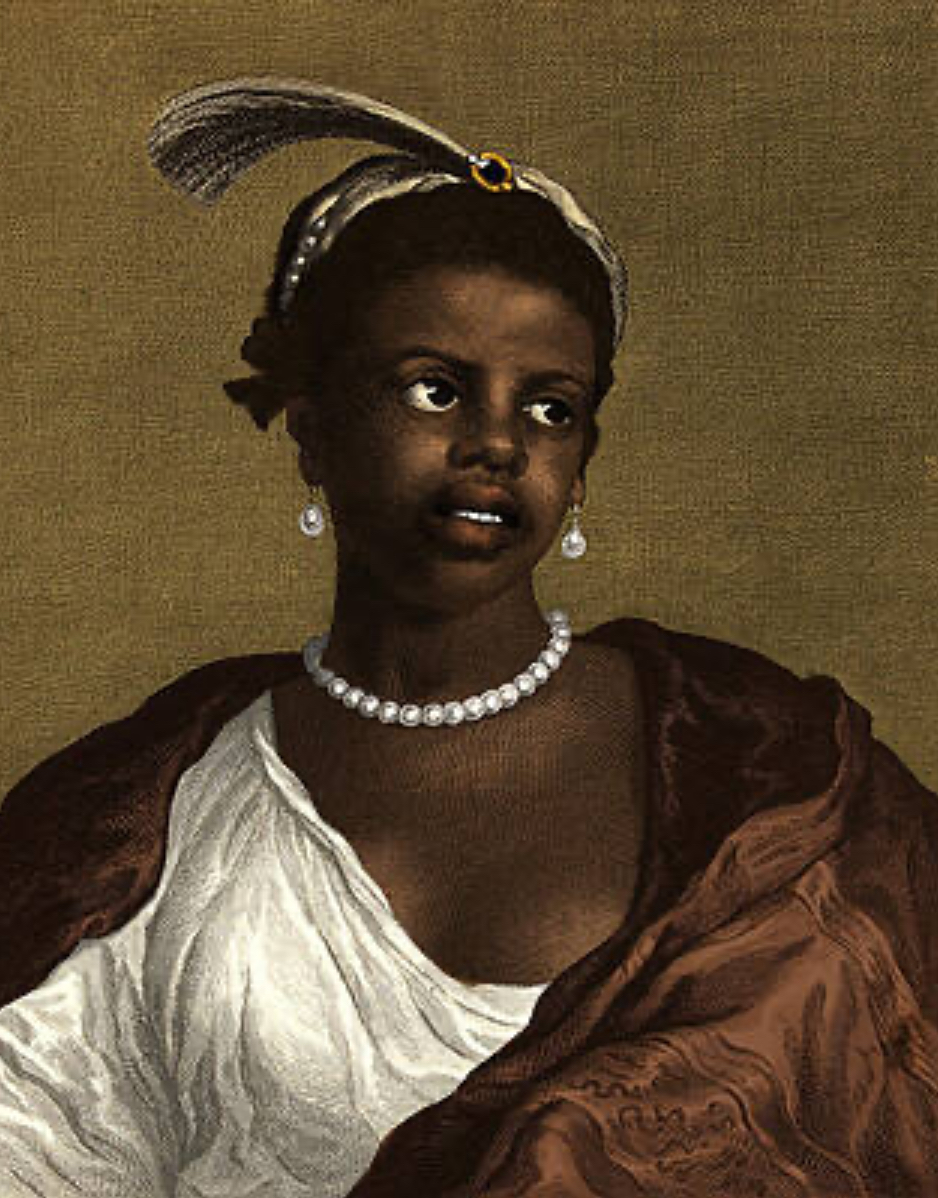
Art, Culture, and Resilience in the 1700s
The story of free Black communities in 1700s Louisiana is a remarkable chapter in American history, marked by resilience, creativity, and the ability to thrive despite systemic challenges. Known as gens de couleur libres (free people of color), these communities emerged under French and Spanish colonial rule, carving out spaces of autonomy, artistry, and influence. This article explores their cultural legacy, the unique historical context in which they thrived, and the forces that ultimately threatened their freedoms.
Historical Context: The Foundations of Freedom
During French and Spanish colonial rule, Louisiana operated under laws that allowed for a more fluid racial hierarchy compared to Anglo-American systems. The French Code Noir (Black Code), enacted in 1724, regulated the treatment of enslaved people but also allowed for manumission (the granting of freedom). Enslaved individuals could earn their freedom through self-purchase, military service, or as a reward from their enslavers. The Spanish further expanded these opportunities when they took control of Louisiana in 1763, offering more legal protections and pathways to freedom for Black individuals.
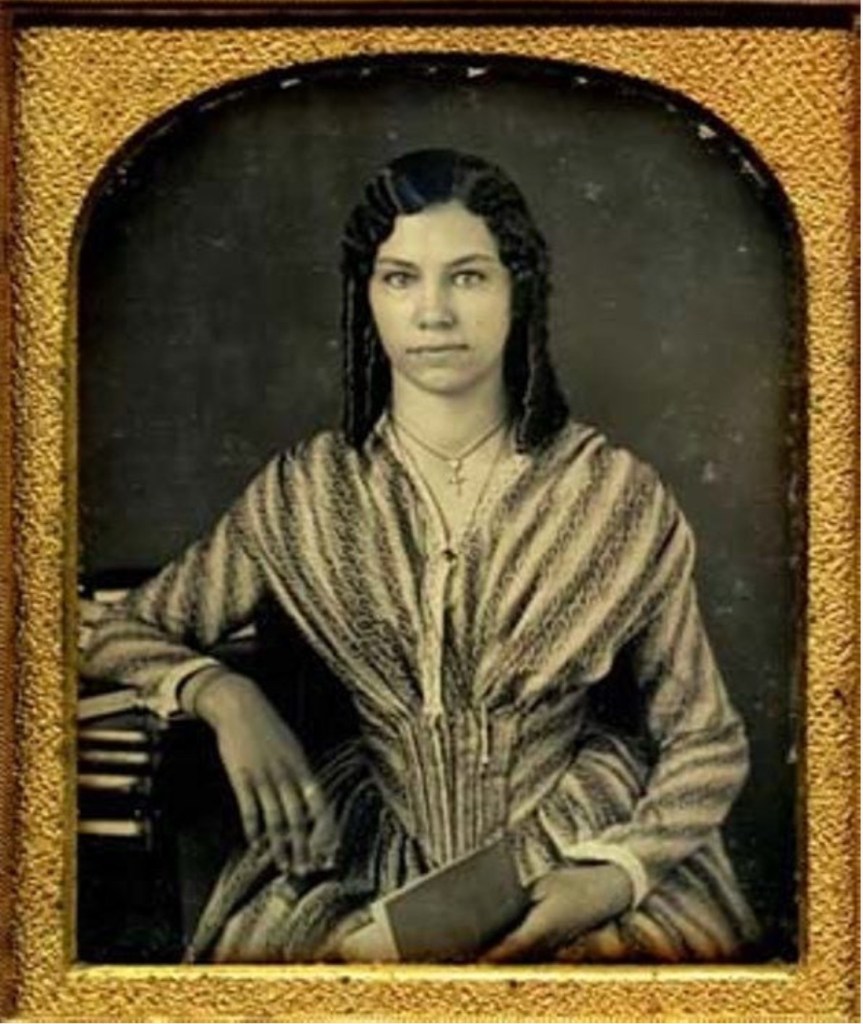
By the late 1700s, New Orleans had become a hub for free Black people, many of whom were artisans, property owners, and skilled tradespeople. They formed a distinct social class, navigating a complex society while contributing significantly to the city’s economy and culture.
Art and Culture: The Legacy of Free Black Communities
Free Black communities in Louisiana were deeply connected to art, music, and craftsmanship. Many were skilled artisans, creating furniture, jewelry, and architectural elements that defined New Orleans’ unique aesthetic. Their influence extended to cultural practices, blending African, European, and Indigenous traditions into a vibrant Creole identity.
• Portraits of Prominence: Paintings and portraits from this period depict free Black individuals in elegant clothing, emphasizing their social status and cultural significance. These works stand as historical testaments to their achievements and the respect they commanded in their communities.
• Music and Dance: Free Black communities played a crucial role in the development of Louisiana’s rich musical heritage, laying the groundwork for jazz and other cultural expressions that would emerge in the 19th and 20th centuries.
The Threat of American Rule: Erosion of Freedoms
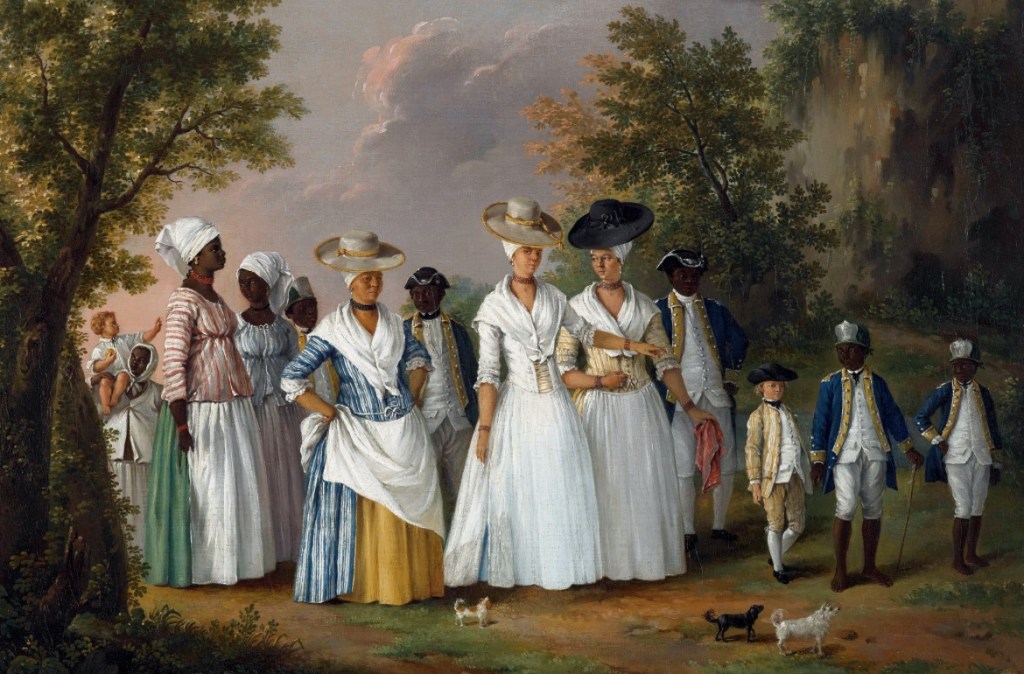
The Louisiana Purchase in 1803 marked a turning point for free Black communities. Under American governance, Anglo-American racial laws and ideologies replaced the relatively lenient French and Spanish systems. Free Black people faced increasing restrictions, including limitations on property ownership, bans on interracial marriage, and laws prohibiting them from testifying against white individuals in court.
The rise of systemic racism culminated in the Fugitive Slave Act of 1850 and the broader entrenchment of slavery, which further endangered free Black populations. Many were forced into increasingly precarious social and economic positions, eroding the autonomy they had worked so hard to establish.
Legacy and Impact on Society
Despite the systemic challenges they faced, free Black communities in Louisiana left an indelible mark on American culture. Their contributions to art, architecture, and music laid the foundation for much of what defines New Orleans today. The blending of African, European, and Indigenous influences created a cultural identity that remains vibrant and celebrated.
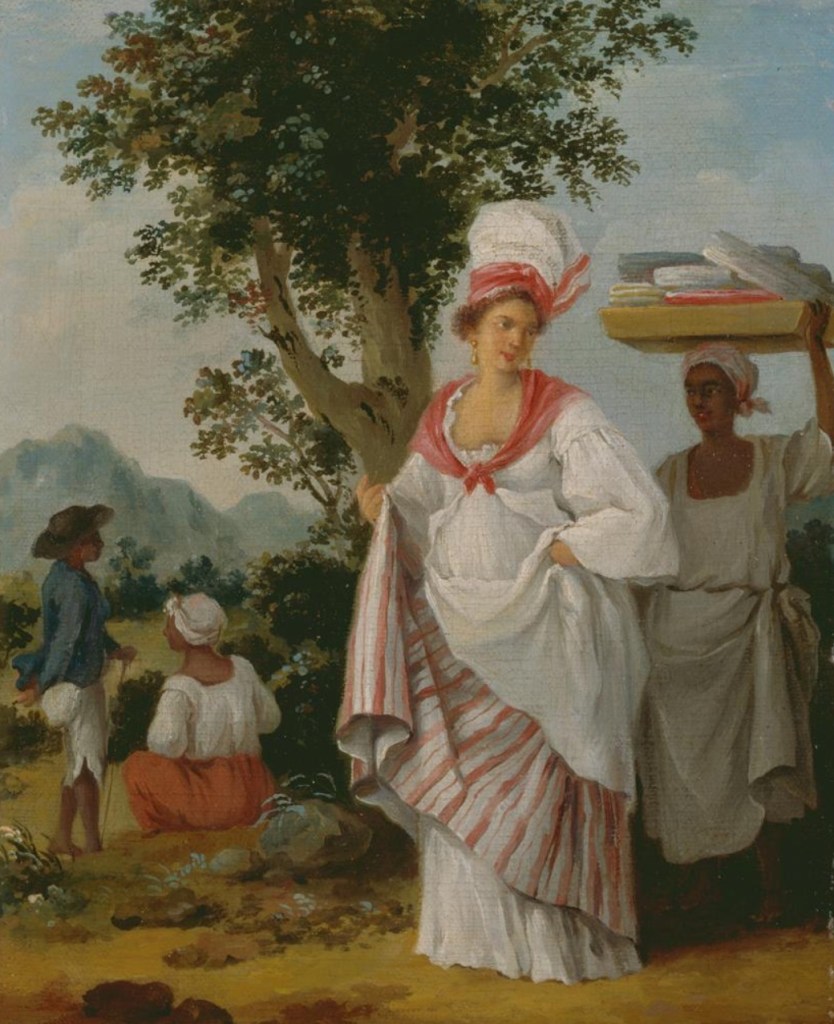
Their story is also a reminder of the resilience of marginalized communities and the importance of preserving their narratives. As we examine their legacy, we are called to honor their contributions and recognize the enduring impact of their creativity and strength.
Why This History Matters Today
The history of free Black communities in Louisiana highlights the potential for thriving within oppressive systems but also underscores the fragility of freedom without systemic change. Their story is a testament to resilience, but it also serves as a cautionary tale about the dangers of unchecked systemic racism. By revisiting their history, we can better understand the importance of equity, cultural preservation, and justice in shaping a more inclusive future.
Conclusion
The free Black communities of 1700s Louisiana were pioneers of resilience and creativity, navigating a complex social landscape to build vibrant, enduring legacies. Through art, culture, and community, they shaped the identity of a region while defying the limitations imposed upon them. Their story reminds us of the power of cultural heritage and the importance of preserving and honoring these narratives for future generations.
References
1. Hanger, K. S. (1997). Bounded Lives, Bounded Places: Free Black Society in Colonial New Orleans, 1769–1803. Duke University Press.
2. Hall, G. M. (1992). Africans in Colonial Louisiana: The Development of Afro-Creole Culture in the Eighteenth Century. LSU Press.
3. Schafer, J. K. (2003). Slavery, the Civil War, and Reconstruction in Louisiana. LSU Press.
4. Scott, R. J. (2005). Degrees of Freedom: Louisiana and Cuba after Slavery. Harvard University Press.
Read more about the resilience of free Black communities and their cultural contributions at Livity.Blog. Visit Tree of Life Art to explore cultural art that celebrates heritage.

 Livity Blog