
Livity.Blog
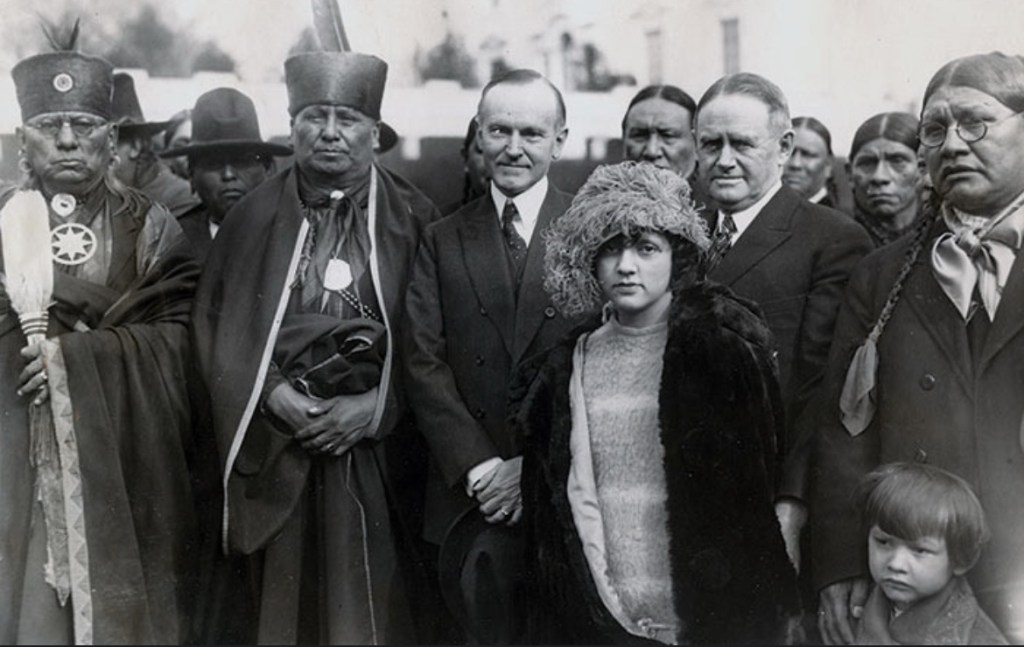
In 1920, the Osage Nation were among the wealthiest people per capita in the world. By 1925, they were being systematically murdered for their oil money while the federal government watched. This wasn’t a failure of the system—it was the system. And it’s still operating today.
What happened to the Osage demonstrates the machinery of Colonial Reclassification in brutal clarity: how blood quantum laws, guardianship systems, and racial categorization worked together to steal Indigenous wealth while claiming “protection.” Understanding this history reveals how colonial control systems don’t disappear—they bureaucratize, rename themselves, and continue operating under new names.
The Wealth That Made Them Targets
Oil was discovered on Osage land in 1897. Through strategic negotiation, Principal Chief James Bigheart secured something unprecedented: the tribe retained communal mineral rights to their entire reservation. Every Osage citizen held a “headright”—a share in all oil, gas, and mineral revenue from Osage County, Oklahoma.
By the 1920s, individual Osage families were receiving $11,000-$12,000 annually from headrights—the equivalent of over $400,000 today. They built mansions, sent their children to Europe, hired white servants. The press played upon white resentment with headlines about “the richest people on earth” and “lazy Indians” profiting from white labor.
This wealth violated the colonial script. Indigenous peoples were supposed to be poor, dependent, dying off. The Osage challenged that narrative simply by existing and thriving. So the system deployed its most powerful weapon: legal reclassification.
Blood Quantum as Financial Control
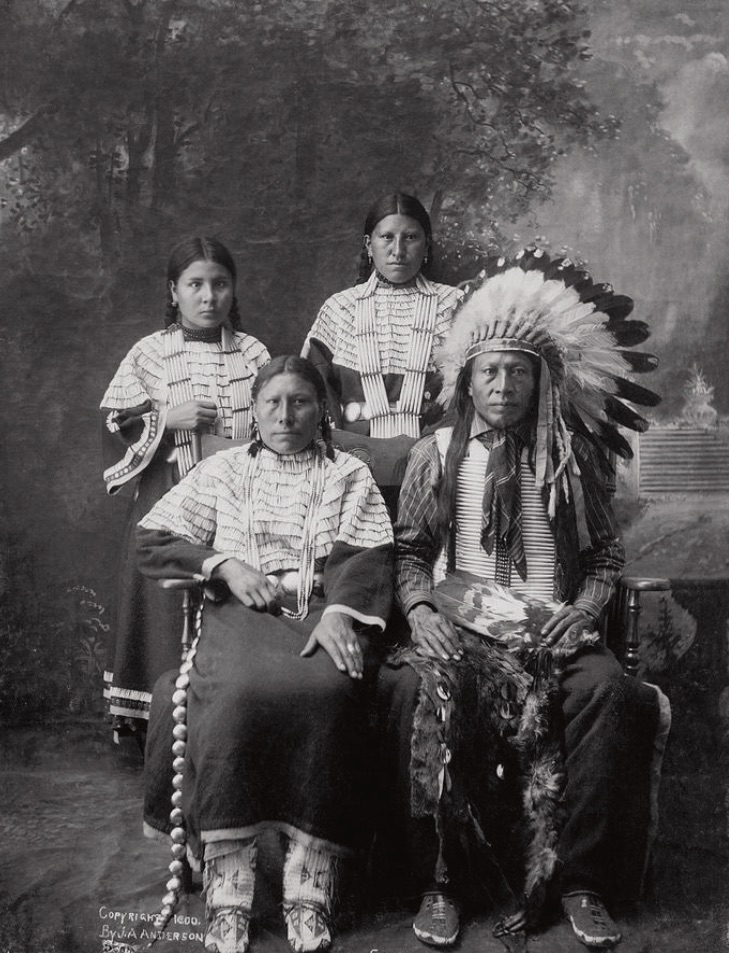
In March 1921, Congress passed a law requiring Osage people to prove their “competency” to manage their own money. The criteria? Blood quantum. If you were more than half Osage blood, you were automatically deemed “incompetent” and assigned a white guardian to manage your finances.
Read that again: The more Indigenous you were, the less capable the government declared you to be.
Guardians—usually white lawyers, businessmen, or politicians appointed by local judges—had complete control over their Osage “wards’” finances. They could restrict income to a pittance while pocketing the rest. They collected fees of $200-$1,000 annually per ward, and some attorneys served as guardians for four or more Osage simultaneously.
One Osage woman had a guardian appointed because her savings suggested “she did not understand the value of money.” Another man—a pilot who’d served in the U.S. Army—was deemed incompetent based solely on his blood quantum. Competency had nothing to do with actual capacity. It was about maintaining white access to Indigenous wealth through legal mechanisms.
The Reign of Terror
Guardianship made theft legal. Murder made it profitable.
Between 1921 and 1925, at least 60 wealthy Osage were murdered—shot, poisoned, bombed, thrown from trains. The official count is likely a fraction of the true toll. Local police didn’t investigate. Coroners falsified death certificates, claiming “whiskey poisoning” or “suicide” for people clearly murdered. When Osage died, their headrights passed to family members—and when they died, guardians could petition to inherit.
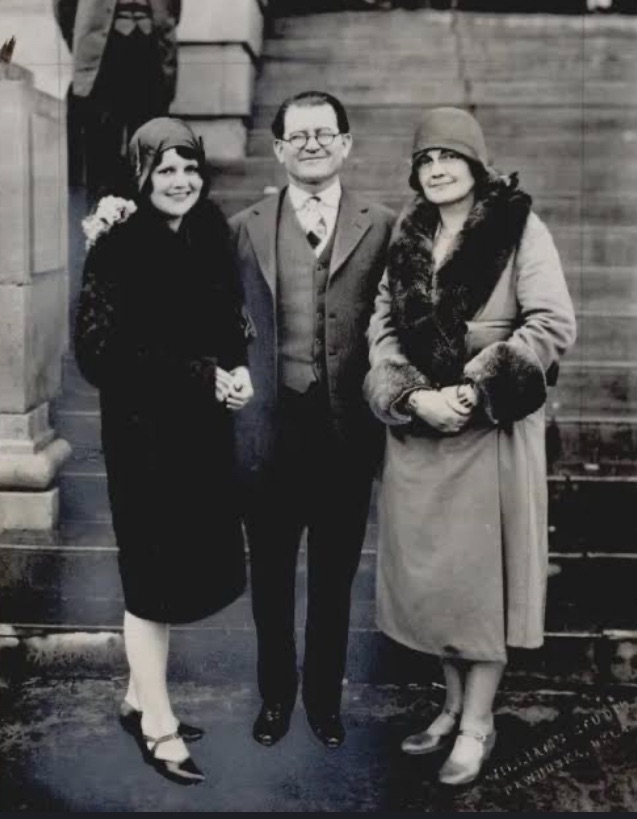
William Hale, known as the “King of the Osage Hills,” masterminded a conspiracy that exemplified the system’s logic. His nephew Ernest Burkhart married Mollie Kyle, an Osage woman with headrights. Over several years, Mollie’s mother, two sisters, brother-in-law, and cousin were all murdered. The plan: consolidate headrights within the family, then kill Mollie last so Ernest—as her guardian and husband—would inherit everything.
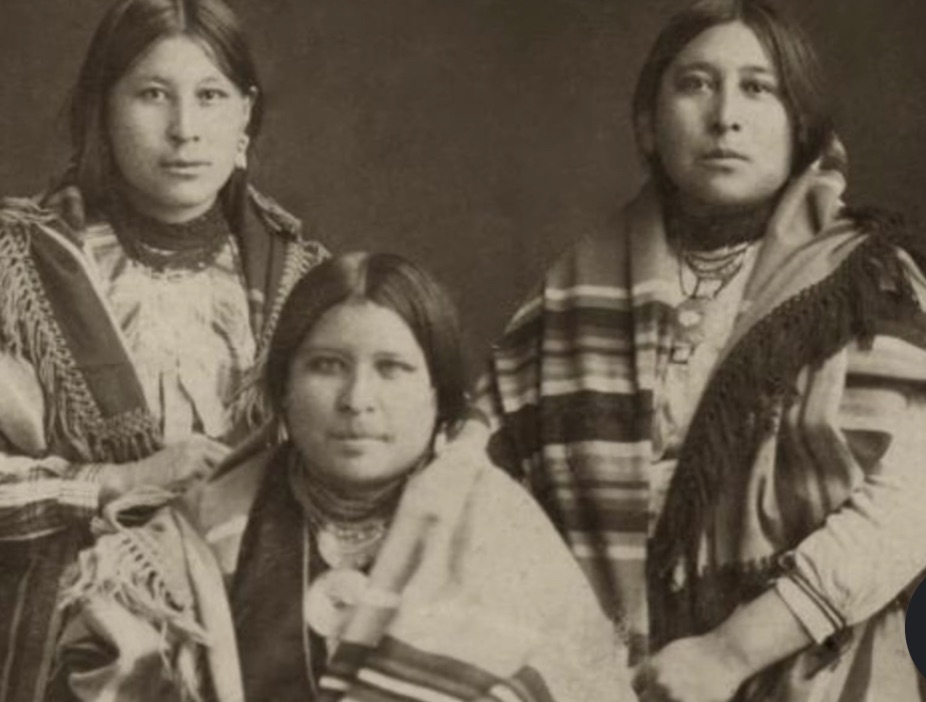
This wasn’t anomalous violence. Osage historian Louis Burns said: “I don’t know of a single Osage family that didn’t lose at least one family member because of headrights.”
The Osage called it a diaspora. Many fled to California and Texas, but they couldn’t escape federal control over their headrights. The system had trapped them geographically—survival required staying connected to the payments that made them targets.
Parallel Systems: The Dawes Rolls Reclassification
While the Osage faced blood quantum-based guardianship, neighboring tribes experienced a different but related form of Colonial Reclassification through the Dawes Commission (1893-1914). Understanding both systems reveals the full machinery of Indigenous erasure.
The Dawes Commission created three racial categories for the “Five Civilized Tribes” (Cherokee, Chickasaw, Choctaw, Creek, and Seminole): “Indians by Blood,” “Intermarried Whites,” and “Freedmen.” This wasn’t neutral classification—it was a weapon.
By 1906, over 20,000 people were classified as “Freedmen”—supposedly formerly enslaved people and their descendants. But here’s what they don’t teach you: “Freedmen” was a racial classification imposed based on skin color, not ancestry or enslavement status.
Many people listed as “Freedmen” on the Dawes Rolls were not African or African-descended. They were full-blooded Native people—Muscogee Creek, Cherokee, Seminole—who were reclassified simply because they were dark-skinned, copper-colored, or had tightly coiled hair. Registrars “confused appearance with culture,” as scholars note. If you looked Black to a white government agent, you were marked “Freedmen”—regardless of your actual ancestry, your clan membership, or your community’s recognition of you as Indigenous.
The Contradictory Logic of Racial Control
Two completely contradictory systems operated simultaneously:
For African-descended peoples: The One Drop Rule
Any trace of African ancestry made you “Black.” This expanded the enslaved and later segregated population, ensuring maximum labor extraction and social control.
For Indigenous peoples: Blood Quantum
The more you “mixed,” the less Indigenous you became. This shrunk tribal populations over time, allowing the government to argue tribes were “dying off” and didn’t need their treaty obligations fulfilled. As Indigenous scholar Dr. Elizabeth Rule explains: “Blood quantum emerged as a way to measure ‘Indian-ness’ through a construct of race, so that over time, [Indigenous Peoples] would literally breed themselves out and rid the federal government of their legal duties to uphold treaty obligations.”
These opposing logics had one purpose: eliminate Indigenous peoples and their claims to land and resources.
The Consequences
People classified as “Freedmen” were denied blood quantum—even when they had documented Indigenous ancestry. This created the legal foundation for their eventual disenrollment. In 2007, the Cherokee Nation voted to exclude Freedmen descendants from citizenship, arguing they weren’t on the “Cherokee by blood” list. The logic: if your ancestor was classified as Freedmen in 1906, you have no Indigenous blood quantum—regardless of biological reality.
This is Colonial Reclassification in its purest form: using administrative categorization to legally erase Indigenous identity, then using that erasure to justify denying rights, citizenship, and inheritance.
The System Never Ended
Here’s what shocked me most while researching this: The Osage are still under surveillance and control today.
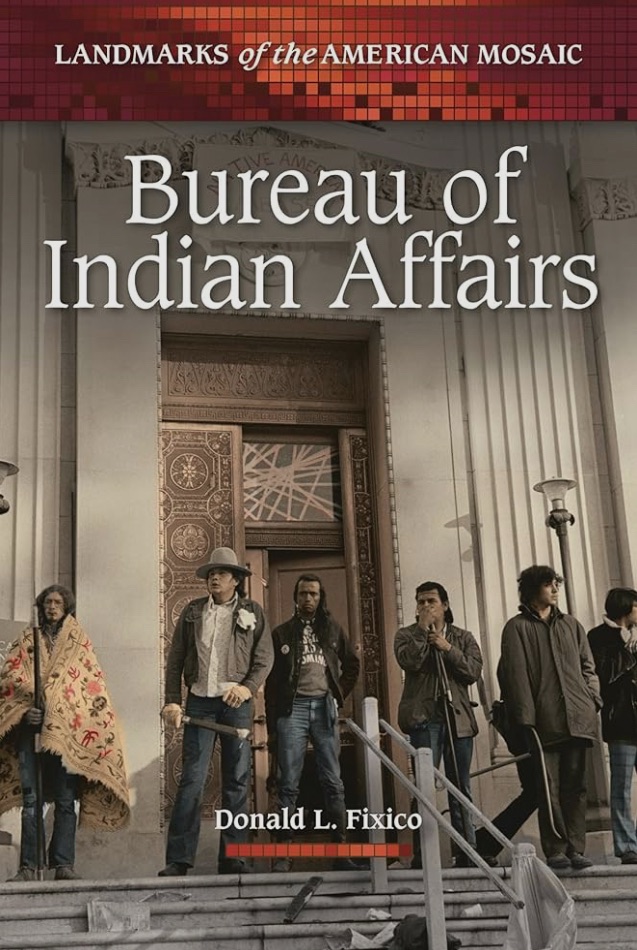
The cover for the book Bureau of Indian Affairs by Donald L. Fixico, part of the “Landmarks of the American Mosaic” series.
The guardianship system didn’t end in 1934. It was renamed. “Guardianship” became “trust management.” The Bureau of Indian Affairs still manages the Osage Mineral Estate. The U.S. Department of the Interior, through the BIA’s Osage Agency, has exclusive authority to collect funds from Osage mineral leases. Osage citizens with headrights have Individual Indian Money (IIM) accounts—held and managed by the Secretary of the Interior.
In 2025—over 100 years after the murders began—the Osage still cannot collect their own mineral lease payments. Every transaction flows through federal oversight. The same Secretary of the Interior position that issued and revoked “certificates of competency” in the 1920s still controls Osage money today.
And the theft continues. Approximately 25% of Osage headrights are owned by non-Osages—corporations, churches, universities, and descendants of the 1920s murderers and swindlers. They’re still collecting Osage oil money.
In June 2025, Principal Chief Geoffrey Standing Bear wrote to the Osage Minerals Council about taking control of the mineral estate from the BIA, noting: “It is clear that the BIA will not be around forever, and we must intervene to save the staffing infrastructure.” After 119 years, the Osage are still fighting for sovereignty over their own resources.
Why This Matters Beyond Oklahoma
The Osage story illuminates how Colonial Reclassification functions as a system. It’s not just about individual tribes or specific policies. It’s about the machinery of Indigenous erasure through administrative categorization.
For those of us reclaiming Caribbean Indigenous identity, the parallels are stark. Our ancestors weren’t declared “extinct”—they were reclassified. Dark-skinned Taíno, Kalinago, and Arawak peoples were categorized as “Black” or “mixed,” severing them from Indigenous identity. Spanish casta systems and later racial classification schemes did administratively what guardianship laws did financially: use categorization to justify theft and control while claiming protection or improvement.
The Osage experience also reveals why geographic escape often failed. Many Osage fled to California and Texas during the Reign of Terror, but couldn’t escape federal control over their headrights. Survival required staying connected to the payments that made them targets. This raises questions about why we don’t see documented Osage migration to the Caribbean during the 1920s—a period when thousands of other displaced peoples were using Caribbean maritime networks. Were Osage movements tracked differently because their wealth was tied to land-based payments requiring federal oversight? Did the guardianship system function as geographic surveillance, preventing escape?
These questions matter because they reveal how colonial systems don’t just categorize—they control movement, restrict economic alternatives, and trap people within surveillance networks that claim to “protect” them.
The Pattern Repeats
Every colonial system follows the same playbook:
1. Create artificial categories that divide Indigenous peoples from each other and from their resources
2. Claim these categories are for “protection” or “accurate record-keeping”
3. Use the categories to justify theft, control, and denial of rights
4. When challenged, claim you’re just following the rules you created
5. Rename the system when it becomes too obviously exploitative, but keep the same structure
“Guardianship” becomes “trust management.” “Incompetent” becomes “requires federal oversight.” “Blood quantum” becomes “enrollment criteria.” The mechanisms change names, but the control remains.
Breaking the Pattern
The Osage Nation survived the Reign of Terror through resistance, documentation, and refusing to disappear. They’re still here. They’re still fighting for sovereignty. Their wealth didn’t destroy them—the system built to steal it did.
Understanding Colonial Reclassification isn’t just academic. It’s survival knowledge. When we can see the patterns—how categorization serves control, how “protection” justifies theft, how systems rename but don’t reform—we can resist them.
For those of us reclaiming erased Indigenous identities, the Osage story is both warning and roadmap. They show us what happens when you’re too successful at survival—the system deploys its most brutal tools. But they also show us that survival itself is resistance. Documentation is resistance. Refusing to accept colonial categories is resistance. Fighting for sovereignty after 119 years is resistance.
The guardianship never ended because the logic behind it never changed: the belief that Indigenous peoples need non-Indigenous people to manage their affairs. Until we dismantle that logic—until tribes have full sovereignty over their resources without federal “trust management,” until blood quantum stops determining identity, until dark-skinned Indigenous peoples can claim their heritage without being reclassified—the system continues.
The Osage are still fighting that battle. So are we.
* * *
About the Colonial Reclassification Series: This article is part of an ongoing series examining how colonial governments used administrative categorization to divide and erase Indigenous peoples across the Americas. The series explores blood quantum systems, casta classifications, the Freedmen controversy, and how these mechanisms continue to operate today. For more, visit Livity.Blog.
Sources & Further Reading
Historical sources for this article include records from the Bureau of Indian Affairs, Congressional documents from 1906-1925, testimony from the Osage Nation, FBI case files from the Reign of Terror investigations, and contemporary reporting from The New York Times and other publications documenting the murders.
Key resources:
• David Grann, Killers of the Flower Moon: The Osage Murders and the Birth of the FBI (2017)
• Terry P. Wilson, The Underground Reservation: Osage Oil(1985)
• Dennis McAuliffe Jr., Bloodland: A Family Story of Oil, Greed and Murder on the Osage Reservation (1994)
• National Archives records on the Dawes Commission and Dawes Rolls (1893-1914)
• Current Bureau of Indian Affairs documentation on Osage Mineral Estate management
• Angela Walton-Raji, Oklahoma Freedmen of the Five Tribes(2022)
• Osage Nation official statements and Principal Chief Geoffrey Standing Bear’s correspondence regarding mineral estate sovereignty (2025)

 Livity Blog