
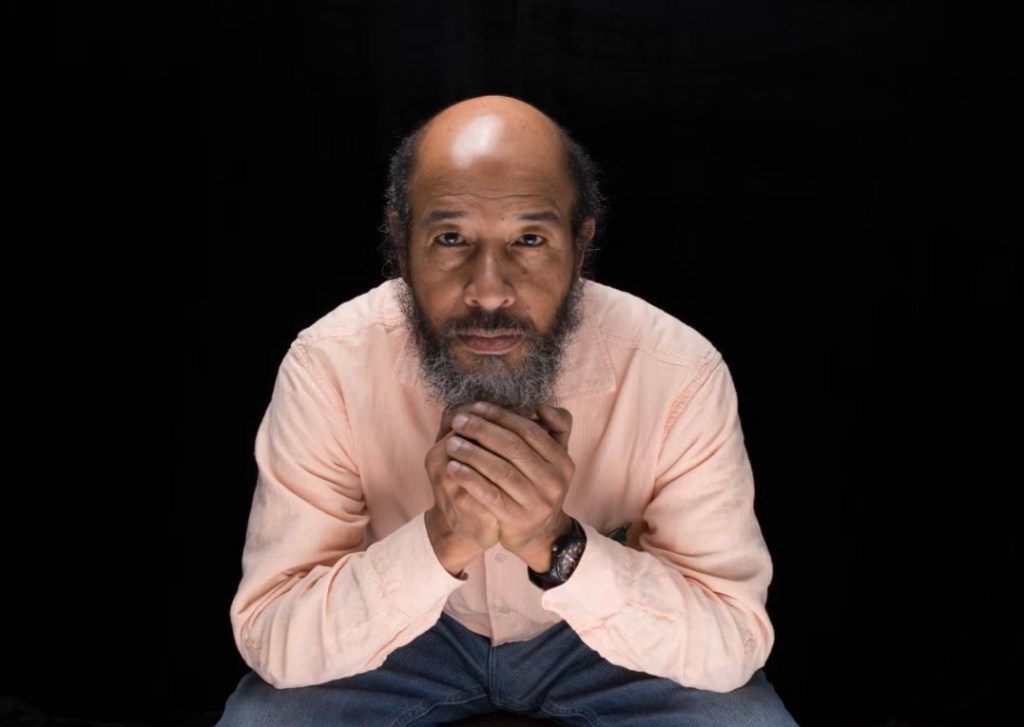
“The easiest form of white supremacy is exclusion.” – Albert Chong
Albert Chong’s life and work are a testament to this statement. A Jamaican-born artist of African and Chinese descent, Chong has spent decades navigating an art world that has often sought to exclude, silence, or commodify Black and Indigenous narratives. His response? To create a body of work that refuses to be erased.
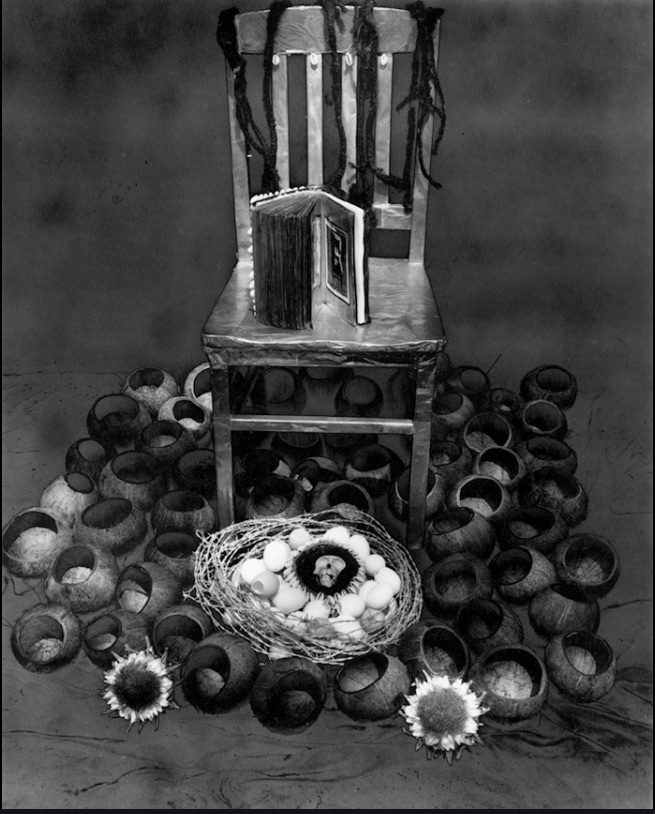
His art is not simply a visual experience; it is an act of remembrance, a confrontation, and a reclamation of lost histories. Through photography, installation, and sculpture, Chong seats the spirits of the past in a world that has tried to forget them. His work challenges, educates, inspires, and—perhaps most importantly—forces discomfort in those who benefit from forgetting.
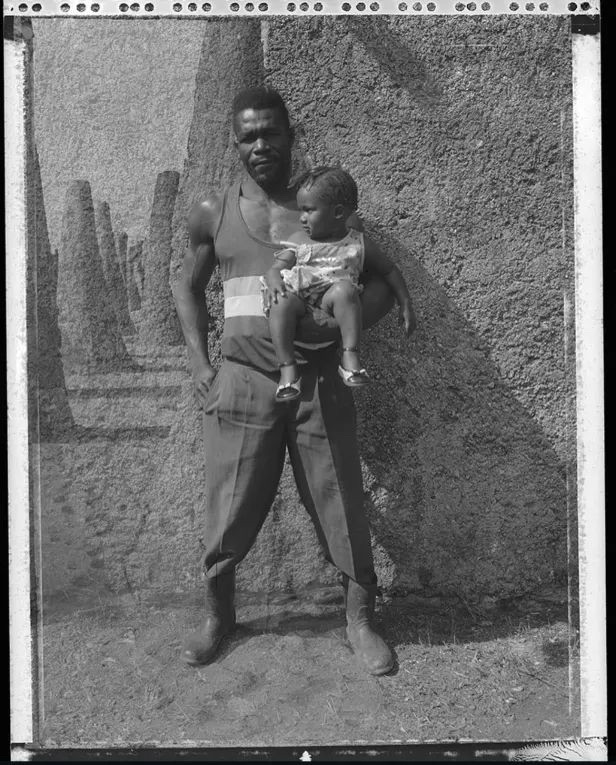
A Memory of Humanity
Chong has described his artistic mission as leaving behind “a memory of humanity.” For an artist whose personal lineage before his grandparents is unknown—a result of the brutal severance of identity through slavery and colonialism—this mission is deeply personal.
Many Black and Indigenous families share this forced amnesia, an intentional erasure inflicted by the systems that uprooted their ancestors. Yet, Chong’s work insists that even if names and stories are lost, the spiritual imprint of the past remains. His art seeks to recover this connection through ancestral veneration, even as he identifies as an atheist.
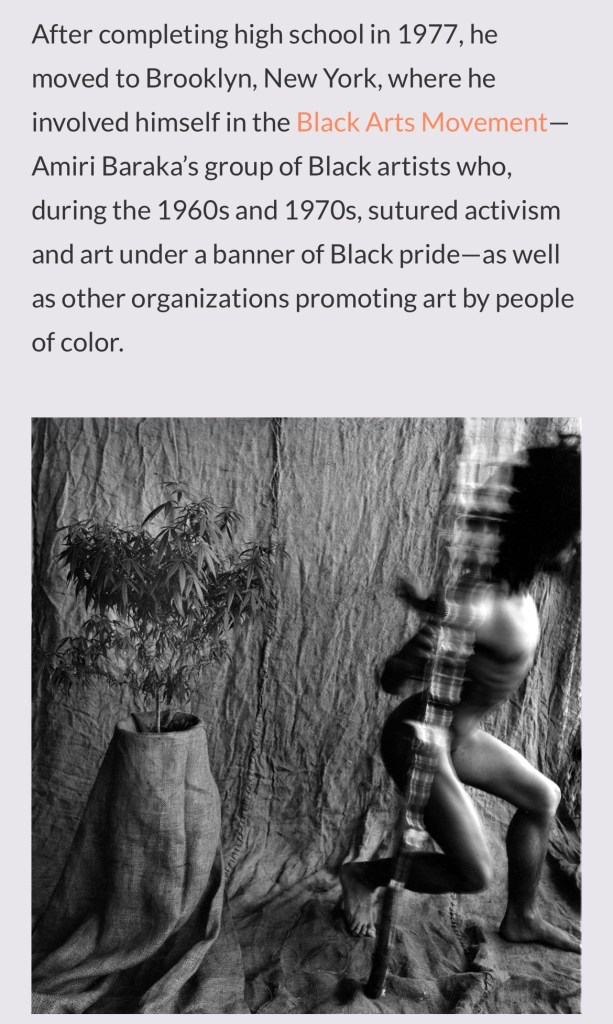
The Rebel’s Journey: From Catholicism to Rastafari
Born into a Catholic family in Jamaica, Chong’s spiritual evolution took him on an Ethiopian-inspired political and religious journey that led him to Rastafari. In many ways, he became the rebel and black sheep of his family, questioning doctrine and searching for an authentic, uncolonized form of spirituality.
Rastafari offered him a way to engage with the African roots that had been severed from so many in the Caribbean. It wasn’t just about religious belief—it was about self-determination, resistance, and cultural reclamation. Though he ultimately embraced atheism, his work is infused with the sacred, the ancestral, and the deeply spiritual.
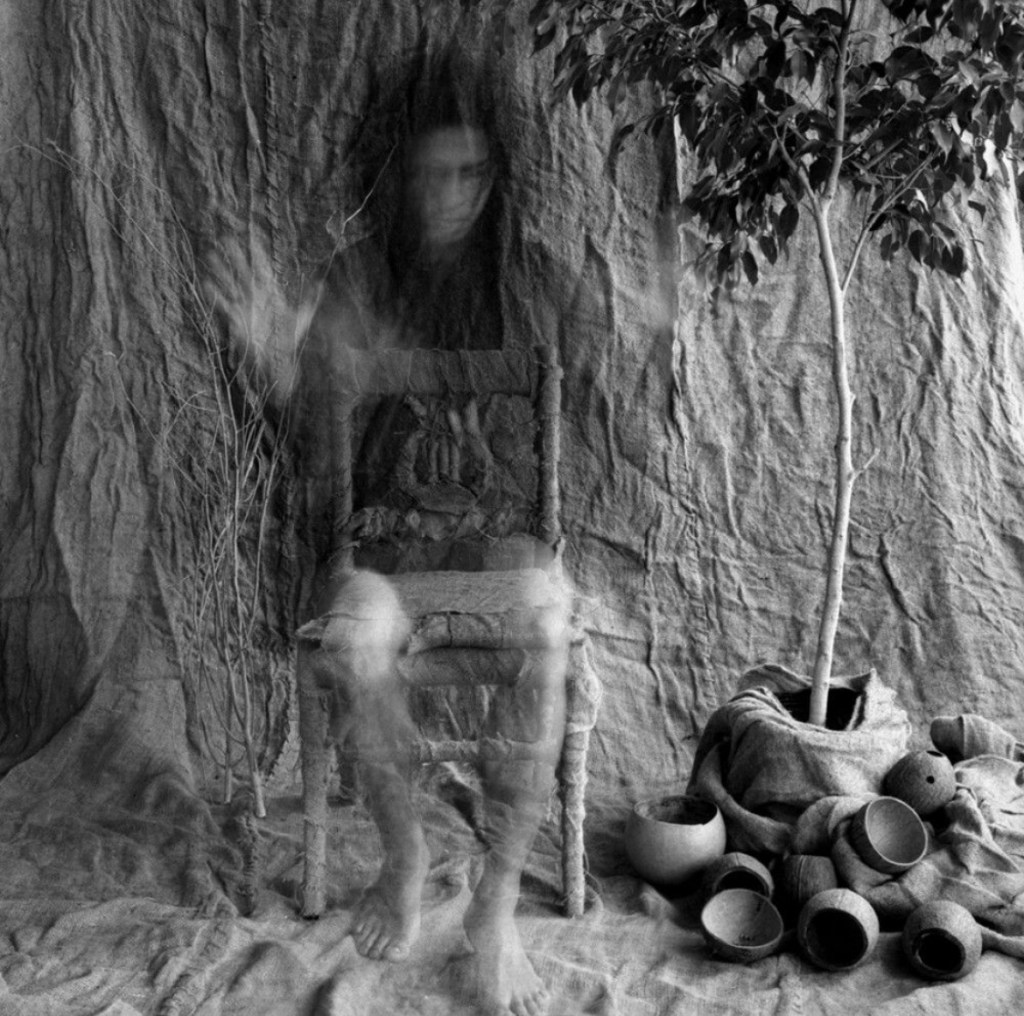
Thrones for the Ancestors: Seating the Spirits
Chong’s Throne for the Ancestors series is one of his most celebrated works—a collection of ornately adorned chairs that serve as seats for spirits, not people. These thrones are altars, crafted with relics, natural elements, and spiritual symbolism.
“The work was meant to seat the spirits, their invisible energy, the spirit force.”Chong has said.
Though he does not subscribe to conventional religious beliefs, his work acknowledges and invokes the unseen. These thrones become portals to the past, inviting dialogue with ancestors whose names may be lost but whose presence remains undeniable.
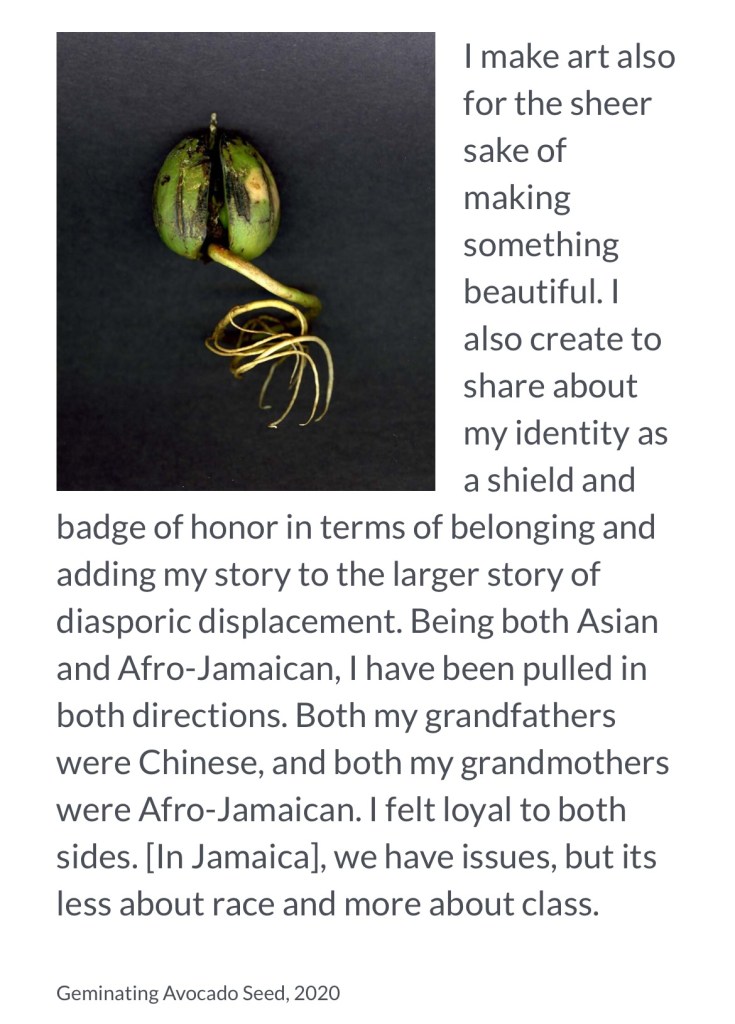
The Politics of Sustainability and the Land
Beyond his artistic practice, Chong is deeply invested in sustainable farming and environmental consciousness. This aligns with Rastafari principles that emphasize self-sufficiency, reverence for the land, and holistic living. His interest in sustainable agriculture reflects an understanding that true decolonization must include reconnecting with the land that was taken from us.
By growing food, understanding natural cycles, and fostering ecological balance, Chong participates in a tradition that has always been central to Indigenous and African survival and resistance.
A Sacred Atheism
One of the most fascinating contradictions of Chong’s life is his atheism—a disbelief in deities or organized religion—paired with an artistic career dedicated to spiritual memory, ancestral veneration, and the unseen world.
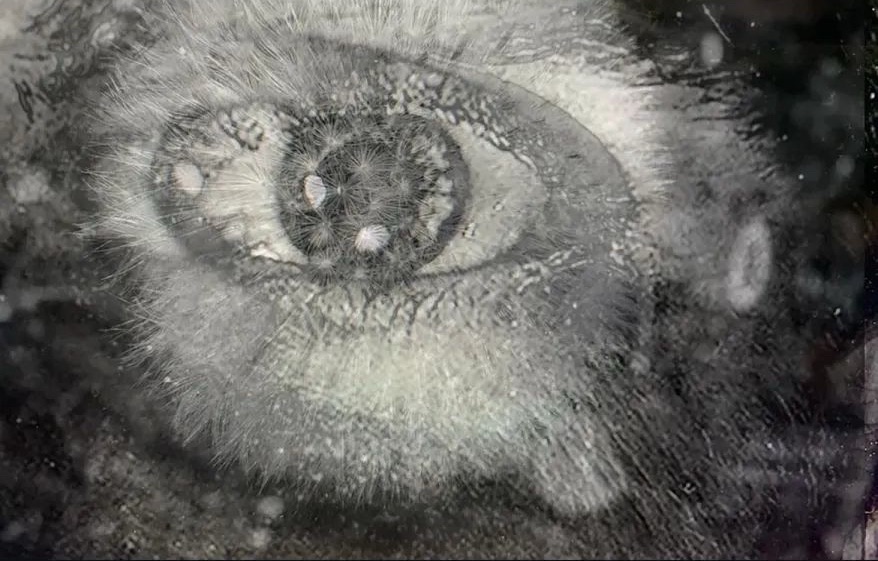
This contradiction is not a conflict—it is an evolution. Chong sculpts his own sacred path, free from dogma but deeply engaged with spiritual forces. His work suggests that spirituality does not have to be defined by belief in gods but can instead be rooted in memory, reverence, and the acknowledgment of unseen energies.
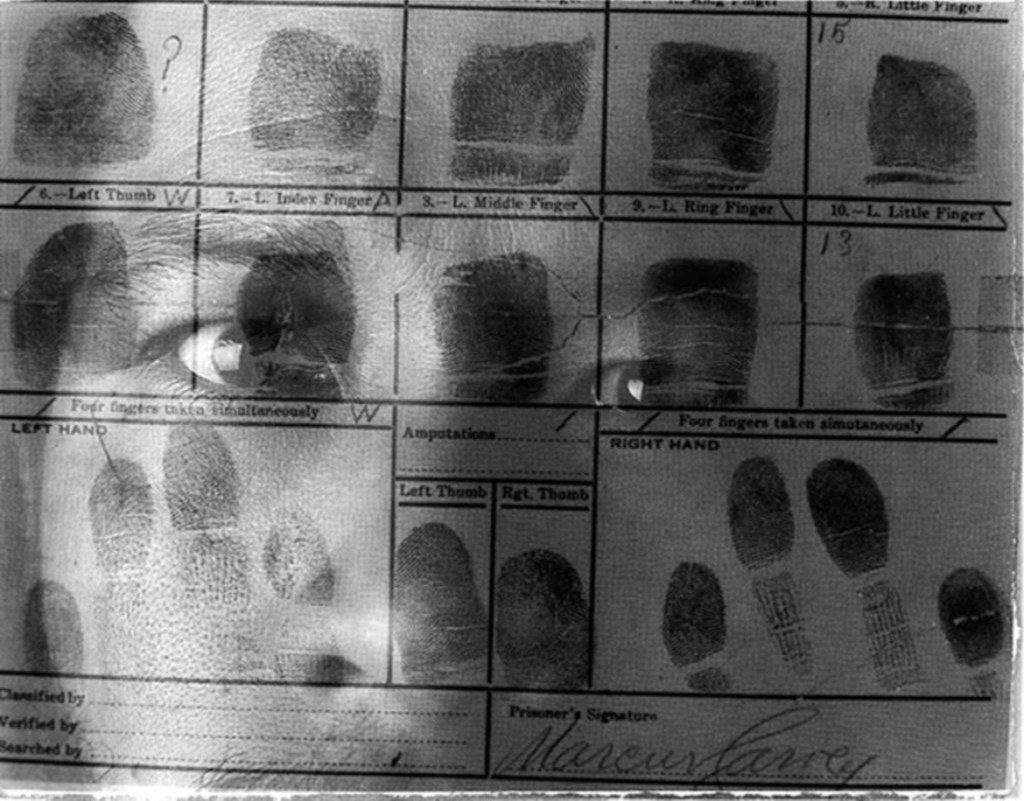
The Legacy of a Black Indigenous Artist
Albert Chong’s legacy is not meant to be comfortable. It is meant to challenge, provoke, and unsettle. His work speaks to those who have been uprooted, who seek connection but have been denied their ancestral knowledge. It is for those who recognize that art can be a weapon against erasure.
Through photography, sculpture, and installation, he defies exclusion, honors the spirits, and reclaims the forgotten.
He leaves behind not just art, but a memory of humanity.
Upcoming Exhibitions:
Albert Chong, the Jamaican-born artist acclaimed for his evocative photography and installations, is scheduled to participate in several notable exhibitions across the United States. Here are the upcoming shows:
• “Outside Influence: Photography in Colorado since 1945”
Dates: March 13 – May 4, 2025
Venue: Vickie Myhren Gallery, Denver
Overview: Curated by Rupert Jenkins, this exhibition traces the history of fine art photography in Colorado post-World War II. Albert Chong’s work will be featured alongside other notable photographers, highlighting his contributions to the state’s photographic landscape.
• Group Exhibition at the Brandywine Museum of Art
Dates: Mid-March 2025
Venue: Brandywine Museum of Art
Overview: This group exhibition will feature works by various artists, including Albert Chong. The Brandywine Museum of Art is renowned for its diverse programming that showcases a wide range of artistic expressions.
• “Photography and the Black Arts Movement, 1955–1985”
Dates: September 21, 2025 – January 4, 2026
Venue: National Gallery of Art, Washington, D.C.
Overview: This exhibition explores the pivotal role of photography in the Black Arts Movement, featuring approximately 150 works by over 100 artists. It highlights how photography influenced cultural and aesthetic expressions celebrating Black history, identity, and beauty during this transformative period.
• Collaboration: A Potential History of Photography
Dates: May 30 – August 17, 2025
Venue: Museum of Contemporary Photography, Chicago, Illinois, USA
• “Caribbean Transitions”
Dates: September 15 – December 15, 2025
Venue: Mississippi Museum of Art, Jackson, Mississippi
Overview: Curated by Keith Morrison, this exhibition features works by 20 artists of Caribbean descent, including Albert Chong. It delves into themes of memory, social change, and migratory experiences, reflecting the rich cultural tapestry of the Caribbean.
• A History of Photography: Exhibition at the Vicki Myhren Gallery
Dates: October 1 – November 15, 2025
Venue: Vicki Myhren Gallery, University of Denver, Colorado
Overview: This exhibition will showcase contemporary works, including those by Albert Chong, highlighting diverse perspectives and artistic practices.
• Solo Exhibition at the Emmanuel Gallery
Dates: January 10 – March 2026
Venue: Emmanuel Gallery, University of Colorado Denver, Colorado
Overview: Albert Chong’s works will be featured in this exhibition that aims to present innovative and thought-provoking art to the university community and the public.
🔥 **Join us for a LIVE conversation with Albert Chong on Thursday, March 6th at 1 PM EST on Instagram @tree.oflifeart 🔥
Let’s honor the ancestors, challenge exclusion, and reclaim our stories together.
#AlbertChong #JamaicanArt #AncestralWisdom #ThroneForTheAncestors #SpiritualArt #BlackArtists #AfricanDiaspora #Rastafari #DecolonizingArt #CulturalResistance #TreeOfLifeArt #MuseumQuality #HolisticLiving #Livity #IndigenousLegacy #ArtAsMemory

 Livity Blog