
Livity, Indigenous Wisdom
-
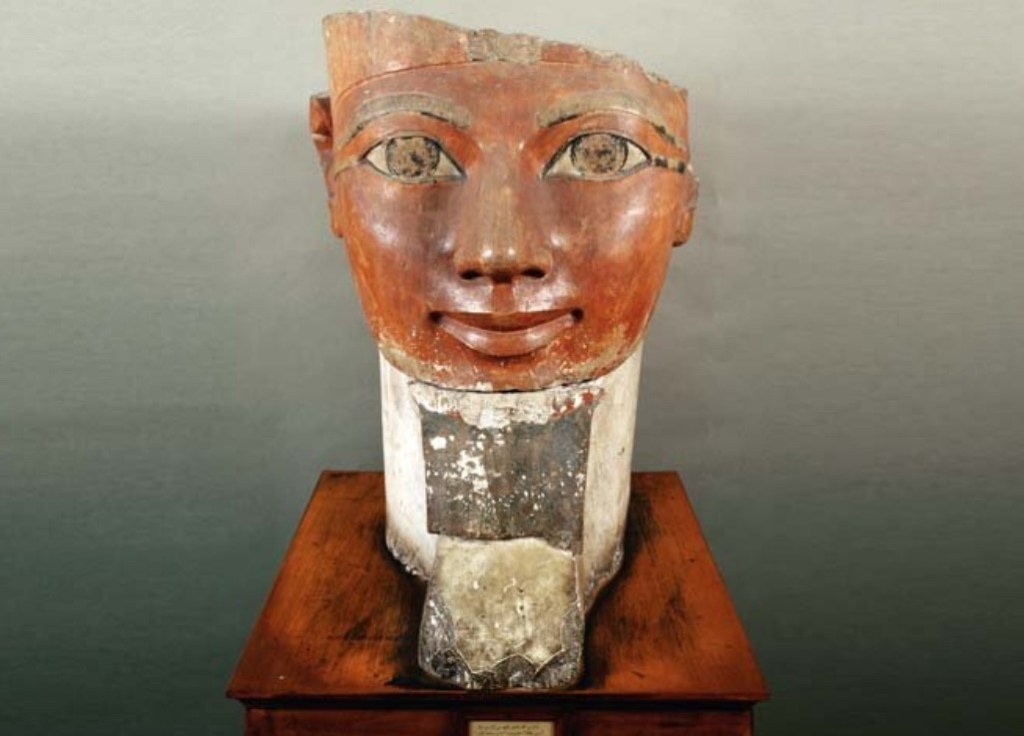
Was Punt in Ancient America? Rethinking the True Cradle of Civilization
The Egyptians called it Ta Netjer—Land of the Gods. Many believe Punt was in East Africa, but ancient clues point west. Could the true Punt lie in the Americas? From pyramids to sacred plants found in mummies, history may be far older—and more connected—than we’ve been told. Discover the truth on Livity.Blog.
-
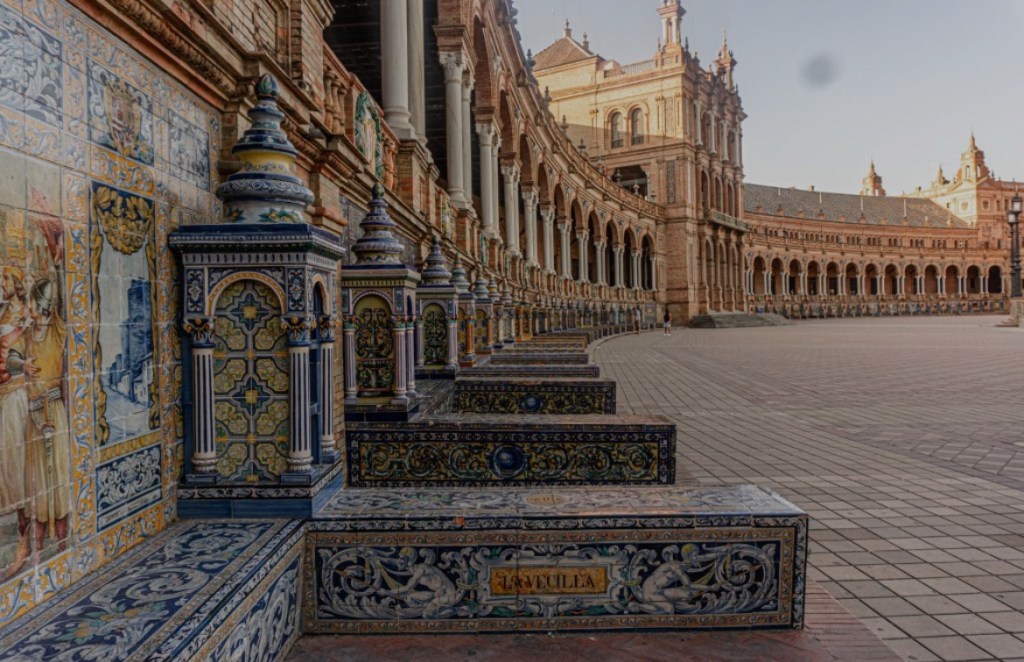
Andalusia: The African-Islamic Soul of Spain
Exploring the Hidden History and Moorish Architecture That Still Shapes Europe “They called it Al-Andalus. We call it memory. A place where African minds, Islamic vision, and Indigenous spirit reshaped the very foundation of Europe.” Introduction: A Forgotten Golden Age When people visit southern Spain, they marvel at the ornate palaces, flowing fountains, intricate tilework,…
-
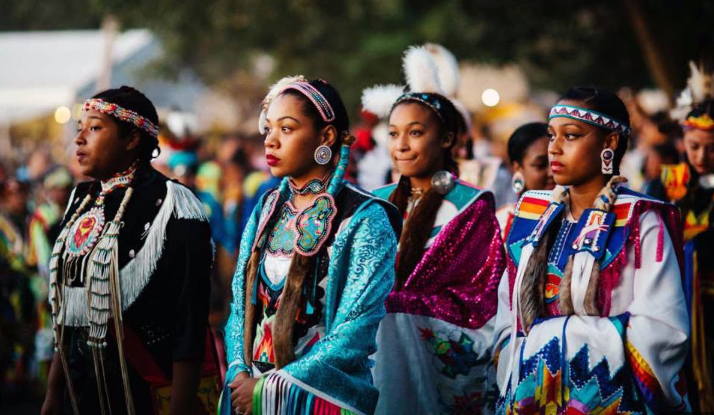
The Shinnecock Indians: Black Indigenous Guardians of the Hamptons
The Shinnecock Indian Nation, long before European contact, thrived on Long Island’s shores for over 10,000 years. Their rich Black Indigenous heritage challenges colonial narratives. Despite colonization and land theft, they continue to assert their identity, fighting for cultural preservation and economic sovereignty amid modern challenges. Their story embodies resilience and connection to the land.
-
Dark Energy, Spiritual Energy & The Double Slit Experiment: Indigenous Cultures Always Knew What Science Is Just Discovering
Dark Energy isn’t just science — it’s Spirit. Long before physicists named it, Indigenous cultures lived in relationship with this force — the invisible energy that connects all life and expands the universe. This article explores how The Golden Compass’ Dust mirrors ancient wisdom, how the Double Slit Experiment proves consciousness shapes reality, and how…
-
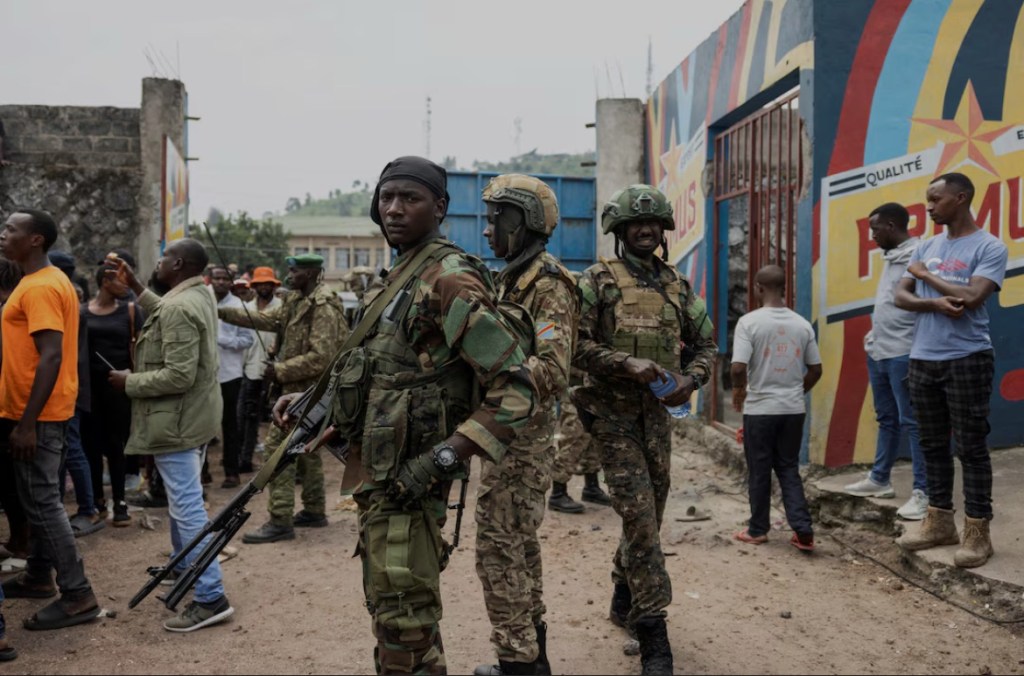
Cobalt and Carnage: The Hidden Cost of Our Smartphones
Congo’s minerals power our tech—but at the cost of lives, land, and legacy. Uncover the hidden genocide at Livity.blog.
-
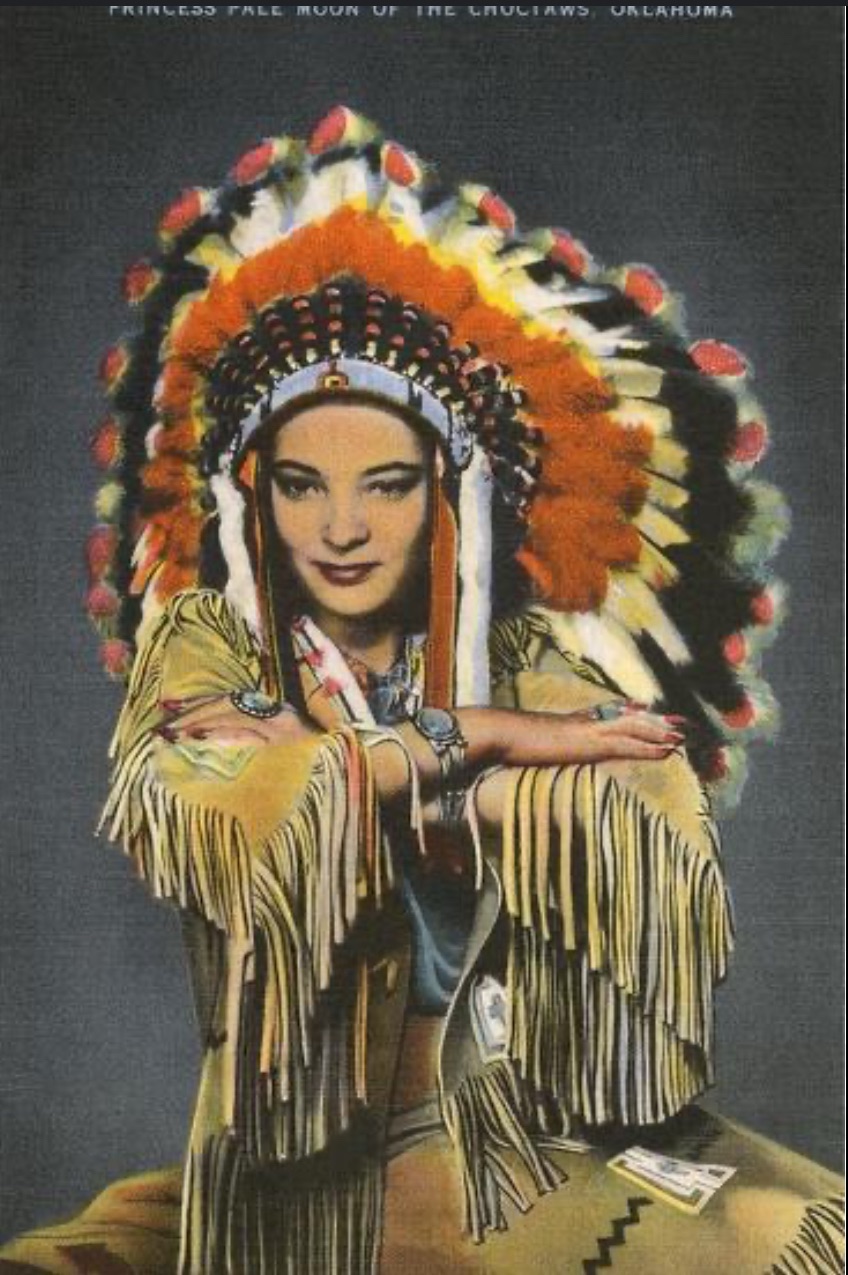
Sacred Lineages: The Choctaw and the Mystery of Mitochondrial Memory (Part II)
The article explores the genetic connections between the Choctaw and ancient civilizations such as the Berbers, Egyptians, and Sumerians. It highlights the unique mitochondrial haplogroup X2a found in the Choctaw, suggesting potential pre-Columbian trans-oceanic contact or shared ancestry. These cultures share spiritual reverence for feminine energy and maternal lineage, indicating a profound historical interconnection.
-
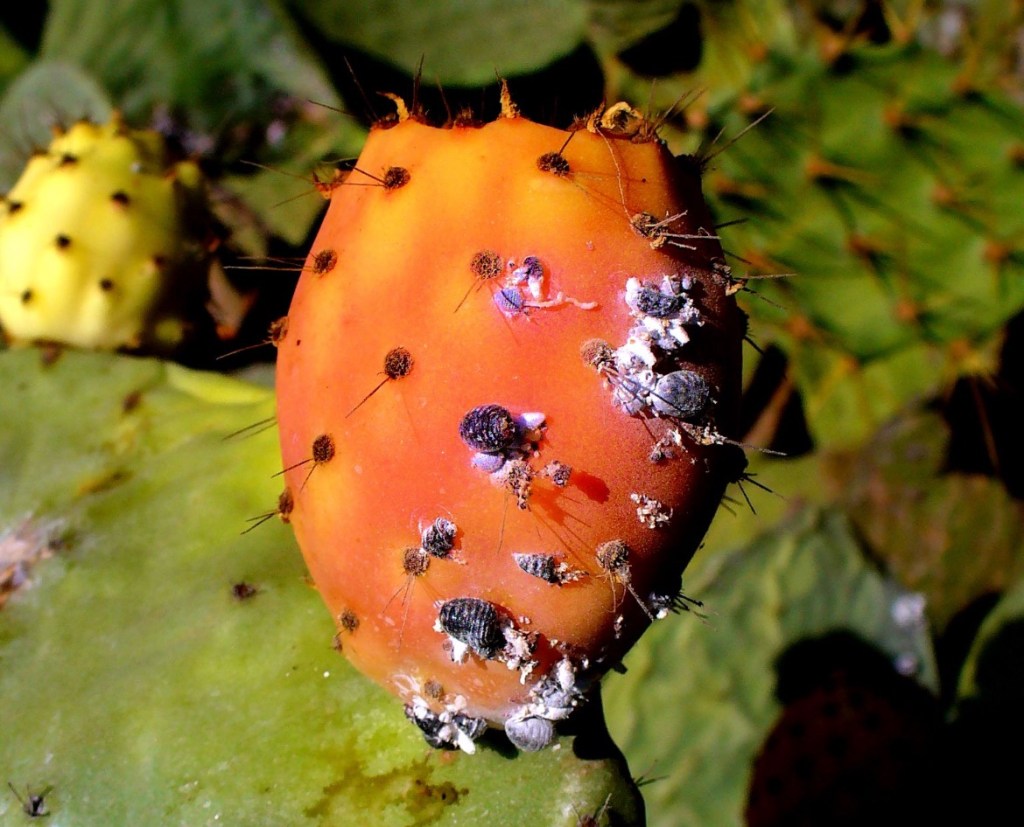
Death of a Dye? The Hidden War Behind Red 40 and the Ancient Wisdom of Cochineal
To the Aztecs and Maya, color was not decoration—it was declaration. Red was life, vitality, and spirit. When Spanish colonizers arrived, they saw cochineal’s richness and value—and did what they always did. They extracted it, commodified it, and tried to erase the people who made it sacred. Fast-Forward: The Rise of the Synthetic Era… The…
-
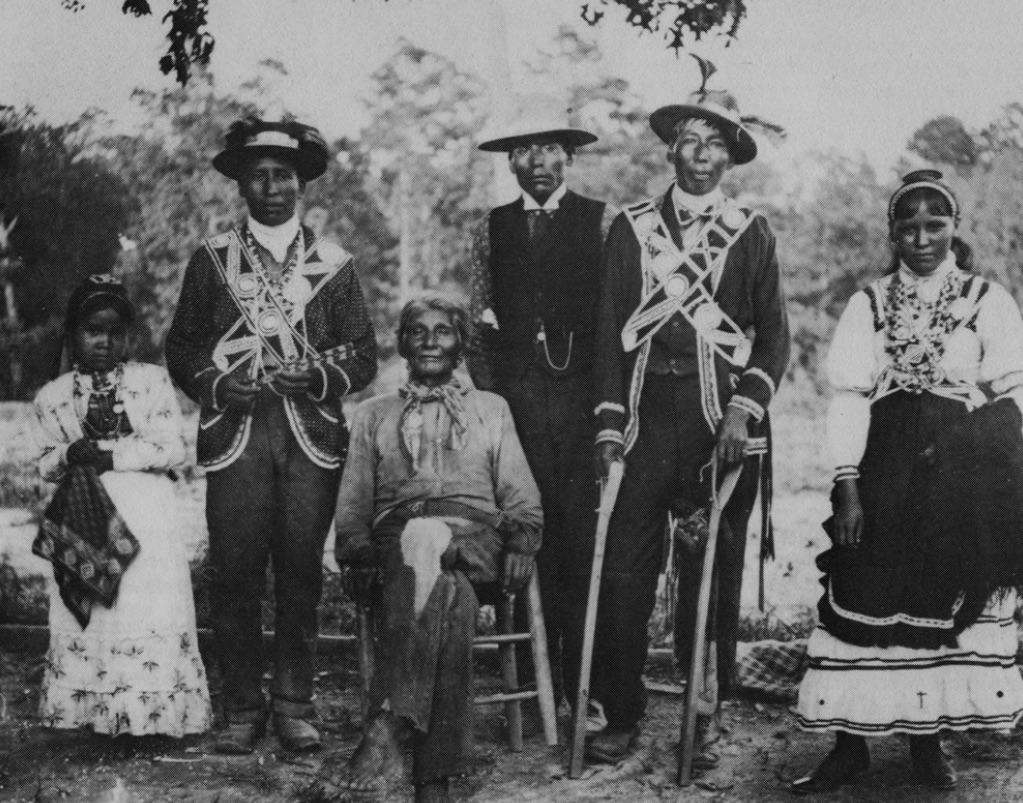
Bloodlines of the Ancients: Exploring the Rare Blood Types and DNA of the Blackfeet, Blood Indians, and Choctaw Peoples
In the great rivers of our ancestral memory, blood is not just life—it is legacy. Among Indigenous nations, sacred traditions and oral history have long preserved the understanding that blood carries the spirit of the ancestors. Today, science begins to echo this truth as researchers uncover the unique genetic signatures embedded in the lineages of…
-
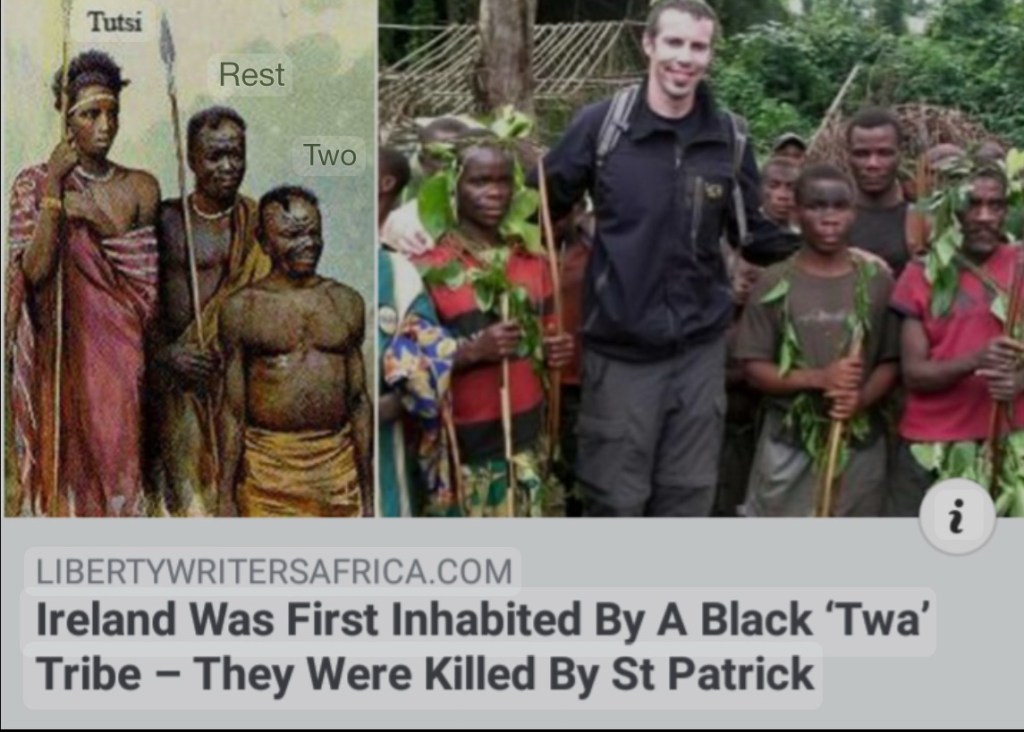
The Twa, Ireland’s Stone Monuments, and the Untold Histories of the First Peoples
The Twa people, one of the oldest human lineages, are said to have traveled far beyond Africa, carrying ancient knowledge, architecture, and traditions. Could they have reached Ireland long before the Celts?
-
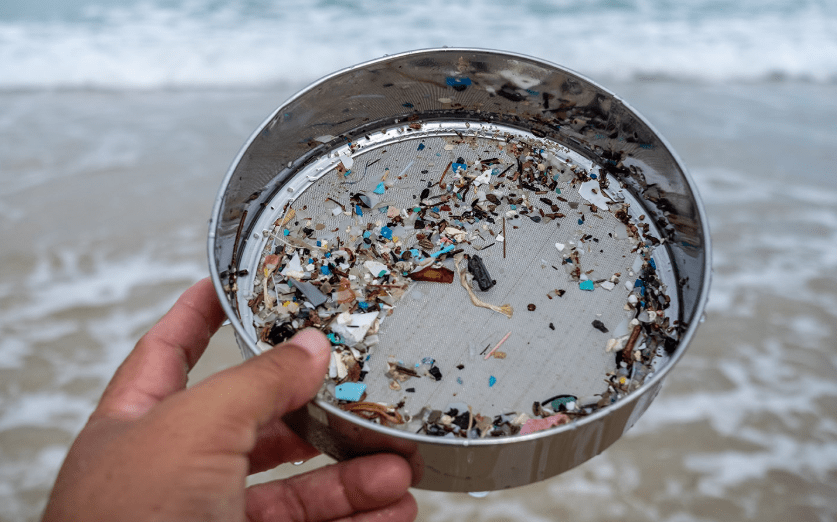
Nanoparticles: The Invisible Threat to Our Environment and Health
Nanoparticles, while beneficial in various industries, pose significant environmental and health risks. They infiltrate air, water, and soil, impacting ecosystems and contributing to disorders like autism and ADHD. With widespread contamination from sources like plastic bottles, the urgency to address nanoparticle exposure through informed choices and advocacy for sustainable practices is critical.
 Livity Blog