
Livity, Indigenous Wisdom
-

The Billionaire Dream is Dead — and That’s a Good Thing
The post critiques the glorification of billionaires and the detrimental culture it fosters. It advocates for a shift from materialism to community and connection, encouraging individuals to embrace ancestral wisdom and live authentically. The new culture, focused on creativity, integrity, and collective care, calls for reclaiming a meaningful, earth-centered existence.
-

Underwater Pyramids, Flooded Earth: A Suppressed History
An alternate worldview: Earth submerged and pyramids built underwater Propose Earth was once mostly covered by water—perhaps even long into the era of early civilization—and that pyramids and megalithic complexes were deliberately constructed under or partially under water, long before rising seas submerged them. This viewpoint challenges mainstream archaeology as being shaped by colonial agendas…
-
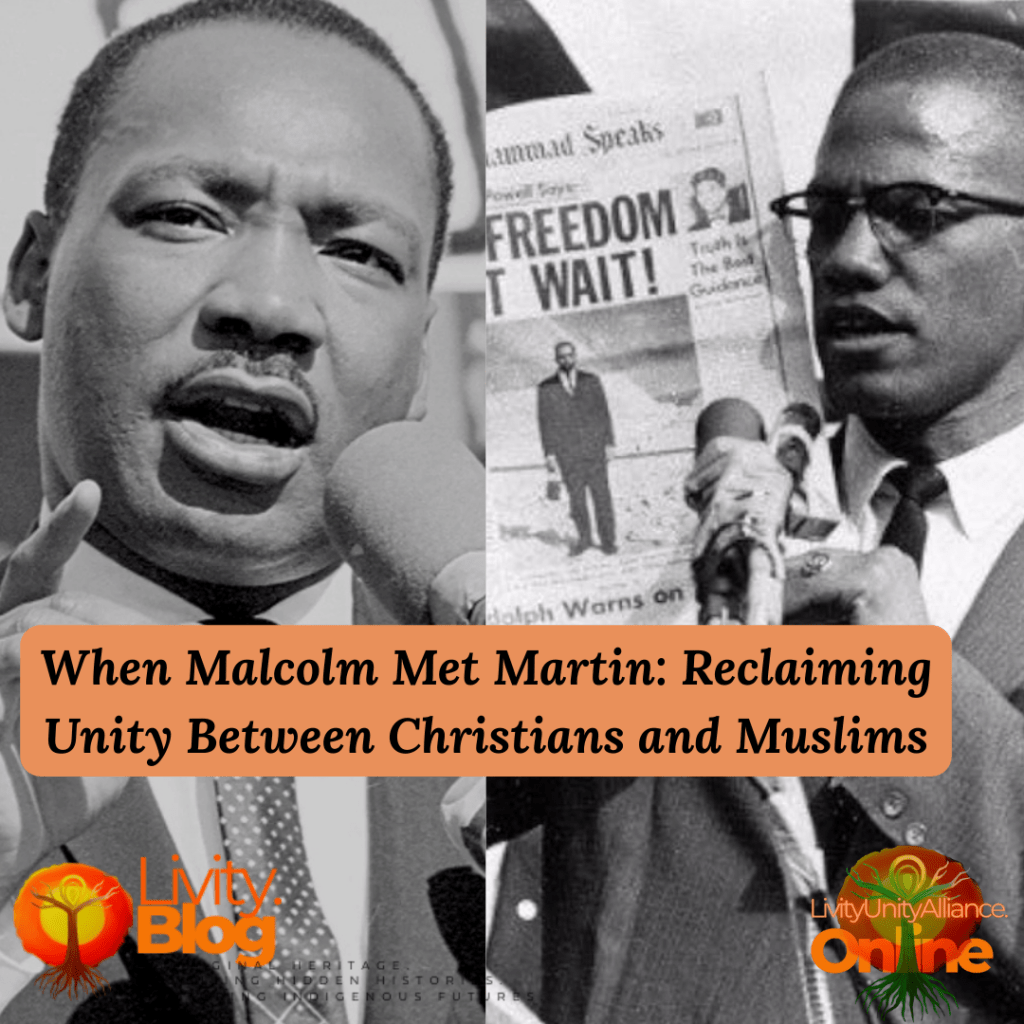
When Malcolm Met Martin: Reclaiming Black Unity Between Christians and Muslims
Malcolm and Martin are too often portrayed as opposites. But in truth, they were beginning to converge—spiritually, politically, and purposefully. Malcolm reached out to King. King welcomed the dialogue. Their faiths differed, but their mission was shared: Black dignity, Black freedom, and Black unity. The enemy was never each other. The enemy was division.
-
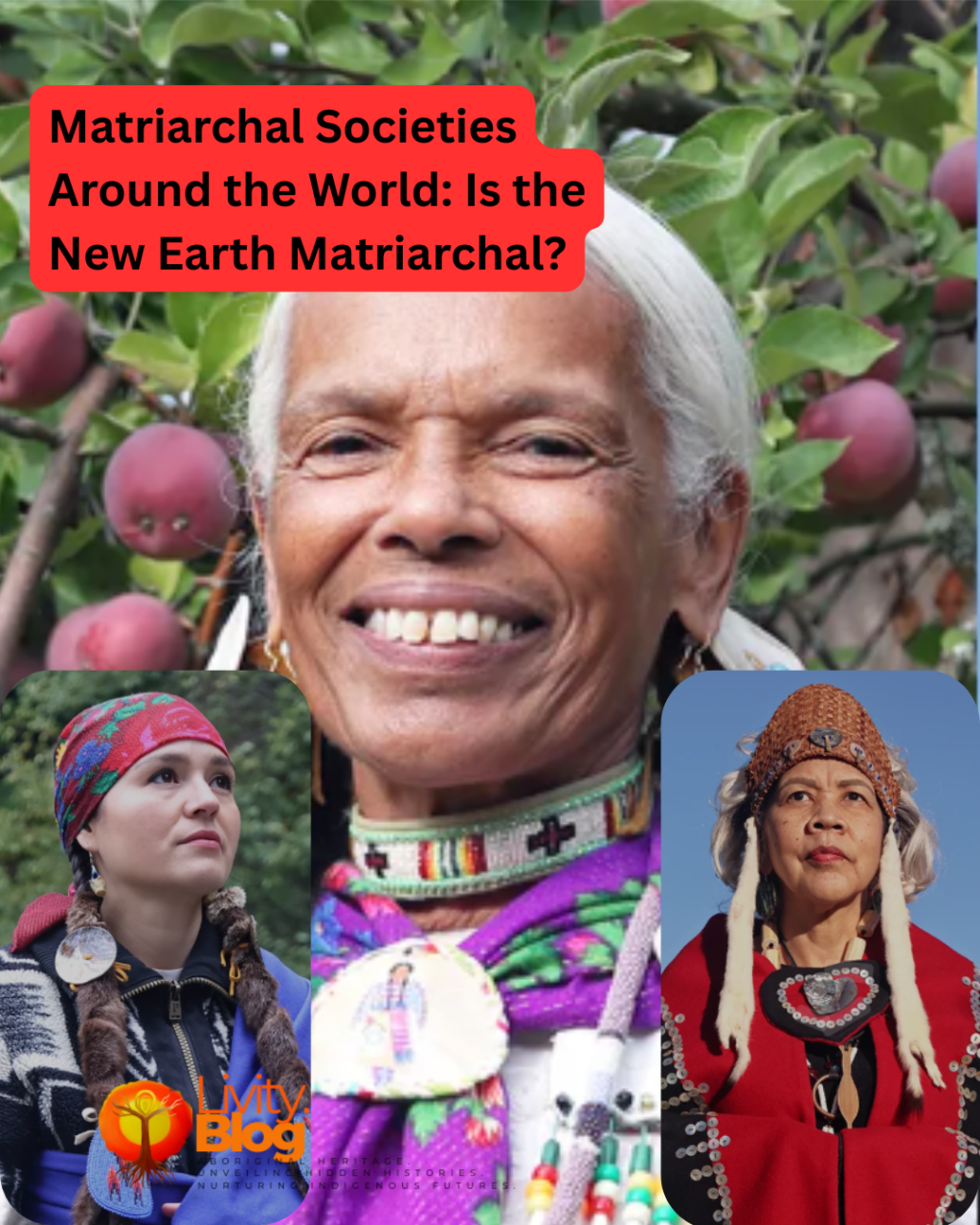
Matriarchal Societies Around the World: The Healing Power of Indigenous Matriarchs
Matriarchal societies present alternative governance models emphasizing balance, sustainability, and communal wisdom in contrast to patriarchal structures. Cultures like the Mosuo and Haudenosaunee showcase how women influence leadership and community through matrilineal systems. As modern crises loom, incorporating matriarchal principles may guide society toward ecological and social renewal.
-
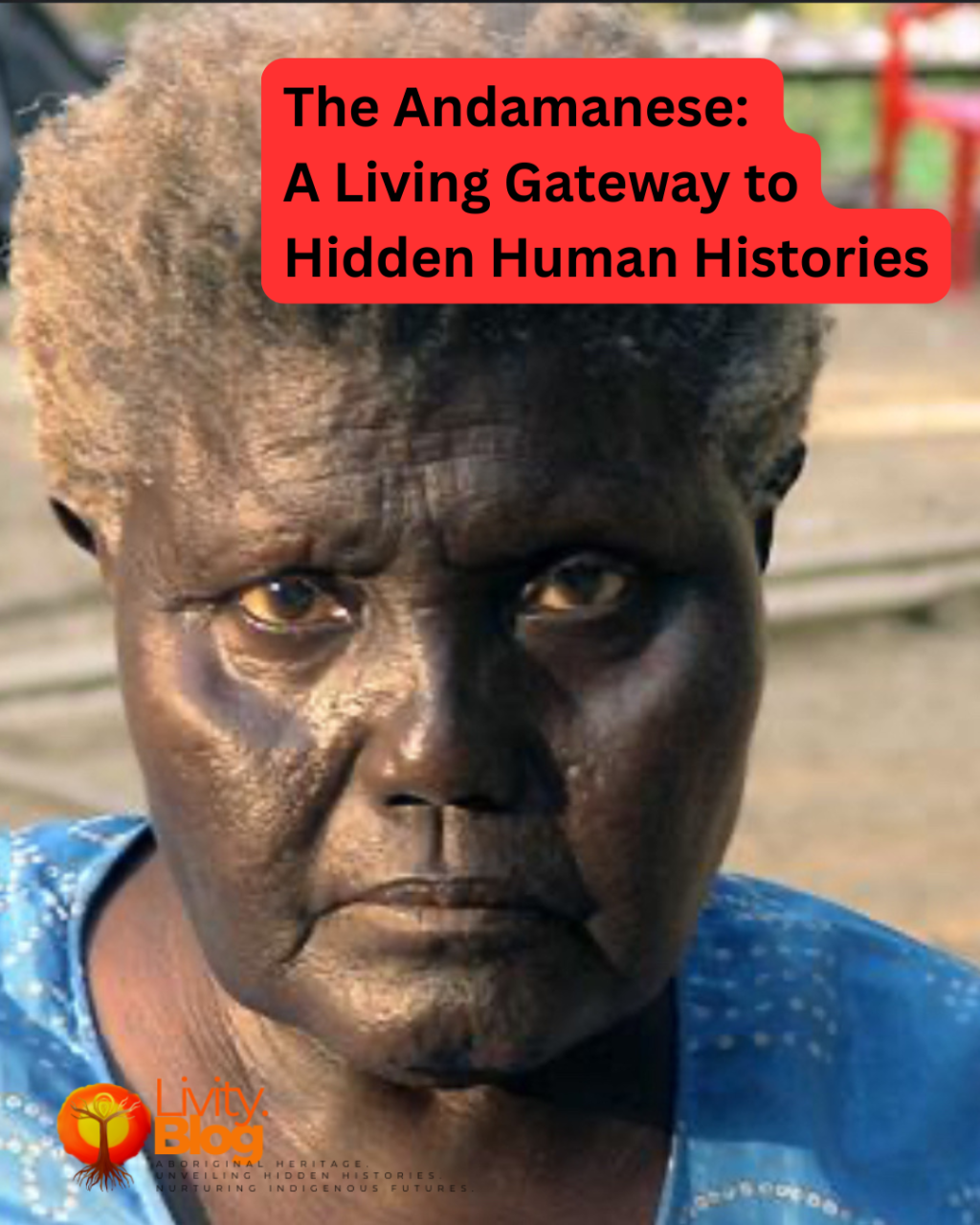
The Andamanese: A Living Gateway to Hidden Human Histories
The Andamanese are among the oldest living humans on Earth—yet most have never heard of them. Their existence challenges the Out-of-Africa theory and may hold secrets to Black Indigenous origins across the globe. Read the full article on Livity.Blog.
-
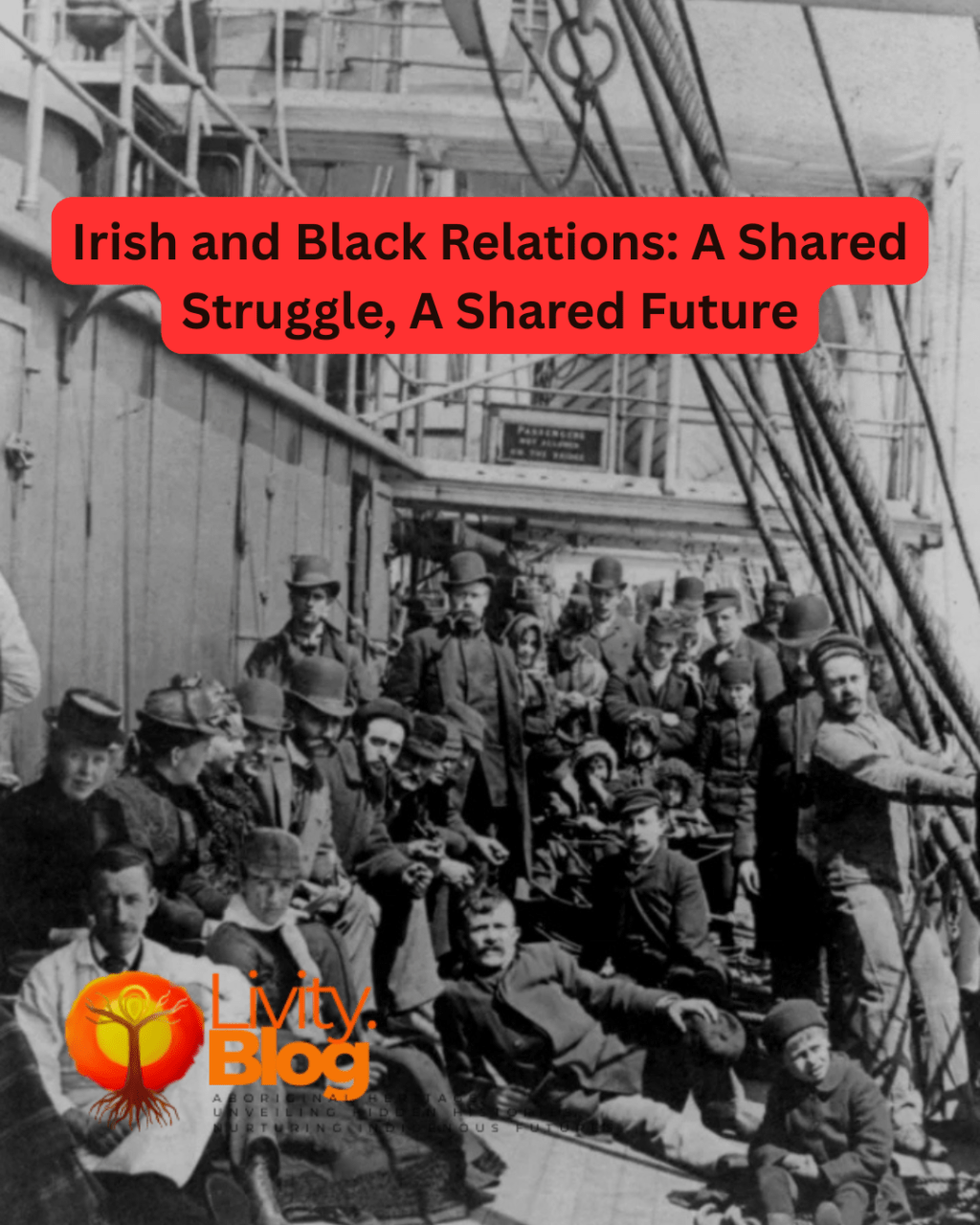
Irish and Black Relations: A Shared Struggle, A Shared Future
Explore the complex history of Irish and Black relations in America—from shared oppression to division, and how unity can shape a just future.
-

Bougainville: Bamboo Music and Blood-Stained Soil
Bougainville, an island in the Solomon Sea, holds rich ancestral histories amidst struggles for Indigenous sovereignty and cultural preservation. Despite the devastation from colonial exploitation and mining, Bougainvilleans have maintained their identity through traditional music and oral traditions, emphasizing resilience against erasure and advocating for environmental justice. Their story parallels global Indigenous struggles.
-
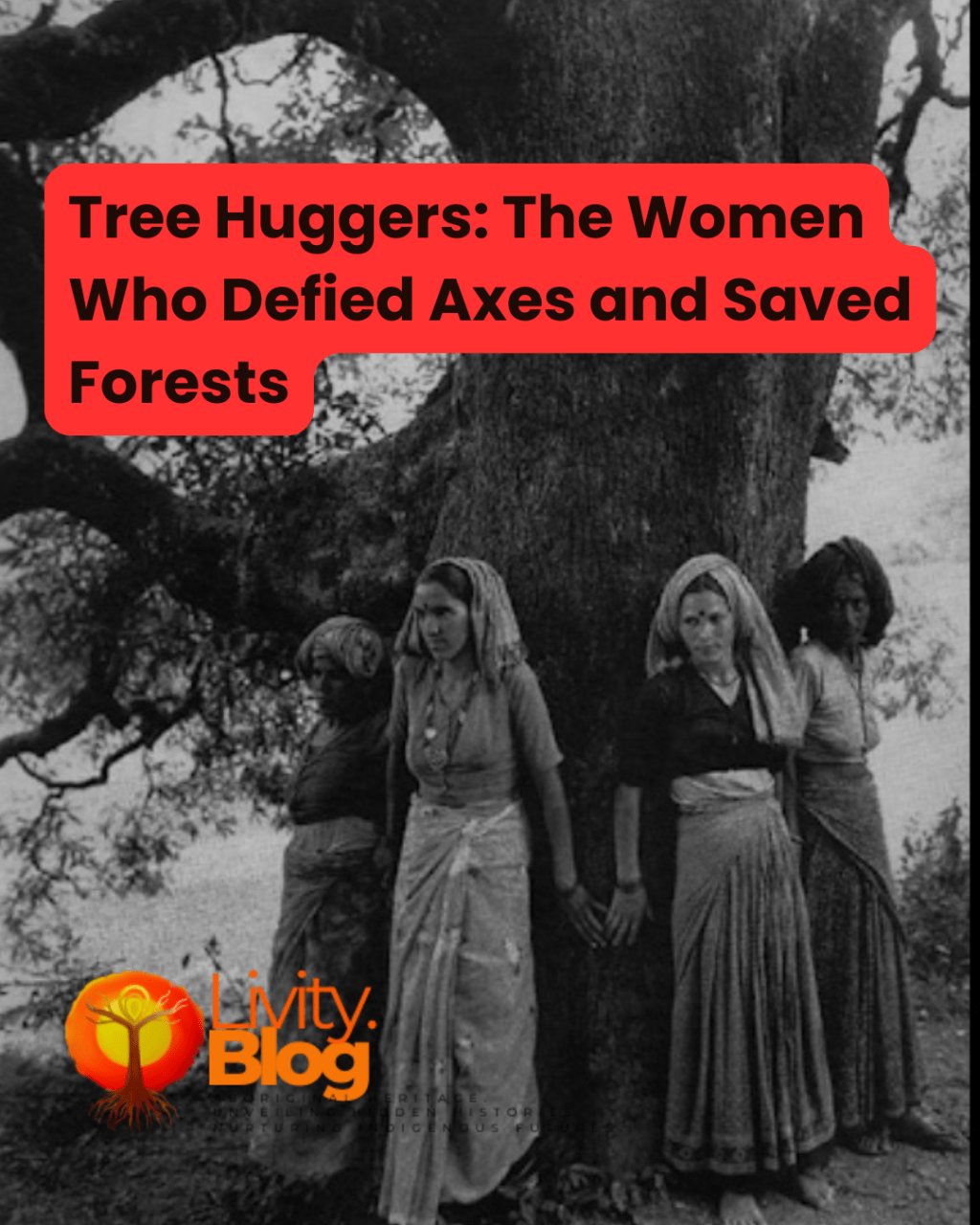
Tree Huggers: The Women Who Defied Axes and Saved Forests
In the 1970s, the Chipko Movement emerged in Uttarakhand, India, as Indigenous women protected forests from logging by physically hugging trees. Led by Gaura Devi, this grassroots, nonviolent resistance highlighted the vital relationship between these women and their environment. Their actions sparked significant policy changes and global ecological movements, showcasing the power of women’s collective…
-
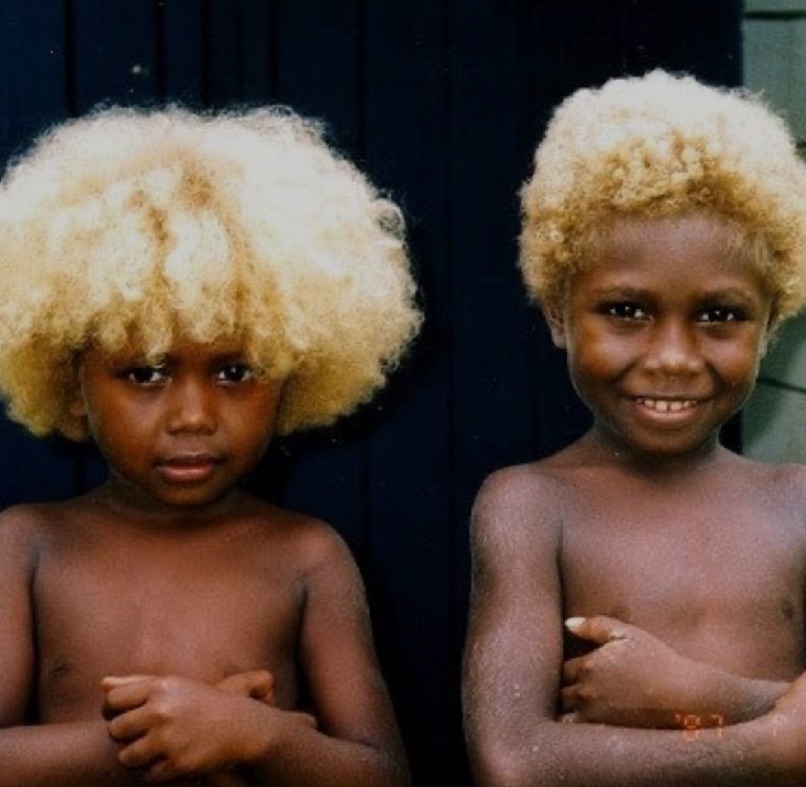
Red Hair in Black Communities: Tracing the Forgotten Bloodlines of Black and Indigenous Peoples
Red hair in Black and Indigenous communities often challenges colonial narratives of ancestry, suggesting deeper historical connections that predate European influence. Genetic studies show that the MC1R gene linked to red hair may stem from ancient lineages. This trait symbolizes the survival of diverse histories and identities across generations, revealing erased legacies.
-
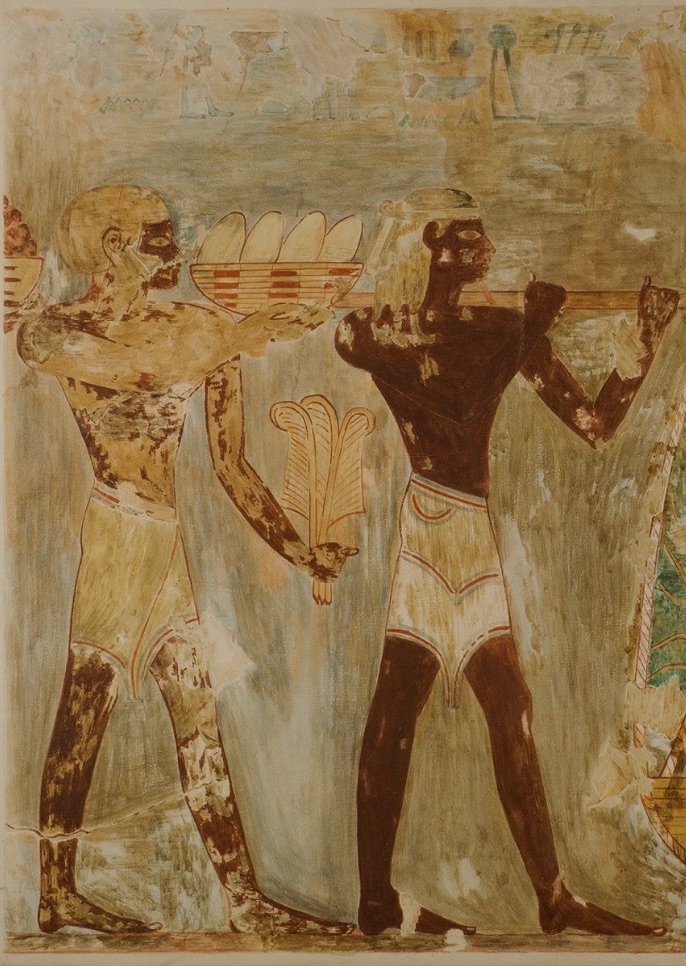
Beyond Ancient Aliens: How the Igigi Connect Starseeds to Indigenous Bloodlines
This post bridges alien theory with Indigenous wisdom, tracing starseed origins back to Earth’s oldest ancestors.
 Livity Blog