
Community
-

The Story of Albinism: From Noah to Modern-Day Tanzania
Albinism, deeply rooted in ancient texts and contemporary Tanzania, reflects a blend of cultural beliefs, genetics, and societal struggles. Tanzanian albinos encounter discrimination and violence due to superstitions. Efforts to improve their situation exist, while the historical context and genetic factors contribute to the prevalence of albinism in Tanzania.
-
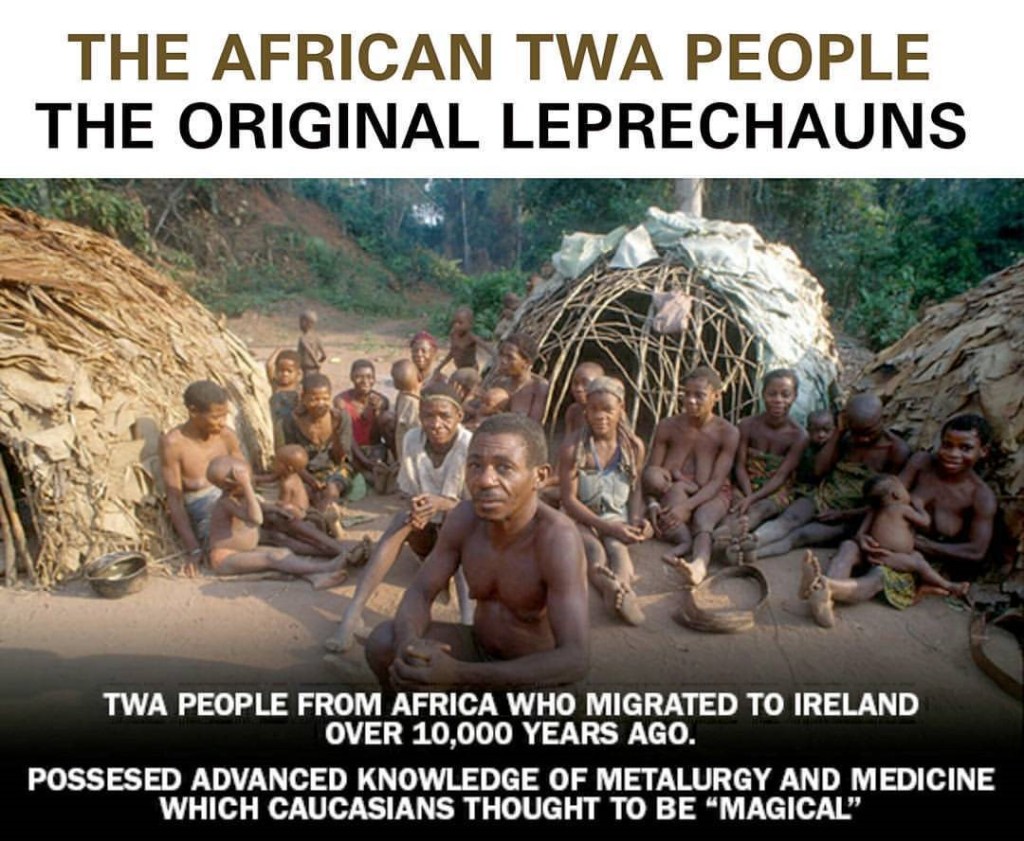
The Twa People: Ancient Black Inhabitants of Ireland and Their Connection to St. Patrick’s Day
The Twa people, also known as pygmies, are believed to be among the first black inhabitants of Ireland. Linguistic clues, historical accounts, and cultural exchanges support their significant role in shaping early Irish society. Their enduring legacy and wisdom continue to enrich the island’s diverse and multicultural past.
-

Hidden Roots: How Various Religious Dogmas Stem from African Aborigines Belief Systems
The interconnected tapestry of world religions is woven with threads from African aborigines’ spirituality, influencing beliefs globally. Their holistic belief systems, including animism, ancestor worship, and rituals, have shaped major religions such as Ancient Egyptian, Abrahamic, Hinduism, and indigenous Americas’ practices. Reconnecting with these ancient roots offers profound insights, integrating wisdom into contemporary spirituality and…
-
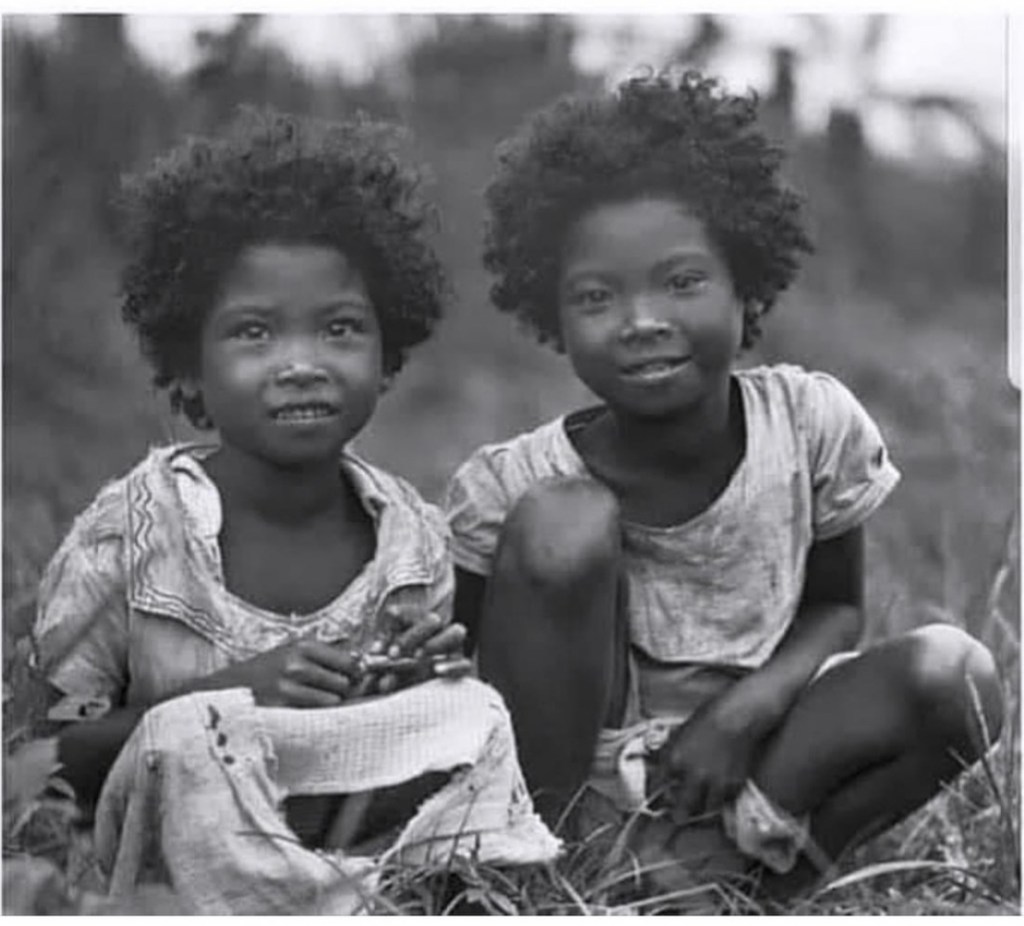
Rediscovering the Aeta: The First Inhabitants of the Philippines
The Aeta, an indigenous group in the Philippines, trace their roots back 20,000 to 30,000 years. Residing in the mountains of Luzon, they are known for their hunter-gatherer lifestyle and cultural heritage, including diverse languages and traditional practices like tattooing. Despite facing challenges, they continue to preserve their identity and contribute to Filipino diversity.
-

The Power of Cultural Heritage in Modern Wellness: A Livity Approach
In today’s fast-paced world, modern wellness draws from ancient cultural practices to enrich well-being and preserve valuable heritage. Livity, emphasizing harmony with nature and community, promotes genuine connections to cultural roots while adapting to modern life. This integration encompasses spirituality, traditional practices, and the importance of preserving cultural heritage, offering meaningful ways to nurture well-being.
-
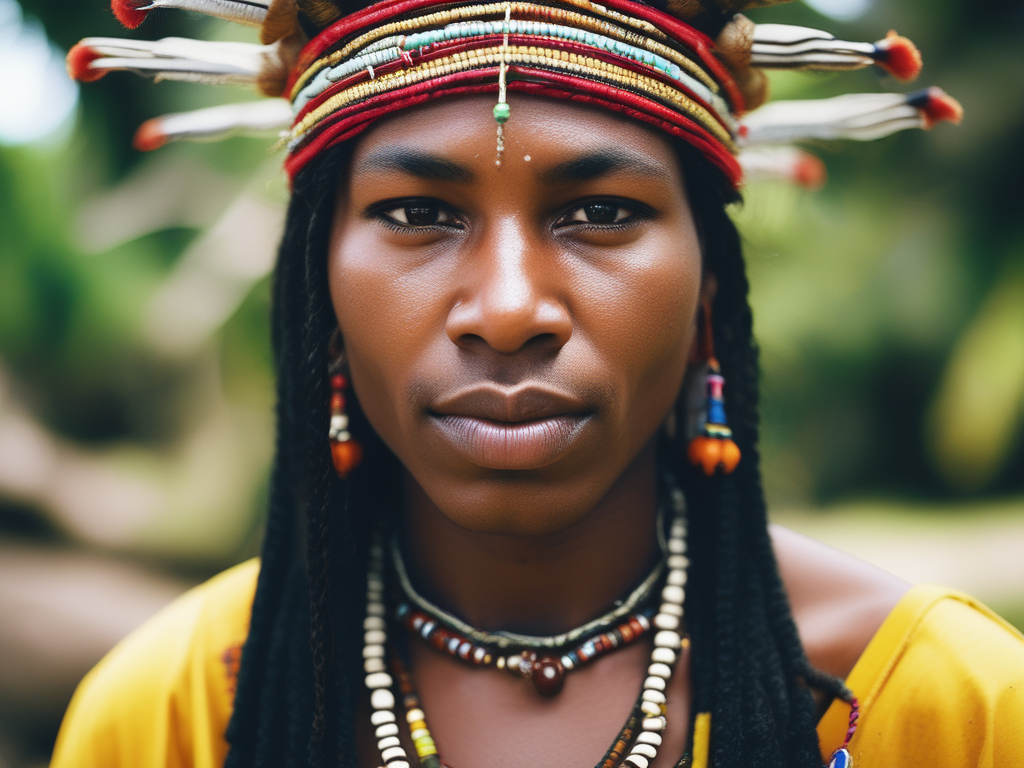
Impact of Colonialism on Indigenous Communities
Colonialism has deeply impacted indigenous communities worldwide, resulting in cultural erasure, loss of land, and oppression. The Rastafari movement in the Caribbean represents a significant effort to reclaim and preserve indigenous practices, emphasizing livity—a way of life rooted in a deep connection with nature and spirituality. This cultural synthesis strives to honor and integrate diverse…
-
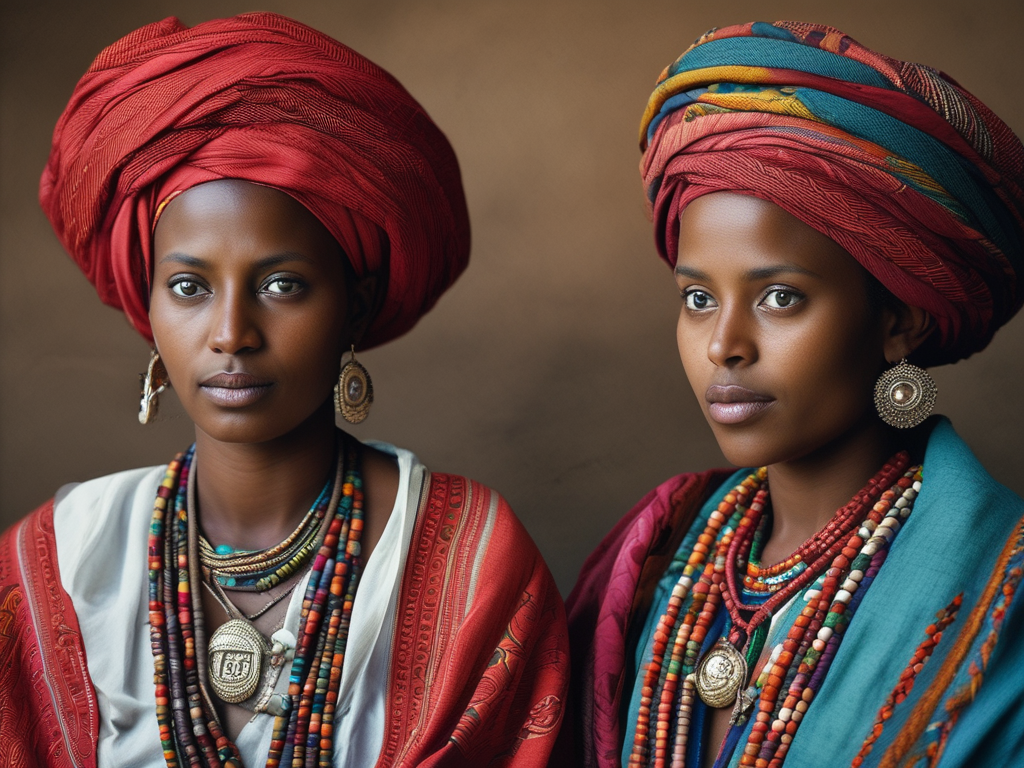
Bridging Cultures: The Direct Link Between Rastafarianism, Ethiopians, and Their Shared Heritage in Art and Music
During colonization, Rastafarians saw Ethiopia as their sacred homeland amid the harsh treatment of Africans. Jamaica became a site of suffering for many. Rastafarianism’s deep connection to Ethiopian culture and spirituality serves as a bridge between the Caribbean and Ethiopia, influencing art and music. This shared heritage unites Rastafarians worldwide, promoting unity and cultural pride.
-

Embracing Livity: How Rastafari Spirituality Fuels the Modern Spiritual Movement
The Rastafari concept of Livity, rooted in Jamaica, embodies a holistic approach to life, emphasizing harmony, interconnectedness, and reverence for all living beings. It offers spiritual resonance, social justice, and practical ways to incorporate it into daily life, guiding individuals on a journey of self-discovery, growth, and connection with nature and ancestral roots.
 Livity Blog