
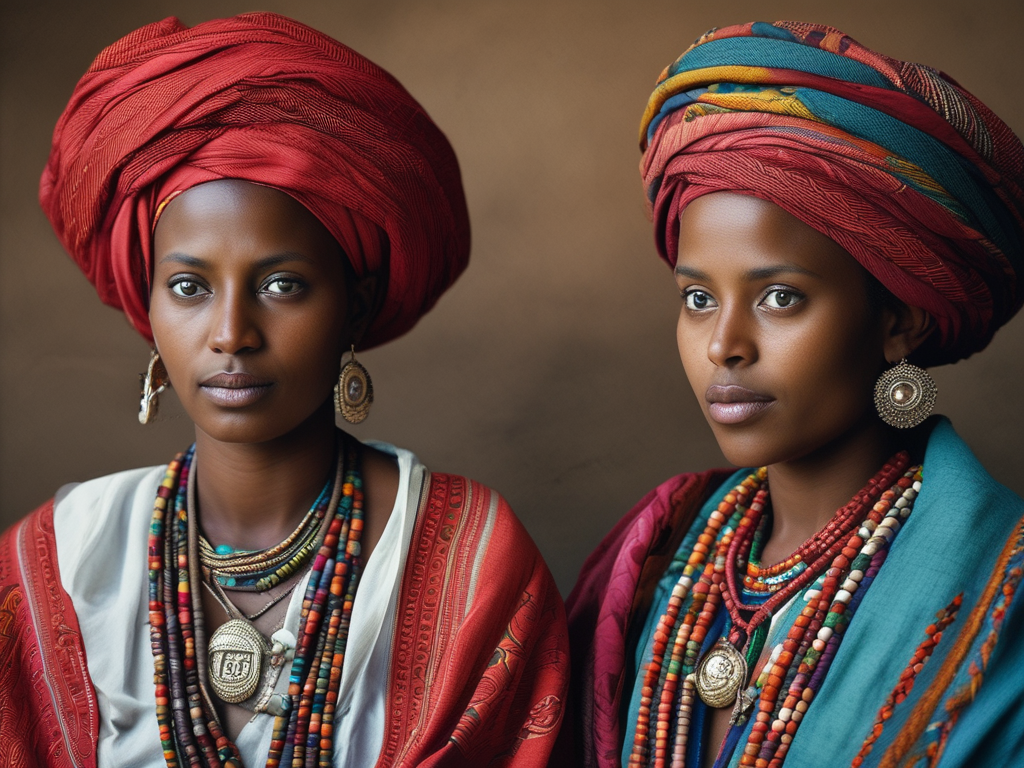
During the period of colonization, Rastafarians regarded Ethiopia as their sacred motherland. In the face of the brutal dispersal of Africans worldwide, many were subjected to enslavement in oppressive systems. Jamaica, specifically, became a place of immense suffering for countless Africans who endured harsh conditions while working on plantations. Despite the hardships, they hold onto hope for a better future, believing that true freedom and liberation await them in Ethiopia through repatriation. Rastafarianism, with its roots deeply intertwined with Ethiopian culture and spirituality, serves as a powerful bridge between the Caribbean and Ethiopia. This article explores the direct linkages between Rastafarianism, Ethiopians, and their shared heritage, particularly in the realms of art and music.
At the heart of Rastafarianism lies a profound reverence for Ethiopia, often referred to as the “promised land” or “Zion” in Rasta theology. This reverence stems from the belief that Emperor Haile Selassie I, who ruled Ethiopia from 1930 to 1974, is the messiah foretold in biblical prophecy. His coronation, which took place in 1930 and was attended by Rastafarian delegates from Jamaica, solidified the connection between Rastafarianism and Ethiopia.
Rastafarianism has had a profound influence on artistic and musical expressions in both the Caribbean and Ethiopia. In the Caribbean, reggae music serves as a powerful vehicle for Rastafarian beliefs and cultural expressions, with artists such as Bob Marley, Peter Tosh, and Burning Spear spreading messages of unity, spirituality, and social justice. Similarly, Ethiopian music, particularly traditional Ethiopian reggae known as “roots reggae,” draws inspiration from Rastafarianism and its connection to Ethiopia, incorporating themes of spirituality, liberation, and cultural pride.
Through art and music, Rastafarians in the Caribbean and Ethiopia celebrate their shared heritage and cultural exchange. From the iconic imagery of Emperor Haile Selassie I to the rhythms of Nyabinghi drumming, artistic and musical expressions serve as a means of connecting Rastafarians across continents and preserving their cultural identity. This shared heritage fosters a sense of unity, solidarity, and mutual respect among Rastafarians worldwide, transcending geographical and cultural boundaries.
Both Ethiopia and the Caribbean have produced a plethora of prominent artists whose works resonate deeply with audiences worldwide. From the vibrant canvases of Ethiopian painters to the soul-stirring melodies of Caribbean musicians, these artists have left an indelible mark on the cultural landscape. In Ethiopia, artists such as Afewerk Tekle and Gebre Kristos Desta have gained international acclaim for their groundbreaking contributions to modern Ethiopian art, infusing traditional motifs with contemporary sensibilities. Similarly, the Caribbean boasts a rich tradition of artistic excellence, with luminaries like Edna Manley from Jamaica and Dunieski García from Cuba leaving an enduring legacy through their sculptures and paintings. Across continents, these artists continue to inspire and captivate audiences with their evocative expressions of identity, heritage, and the human experience.
The direct link between Rastafarianism, Ethiopians, and their shared heritage in art and music highlights the power of cultural exchange and spiritual connection. Through artistic and musical expressions, Rastafarians celebrate their reverence for Ethiopia and Emperor Haile Selassie I, while also honoring their own cultural identities and traditions. This shared heritage serves as a reminder of the enduring bonds that unite people of African descent across the globe, fostering a sense of unity, resilience, and cultural pride.

 Livity Blog