
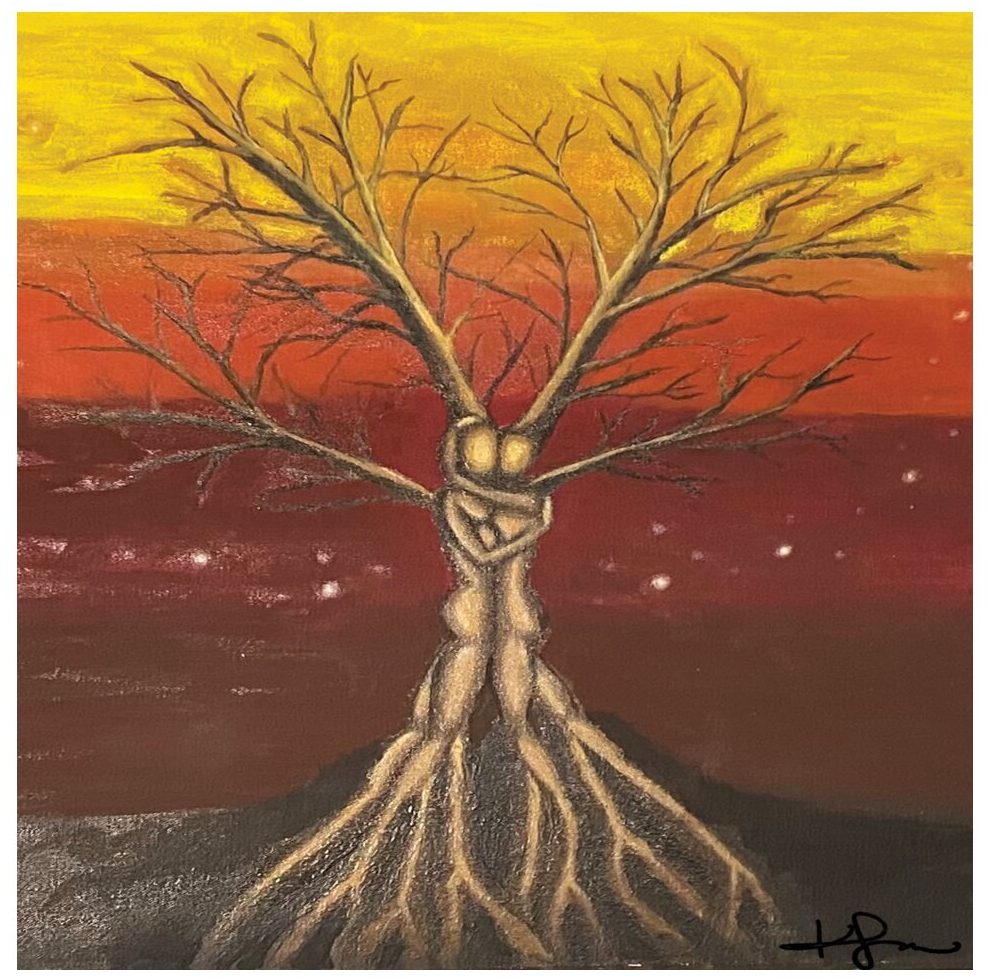
How the Tree of Life Inspires Holistic Living and Environmental Consciousness
The Tree of Life is an ancient and powerful symbol, deeply embedded in the traditions of many indigenous cultures worldwide. In indigenous art, it represents the interconnectedness of all living things, serving as a reminder of both our spiritual roots and our ecological responsibility. This rich symbolism bridges the gap between nature, spirit, and community, aligning beautifully with the philosophy of livity, which emphasizes balance, harmony, and conscious living.
The Symbolism of the Tree of Life
At its core, the Tree of Life represents the connection between earth, sky, and all beings that inhabit these realms. The roots of the tree delve deep into the earth, symbolizing our relationship with nature, while the branches reach toward the sky, connecting the physical and spiritual worlds. This duality is fundamental to many indigenous beliefs, where humans are seen as caretakers of the earth and must live in balance with both the physical and spiritual aspects of life (Hultkrantz, 1981). The Tree of Life also symbolizes the cyclical nature of existence—birth, death, and rebirth—echoing the cycles of nature (Eliade, 1987).
This understanding fosters a deep respect for the environment, promoting ecological balance as a sacred duty. Many indigenous cultures believe that disrupting this balance not only harms the planet but also disrupts spiritual harmony, leading to disease and social imbalance (Cajete, 2000). In this way, the Tree of Life reflects the holistic relationship between humans and nature, a key aspect of livity.
The Tree of Life in Indigenous Art
In indigenous art, the Tree of Life takes on various forms, each culture interpreting it through its unique lens. In African cosmology, for example, the Baobab tree is considered a symbol of life, shelter, and wisdom. In art, it is often depicted as a motherly figure nurturing its surroundings, symbolizing resilience and connection to the earth (Mbiti, 1990). Similarly, in Native American art, the Tree of Life is frequently portrayed in connection with animals and nature spirits, emphasizing the bond between humans and the environment (Berlo & Phillips, 1998).
These artistic depictions carry deep spiritual significance. The Tree of Life often serves as a reminder of the wisdom passed down from ancestors, and of humanity’s sacred duty to protect the earth. Indigenous art, therefore, is not merely an aesthetic expression, but a vessel for spiritual teachings and a call to live in balance with nature (Cajete, 2000).
Livity and the Tree of Life: A Philosophy of Oneness
The philosophy of livity is rooted in the principle of oneness—being in tune with oneself, the environment, and the universe. The Tree of Life perfectly encapsulates this idea. Just as the tree’s roots, trunk, and branches are all part of a single organism, so too are humans interconnected with the world around them. This concept aligns with the holistic view that underpins livity, where spiritual awareness and ecological balance are seen as inseparable (Chevannes, 1994).
The roots of the Tree of Life represent our grounding in the earth, speaking to the importance of living sustainably and respecting the planet. The trunk symbolizes our spiritual journey, our growth through self-awareness and community. The branches reaching toward the sky represent our aspirations and connection to the divine. Together, these elements form a unified whole, reminding us that personal growth and spiritual enlightenment are intrinsically tied to our responsibility to the earth (Eliade, 1987).
By aligning ourselves with the Tree of Life, we can live in accordance with livity, embracing both our physical existence and our spiritual potential. This balance is crucial for leading a fulfilling and meaningful life, one that honors our role as stewards of the earth and seekers of spiritual wisdom.
Art as a Reflection of Ecological and Spiritual Awareness
Indigenous art plays a critical role in raising awareness about environmental and spiritual issues. When artists depict the Tree of Life, they are not only sharing their cultural heritage but also encouraging viewers to reflect on their own relationship with nature and spirit. The intricate designs, often filled with vibrant colors and detailed patterns, invite contemplation on how all elements of life are interconnected (Berlo & Phillips, 1998).
These artworks serve as a call to action, inspiring individuals to adopt more sustainable lifestyles, engage in environmental activism, and reconnect with their spiritual roots. Indigenous art acts as a reminder that protecting the environment is not just an ecological issue but a spiritual one as well (Smith, 1999). By appreciating the beauty and meaning behind the Tree of Life, viewers are reminded of the delicate balance that exists in nature and the importance of preserving it for future generations.
The Tree of Life in Modern Consciousness
In today’s world, where environmental degradation and disconnection from nature are rampant, the Tree of Life remains a powerful symbol of hope and unity. Through its depiction in contemporary indigenous art, the symbol continues to speak to the need for ecological and spiritual balance. Many modern artists use the Tree of Life to highlight the urgency of environmental stewardship, reminding us that we are all part of the same global ecosystem (Salomon, 2002).
As we face global challenges such as climate change and biodiversity loss, the lessons embedded in the Tree of Life can guide us toward solutions rooted in harmony with nature. The symbol urges us to return to practices that respect the earth’s cycles and to honor the wisdom of indigenous cultures that have long lived in balance with the natural world (Tsing, 2015).
How the Tree of Life Aligns with the Livity Movement
Livity, at its core, is about living a life that is in harmony with natural and spiritual laws. The Tree of Life, as depicted in indigenous art, embodies this philosophy by illustrating the interconnectedness of all things. It teaches us that we are not separate from nature but are deeply intertwined with it. This understanding is key to promoting conscious living, where each action we take is measured against its impact on the earth and our spiritual well-being (Chevannes, 1994).
The Tree of Life also reminds us that personal growth and spiritual enlightenment are not separate from our responsibility to the planet. Just as the tree grows and flourishes through its connection to the earth, so too do we thrive when we live in alignment with nature and nurture our spiritual lives (Eliade, 1987).
Conclusion: Embracing the Tree of Life in Everyday Life
By embracing the symbolism of the Tree of Life, we can deepen our connection to the earth and elevate our spiritual consciousness. Indigenous art, with its rich depictions of this powerful symbol, serves as a reminder of the wisdom inherent in nature and the importance of living in balance with the world around us. Through art, we can elevate awareness, inspire action, and unite people from all walks of life in the shared mission of protecting our planet and nurturing our spirits.
Incorporating the Tree of Life into our everyday lives, whether through art, meditation, or sustainable living practices, allows us to embody the principles of livity. It invites us to honor our interconnectedness, live with intention, and foster a deeper respect for the natural world.
References:
- Hultkrantz, Åke. The Religion of the North American Indians. University of California Press, 1981.
- Mbiti, John S. African Religions and Philosophy. Heinemann Educational Books, 1990.
- Eliade, Mircea. The Sacred and the Profane: The Nature of Religion. Harcourt, 1987.
- Chevannes, Barry. Rastafari: Roots and Ideology. Syracuse University Press, 1994.
- Berlo, Janet C., and Ruth B. Phillips. Native North American Art. Oxford University Press, 1998.
- Cajete, Gregory. Native Science: Natural Laws of Interdependence. Clear Light Publishers, 2000.
- Smith, Linda Tuhiwai. Decolonizing Methodologies: Research and Indigenous Peoples. Zed Books, 1999.
- Salomon, Nanette. The Tree of Life: Symbol of Knowledge, Growth, and Transformation. Thames & Hudson, 2002.
- Tsing, Anna. The Mushroom at the End of the World: On the Possibility of Life in Capitalist Ruins. Princeton University Press, 2015.

 Livity Blog