
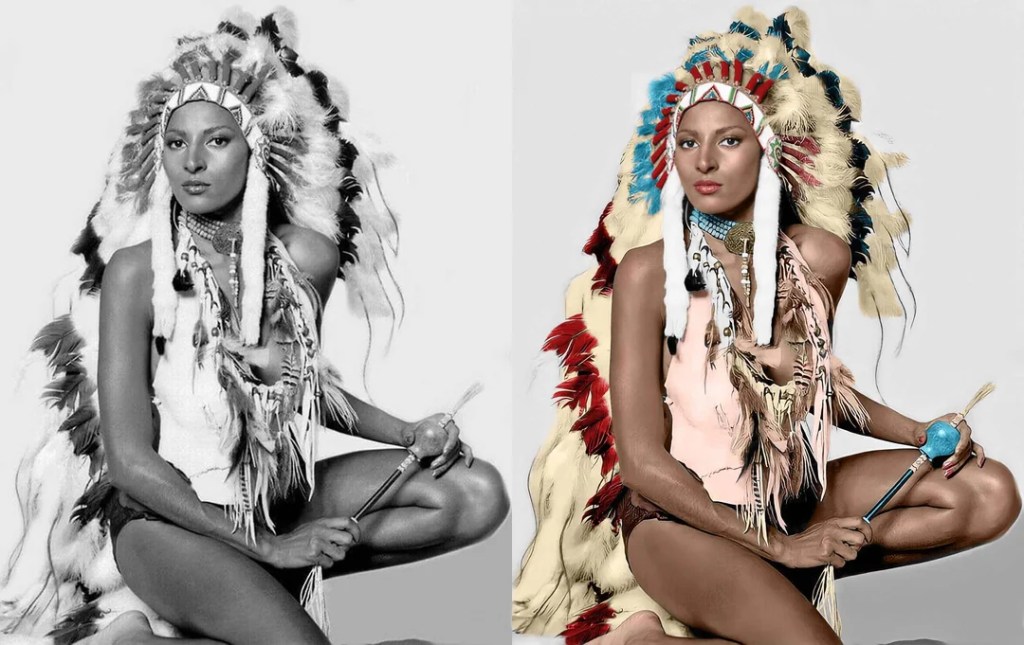
The story of the Black Indigenous peoples—the descendants of the Paleoindian, the first inhabitants of the Americas—holds a profound significance that has long been overshadowed by colonial narratives and systemic erasure. These Afro-Indigenous tribes, with their deep ancestral ties and rich cultural connections, embody a history intertwined with the land itself, as evidenced by archaeological discoveries and oral traditions. From the Olmec influences seen in the Washitaw Nation’s mound-building to the echoes of Mayan traditions in the Taino’s spiritual practices, these communities reveal a tapestry of Mesoamerican civilizations that continue to thrive today. By celebrating their heritage and advocating for justice, we not only honor their legacy but also inspire a movement toward eco-conscious living and social change, as echoed by individuals who have embraced their stories and traditions. Join us as we explore this vibrant cultural heritage, empowering ourselves to be advocates for change and stewards of the earth.
Unveiling the PaleoIndian Heritage
Rediscovering Ancestral Ties
Rediscovering the ancestral ties of the Afro-Indigenous tribes brings to light a narrative long buried under colonial histories and misrepresentations. These tribes, including the Washitaw Nation and the Taino, hold deep connections to the Paleoindian lineage. Through oral traditions and archaeological finds, their heritage reveals a continuous thread linking them to the first peoples of the Americas.
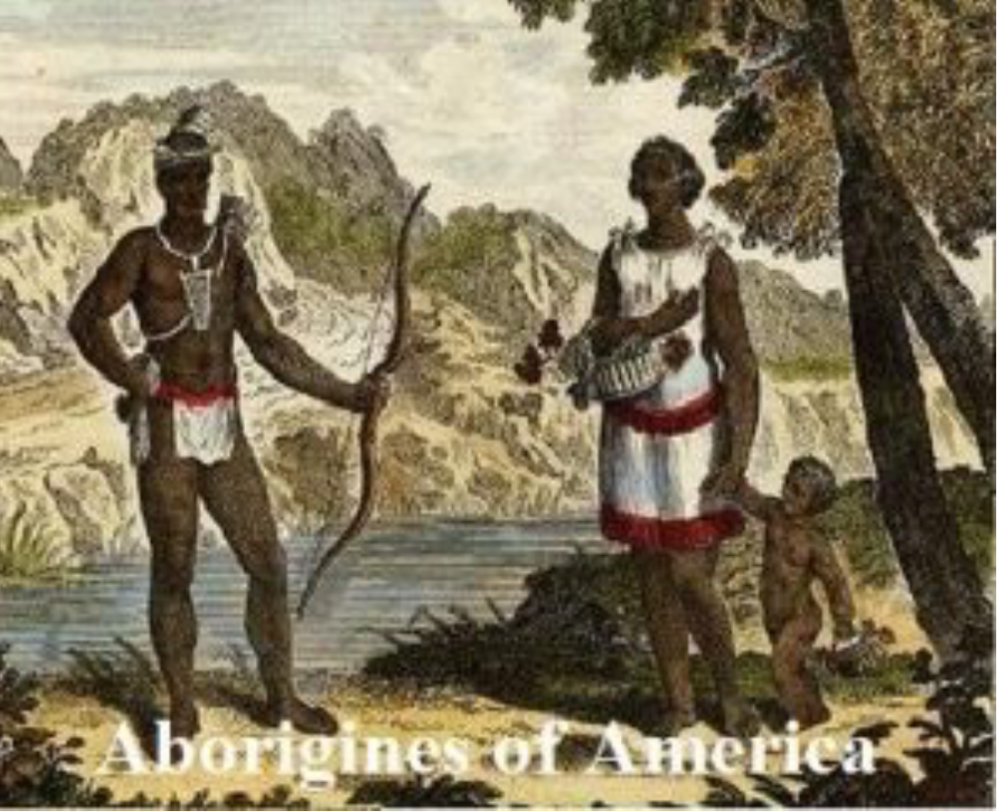
The Olmec influences, evident in the architectural feats of mound-building, and the Mayan traditions, reflected in spiritual practices, are testament to their cultural richness. Such rediscoveries challenge the colonial narrative that has long separated these communities from their roots. By acknowledging these ties, we begin to understand the full tapestry of Mesoamerican civilizations and their enduring impact. This awareness not only honors their history but also empowers us to advocate for their recognition and rights.
Challenging Colonial Narratives
Challenging colonial narratives involves confronting the historical inaccuracies that have distorted the story of the Black Indigenous peoples. These narratives have systematically erased the presence of Aboriginal Indigenous tribes as foundational communities in the Americas. By re-examining archaeological evidence and oral histories, we disrupt these misleading accounts.
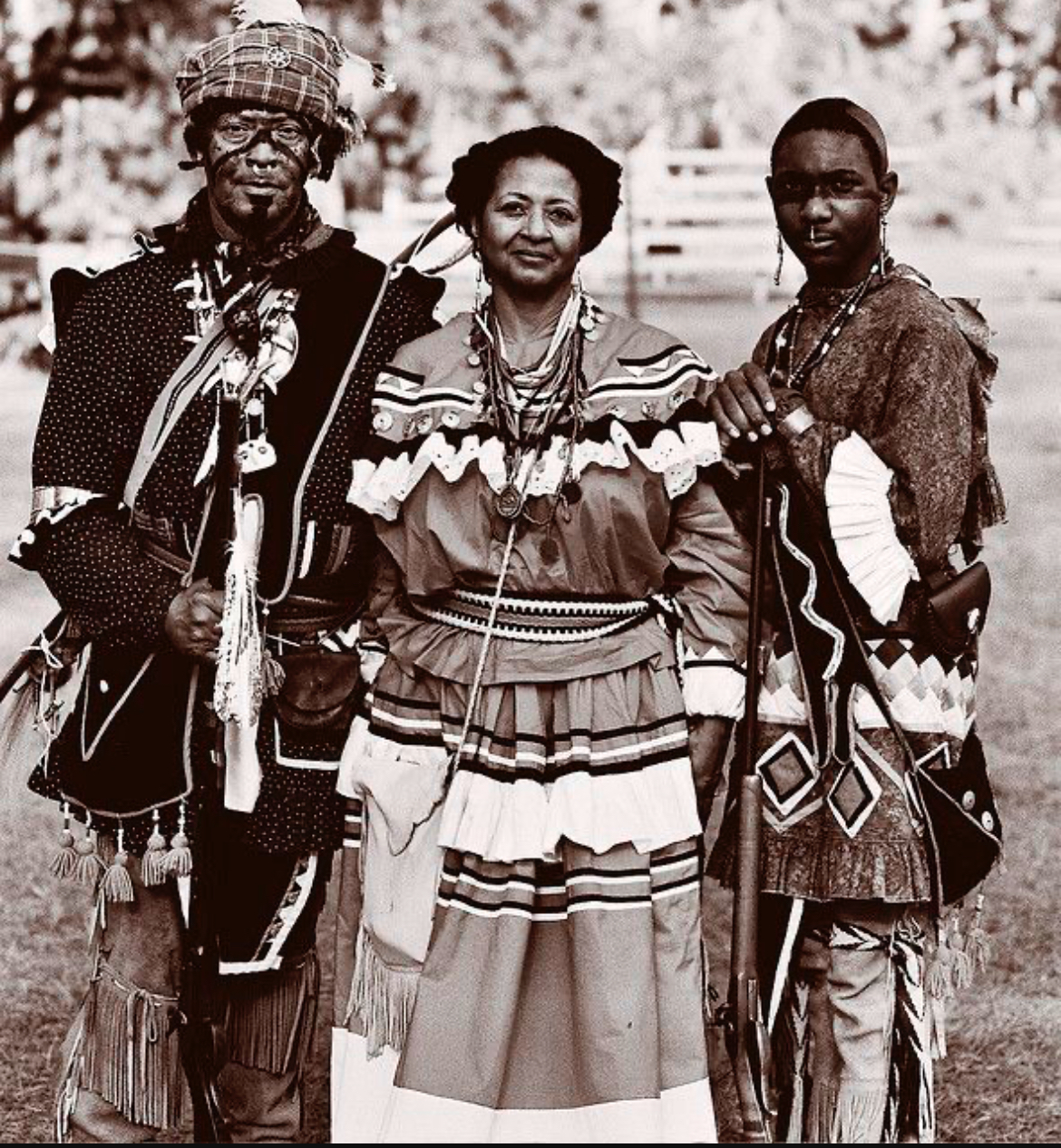
The mainstream portrayal often overlooks how the first peoples, including the Carib and Black Seminoles, were marginalized through reclassification as “Negro” or “Mulatto.” Such terms were tools to delegitimize their land claims and cultural identity. By shedding light on these truths, we honor the Aboriginal Indigenous lineage and their significant contribution to Mesoamerican civilizations. This effort is a call to action for justice, urging us to acknowledge and integrate these authentic histories into our understanding of America’s past. Through this lens, we advocate for the rightful recognition and sovereignty of these communities.
American Aboriginal Tribal Legacy
Cultural Connections and Resilience
The cultural connections of American Aboriginal tribes are a testament to their resilience across centuries of adversity. While tribes like the Gullah Geechee and the Black Seminoles still maintain their African ancestry through the transatlantic slave trade.
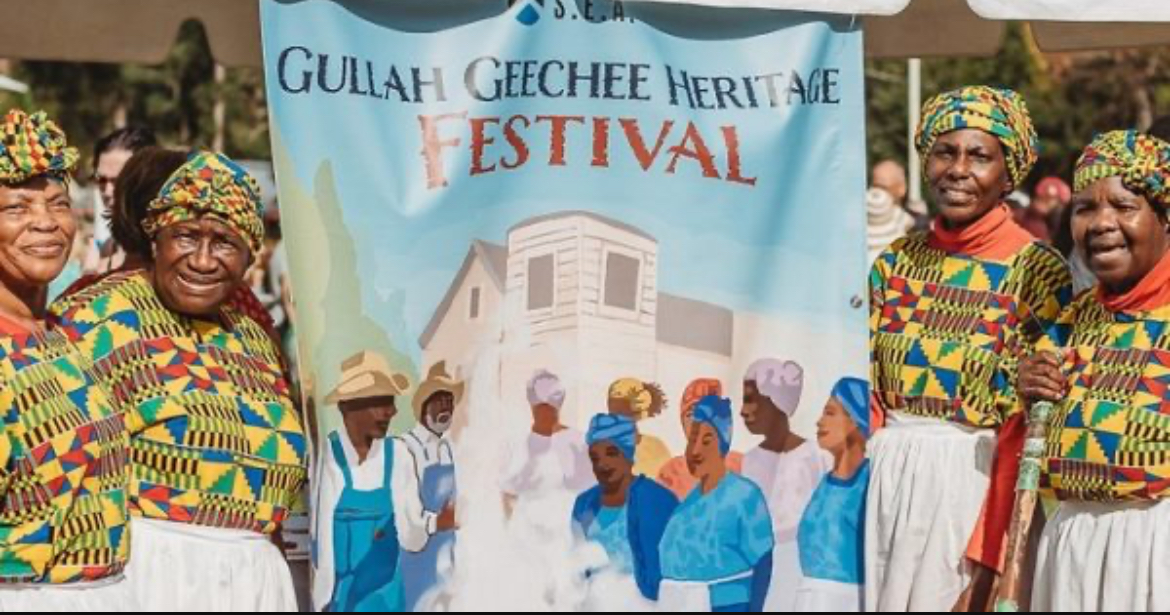
Their agricultural systems, particularly the Gullah Geechee’s rice cultivation, highlight a fusion of their Aboriginal Indigenous and African methodologies, demonstrating an enduring connection to the land. This resilience is also mirrored in their spiritual traditions, where harmony with nature serves as a guiding principle. These communities have retained their cultural identity despite historical efforts to erase it. Their stories of endurance inspire a renewed appreciation for the richness of Mesoamerican civilizations and their ongoing influence today. By celebrating these connections, we not only honor their legacy but also foster a deeper understanding of cultural diversity and resilience in the Americas.
Olmec Influences and Mayan Traditions
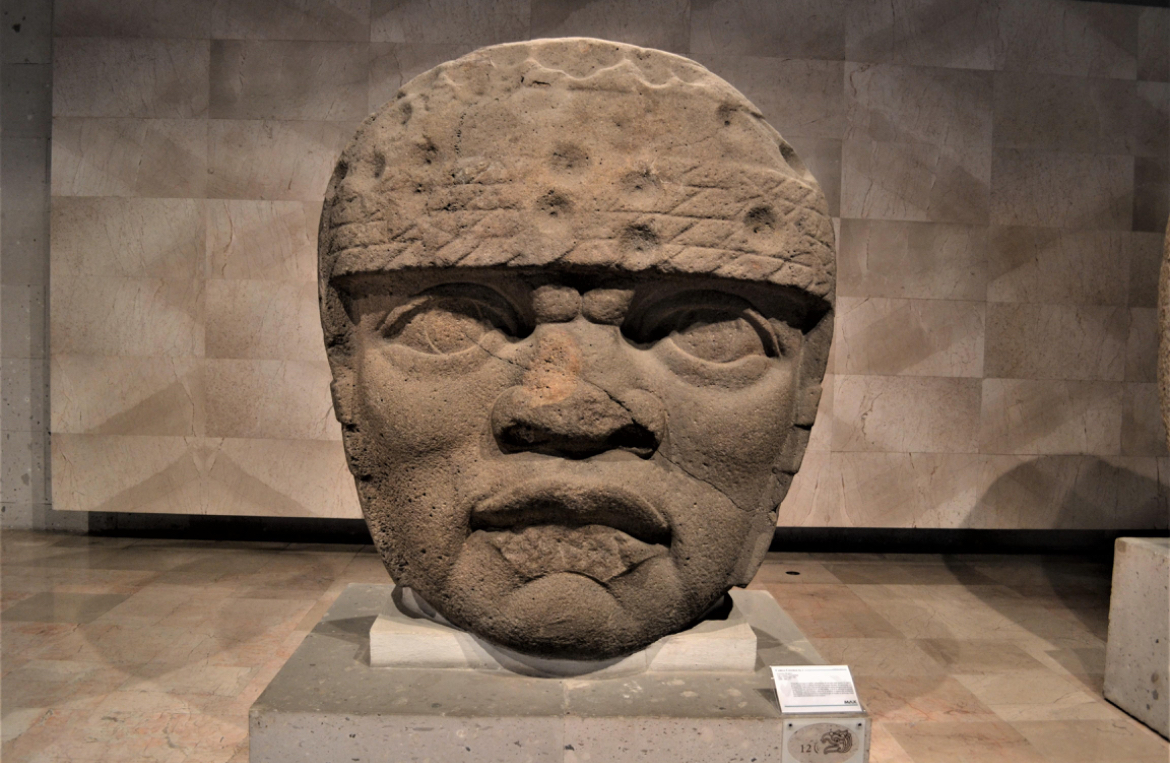
The legacy of American Aboriginal tribes is deeply enriched by Olmec influences and Mayan traditions. These ancient civilizations have left an indelible mark on the cultural practices of Aboriginal Indigenous tribes like the Taino and Washitaw Nation. The Olmec civilization, renowned for its colossal stone heads and sophisticated societal organization, has parallels in the mound-building activities of the Washitaw.
Similarly, the Taino’s spiritual beliefs and agricultural techniques echo Mayan traditions, emphasizing cosmological themes and advanced understanding of irrigation. These connections highlight a shared heritage that transcends geographic boundaries, underscoring the interconnectedness of Mesoamerican civilizations. By recognizing these influences, we gain insight into the profound knowledge and cultural exchange that shaped the first peoples of the Americas. This awareness fosters a deeper appreciation for their enduring contributions and challenges us to preserve and celebrate this rich tapestry of history.
Fight for Recognition and Reparations
Reclaiming Stolen Lands
Reclaiming stolen lands is a critical aspect of the fight for recognition and reparations among Afro-Aboriginal tribes. Historical injustices have systematically deprived these communities of their ancestral territories through forced removals and reclassification strategies. Tribes like the Washitaw Nation and the Freedmen are at the forefront of efforts to regain their rightful lands.
Their advocacy is not merely about reclaiming physical spaces but also about restoring cultural identity and heritage. By asserting their connection to the Paleoindian lineage, these communities challenge colonial narratives that have long sought to erase their presence. This movement is a powerful declaration of sovereignty and a demand for justice. It calls upon society to acknowledge past wrongs and support the restoration of lands that are integral to the cultural survival and dignity of these tribes. Such efforts pave the way for healing and reconciliation, ensuring a future where their legacy is honored and preserved.
Embracing Identity and Sovereignty
Embracing identity and sovereignty is a transformative step for American Aboriginal tribes striving for recognition and reparations. This journey involves reclaiming narratives that have been overshadowed by centuries of marginalization. For tribes like the Yamasee and Black Seminoles, asserting their identity means honoring their roots as descendants of the Paleoindian peoples and acknowledging their unique cultural heritage.
Sovereignty is not simply about political autonomy; it’s about preserving traditions, languages, and spiritual practices that define their communities. By advocating for sovereignty, these tribes work to protect their way of life and ensure that future generations can thrive in accordance with their ancestral values. This movement empowers them to negotiate for rights and resources that were historically denied. Embracing their identity and sovereignty is a testament to their resilience and serves as a powerful example for all who seek justice and equity.
References
-
Anderson, D.G. & Gillam, J.C. (2000). Paleoindian Colonization of the Americas: Implications from an Examination of Physiography, Demography, and Artifact Distribution. American Antiquity, 65(1), 43-66.
-
Bernal, I. (1973). The Olmec World. University of California Press.
-
Deloria, V. (2001). Indians of the Americas: A Continuation of the Story. Fulcrum Publishing.
-
Dixon, E.J. (2001). Bones, Boats & Bison: Archaeology and the First Colonization of Western North America. University of New Mexico Press.
-
Hamlin, B. (1991). Washitaw Nation: The Real Story. Journal of Afro-American History, 76(2), 205-217.
-
Steele, D.G. & Powell, J.F. (1992). Peopling the Americas: Paleobiological Evidence. Human Biology, 64(1), 303-336.
-
Thornton, R. (1987). American Indian Holocaust and Survival: A Population History Since 1492. University of Oklahoma Press.
-
Williams, G.W. (2005). Black Americans and the Native American Experience. The Free Press.
-
Wright, R.V. (1995). The Taino: Caribbean Natives Who Met Columbus. National Geographic, 188(2), 4-35.
Citations
-
According to Anderson and Gillam (2000), the Paleoindian peoples were the first inhabitants of the Americas, with a significant presence in Mesoamerican civilizations.
-
Bernal (1973) discusses the influence of the Olmec civilization on modern Aboriginal Indigenous tribes such as the Washitaw Nation.
-
As highlighted by Deloria (2001), the contributions of American Aboriginal tribes have been historically overshadowed by colonial narratives.
-
Recent studies by Steele and Powell (1992) highlight the biological and archaeological evidence connecting contemporary Afro-Indigenous tribes to Paleoindians.
-
Hamlin (1991) provides a comprehensive exploration of the Washitaw Nation’s cultural and historical significance.
-
Williams (2005) emphasizes the intertwined heritage of Black Americans and Native American communities, showcasing a shared legacy of resilience and cultural preservation.

 Livity Blog