

Livity.Blog | Hidden Histories. Ancestral Intelligence.
Unveiling the Hidden Histories of Bougainville
Nestled in the Solomon Sea, Bougainville is more than a picturesque island—it’s a crucible of ancestral memory, cultural artistry, and anti-colonial resistance. Long ignored by the global narrative, its story speaks volumes about Indigenous sovereignty, corporate exploitation, and the unyielding power of spirit and soil.
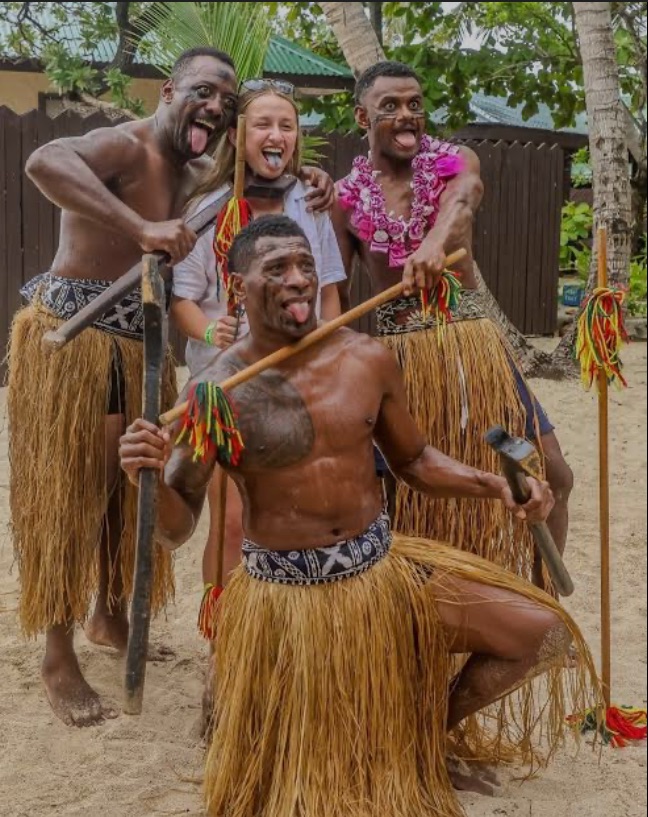
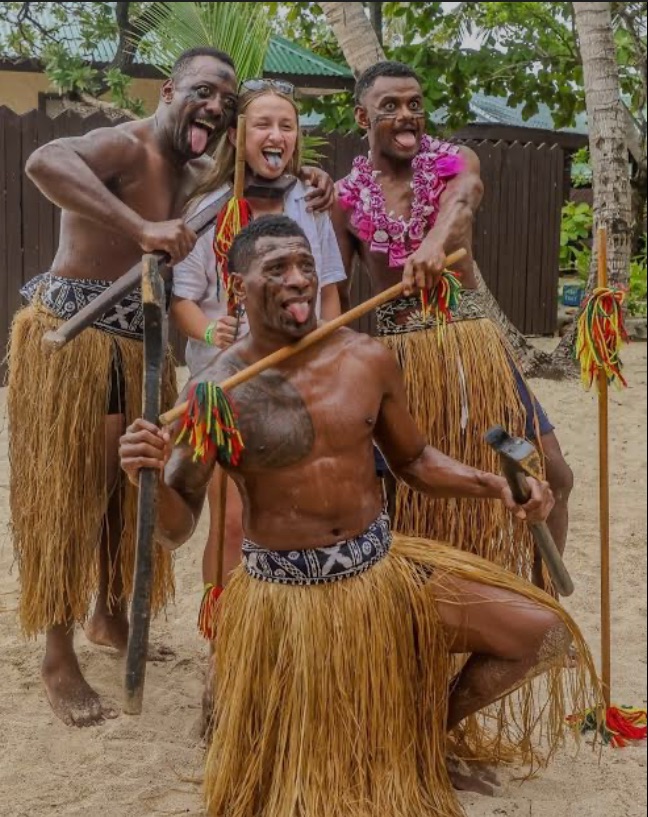
The Melanesian Heartbeat: Who Are the Bougainvilleans?
The people of Bougainville are ethnically Melanesian, with deep ties to Pacific Islander culture. Their spiritual traditions are rooted in reverence for the land, which they view as a living ancestor. With skin kissed by copper sun and hair curled by ocean winds, their identity pulses through bamboo instruments, ceremonial dance, and land-based knowledge systems.
For centuries, Bougainvilleans lived in balance with nature, passing wisdom through oral traditions. Their bamboo flutes and drums are not just instruments—they’re vessels of memory, transmitting lessons, laments, and hope across generations.
The people of Bougainville are culturally Melanesian, sharing deep roots with other Indigenous Pacific Islander groups—marked by dark skin, tight curls, copper-toned features, and centuries-old spiritual systems. Their oral traditions, bamboo instruments, and land-based wisdom form the heartbeat of their identity.
But like so many Indigenous peoples, their sacred connection to land became the target of outside interests.
When colonial powers carved up the Pacific, Bougainville was tossed between German, British, Australian, and Papuan control—never recognized as sovereign, never asked for consent. The land they worshipped as mother was seen only as a resource for mining.
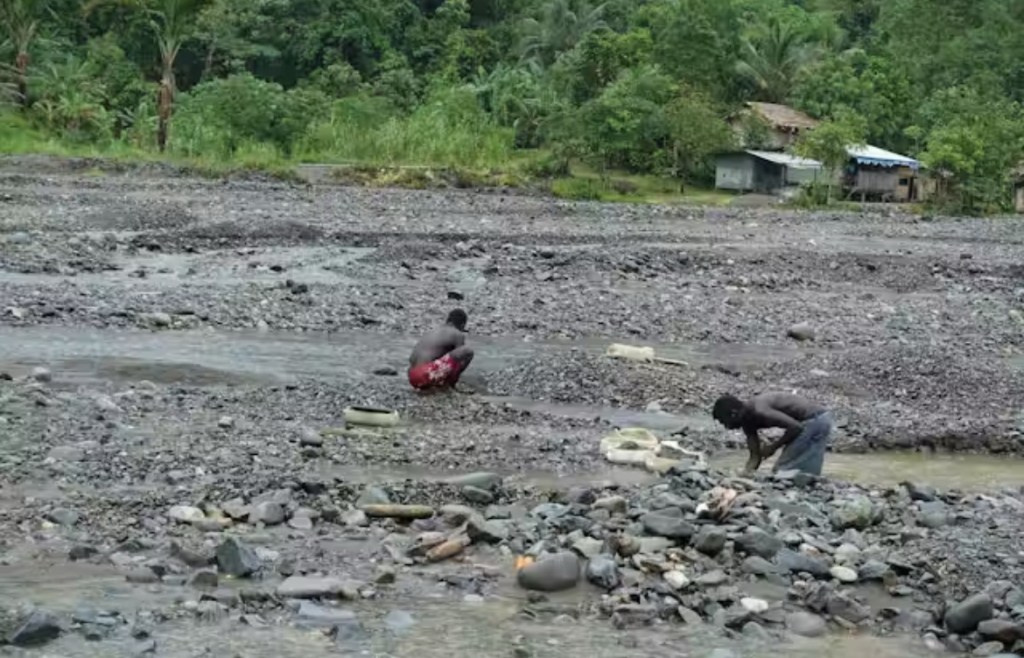
A brutal war and rivers poisoned with every rainfall: how one mine destroyed an island, Matthew G. Allen, theconversation.com
💣 The Cost of Copper: The Panguna Mine Disaster
In the 1970s, Bougainville became home to one of the largest open-pit mines in the world—Panguna, operated by Rio Tinto and the Australian government. Billions of dollars were extracted in copper and gold. What was left behind? Poisoned rivers. Decimated forests. Toxic waste and communities riddled with disease.
But the greatest cost was yet to come.
When Bougainvilleans demanded environmental justice and control over their resources, they were met with bullets. A war broke out between Indigenous land defenders and the Papua New Guinea government, backed by Australian interests. This conflict—largely hidden from international headlines—lasted nearly a decade and claimed over 20,000 lives.
A genocide in the Pacific. Ignored. Buried.
🌱 Bamboo Bands and Cultural Survival
Yet despite the devastation, Bougainville never broke.
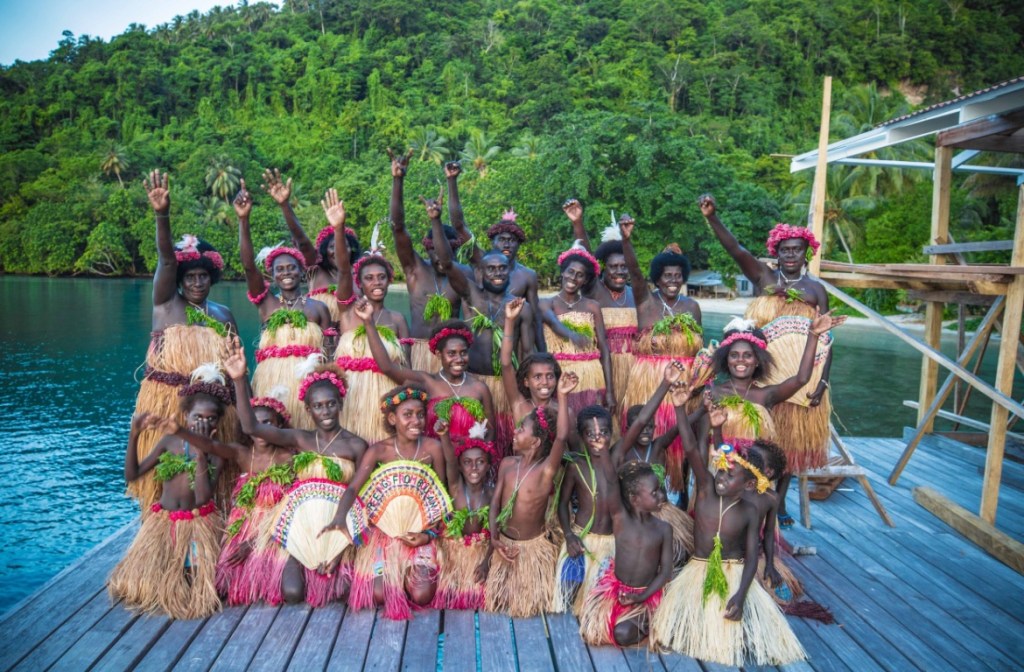
Without electricity, modern instruments, or access to global platforms, the people of Bougainville turned to the forests for resilience. They carved flutes and drums from bamboo. They sang songs of resistance and remembrance. The bamboo bands became more than music—they became living proof of a culture that refused to be silenced.
This artform, born of trauma, continues today—passed down from elder to child. Every beat carries the memory of what was lost… and the hope of what can be rebuilt.
🌍 Mirrors Across the Globe: A Shared Story of Indigenous Erasure
What happened in Bougainville is not isolated. It is part of a worldwide pattern:
In Australia, Aboriginal people were hunted, poisoned, and erased from their own homelands. Children were stolen. Languages outlawed. The oldest living cultures on Earth were marked for extinction. In the Congo, millions have died in resource wars funded by multinational corporations—just as Panguna devastated Bougainville. The land is rich, but the people are made poor. In the Americas, Black and Indigenous nations were reclassified, repressed, and removed from their sacred lands. From the Washitaw Muurs to the Lakota, the pattern is the same: exploitation cloaked in legality. In Palestine, Indigenous families face land grabs, displacement, and cultural destruction in the name of politics and profit—while the world watches.
Whether through bombs, policies, or corporate greed, the goal remains: remove the people from the land… and remove their memory from history.
🛡 But Memory Lives in the Drum. In the Soil. In the Spirit.
Bougainville’s story is a reminder. Not all genocide looks like gas chambers. Some look like mines. Some look like textbooks. Some look like a reclassified census or a treaty never honored.
But the land remembers. The people remember.
As Indigenous voices rise across the world—from the Andes to the Amazon, from Gaza to Georgia, from the Congo to the Coral Sea—the story of Bougainville becomes a rallying cry.
Because music made from bamboo… is mightier than bullets.
Because one island’s resistance… echoes the global fight for ancestral justice.
Because we are still here.
✊🏾 Join the Resistance. Reclaim the Memory.
At Livity.Blog, we believe memory is sacred. That ancestral wisdom is not lost—it’s just buried beneath layers of lies, waiting to be uncovered. Bougainville is one story. But there are thousands more.
It’s time to listen. To learn. To rise.
Join us on Livity.blog to rediscover the wisdom of Aboriginal heritage, unveil hidden histories, and empower Indigenous futures.
Together, let’s honor the past to inspire a brighter tomorrow.
Rooted in ancestral truth, unveiling hidden legacies, and nurturing the spirit of Indigenous resilience.
Livity.Blog | Hidden Histories. Ancestral Intelligence.
🎥 YouTube: youtube.com/@LivityBlog
🌍 Support: Patreon.com/LivityUnityAlliance
📚 References:
Regan, Anthony. Bougainville: Beyond Survival. ANU Press.
Human Rights Watch: Human Rights Abuses in Bougainville.
“The Forgotten War of Bougainville.” The Guardian, 2001.
Rio Tinto Environmental Report on Panguna Mine, 2020.
Music and Identity in Bougainville, Pacific Studies Journal, 2015.
UN Declaration on the Rights of Indigenous Peoples.

 Livity Blog