
American Aborigines
-
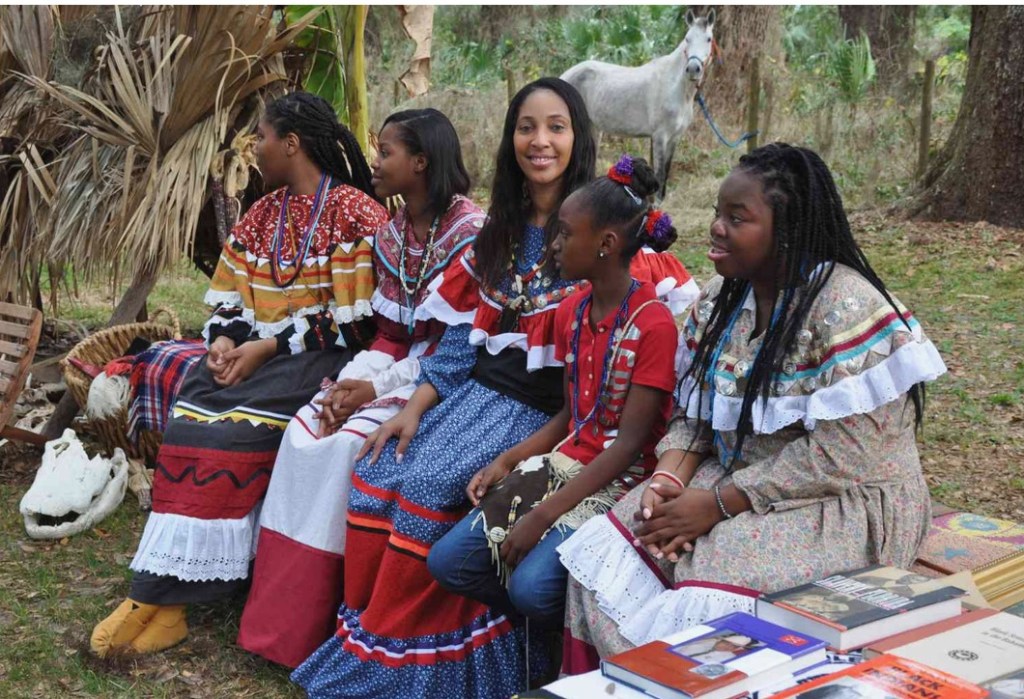
The Black Seminoles and the Seminole Wars: A Hidden Chapter of Aboriginal American History
The Black Seminoles were more than just allies of the Seminole Nation—they were an integral part of its identity, forged through shared struggle, resilience, and a deep ancestral connection to the Americas. Often described as “runaway slaves,” these individuals were, in truth, part of an older lineage of Black Aboriginal Americans who had lived on…
-
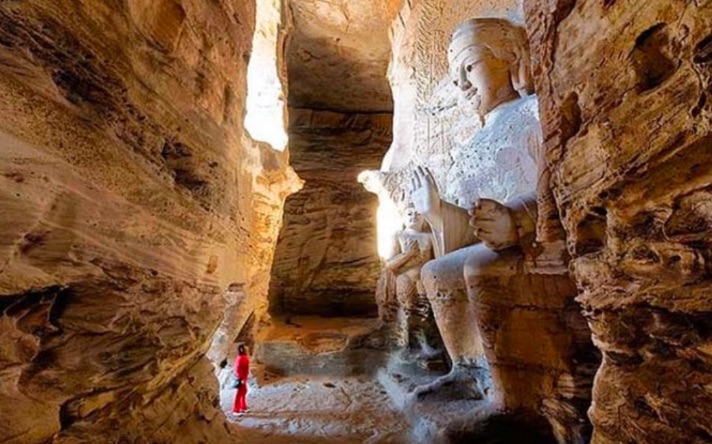
The Egyptian West: A Civilization Buried in Time
🌍 The Egyptian West: A Civilization Buried in Time 🏺 Could history be hiding a lost twin civilization—one where America, not Africa, was the first Egypt or Canaan? 📜 From the forbidden discoveries in the Grand Canyon to the mysterious Olmec colossal heads, what if the true Promised Land was in the West? 🏜️ Read…
-
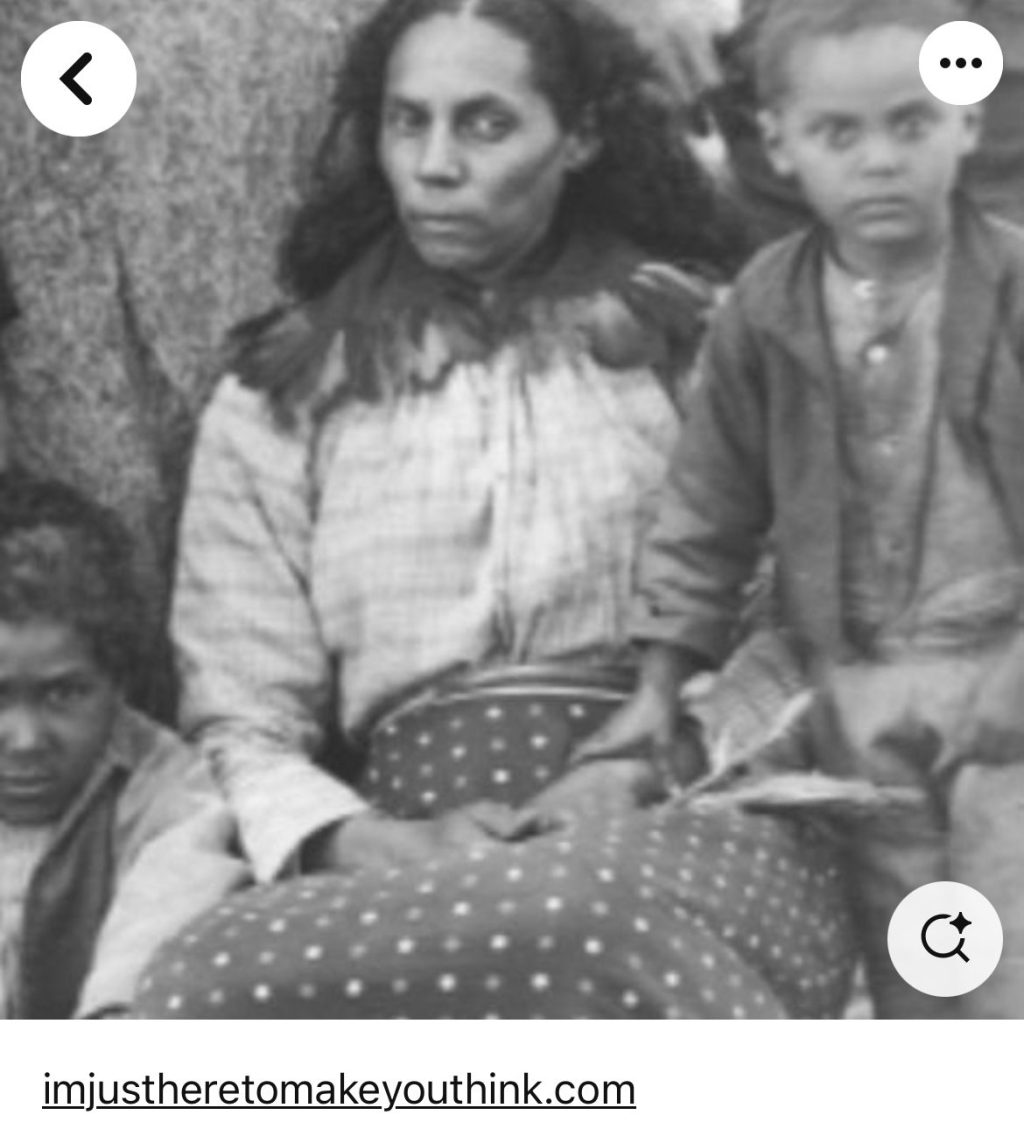
The Forgotten Builders: Are the Washitaw and Aboriginal Descendants the Lost Tribe of Judah?
The narrative reveals the often-overlooked history of the Washitaw Nation, identified as pyramid builders and potential descendants of the Tribe of Judah. It highlights their ancient legacy and connection to other global tribes, suggesting a shared ancestry. The erasure of their history through colonization is acknowledged, yet their enduring oral traditions assert their rightful place…
-

Tartaria’s Afro-Asiatic Legacy in the Americas: A Forgotten Civilization Suppressed by Colonial Powers
The article discusses Tartaria, a lost Afro-Asiatic civilization potentially spanning Africa, Asia, and the Americas, whose existence was systematically suppressed by European powers. It links the Mound Builders and Washitaw Nation to this history and emphasizes the erasure of their advanced knowledge and technologies, raising questions about colonial narratives.
-
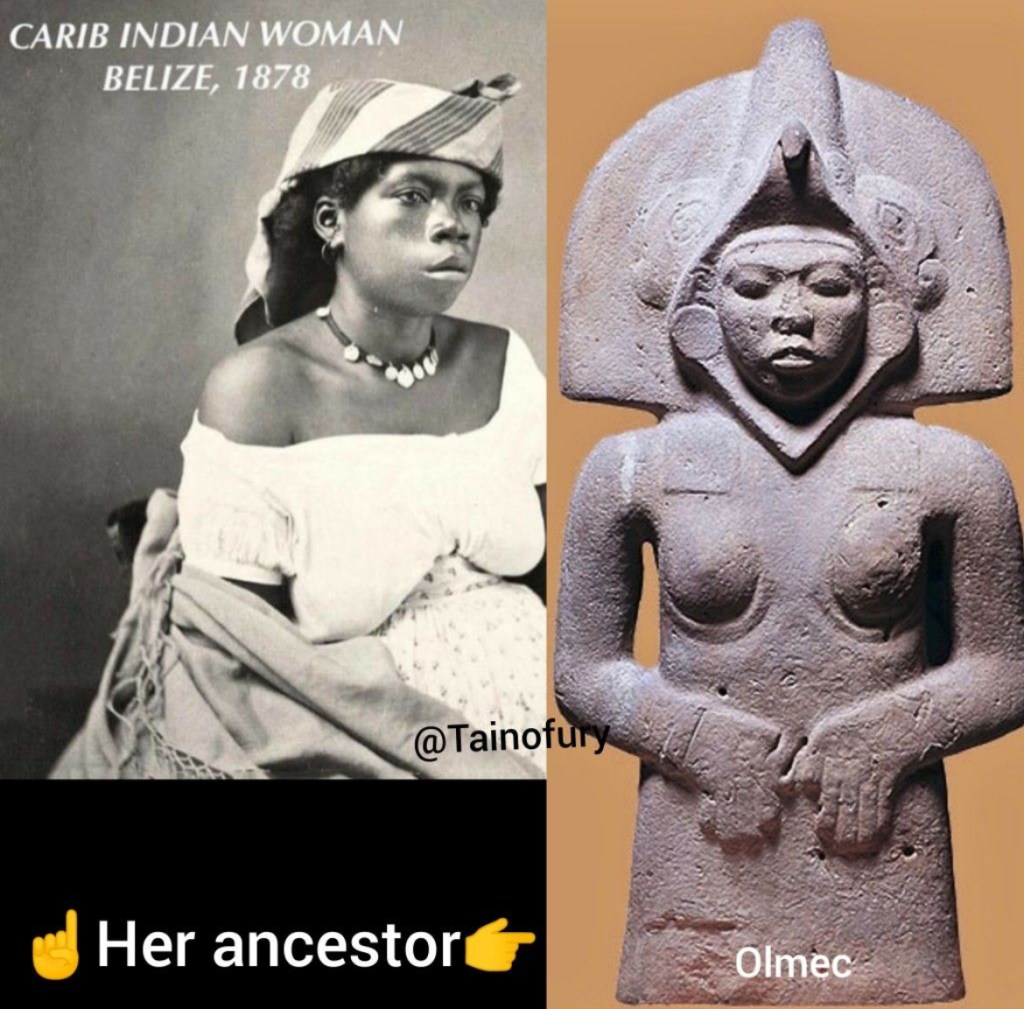
Bridging Worlds: The Olmec and Mayan Connection to Egyptian Knowledge
The Olmec, Mayan, and ancient Egyptian civilizations showcase remarkable ingenuity and spiritual depth, marked by parallels in hieroglyphics, astronomy, and technology. Both cultures developed sophisticated communication and architectural skills and shared a profound connection with the cosmos. Theories of transoceanic contact or shared human consciousness suggest intriguing links between them.
-
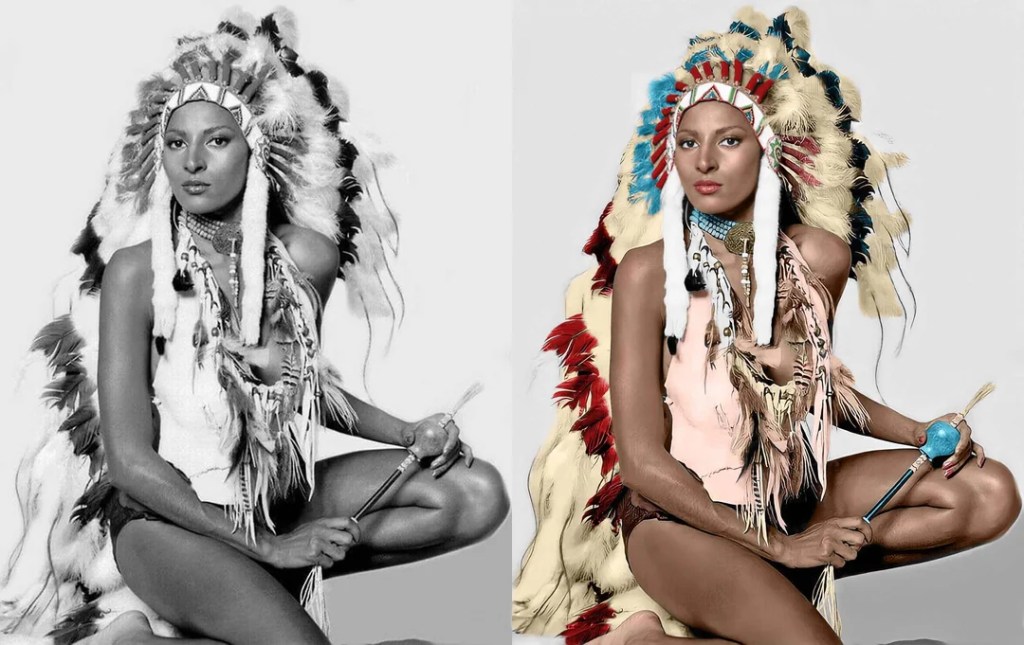
Black Indigenous: The PaleoIndian Peoples, Erased American Aborigines
The story of Black Indigenous peoples, descendants of Paleoindian inhabitants, reveals a rich cultural heritage often obscured by colonial narratives. Tribes such as the Washitaw Nation and Taino, linked through Olmec and Mayan influences, advocate for recognition, sovereignty, and justice. Celebrating their history fosters awareness of their significance and contributions to America.
-
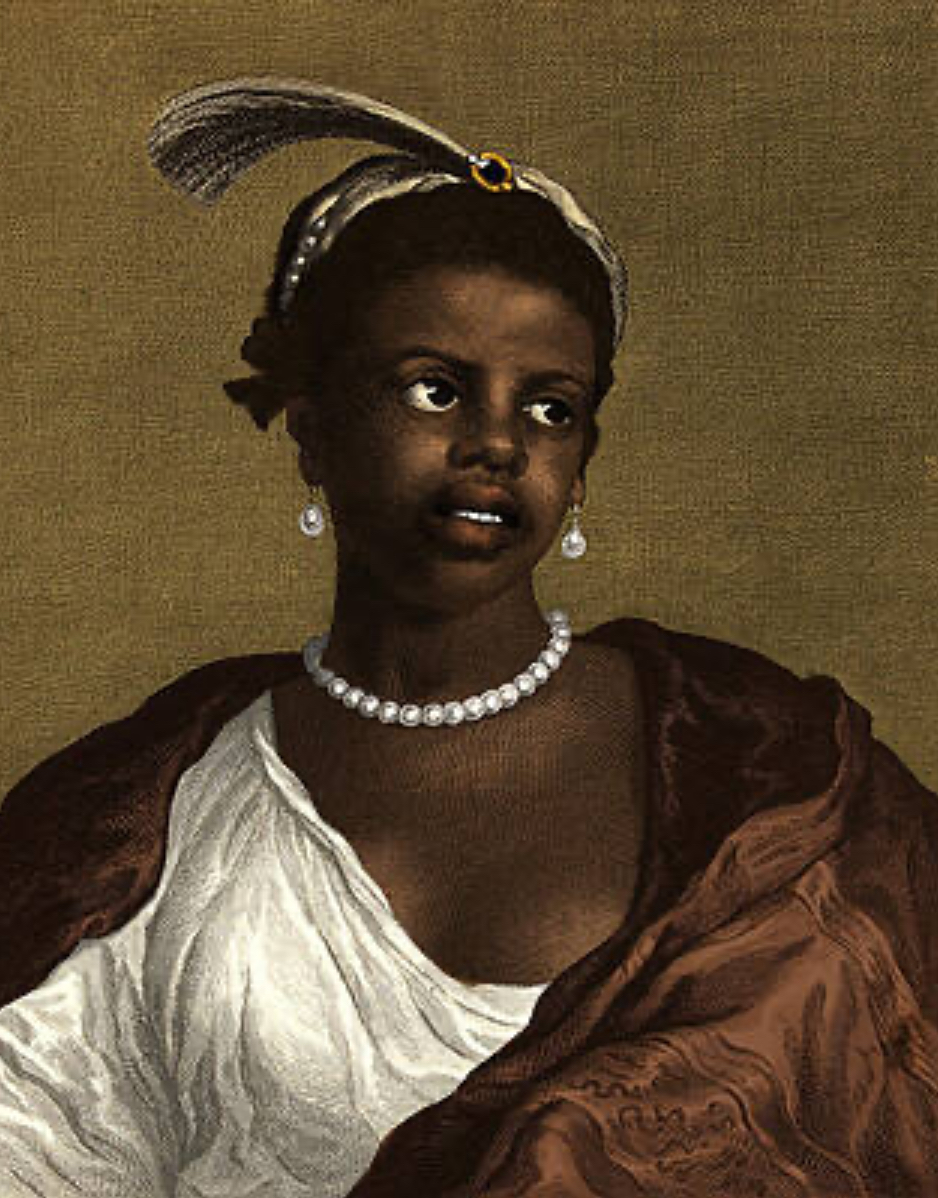
Free Black Communities in Louisiana
In 1700s Louisiana, free Black communities, known as gens de couleur libres, thrived under French and Spanish colonial rules, showcasing resilience and creativity despite systemic challenges. They contributed significantly to the region’s art, culture, and economy. However, the shift to American governance threatened their freedoms, highlighting the fragility of autonomy amidst systemic racism.
-
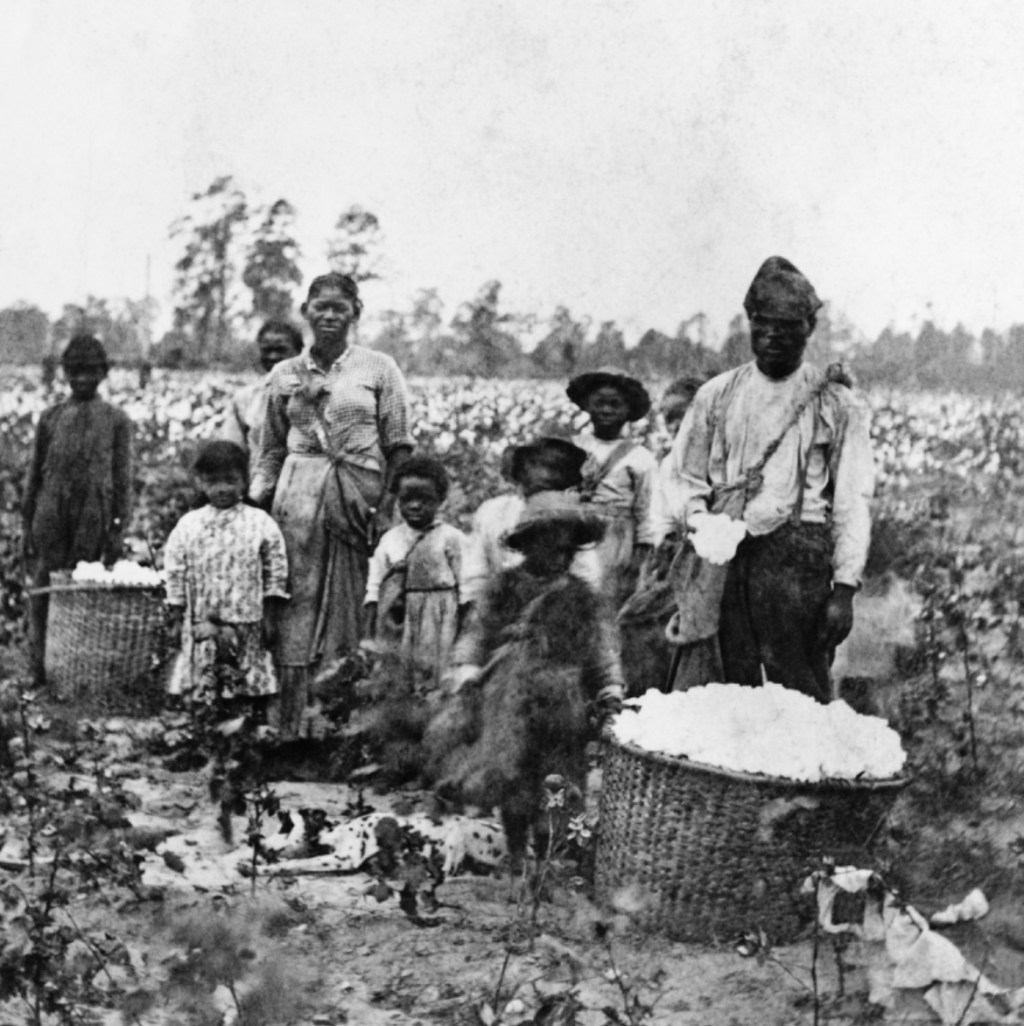
The Day of Mourning
The content reflects on the impact of colonization on Black, Brown, and Indigenous communities, marking Thanksgiving as a Day of Mourning. It discusses historical events like the Pequot War and the transatlantic slave trade, emphasizing ongoing struggles for equity and justice. Resistance movements unite marginalized communities in their fight against systemic inequalities.
-
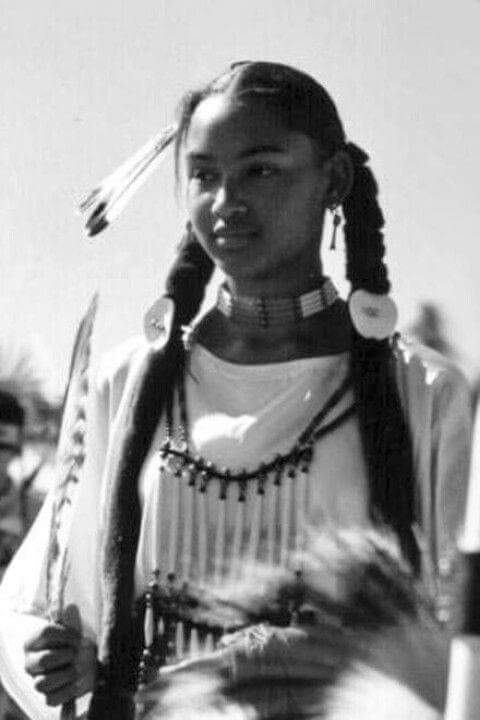
The Erasure of Black Indigenous Peoples: A Hidden History of Resilience and Resistance
Black Indigenous peoples have historically faced systematic erasure due to colonialism, ethnocentrism, and misclassification in census records, which marginalized their identities. Despite this, they exhibit resilience and maintain their cultural heritage. Efforts by scholars and activists today aim to reclaim their stories, challenging historical narratives and advocating for accurate representation.
 Livity Blog