
cultural heritage
-
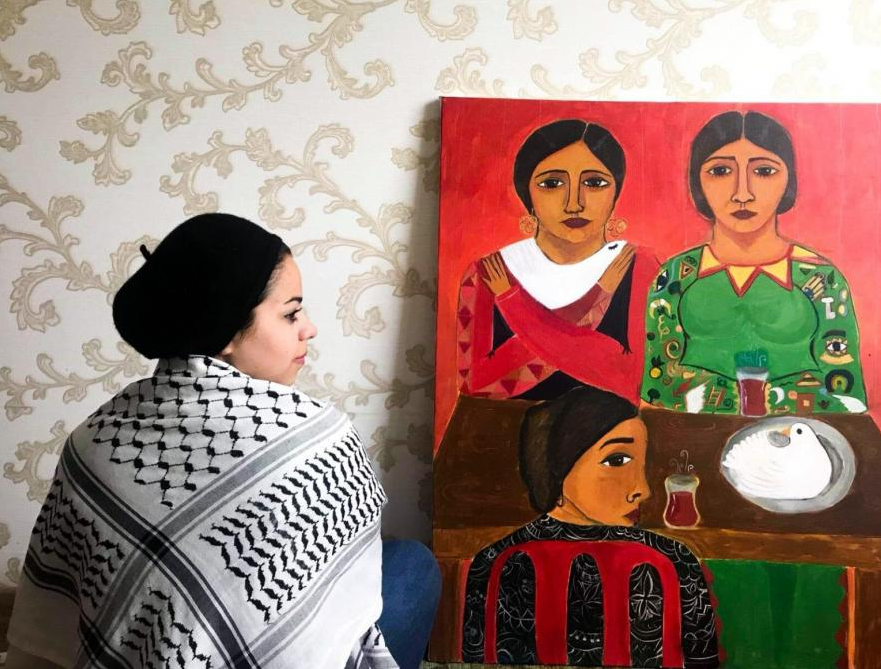
Artistic Advocacy
Malak Mattar’s activism through art inspires individuals to create DIY resistance art that advocates for social change. Her bold, expressive works address issues like identity and displacement, encouraging others to harness their creativity for empowerment and cultural advocacy. This guide emphasizes the importance of art as a voice for the voiceless.
-
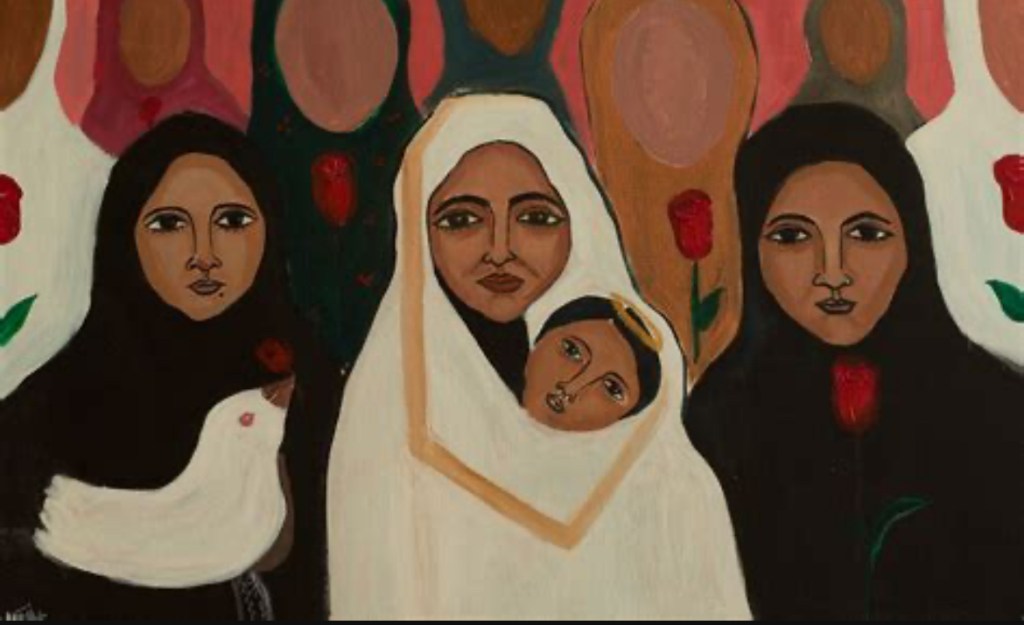
Malak Mattar: Painting the Soul of Palestine
Malak Mattar, a young Palestinian artist from Gaza, uses her art as a powerful form of expression amid displacement and trauma. Her emotive paintings, often portraying Palestinian women, challenge mainstream narratives and highlight resilience and hope. Mattar’s work transcends borders, promoting cultural identity and activism while representing the struggles of her people.
-
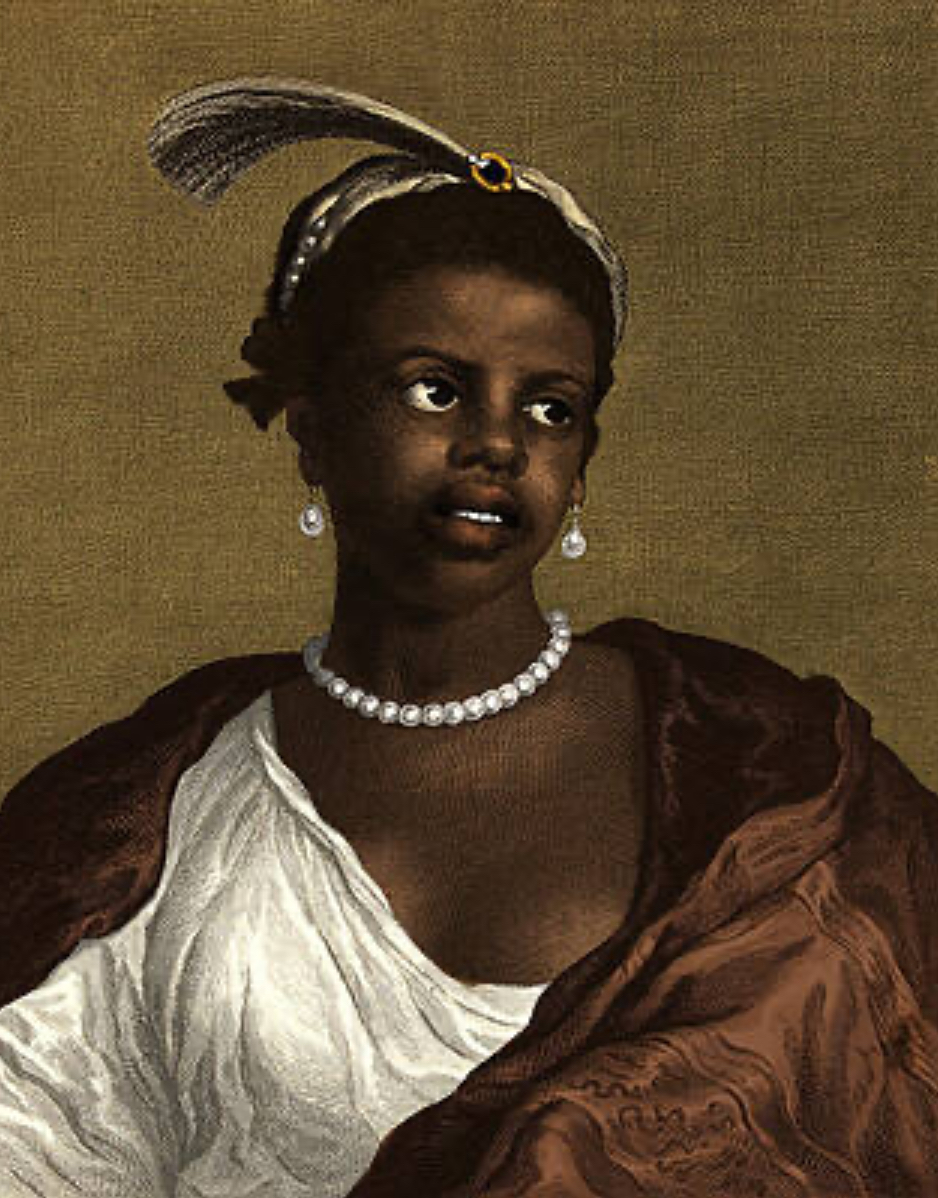
Free Black Communities in Louisiana
In 1700s Louisiana, free Black communities, known as gens de couleur libres, thrived under French and Spanish colonial rules, showcasing resilience and creativity despite systemic challenges. They contributed significantly to the region’s art, culture, and economy. However, the shift to American governance threatened their freedoms, highlighting the fragility of autonomy amidst systemic racism.
-
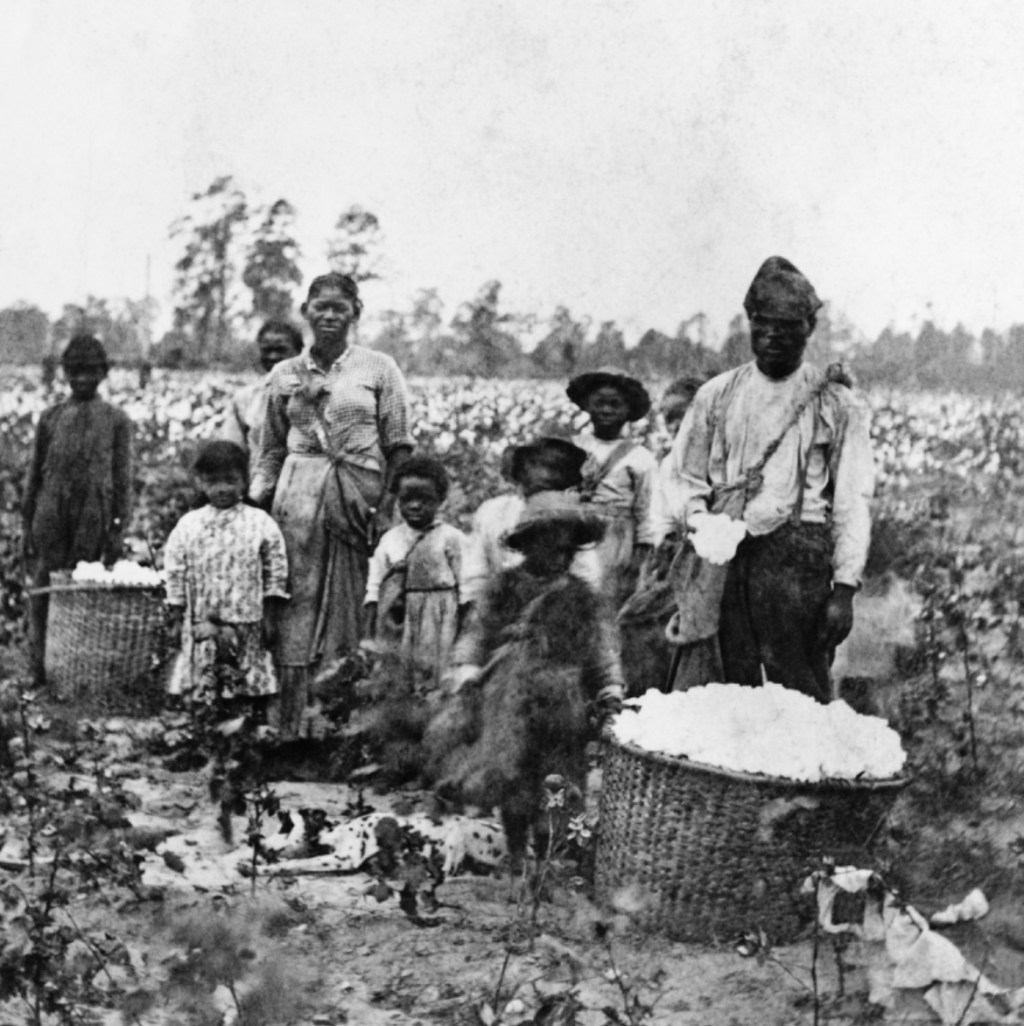
The Day of Mourning
The content reflects on the impact of colonization on Black, Brown, and Indigenous communities, marking Thanksgiving as a Day of Mourning. It discusses historical events like the Pequot War and the transatlantic slave trade, emphasizing ongoing struggles for equity and justice. Resistance movements unite marginalized communities in their fight against systemic inequalities.
-
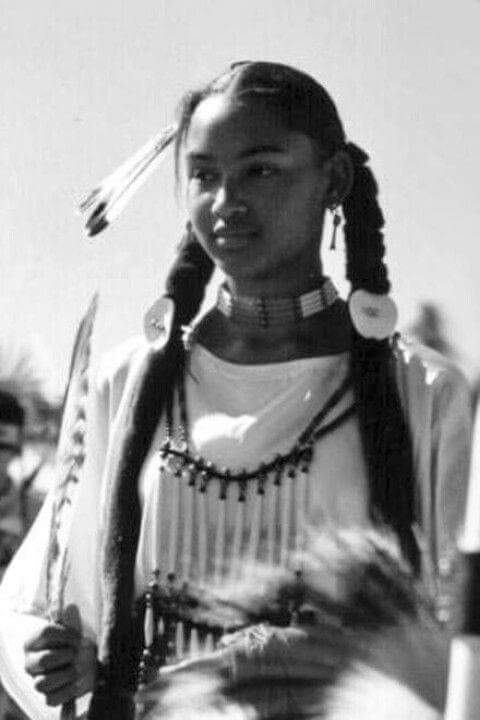
The Erasure of Black Indigenous Peoples: A Hidden History of Resilience and Resistance
Black Indigenous peoples have historically faced systematic erasure due to colonialism, ethnocentrism, and misclassification in census records, which marginalized their identities. Despite this, they exhibit resilience and maintain their cultural heritage. Efforts by scholars and activists today aim to reclaim their stories, challenging historical narratives and advocating for accurate representation.
-
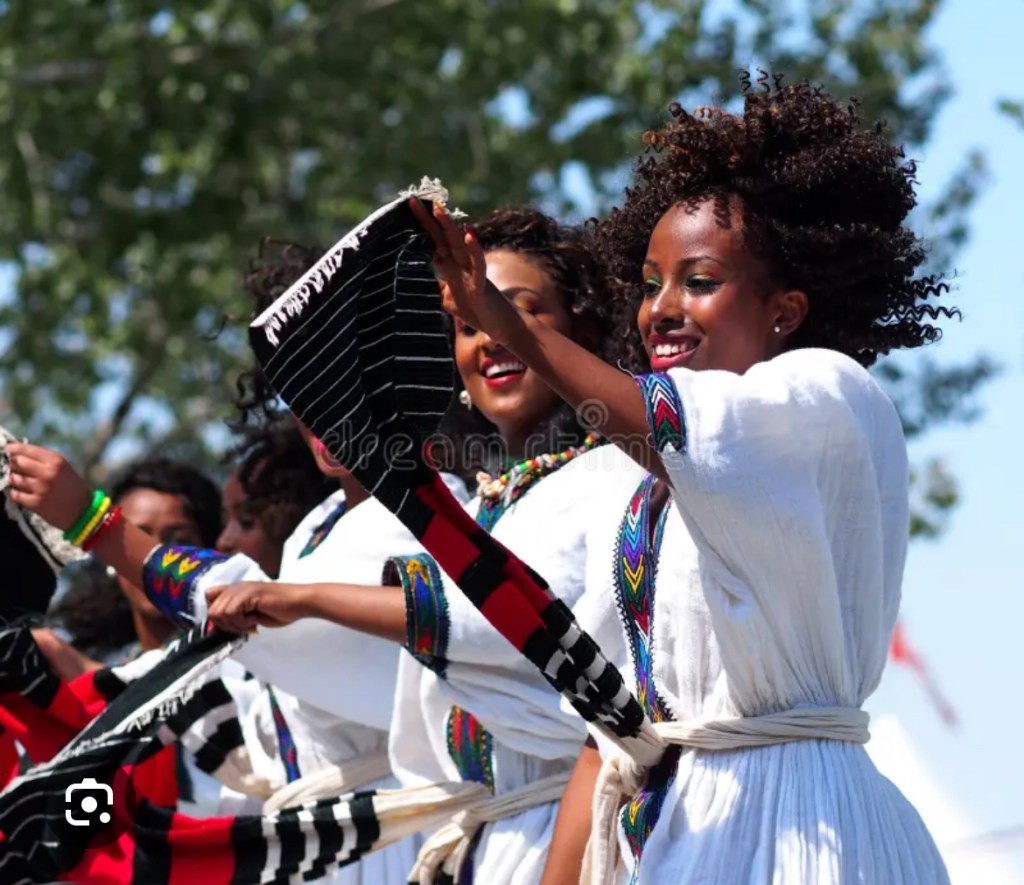
Cultural Dances Of Eskista And Syrtos
The dance arts of Ethiopian Eskista and Greek Syrtos exemplify cultural pride and community bonding. Eskista features distinctive shoulder movements celebrating Ethiopian heritage, while Syrtos embodies unity through fluid circular motions. Both dances transcend geographical boundaries, connecting diverse audiences and inspiring a deeper appreciation of shared traditions and global cultural expressions.
-
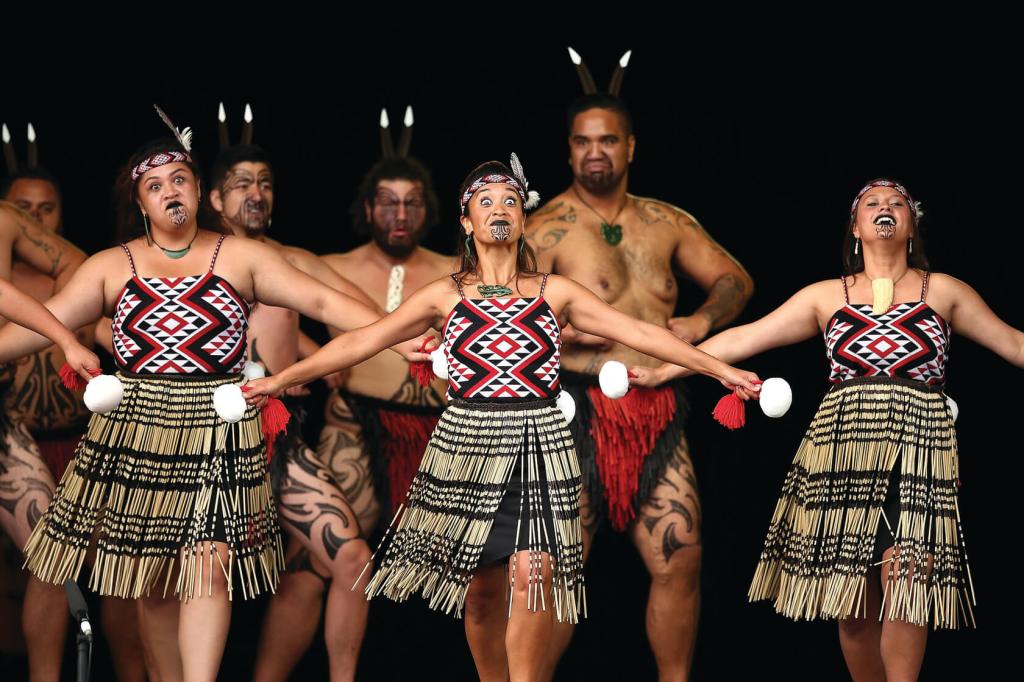
Fusing Art and Dance: How Indigenous Dance Inspires Spiritual Art
The content explores the profound intersection of indigenous dance and art, illustrating how movement serves as a spiritual conduit for artists worldwide. Dance traditions, including Ethiopian, Caribbean, African, and Irish styles, influence artistic expression by infusing artworks with cultural narratives and emotional depth. Artists draw upon these traditions to celebrate heritage, spirituality, and community unity,…
-
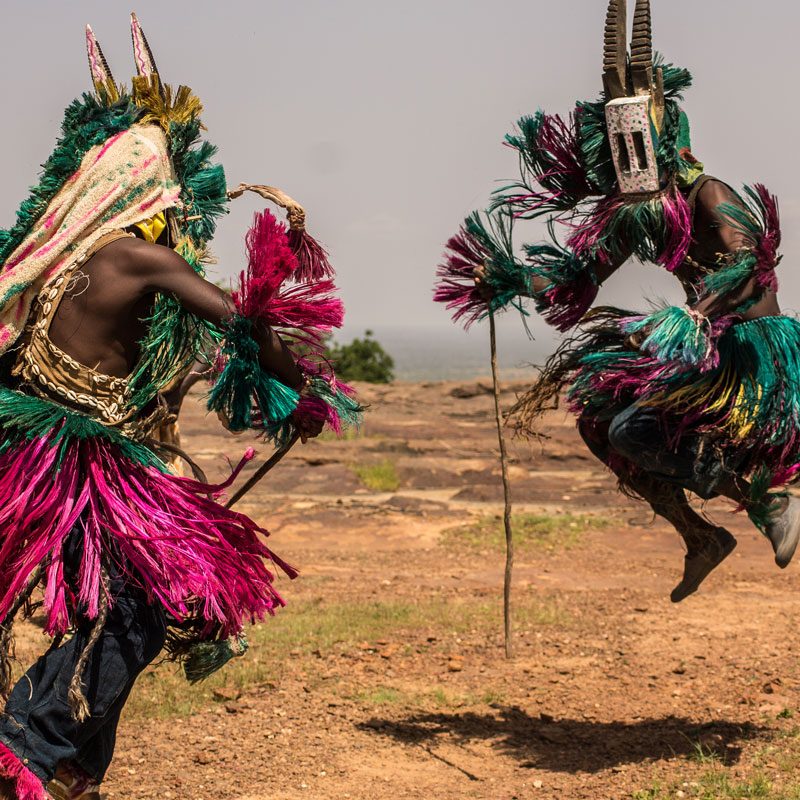
Ancient Wisdom: Dogon, Egyptian, and Ethiopian Spirituality
The Dogon Tribe of Mali showcases profound spiritual traditions and astronomical knowledge, particularly about the star Sirius. Their beliefs closely align with ancient Ethiopian and Egyptian cultures, emphasizing cosmic order and ancestral reverence. This interconnected wisdom highlights a shared African spiritual framework, offering insights into the relationship between humanity and the universe.
-
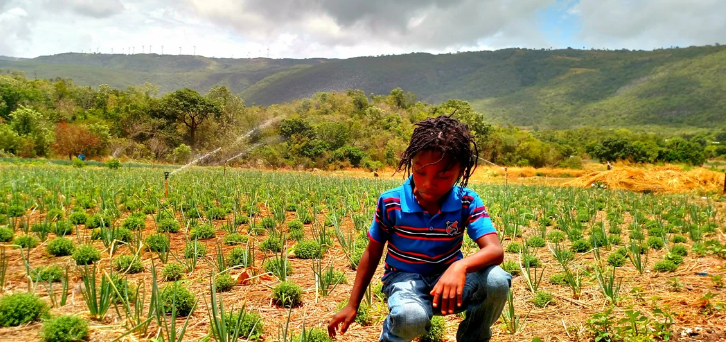
Sustainability in the Livity Lifestyle: Lessons from Rastafarians and Indigenous Cultures
Sustainability, although a contemporary term, has deep roots in ancient practices like Livity, a holistic lifestyle popularized by Rastafarians that emphasizes natural living and social justice. This philosophy includes sustainable eating through the Ital diet and a deep respect for nature, offering lessons on living in harmony and minimizing environmental impact from Indigenous cultures worldwide.
 Livity Blog