
cultural heritage
-
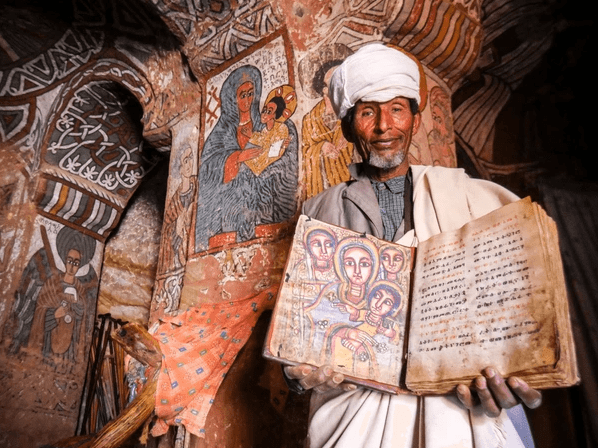
Reclaiming Ethiopian Art: A Story Erased from History
Ethiopian art, with roots in the ancient Axumite Empire, has long been marginalized in global art history despite its cultural and spiritual significance. The erasure stems from colonial narratives that sidelined African artistic traditions. A growing movement now seeks to reclaim Ethiopian art, emphasizing its unique blend of Christian and indigenous influences.
-
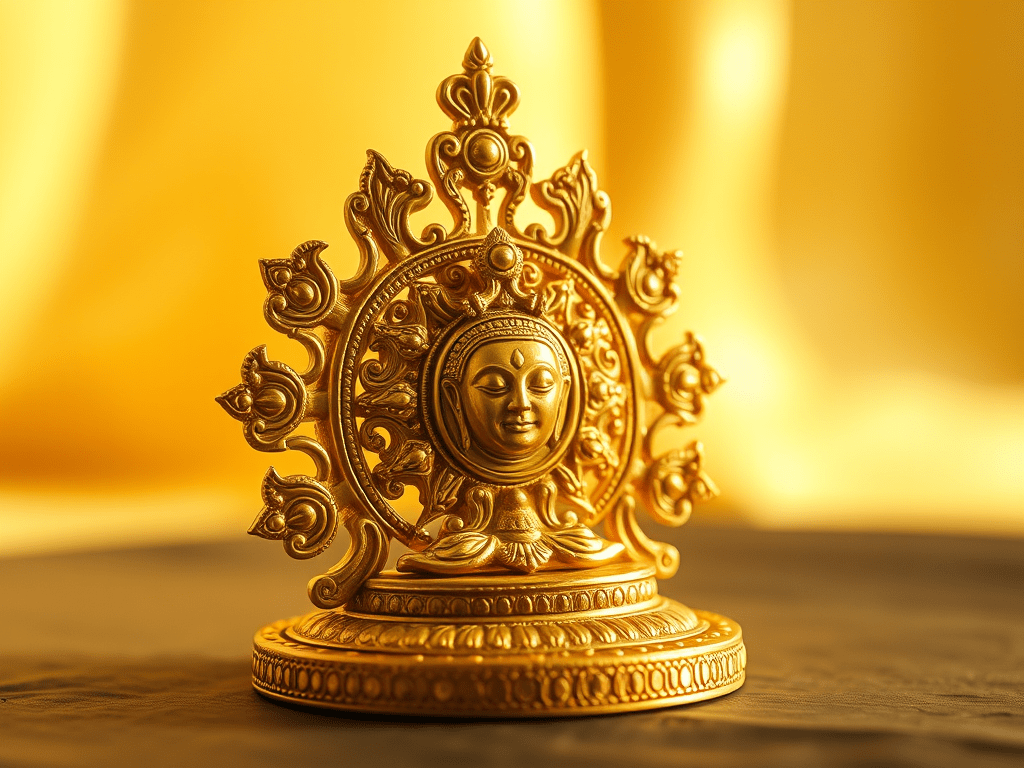
Gold: Its Cultural Value and Significance in Art and Spirituality
Gold has been a potent symbol of wealth, spirituality, and immortality across cultures for centuries. Revered in art and rituals, it connects the earthly with the divine, embodying purity and enlightenment. Its transformative nature inspires generations, while modern interpretations continue to highlight its sacred qualities, reminding us of our inner light and potential.
-
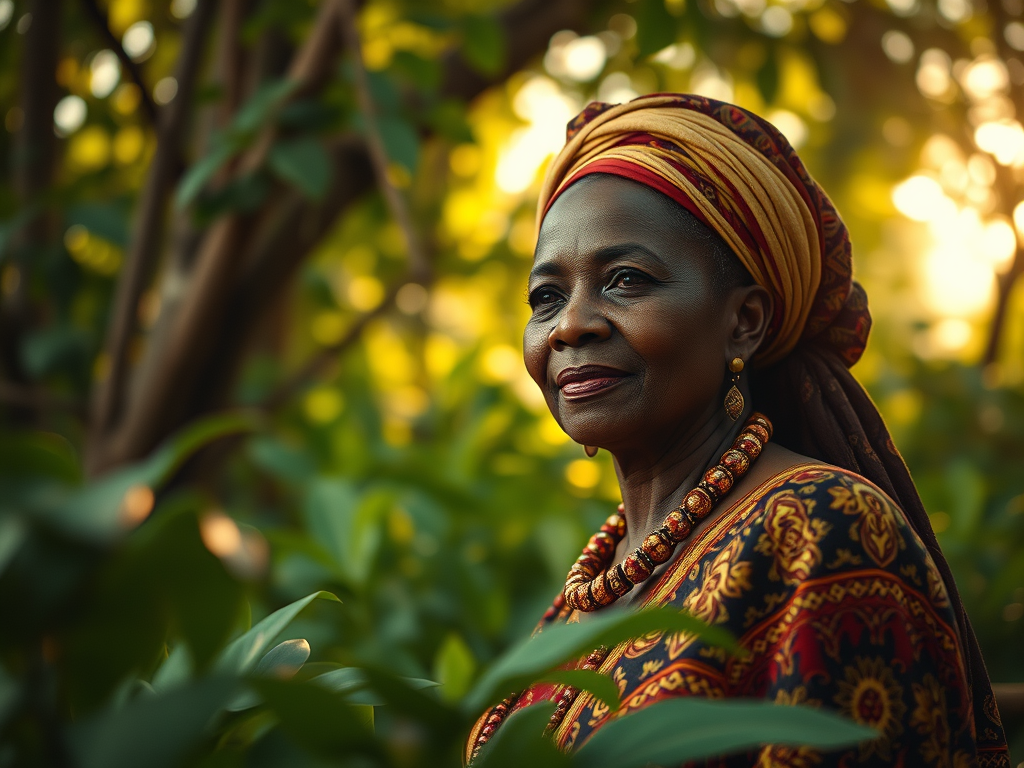
Matrilineal Societies & Livity Living: Honoring Ancestral Wisdom
Matrilineal traditions have historically emphasized the importance of women in communities, as seen in the Akan people’s culture, where lineage and leadership come through the maternal line. This structure, which aligns with Livity Living’s principles of balance and respect for nature, showcases how honoring feminine roles can foster communal harmony and sustainability.
-
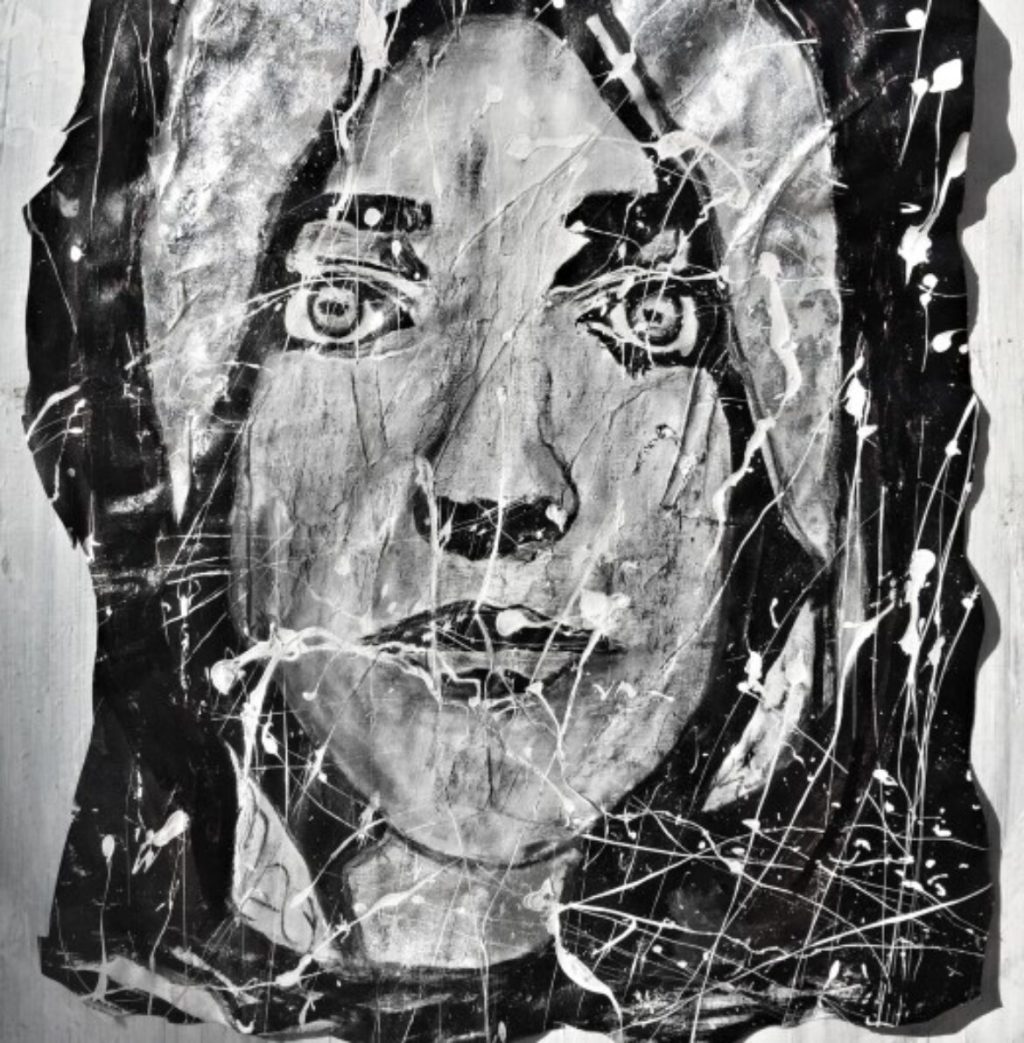
Black and White: A Conversation We All Need
In a world focused on social justice, the terms “black” and “white” are based on social constructs, dividing and dehumanizing people. Historically, colonial America introduced legal distinctions, imposing a racial hierarchy to justify slavery. Human populations’ skin color variation was an adaptation to environmental conditions. A false belief in significant biological differences between races persists,…
-
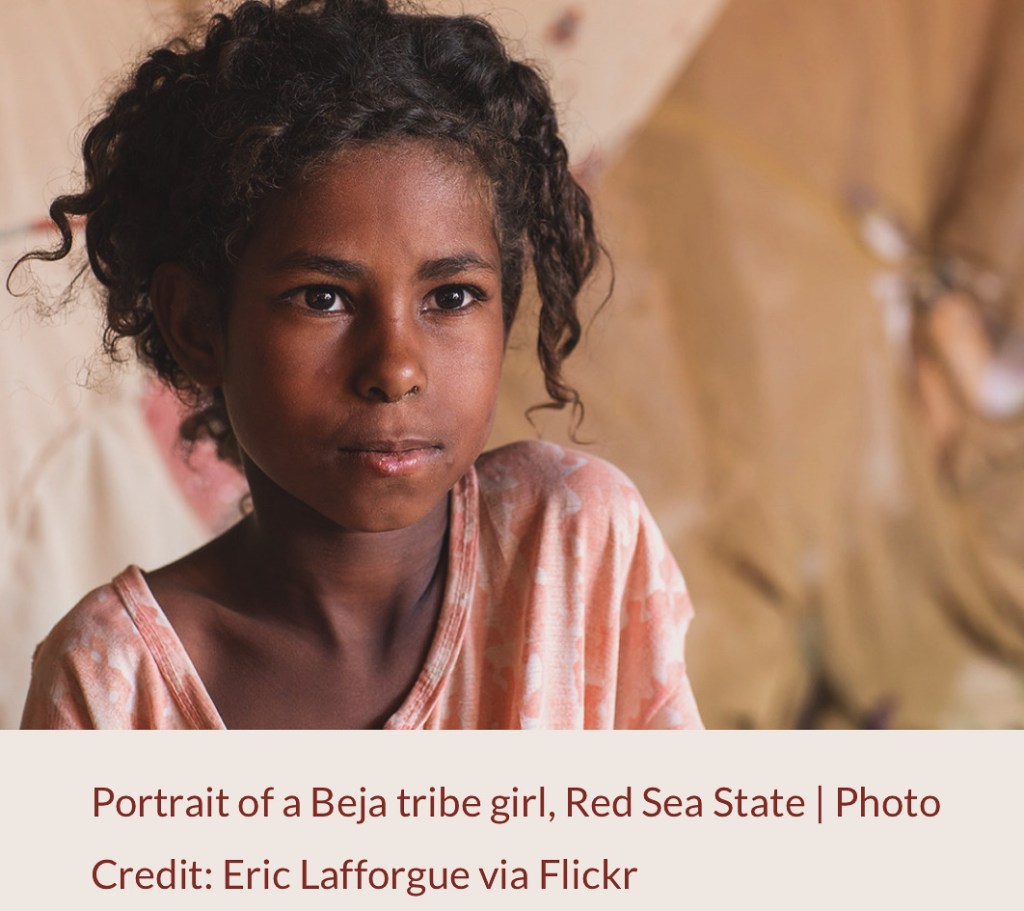
The Beja People: Guardians of Heritage, Livity, and Indigenous Wisdom
The Beja tribe, with a history of over 4,000 years, maintains a semi-nomadic lifestyle in northeastern Africa. Their rich cultural heritage, spiritual practices, and connection to Neith, an ancient Egyptian goddess, reflect their deep ties to the land. Despite challenges, they preserve traditions aligned with natural principles, mirroring the philosophy of livity.
-
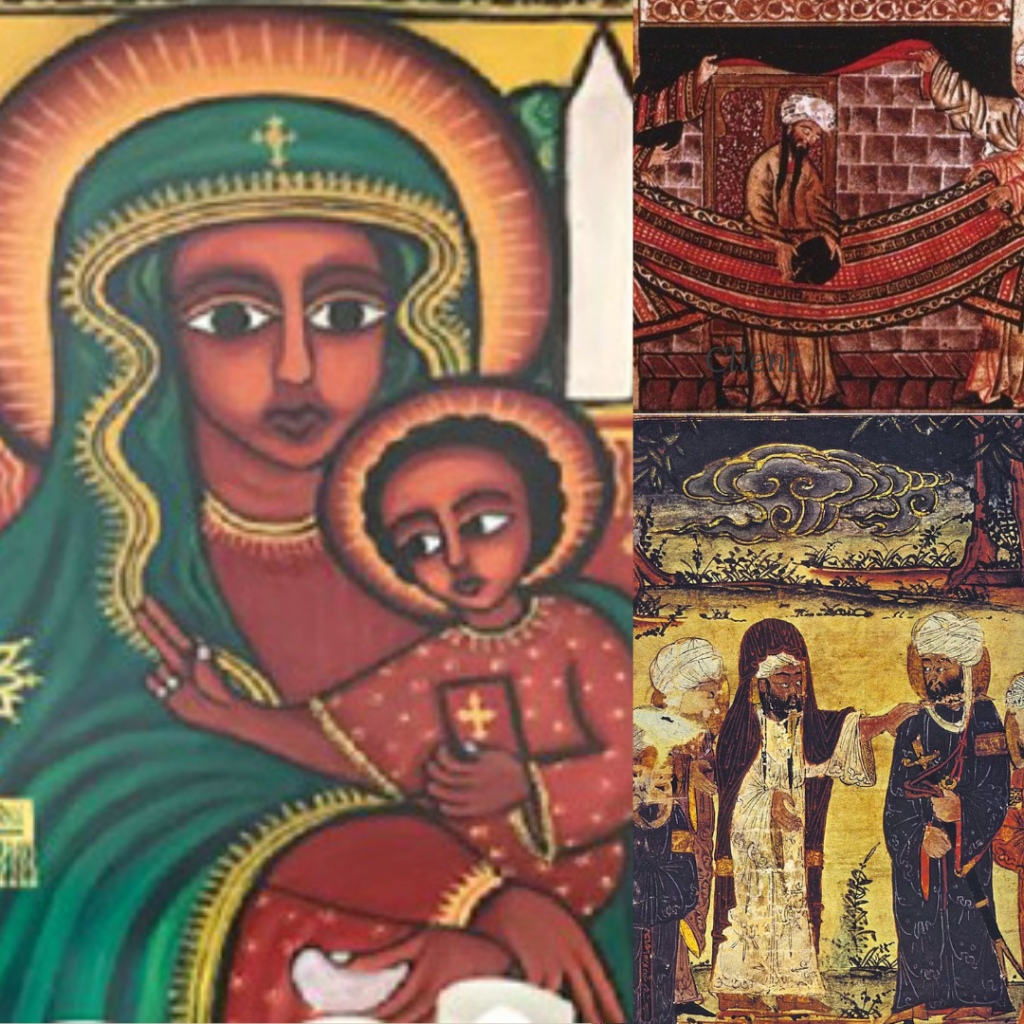
Livity: Bridging Islamic and Christian Values for Collective Good
In today’s world, bridging Muslim and Christian traditions is vital for a harmonious, compassionate society. Livity, centered on living in harmony with nature and each other, offers a foundation for uniting traditions, embracing shared values, sacred practices, and nature’s universal significance. This integration through Livity paves the way for unity and healing in communities.
-
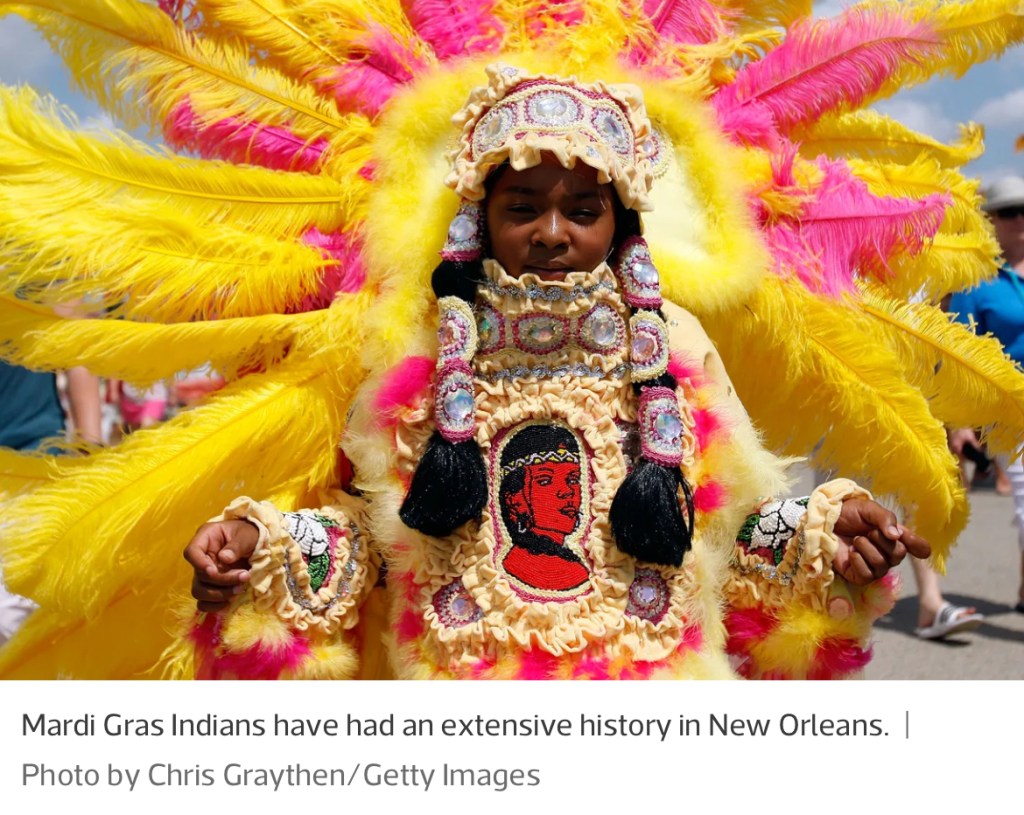
Indigenous Black Tribes of New Orleans: A Journey Through Culture and Resilience
The indigenous Black tribes of New Orleans, blending African and Native American traditions, exhibit cultural resilience through the Mardi Gras Indians, Voodoo spirituality, and more. Despite historical challenges and contemporary struggles, they persist in preserving their identity and enriching the tapestry of New Orleans. Efforts to document and honor their contributions are gaining momentum.
-
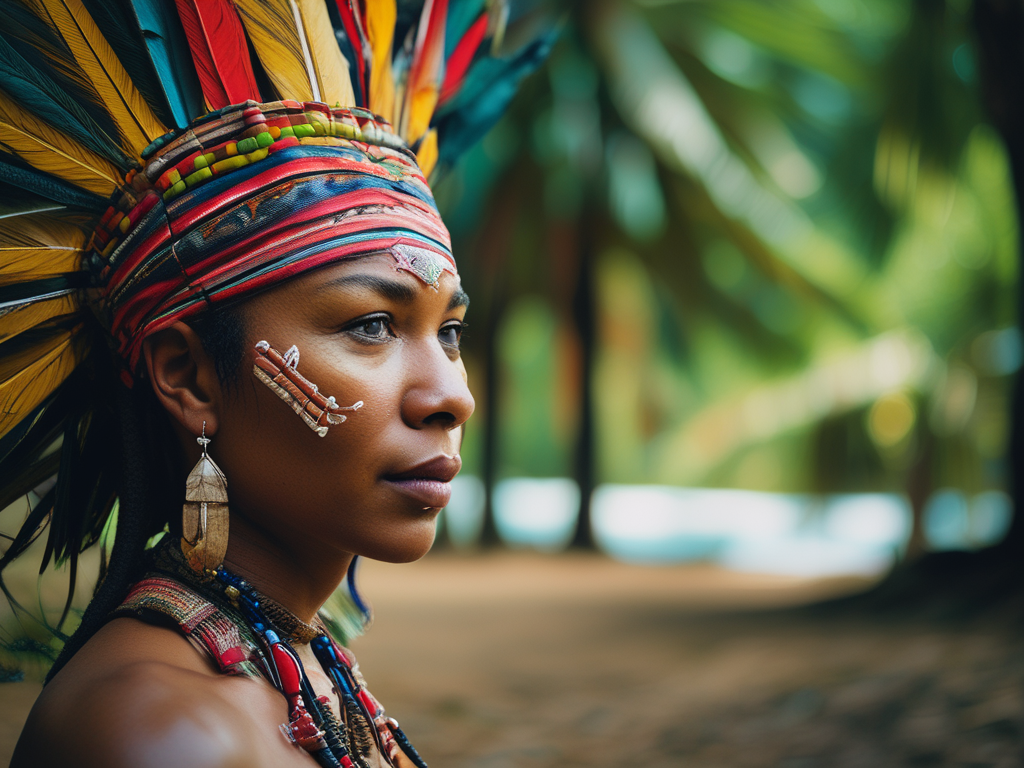
Peopling of the Americas: African and Indigenous Migration Theories and Debates
The peopling of the Americas has sparked debate, with mainstream theories suggesting migration from Asia and alternative hypotheses proposing early African migrations across the Atlantic. Genetic, cultural, and linguistic evidence, as well as Indigenous narratives, support this possibility. While speculative, this theory raises important questions about human exploration and interaction, enriching our understanding of pre-Columbian…
-
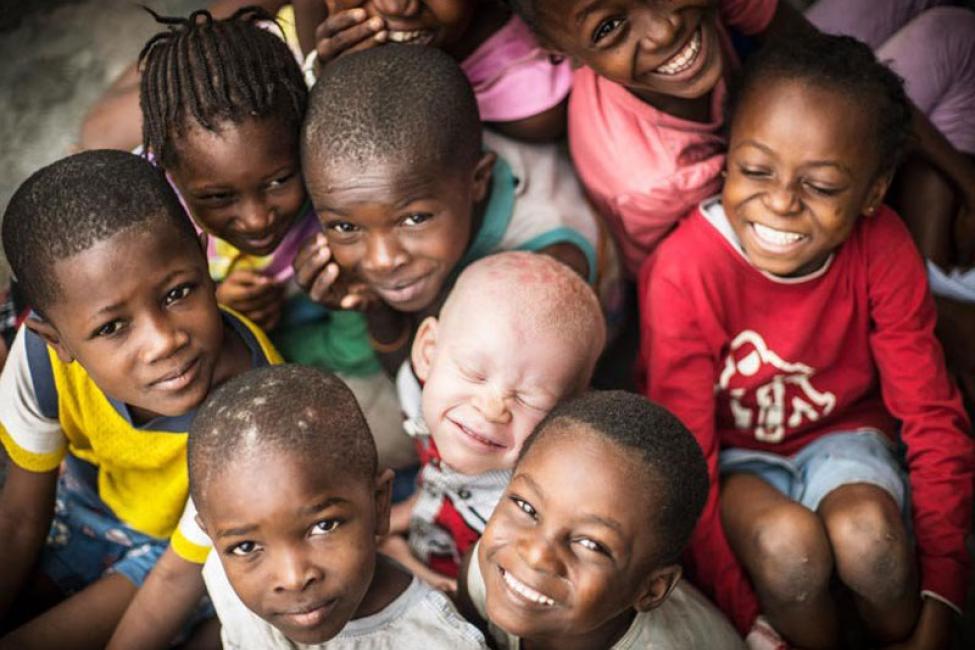
The Story of Albinism: From Noah to Modern-Day Tanzania
Albinism, deeply rooted in ancient texts and contemporary Tanzania, reflects a blend of cultural beliefs, genetics, and societal struggles. Tanzanian albinos encounter discrimination and violence due to superstitions. Efforts to improve their situation exist, while the historical context and genetic factors contribute to the prevalence of albinism in Tanzania.
-
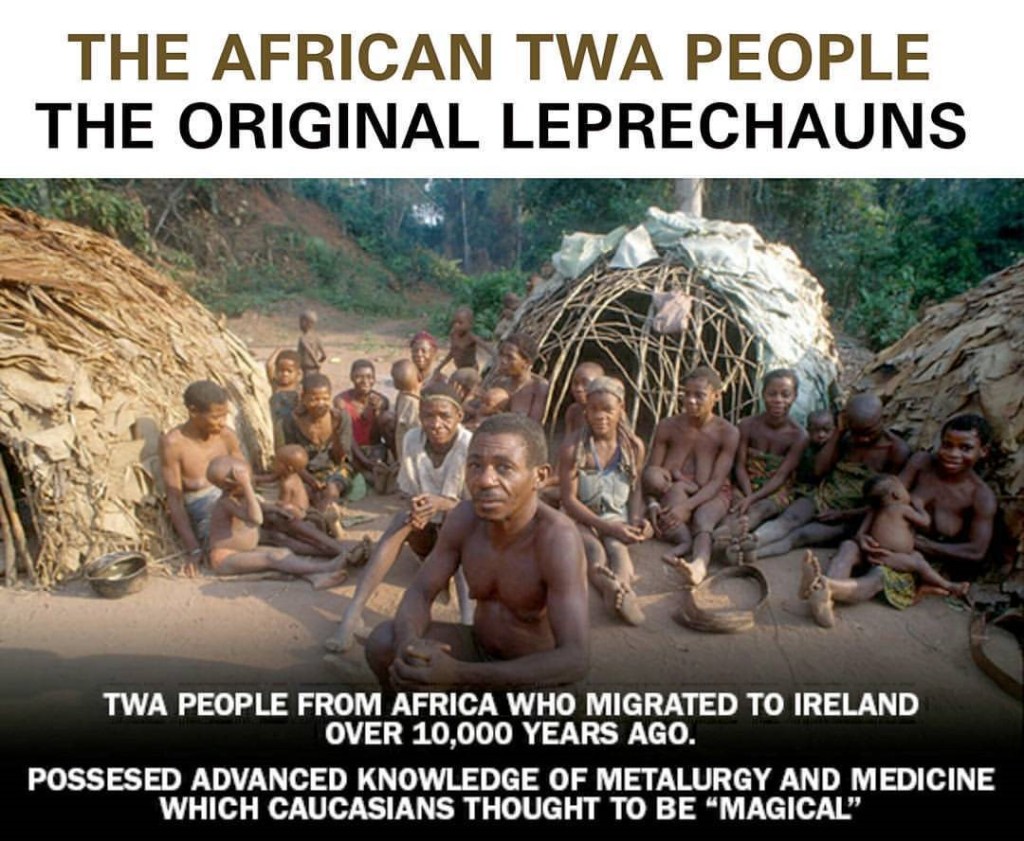
The Twa People: Ancient Black Inhabitants of Ireland and Their Connection to St. Patrick’s Day
The Twa people, also known as pygmies, are believed to be among the first black inhabitants of Ireland. Linguistic clues, historical accounts, and cultural exchanges support their significant role in shaping early Irish society. Their enduring legacy and wisdom continue to enrich the island’s diverse and multicultural past.
 Livity Blog