
Community
-
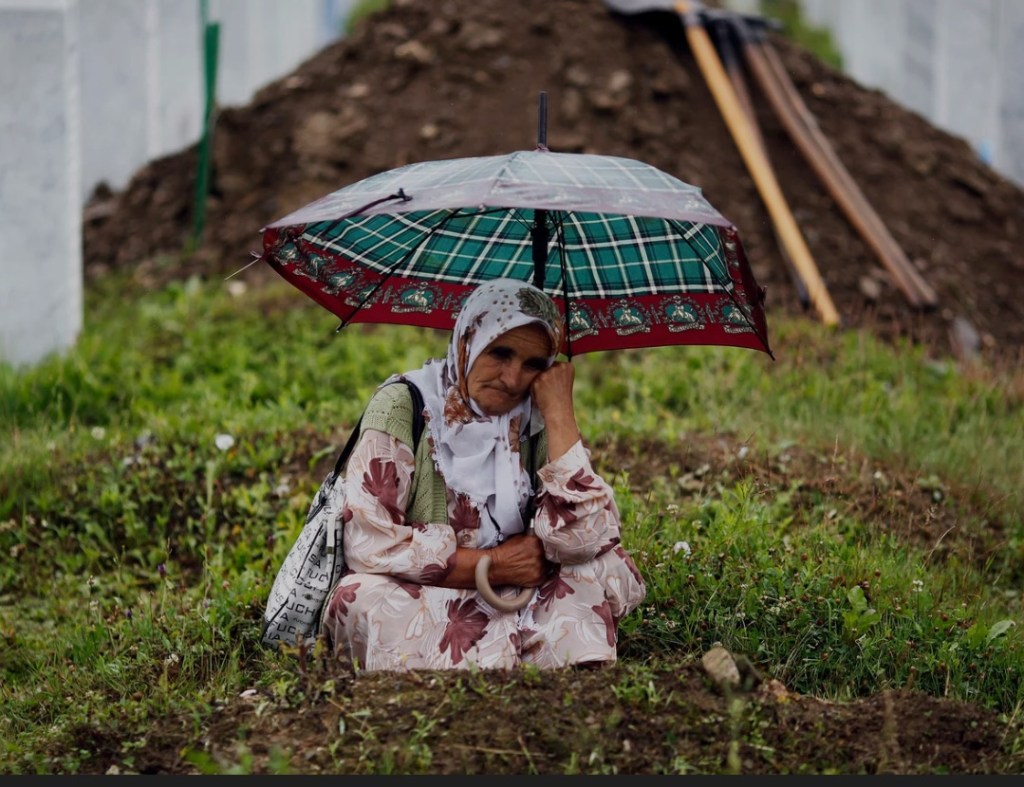
Erased from the Earth: The Hidden Genocides of Europe
They were erased in silence. From the genocide of Bosnian Muslims to the forgotten Indigenous peoples of Europe—the truth has been buried beneath flags, rewritten history, and forced assimilation. But we remember. And we speak. The ancestors of the Sami, the Celts, the Basques, and the Romani are calling. The voices of Srebrenica still echo.…
-
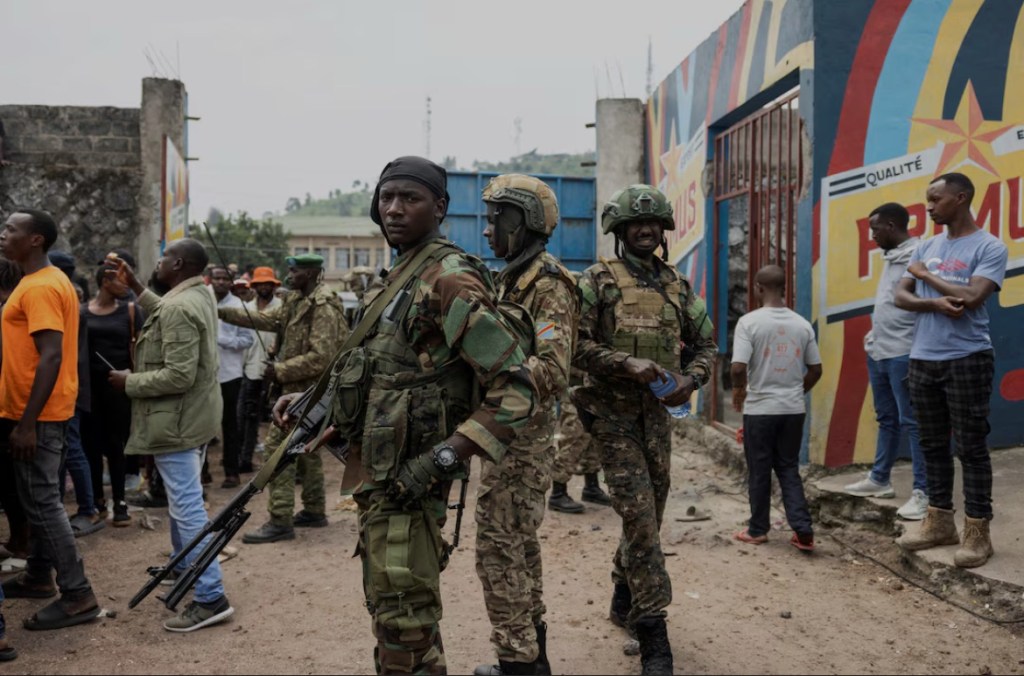
Cobalt and Carnage: The Hidden Cost of Our Smartphones
Congo’s minerals power our tech—but at the cost of lives, land, and legacy. Uncover the hidden genocide at Livity.blog.
-

Nanoparticles: The Invisible Threat to Our Environment and Health
Nanoparticles, while beneficial in various industries, pose significant environmental and health risks. They infiltrate air, water, and soil, impacting ecosystems and contributing to disorders like autism and ADHD. With widespread contamination from sources like plastic bottles, the urgency to address nanoparticle exposure through informed choices and advocacy for sustainable practices is critical.
-
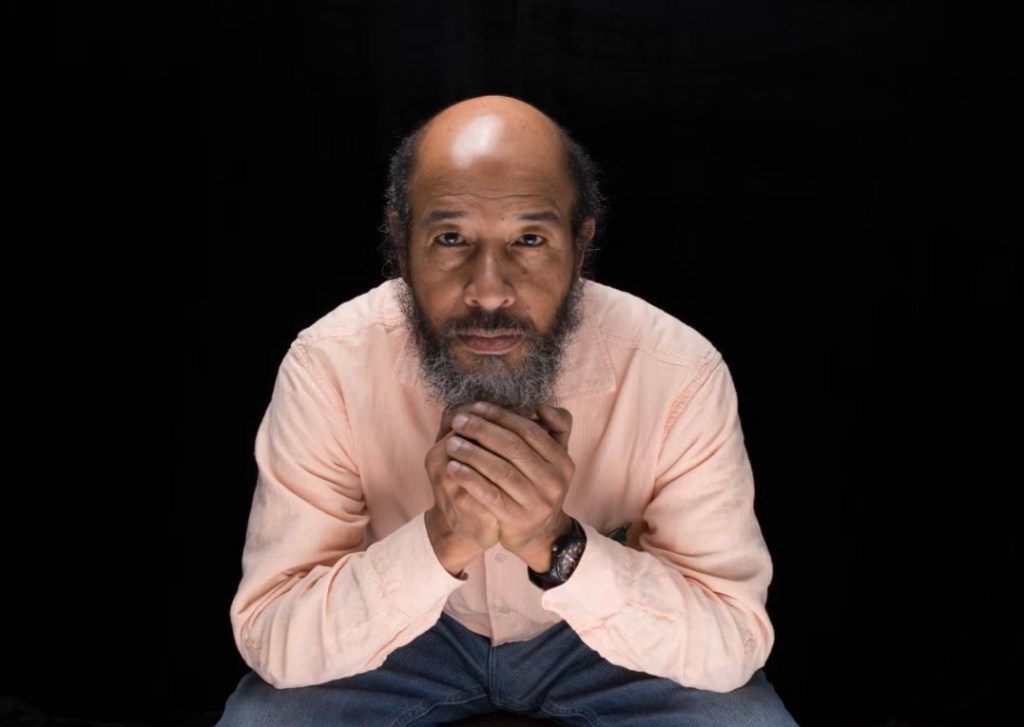
Albert Chong: The Art of Memory, Resistance, and the Spirit of the Ancestors
🔥 Honoring Ancestral Memory: A LIVE Conversation with Albert Chong 🔥 “The easiest form of white supremacy… is exclusion.” – Albert Chong What happens when history erases your ancestors? You reclaim them. Jamaican-born artist Albert Chong has spent his career doing just that—through photography, sculpture, and his powerful Thrones for the Ancestors series, which seats…
-
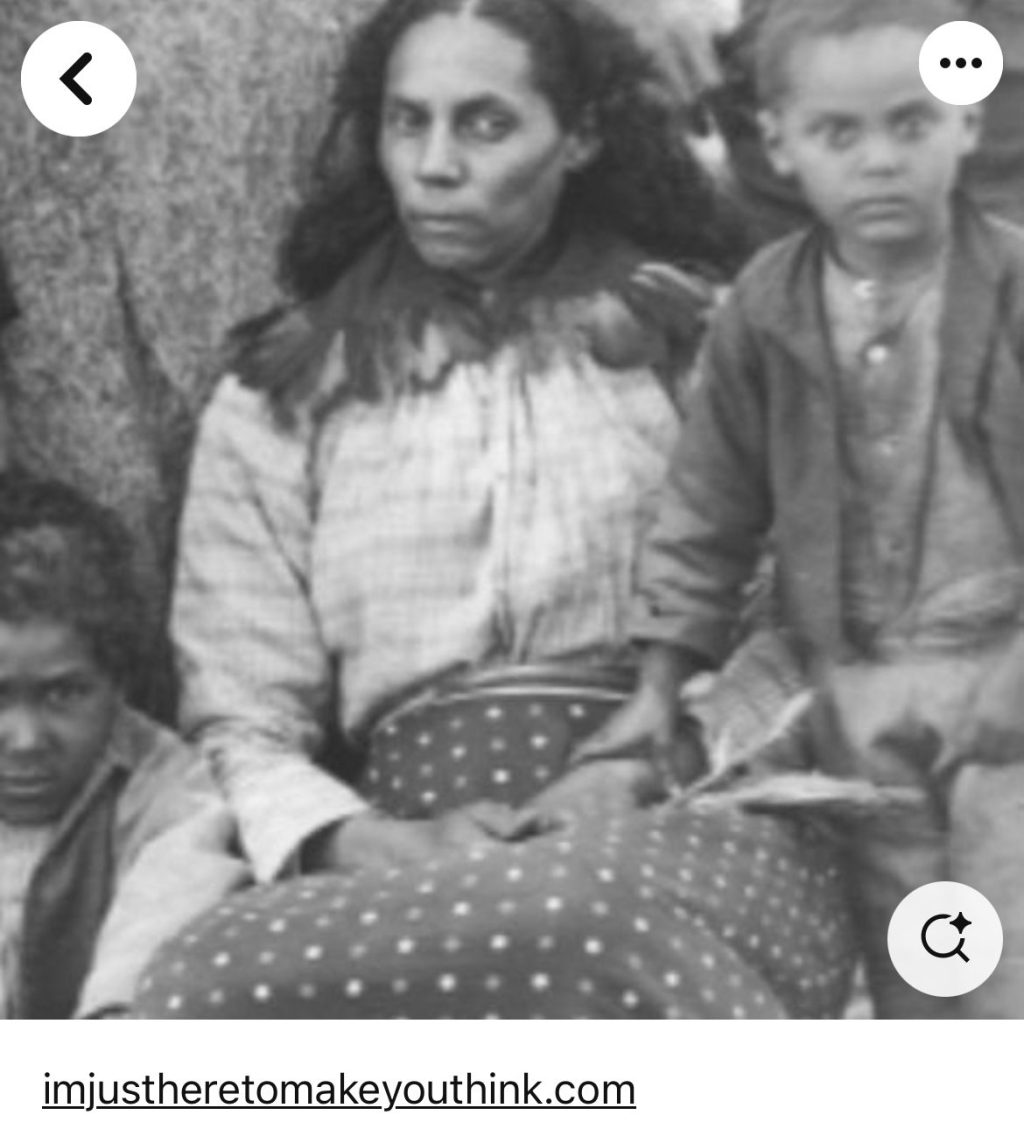
The Forgotten Builders: Are the Washitaw and Aboriginal Descendants the Lost Tribe of Judah?
The narrative reveals the often-overlooked history of the Washitaw Nation, identified as pyramid builders and potential descendants of the Tribe of Judah. It highlights their ancient legacy and connection to other global tribes, suggesting a shared ancestry. The erasure of their history through colonization is acknowledged, yet their enduring oral traditions assert their rightful place…
-

Tartaria’s Afro-Asiatic Legacy in the Americas: A Forgotten Civilization Suppressed by Colonial Powers
The article discusses Tartaria, a lost Afro-Asiatic civilization potentially spanning Africa, Asia, and the Americas, whose existence was systematically suppressed by European powers. It links the Mound Builders and Washitaw Nation to this history and emphasizes the erasure of their advanced knowledge and technologies, raising questions about colonial narratives.
-
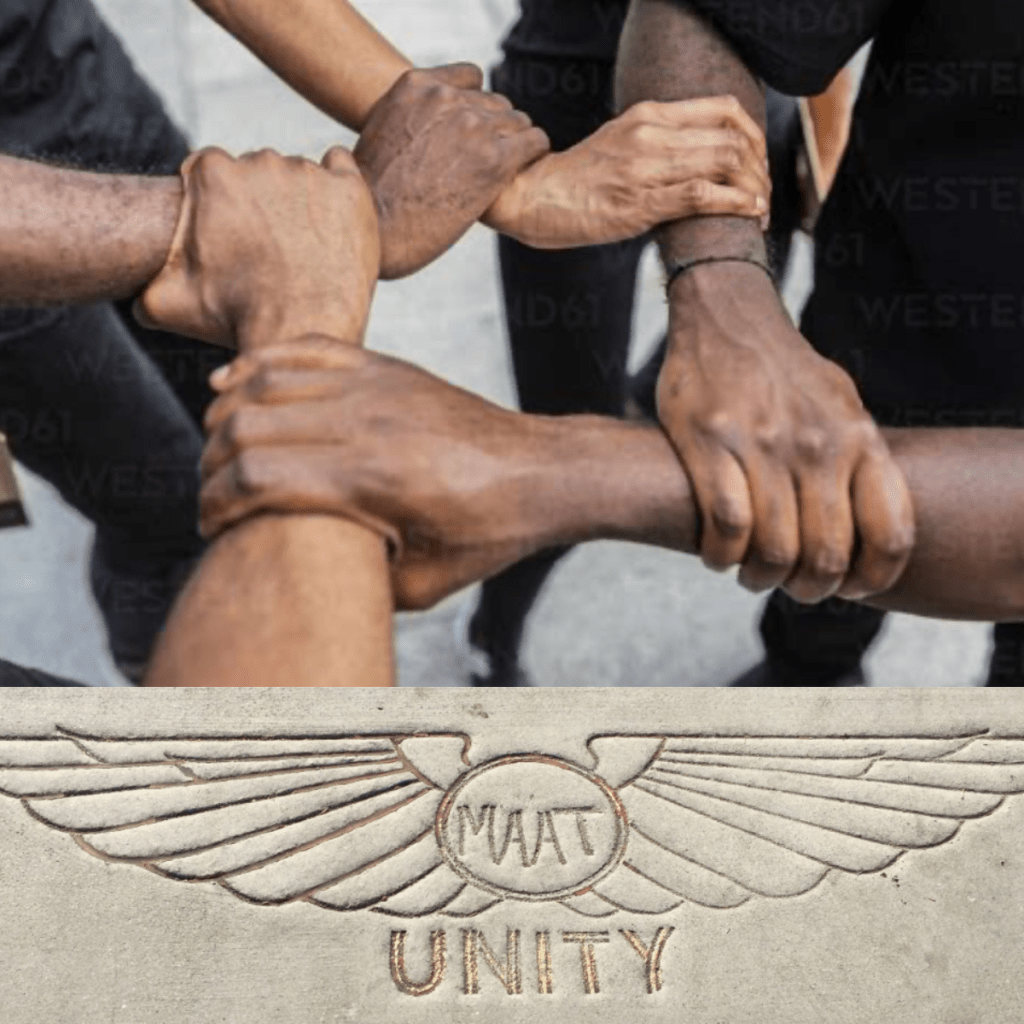
Unity Through Ancestry
Embracing Maat serves as a transformative path toward Black unity and cultural resilience, rooted in ancient wisdom of truth and justice. This approach fosters collective identity, encourages economic empowerment, and promotes community strength against systemic injustice, helping to reclaim ancestral practices while celebrating diversity to navigate contemporary challenges for stronger solidarity and liberation.
-
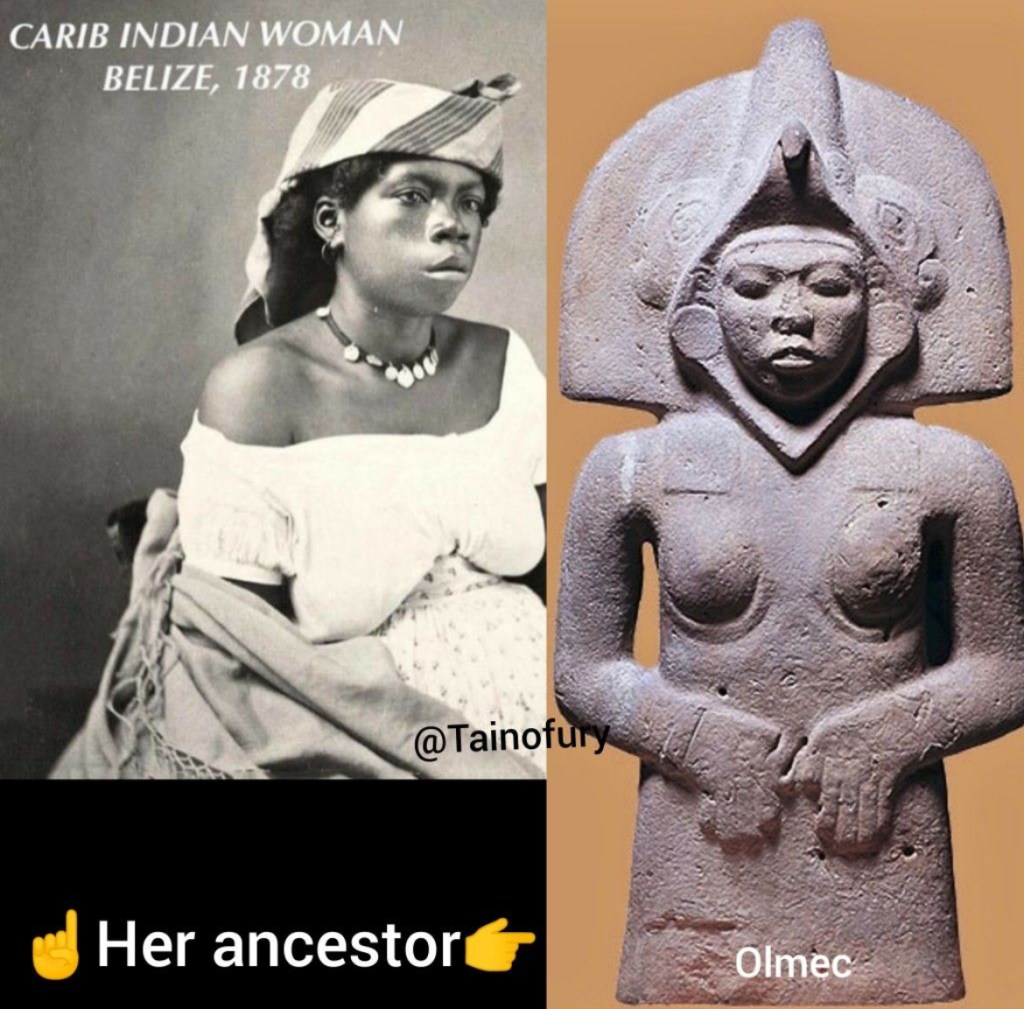
Bridging Worlds: The Olmec and Mayan Connection to Egyptian Knowledge
The Olmec, Mayan, and ancient Egyptian civilizations showcase remarkable ingenuity and spiritual depth, marked by parallels in hieroglyphics, astronomy, and technology. Both cultures developed sophisticated communication and architectural skills and shared a profound connection with the cosmos. Theories of transoceanic contact or shared human consciousness suggest intriguing links between them.
-
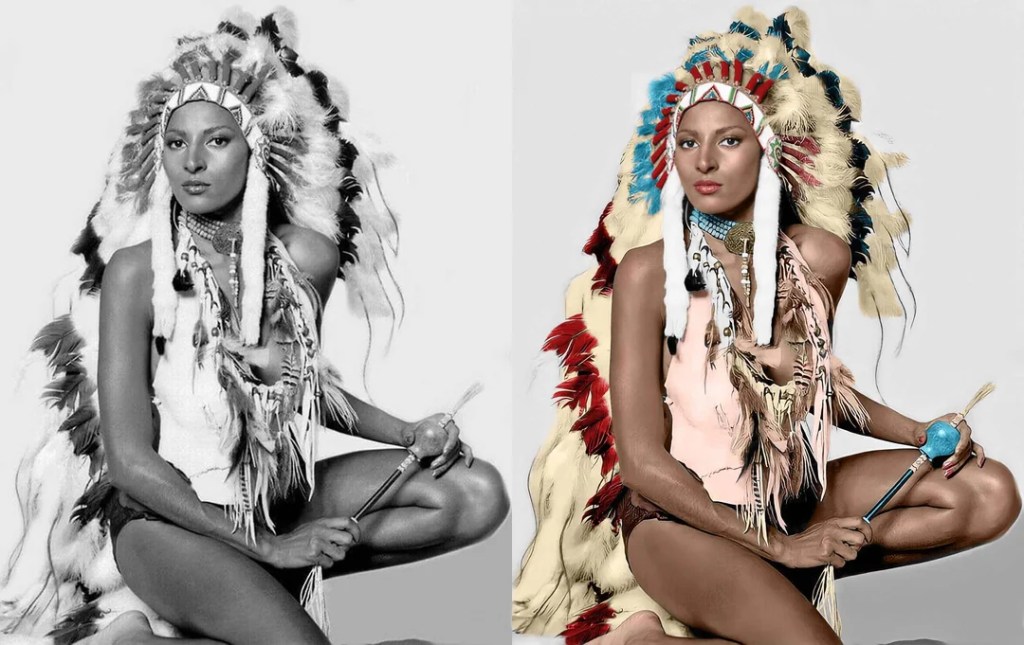
Black Indigenous: The PaleoIndian Peoples, Erased American Aborigines
The story of Black Indigenous peoples, descendants of Paleoindian inhabitants, reveals a rich cultural heritage often obscured by colonial narratives. Tribes such as the Washitaw Nation and Taino, linked through Olmec and Mayan influences, advocate for recognition, sovereignty, and justice. Celebrating their history fosters awareness of their significance and contributions to America.
-
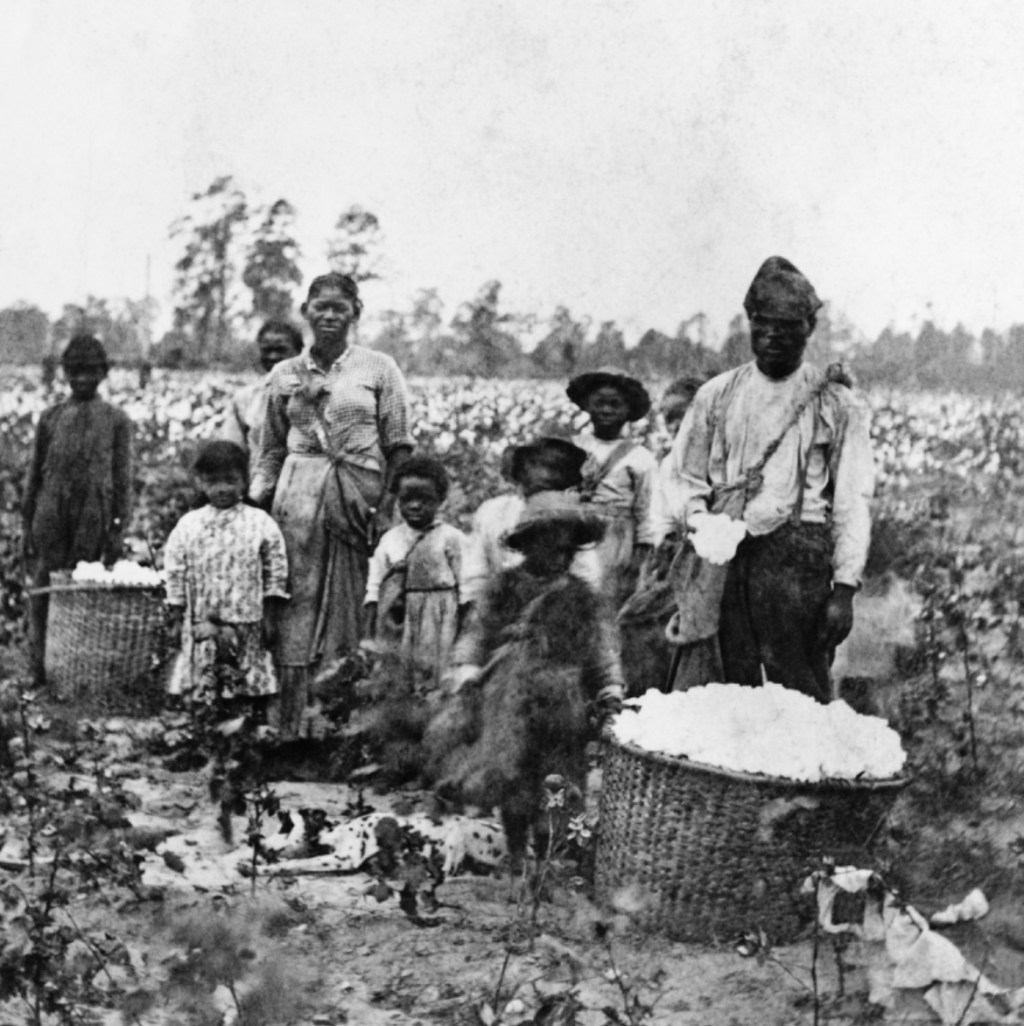
The Day of Mourning
The content reflects on the impact of colonization on Black, Brown, and Indigenous communities, marking Thanksgiving as a Day of Mourning. It discusses historical events like the Pequot War and the transatlantic slave trade, emphasizing ongoing struggles for equity and justice. Resistance movements unite marginalized communities in their fight against systemic inequalities.
 Livity Blog