
Spirituality
-
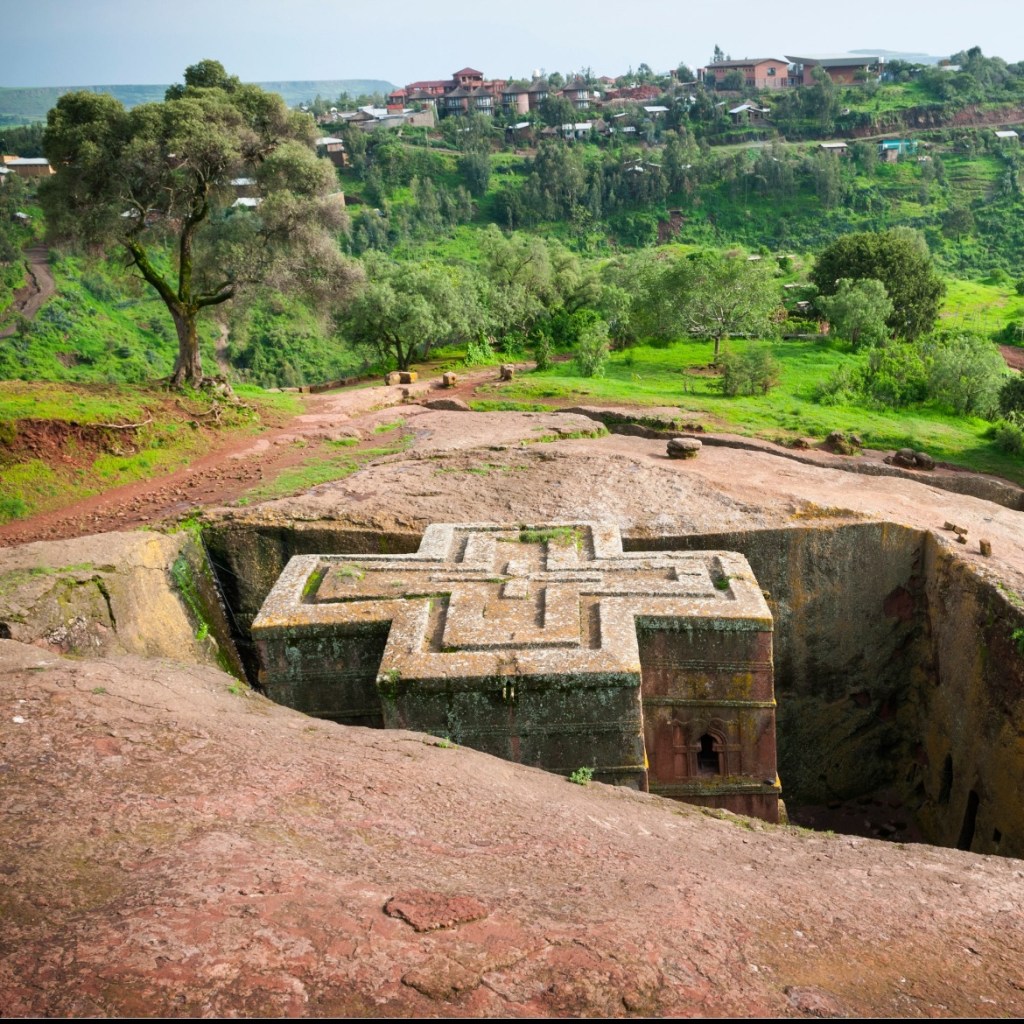
Lalibela’s Hidden Codes: Mysticism, Sacred Architecture, and the Power of Spiritual Fasting
Fasting serves as a spiritual gateway intertwined with the rock-hewn churches of Lalibela, a site rooted in divine vision and sacred geometry. King Lalibela’s journey reflects the importance of fasting in accessing higher consciousness. It raises questions about ancient wisdom, possible pre-Christian origins, and the profound connection between fasting and divine revelation.
-
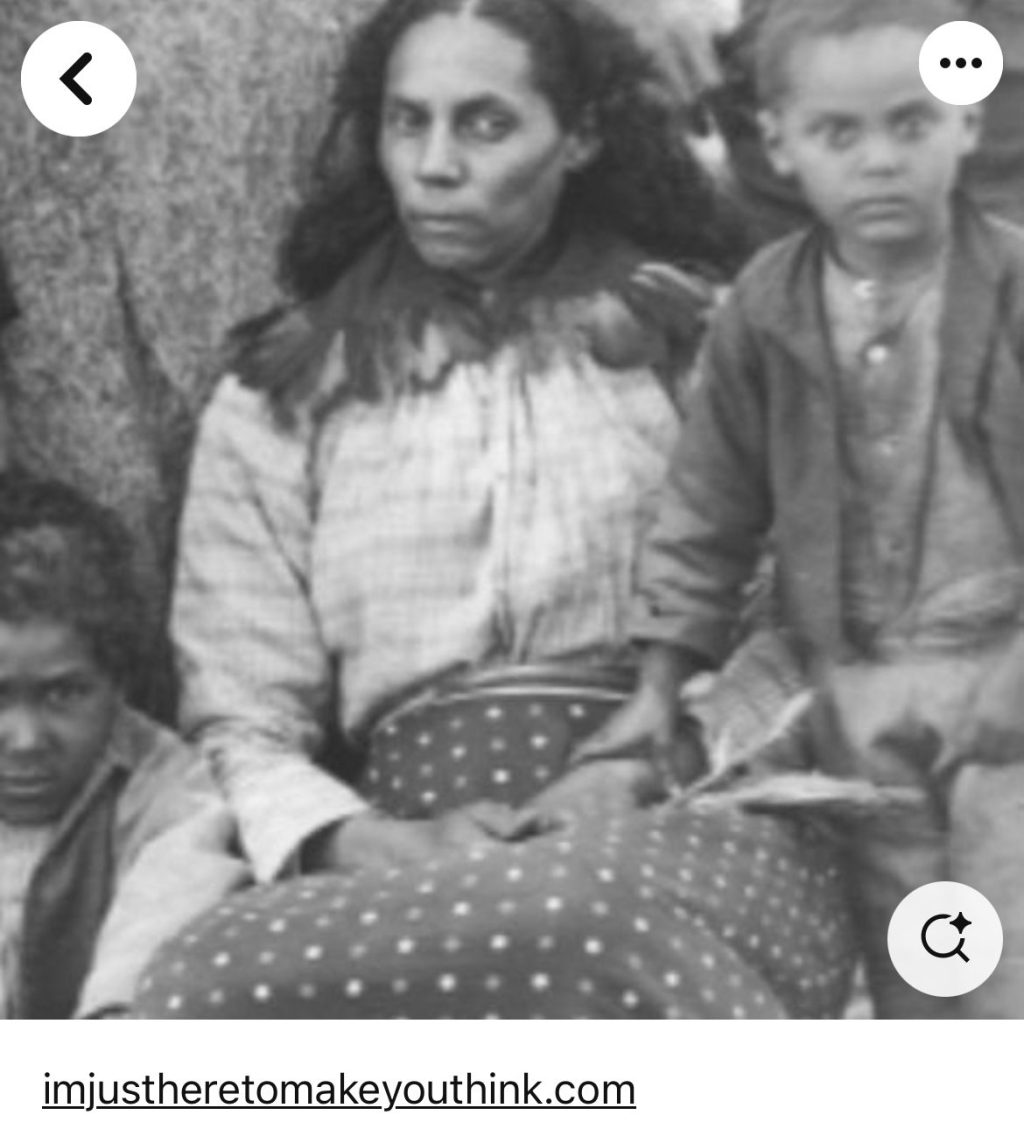
The Forgotten Builders: Are the Washitaw and Aboriginal Descendants the Lost Tribe of Judah?
The narrative reveals the often-overlooked history of the Washitaw Nation, identified as pyramid builders and potential descendants of the Tribe of Judah. It highlights their ancient legacy and connection to other global tribes, suggesting a shared ancestry. The erasure of their history through colonization is acknowledged, yet their enduring oral traditions assert their rightful place…
-

Tartaria’s Afro-Asiatic Legacy in the Americas: A Forgotten Civilization Suppressed by Colonial Powers
The article discusses Tartaria, a lost Afro-Asiatic civilization potentially spanning Africa, Asia, and the Americas, whose existence was systematically suppressed by European powers. It links the Mound Builders and Washitaw Nation to this history and emphasizes the erasure of their advanced knowledge and technologies, raising questions about colonial narratives.
-
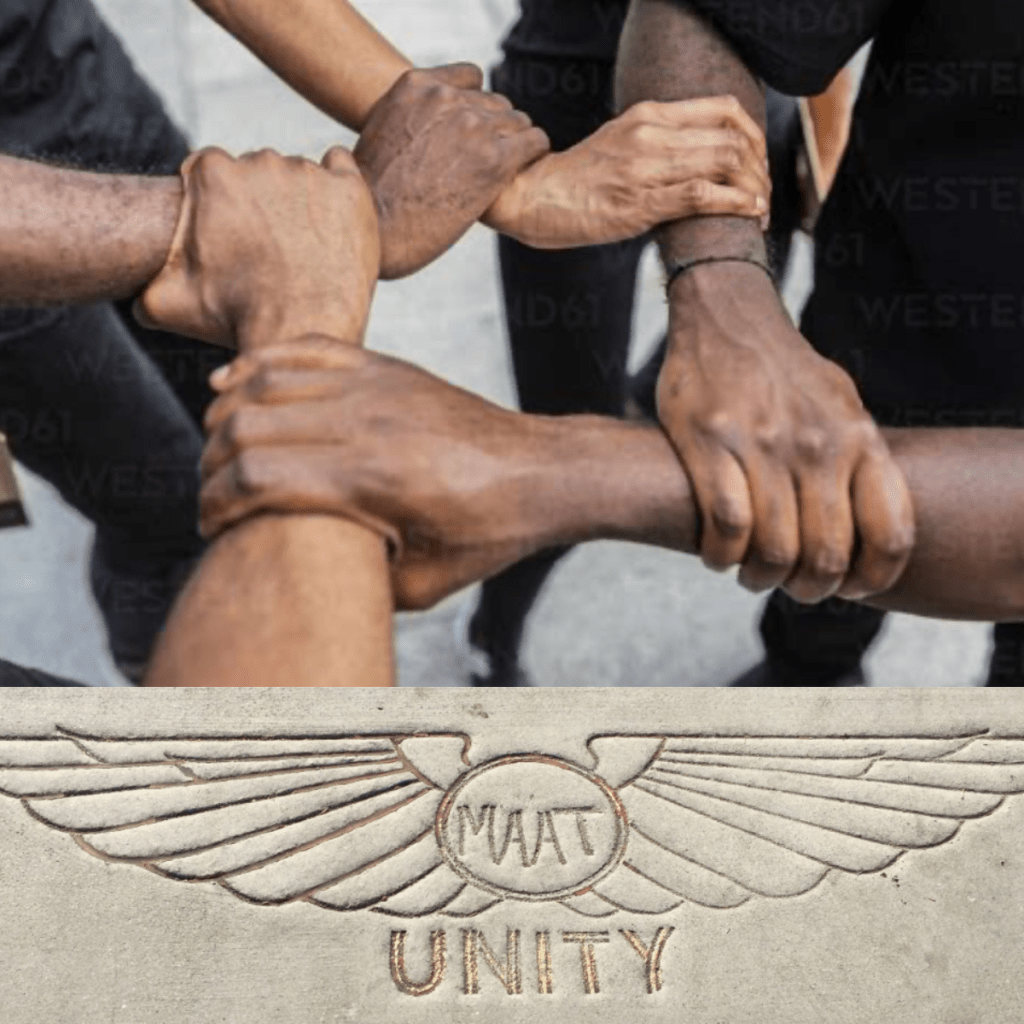
Unity Through Ancestry
Embracing Maat serves as a transformative path toward Black unity and cultural resilience, rooted in ancient wisdom of truth and justice. This approach fosters collective identity, encourages economic empowerment, and promotes community strength against systemic injustice, helping to reclaim ancestral practices while celebrating diversity to navigate contemporary challenges for stronger solidarity and liberation.
-

Fusing Art and Dance: How Indigenous Dance Inspires Spiritual Art
The content explores the profound intersection of indigenous dance and art, illustrating how movement serves as a spiritual conduit for artists worldwide. Dance traditions, including Ethiopian, Caribbean, African, and Irish styles, influence artistic expression by infusing artworks with cultural narratives and emotional depth. Artists draw upon these traditions to celebrate heritage, spirituality, and community unity,…
-
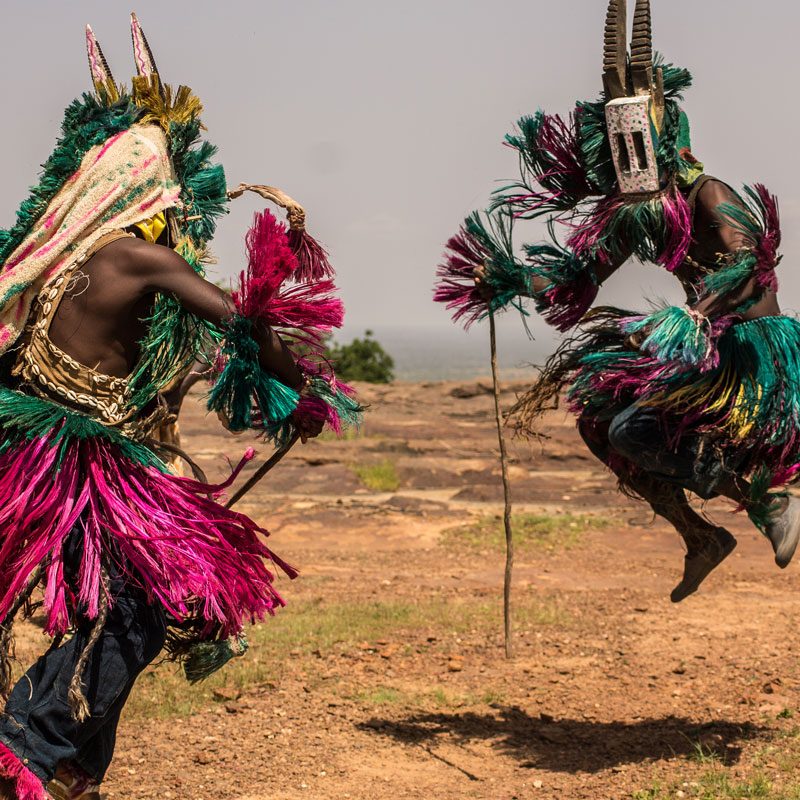
Ancient Wisdom: Dogon, Egyptian, and Ethiopian Spirituality
The Dogon Tribe of Mali showcases profound spiritual traditions and astronomical knowledge, particularly about the star Sirius. Their beliefs closely align with ancient Ethiopian and Egyptian cultures, emphasizing cosmic order and ancestral reverence. This interconnected wisdom highlights a shared African spiritual framework, offering insights into the relationship between humanity and the universe.
-
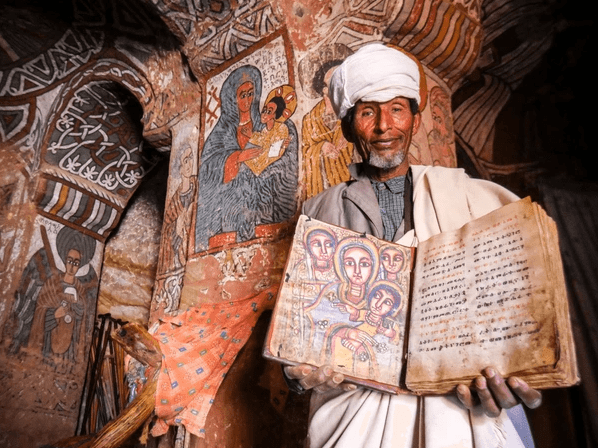
Reclaiming Ethiopian Art: A Story Erased from History
Ethiopian art, with roots in the ancient Axumite Empire, has long been marginalized in global art history despite its cultural and spiritual significance. The erasure stems from colonial narratives that sidelined African artistic traditions. A growing movement now seeks to reclaim Ethiopian art, emphasizing its unique blend of Christian and indigenous influences.
-

Gold: Its Cultural Value and Significance in Art and Spirituality
Gold has been a potent symbol of wealth, spirituality, and immortality across cultures for centuries. Revered in art and rituals, it connects the earthly with the divine, embodying purity and enlightenment. Its transformative nature inspires generations, while modern interpretations continue to highlight its sacred qualities, reminding us of our inner light and potential.
-
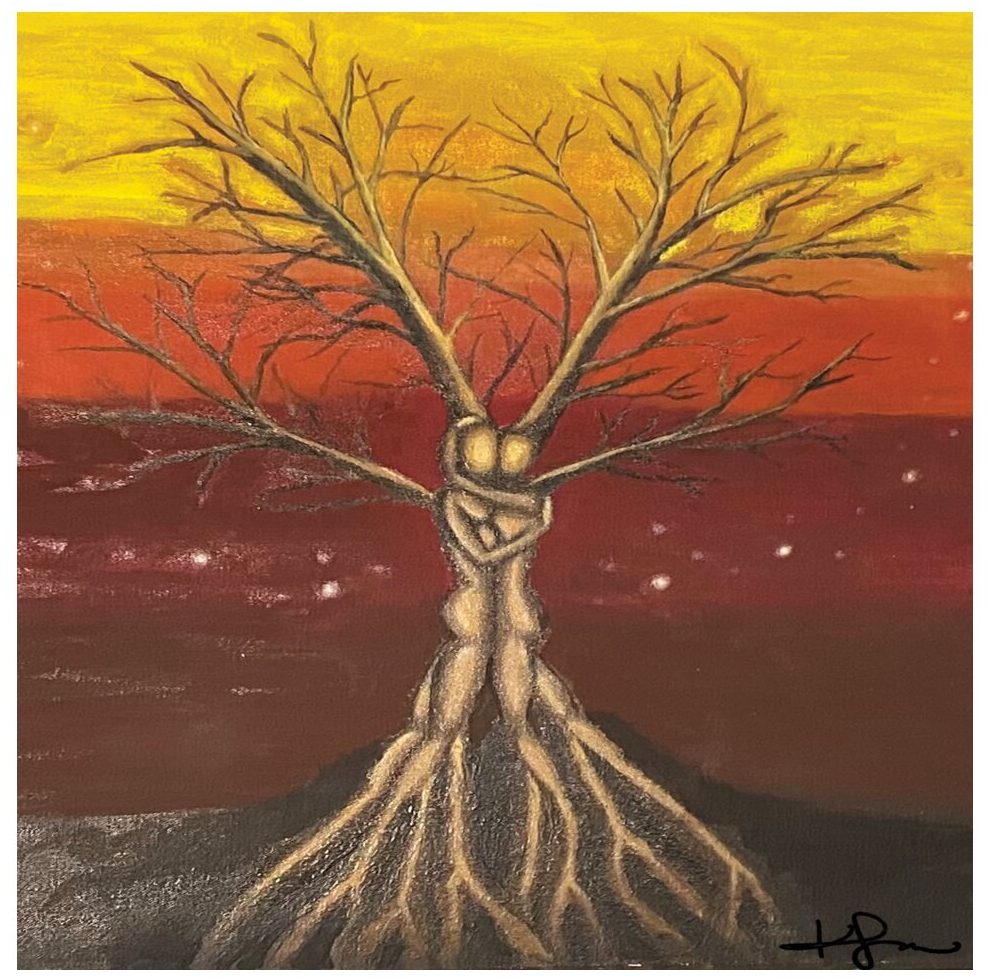
Livity and the Tree of Life: Uniting Spiritual Awareness and Ecological Balance
The Tree of Life, a symbol deeply rooted in indigenous cultures, embodies balance and interconnectedness. Through its portrayal in art, it reflects humanity’s responsibility to nature and spiritual harmony. This symbolism aligns with the livity philosophy, emphasizing conscious living and ecological balance. Contemporary indigenous art continues to advocate for environmental stewardship and unity in the…
-
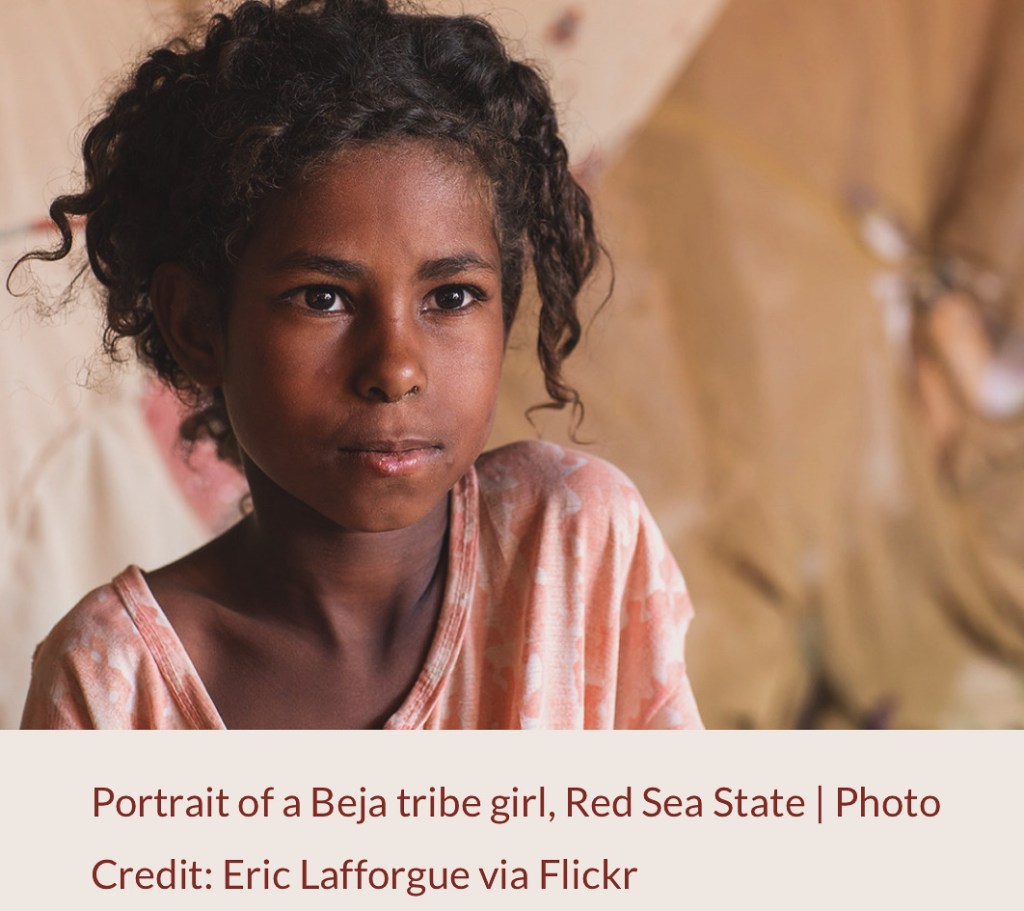
The Beja People: Guardians of Heritage, Livity, and Indigenous Wisdom
The Beja tribe, with a history of over 4,000 years, maintains a semi-nomadic lifestyle in northeastern Africa. Their rich cultural heritage, spiritual practices, and connection to Neith, an ancient Egyptian goddess, reflect their deep ties to the land. Despite challenges, they preserve traditions aligned with natural principles, mirroring the philosophy of livity.
 Livity Blog